
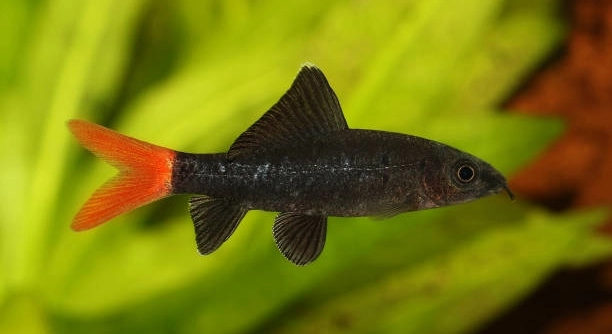
Rainbow Sharks are popular freshwater fish known for their active behavior and striking appearance. Sometimes, they suddenly stop eating, which can be worrying for their owners. Understanding why this happens is important for keeping them healthy and happy.
When a Rainbow Shark refuses to eat, common causes include water quality issues, stress from tankmates, improper diet, or illness. Addressing these factors through careful observation and adjustments can help restore their appetite and overall well-being.
Knowing these fixes can help you improve your fish’s health and enjoy watching them thrive in your aquarium.
Check Water Quality and Conditions
Maintaining clean water is crucial for your Rainbow Shark’s appetite and health. Poor water quality can stress fish, causing them to stop eating. Regularly test your aquarium for ammonia, nitrite, nitrate levels, and pH balance. Ammonia and nitrites should be at zero, while nitrates should stay below 20 ppm. Temperature is another key factor; Rainbow Sharks prefer temperatures between 75°F and 79°F. Sudden changes in temperature or poor filtration can harm their immune system and reduce their interest in food. Performing partial water changes weekly helps keep the environment stable and healthy. Avoid overcrowding, as too many fish create waste that degrades water quality quickly. Clean decorations and substrate to prevent buildup of harmful bacteria. Keeping these conditions in check creates a comfortable habitat, encouraging your fish to eat regularly.
Poor water conditions are a major cause of appetite loss in Rainbow Sharks. Regular monitoring and maintenance improve their eating habits and overall health.
Checking water quality not only ensures your Rainbow Shark’s appetite but also supports its immune system. When water parameters are off, the fish may become lethargic or stressed, making them avoid food. Maintaining a stable environment helps prevent diseases that could further reduce feeding. Use a reliable test kit to keep track of the tank’s chemistry, and perform water changes before levels become harmful. A well-maintained tank gives your Rainbow Shark the best chance to thrive and enjoy meals as usual.
Reduce Stress from Tankmates
Stress from aggressive or incompatible tankmates can cause your Rainbow Shark to stop eating. They may hide or become too anxious to feed properly. Watch how your fish interact and look for signs of bullying or chasing. If you notice this behavior, consider rearranging the tank or separating aggressive fish. Providing plenty of hiding spots with plants or decorations can help reduce stress and create safe spaces. Keeping a peaceful community tank encourages natural behavior and promotes regular feeding.
Aggressive tankmates often disrupt feeding habits in Rainbow Sharks, causing stress and appetite loss.
Reducing stress improves your Rainbow Shark’s comfort and willingness to eat. A calm environment minimizes hiding and fear, which allows the fish to explore and feed without interruption. Sometimes, simply moving decorations or adding more plants can ease tension. Avoid mixing Rainbow Sharks with overly territorial species, as this can lead to ongoing stress. Providing enough space and compatible companions supports a healthy aquarium balance. When your Rainbow Shark feels safe, its feeding routine will likely return to normal, making your aquarium a more enjoyable space for all fish.
Adjust the Diet
Rainbow Sharks may refuse food if their diet is not varied or suitable. They need a mix of flakes, pellets, and live or frozen foods like bloodworms or brine shrimp. A balanced diet helps keep them interested in eating.
Offering different types of food stimulates their appetite. Try alternating between high-quality flakes and sinking pellets, since Rainbow Sharks prefer food near the bottom. Including occasional live or frozen treats adds variety and essential nutrients. Avoid overfeeding, as leftover food can pollute the tank and discourage feeding. Feeding small amounts twice daily is ideal to encourage consistent eating habits.
Introducing new foods gradually helps your Rainbow Shark adjust and prevents sudden changes that might upset their digestive system. Pay attention to their preferences and appetite response. Sometimes, simply changing the texture or type of food can make a big difference. Variety and moderation keep your fish healthy and interested in mealtime.
Monitor for Illness
When a Rainbow Shark refuses to eat, illness may be a factor. Watch for signs like faded colors, clamped fins, or unusual swimming. These symptoms indicate health problems that need attention.
Treating illness early is important to prevent worsening conditions. Common issues include parasites, bacterial infections, or swim bladder problems. Quarantine sick fish and consult a veterinarian or aquarium specialist for diagnosis and treatment advice. Using appropriate medication can help restore appetite and health. Maintaining tank cleanliness and good water quality supports recovery and prevents future outbreaks. Prompt action gives your Rainbow Shark the best chance to regain its appetite and vitality.
Ensure Proper Tank Size
Rainbow Sharks need enough space to swim freely and feel secure. A small or overcrowded tank can stress them and reduce their appetite.
Providing at least a 30-gallon tank helps support their active nature and territorial behavior. Proper space encourages natural feeding and reduces stress.
Maintain Consistent Lighting
Consistent lighting helps regulate your Rainbow Shark’s natural rhythm. Sudden changes or too much light can make them stressed or inactive.
Use a timer to keep a steady day-night cycle, typically 10–12 hours of light per day. This stability supports healthy behavior and appetite.
Avoid Overfeeding
Overfeeding can lead to leftover food that pollutes the tank and harms your Rainbow Shark’s health. Feeding too much can also make them less interested in eating regularly.
Feed small portions twice a day, only what your fish can consume within a few minutes. This practice helps keep water clean and encourages healthy eating habits.
Provide Hiding Places
Hiding spots reduce stress and make your Rainbow Shark feel safe. Plants, caves, or decorations offer shelter and encourage natural behavior.
A secure environment helps your fish relax, making them more likely to eat consistently and stay healthy.
FAQ
Why won’t my Rainbow Shark eat even though the water looks clean?
Clean-looking water doesn’t always mean it’s safe for your fish. Harmful substances like ammonia and nitrites can be invisible but toxic. Testing water regularly is important to catch problems early. Even small changes in pH or temperature can affect their appetite, so maintaining stable conditions is key.
How long can a Rainbow Shark go without eating?
Rainbow Sharks can survive several days without food, but going more than a week without eating can cause serious health problems. If your fish refuses food for more than two or three days, it’s time to check water quality, tank conditions, and possible illness.
Can stress from tankmates cause a Rainbow Shark to stop eating?
Yes, stress from aggressive or territorial fish often leads to hiding and lack of appetite. Rainbow Sharks are semi-aggressive and need compatible tankmates and enough space. Providing hiding spots and monitoring fish behavior helps reduce stress and encourages eating.
Is my Rainbow Shark picky about food types?
Rainbow Sharks can be picky, especially if fed the same food every day. Offering a variety of flakes, pellets, and live or frozen foods keeps them interested. Gradually introducing new foods can help prevent refusal and support balanced nutrition.
What should I do if I suspect illness in my Rainbow Shark?
Look for signs like faded colors, clamped fins, or unusual swimming. Isolate the fish in a quarantine tank to prevent spreading disease. Consult an aquarium specialist or veterinarian for proper diagnosis and treatment. Early intervention improves chances of recovery.
How important is tank size for a Rainbow Shark’s appetite?
Tank size greatly affects their behavior and feeding. Rainbow Sharks need at least 30 gallons to swim comfortably and establish territory. Small or overcrowded tanks cause stress and reduce interest in food. A spacious tank supports natural activity and better health.
Can lighting affect my Rainbow Shark’s eating habits?
Yes, lighting influences their daily cycle and stress levels. Inconsistent or harsh lighting can cause anxiety, reducing appetite. Using a timer for 10–12 hours of light per day helps regulate their routine and encourages regular feeding.
Is overfeeding harmful to Rainbow Sharks?
Overfeeding pollutes the water and leads to health issues like obesity or digestive problems. Feeding small amounts twice a day, only what they can eat quickly, keeps water quality good and prevents waste buildup. Balanced feeding promotes better appetite and overall health.
Do Rainbow Sharks need hiding places to eat well?
Providing hiding spots reduces stress and helps your fish feel secure. When they feel safe, they are more likely to come out and eat regularly. Plants, caves, or decorations create a comfortable environment that supports natural behavior and appetite.
How do I know if my Rainbow Shark is stressed?
Signs of stress include hiding, erratic swimming, loss of color, and refusal to eat. Stress often results from poor water quality, aggressive tankmates, or an unsuitable environment. Identifying and fixing these issues will help your Rainbow Shark feel comfortable again.
Taking care of a Rainbow Shark requires paying attention to several important details. When your fish stops eating, it usually signals that something in its environment or health needs attention. Maintaining good water quality is essential. Regular testing and cleaning help prevent problems that stress your fish. Proper diet and tank size also play a big role in keeping your Rainbow Shark healthy and active. Offering a variety of foods and ensuring enough space to swim encourages natural feeding behavior. Watching how your fish interacts with tankmates can help you identify if stress is a problem. Providing hiding spots and a stable environment reduces anxiety and supports regular eating.
It is important to remember that Rainbow Sharks, like all fish, show signs when something is wrong. If your fish refuses food for several days or shows unusual behavior, checking water parameters and observing tank conditions is the first step. Illness can also cause loss of appetite, so being aware of symptoms like faded colors or clamped fins helps you act quickly. Quarantining sick fish and seeking expert advice can prevent serious issues. Taking these steps early can improve your fish’s chances of recovery and return to normal eating habits. Consistency in care and observation keeps your aquarium a healthy space for all inhabitants.
Understanding the needs of your Rainbow Shark helps create a better environment where it can thrive. Small changes in diet, tank setup, or water quality can make a big difference. Being patient and attentive allows you to respond to problems before they worsen. This approach ensures your fish stays happy, healthy, and willing to eat regularly. With the right care, your Rainbow Shark will continue to brighten your aquarium and bring enjoyment for years to come.

Hello,
If you enjoy the content that we create, please consider saying a "Thank You!" by leaving a tip.
Every little bit helps us continue crafting quality advice that supports the health, happiness, and well-being of pets around the world, for pets of all shapes, sizes, and species.
We really appreciate the kindness and support that you show us!