
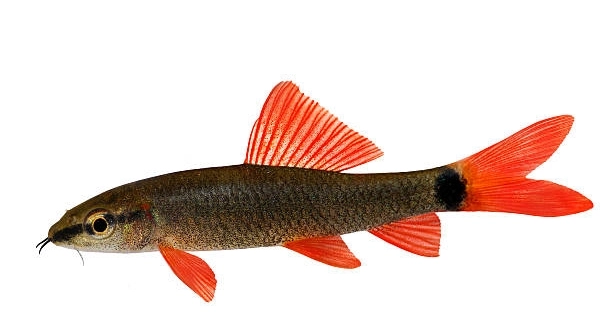
Are your rainbow sharks not breeding despite your efforts to provide a good environment? Many fishkeepers face this challenge when trying to encourage breeding in their tanks. Understanding the reasons behind this can help improve their chances.
Rainbow sharks often fail to breed due to factors such as insufficient water quality, lack of proper breeding conditions, stress from tank mates, or incorrect diet. Ensuring stable parameters and suitable environment is essential for successful reproduction.
These common issues can be corrected with some simple changes. Addressing them can help create a better habitat for your rainbow sharks to thrive and reproduce naturally.
Poor Water Quality
Maintaining clean water is key for rainbow sharks to feel comfortable enough to breed. If water parameters like ammonia, nitrite, or nitrate levels are off, it can stress the fish and stop breeding behavior. Rainbow sharks prefer slightly acidic to neutral water with a temperature around 75 to 79°F (24 to 26°C). Regular testing and water changes keep these factors stable. If the tank is overcrowded or filter capacity is low, waste can build up quickly, further lowering water quality. Even small changes in pH or hardness can affect their readiness to breed. Taking care to keep the environment clean shows the fish they are in a safe space, which is important for encouraging natural behaviors like spawning.
Keeping water clean means doing frequent partial water changes, checking test kits often, and not overfeeding. Proper filtration is necessary to remove toxins and maintain oxygen levels for healthy fish.
With consistent water maintenance, rainbow sharks are more likely to stay healthy and show breeding behaviors. Stability in water conditions supports their overall well-being and readiness to reproduce.
Lack of Suitable Breeding Conditions
Rainbow sharks need specific conditions to breed successfully. Simply having them in the tank isn’t enough. They prefer a spacious tank with hiding spots and flat surfaces to lay eggs. Without these, they may not feel secure or stimulated to spawn. Plants, caves, or smooth rocks can provide good places for egg laying. If the environment feels too exposed or barren, breeding is unlikely to happen. The water flow should be gentle, avoiding strong currents that could disturb eggs or fry.
Providing a dedicated breeding tank or section within the main aquarium often helps. Separating males and females until breeding time can reduce aggression and stress, making them more likely to mate when reintroduced. Temperature should be stable, and gradual changes can sometimes trigger spawning.
Creating these conditions mimics their natural habitat, encouraging their instincts. By adjusting the environment thoughtfully, you increase the chance of seeing your rainbow sharks breed. It also helps reduce fighting and stress, which can prevent breeding altogether.
Stress from Tank Mates
Aggressive or overly active tank mates can stress rainbow sharks, preventing breeding. They need peaceful companions to feel safe and focused on spawning.
Stress reduces fish’s energy for reproduction and can cause hiding or aggression. Rainbow sharks are territorial, so crowded tanks or noisy species create tension. Avoid keeping them with fin-nippers or overly dominant fish. Providing plenty of hiding spots helps reduce encounters and stress. If aggression is high, consider a separate breeding tank to isolate pairs. Stress management is key to encouraging natural breeding behavior.
A calm, balanced community tank supports healthier fish. Less stress means rainbow sharks will spend more time on breeding activities instead of hiding or fighting. Watching their behavior improve is rewarding and increases the chances of successful spawning.
Incorrect Diet
Feeding rainbow sharks a poor diet can reduce their ability to breed. They need a balanced diet rich in protein and vitamins. Avoid relying solely on flakes or pellets.
Live foods like bloodworms, brine shrimp, and daphnia help boost their health and stimulate breeding instincts. Vegetables like zucchini or peas can be added occasionally for fiber. Feeding small amounts multiple times a day keeps them energetic and ready to reproduce. An unbalanced diet can cause weak or infertile eggs and reduce spawning frequency.
Adjusting diet to meet nutritional needs supports overall fish health and breeding potential. When rainbow sharks receive proper food, their colors brighten and breeding behavior becomes more frequent. This shows how important nutrition is for a successful breeding setup.
Insufficient Lighting
Rainbow sharks need a natural day-night cycle to feel comfortable. Too much or too little light can affect their breeding behavior.
Providing 10 to 12 hours of moderate lighting daily helps mimic natural conditions. Avoid harsh or constant bright light, which can cause stress and hiding.
Age and Maturity
Rainbow sharks typically reach breeding maturity around 1 to 2 years old. Younger fish are unlikely to breed successfully.
Even if they look healthy, immature fish need time to grow before spawning. Patience is important for natural breeding cycles.
Illness or Poor Health
If a rainbow shark is sick or weak, it won’t breed. Common issues include parasites, bacterial infections, and poor nutrition.
Keeping the tank clean and quarantining new fish helps prevent disease. Healthy fish have more energy to reproduce and care for their young.
FAQ
Why is my rainbow shark not showing any breeding behavior?
There are several reasons your rainbow shark might not be breeding. Stress from tank mates, poor water quality, or lack of proper breeding conditions are common issues. Also, age and maturity play a role; younger sharks may not be ready. Adjusting the environment and diet often helps stimulate breeding behavior.
How can I tell if my rainbow shark is ready to breed?
Breeding-ready rainbow sharks often display more vibrant colors and increased activity. Males may become territorial and chase females gently. You might also notice preparation of spawning sites, like cleaning flat surfaces. If your fish are healthy and showing these signs, they are likely ready to breed.
What kind of tank setup is best for breeding rainbow sharks?
A spacious tank with plenty of hiding spots and flat surfaces is ideal. Soft water with a neutral pH and temperature between 75 to 79°F helps create the right conditions. Moderate lighting and gentle water flow are important too. Sometimes, a separate breeding tank reduces stress and aggression.
Can I breed rainbow sharks in a community tank?
Breeding in a community tank is possible but tricky. Other fish can cause stress or eat eggs and fry. Aggressive or fin-nipping species should be avoided. A dedicated breeding tank often leads to better success and less conflict among fish.
How important is diet for breeding success?
Diet is very important. Rainbow sharks need protein-rich foods like live or frozen bloodworms, brine shrimp, and daphnia. Supplementing with vegetables occasionally supports overall health. Feeding small amounts several times a day keeps them energetic and ready to spawn.
What should I do with the eggs after spawning?
Rainbow sharks usually lay eggs on flat surfaces like rocks or aquarium glass. If the parents are aggressive or might eat the eggs, it’s best to move them to a separate tank. Keep the eggs clean and maintain stable water conditions. They usually hatch in 2 to 3 days.
How long does it take for rainbow shark fry to grow?
Fry grow slowly at first and need tiny food like infusoria or powdered fry food. After a few weeks, you can introduce baby brine shrimp or finely crushed flakes. With good care, they start to resemble adults after about 3 to 4 months but reach full size later.
What are common problems when trying to breed rainbow sharks?
Stress, poor water quality, and lack of proper environment are the main problems. Aggression among fish or wrong diet can also stop breeding. Sometimes, fish just need more time to mature. Regular monitoring and making small adjustments can improve your chances.
Is it necessary to separate male and female rainbow sharks before breeding?
Separating males and females before breeding can reduce aggression and stress. Keeping them apart allows them to rest and prepare for spawning. When introduced together later, they are more likely to mate successfully. However, this is not always required if the tank is large and peaceful.
Can rainbow sharks breed multiple times a year?
Yes, under ideal conditions, rainbow sharks can spawn several times a year. Stable water parameters, proper diet, and a good environment encourage repeated breeding. However, frequent spawning requires extra care to maintain the fish’s health and tank cleanliness.
Final thoughts on getting your rainbow sharks to breed focus mainly on patience and attention to detail. Breeding these fish isn’t always quick or easy. They need the right environment, clean water, proper diet, and a calm atmosphere to feel safe and ready. It takes time to understand their behavior and make adjustments that encourage spawning. Sometimes small changes, like adding a hiding spot or improving water quality, can make a big difference. It’s important to be consistent with tank maintenance and observe how your fish respond to changes.
Creating the right conditions for rainbow sharks means keeping the tank stable and peaceful. Avoid overcrowding and aggressive fish that cause stress. Proper lighting and water temperature help mimic their natural habitat, which supports breeding instincts. Feeding a varied diet with enough protein and vitamins keeps them healthy and energetic. When these needs are met, your fish will show clearer signs of readiness to breed, such as brighter colors and active behavior. Remember that patience is key; it may take weeks or even months for them to spawn.
Even when you do everything right, breeding can still be a challenge. Rainbow sharks can be sensitive and shy about spawning. If you don’t see eggs right away, don’t be discouraged. Focus on keeping the environment steady and the fish healthy. If needed, consider using a separate breeding tank to reduce stress and protect the eggs. By paying attention to these details and giving your fish time, you increase the chances of successful breeding and a happy, thriving aquarium.

Hello,
If you enjoy the content that we create, please consider saying a "Thank You!" by leaving a tip.
Every little bit helps us continue crafting quality advice that supports the health, happiness, and well-being of pets around the world, for pets of all shapes, sizes, and species.
We really appreciate the kindness and support that you show us!