
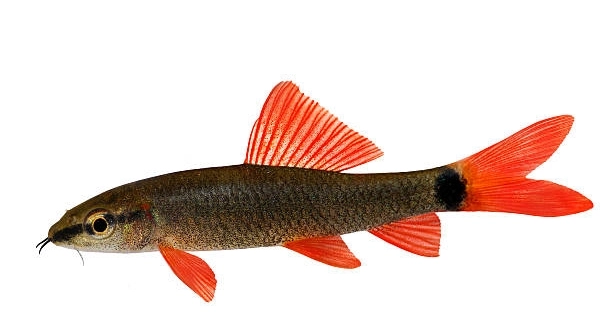
Is your rainbow shark spending too much time resting at the bottom instead of actively swimming around the tank like usual?
A rainbow shark that stops swimming may be stressed, sick, or reacting to environmental issues like poor water quality or aggressive tankmates. Identifying the cause early allows for timely intervention and supports the fish’s recovery.
From tank setup to diet changes, there are several simple ways to help your rainbow shark feel safe, healthy, and more active.
Check Water Conditions First
Start by checking the tank’s water parameters. Rainbow sharks need clean, well-maintained water to stay active. Poor water quality can stress them out or make them sick, leading to lethargy. Use a test kit to monitor ammonia, nitrite, nitrate, and pH levels regularly. Keep the temperature between 75–81°F and make sure your filter is running efficiently. Do a partial water change weekly to keep things balanced. Even small imbalances can affect your shark’s behavior. If you notice your fish staying in one spot or hiding often, test the water immediately and adjust as needed. This is often the first step to seeing improvement.
Unstable or poor water conditions are one of the most common reasons rainbow sharks stop swimming actively.
After adjusting the water, monitor your shark for a few days. If it starts moving more, you’ve likely addressed a key issue. If not, there may be another reason behind the behavior.
Reduce Tank Aggression
Aggressive tankmates can cause your rainbow shark to hide and avoid swimming altogether.
Rainbow sharks can be territorial, especially in smaller tanks or when sharing space with other bottom dwellers. If your shark is being bullied or constantly challenged, it may feel unsafe. Watch closely for signs like torn fins, frequent hiding, or sudden dashes across the tank. Move aggressive fish to a different tank or rearrange decorations to break up territories. Sometimes adding more hiding spots helps reduce tension. A minimum tank size of 55 gallons also gives fish more space to avoid each other. Always be cautious when introducing new fish. Compatibility matters more than quantity, and keeping the environment calm is important for your shark’s activity level. Reducing stress caused by aggression can lead to a noticeable improvement in swimming behavior. Keep the tank peaceful, and your rainbow shark will feel more confident moving around.
Adjust the Tank Setup
A cramped or poorly arranged tank can make your rainbow shark feel stressed or unsafe, reducing its activity. They need open swimming areas, hiding spots, and a layout that mimics their natural habitat.
Use caves, rocks, and plants to create shaded hiding areas while keeping the center of the tank open for movement. Avoid overcrowding the space with decorations or too many tankmates. Rainbow sharks are territorial and need room to patrol their zone. Rearranging the layout can also break established territories and reduce stress. Keep lighting moderate and provide a consistent day-night cycle using a timer. If your tank has too much bright light or sudden changes in lighting, your shark may stay hidden more often. Creating a calm, balanced layout with space to explore and hide will make your fish feel safer and more willing to swim out in the open.
Check your substrate too. Sharp gravel can injure their fins or belly and cause discomfort when swimming near the bottom. Use smooth pebbles or fine sand to avoid these problems. Also, ensure your filter doesn’t create a strong current that’s too hard for your shark to handle. While they like some movement, overpowering flow can discourage swimming. A well-balanced tank setup is key for healthy, active behavior.
Monitor Feeding and Diet
Poor nutrition or overfeeding can affect your rainbow shark’s behavior and energy levels. An unbalanced diet can lead to sluggishness, digestive issues, and overall stress. Feeding too much or too often may cause the fish to become inactive.
Offer a variety of high-quality sinking pellets, along with occasional treats like blanched vegetables and protein-rich snacks such as bloodworms or brine shrimp. Feed only once or twice daily, giving just enough food that can be consumed in two minutes. Remove uneaten food to prevent water pollution. If your shark seems disinterested in food or eats less than usual, this could signal stress or illness. You can try soaking dry pellets in tank water for a few minutes to make them easier to eat. Ensuring your rainbow shark gets the right nutrition in proper portions can improve its health and increase its energy levels, encouraging more frequent swimming and interaction.
Rule Out Illness
Watch for signs like faded color, clamped fins, or labored breathing. These symptoms can point to illness, which may explain the lack of swimming. Isolate the fish if needed and seek help from an aquatic vet or pet store specialist.
Treatments vary depending on the issue. Bacterial infections, parasites, or internal problems can make your shark feel weak or uncomfortable. Use aquarium salt or medication if needed, but always research before starting treatment. A healthy shark is much more active and alert in its environment.
Check for Nighttime Activity
Rainbow sharks are often more active at night or when the tank is dimly lit. If you only observe during bright hours, you may miss periods of movement. Try watching the tank during quieter, low-light times to better understand their true behavior.
Provide Mental Stimulation
Boredom can also cause a rainbow shark to become inactive. Add new decorations, rearrange tank items, or switch up feeding spots to create a more engaging space. Small changes like these can make the environment feel fresh and encourage natural behaviors.
FAQ
Why is my rainbow shark hiding all the time?
Rainbow sharks tend to hide when they’re stressed or feel unsafe. Common causes include aggressive tankmates, poor water quality, sudden environmental changes, or an overcrowded tank. They also enjoy having a place to retreat and will naturally use caves and shaded spots. If the hiding is constant, check for stress triggers like bullying or strong water flow. Make sure the tank has enough space and hiding places to make your fish feel secure. Once conditions improve, your shark may become more confident and start swimming out more often.
Can a rainbow shark get lonely?
No, rainbow sharks are not social fish and don’t require companionship. In fact, keeping more than one in the same tank usually causes aggression. They are territorial by nature and prefer to live alone or with peaceful species that don’t compete for the same space. If your shark is inactive, it’s not due to loneliness. Instead, consider checking the tank environment, water parameters, and feeding routine. Improving their surroundings and reducing stress is more beneficial than adding other fish for company.
How can I tell if my rainbow shark is stressed?
Signs of stress include faded colors, erratic swimming, hiding, loss of appetite, and staying near the bottom of the tank. Aggressive behavior toward or from other fish can also signal stress. Stress can be caused by poor water quality, improper tank setup, or a lack of hiding spots. To reduce stress, keep the water clean, maintain stable temperatures, and avoid overcrowding. Make gradual changes to the tank, and never shock the fish with sudden movements or loud noises. Reducing stress improves both behavior and long-term health.
What size tank does a rainbow shark need?
A single rainbow shark needs a minimum of 55 gallons to thrive. They are territorial and like to swim across the tank, so space matters. Smaller tanks often lead to stress, aggression, and health problems. If the tank is too small, your shark may stay in one area or refuse to swim. A long tank layout works best, giving them room to explore horizontally. Adding hiding spots like caves and plants can help, but open swimming space is just as important for healthy behavior.
Is it normal for rainbow sharks to rest at the bottom?
Occasional resting is normal, especially after feeding or during inactive hours. However, if your rainbow shark stays at the bottom most of the time, it may indicate stress, poor water conditions, or illness. Check the tank’s parameters and observe for signs like labored breathing, loss of color, or disinterest in food. If everything looks normal and the shark occasionally swims around, it may just be resting. But if the behavior continues, take steps to rule out other causes.
Do rainbow sharks need light?
Yes, they need a regular light cycle, usually 8–12 hours of light per day, to stay healthy. Use a timer for consistency. However, avoid overly bright lighting, which can make them feel exposed. Soft, natural lighting helps keep their stress levels low. If your shark hides more under bright lights, consider dimming the setup or adding floating plants to diffuse the light. They don’t need darkness all the time, but a balanced cycle is essential for proper behavior and health.
Can rainbow sharks become inactive from boredom?
Yes, mental stimulation plays a role in fish behavior. A tank that never changes or lacks variety can lead to inactivity. Try rearranging decorations, adding new hiding spots, or changing feeding routines. Small adjustments can make a big difference and spark more curiosity and movement. These fish are territorial, but they still enjoy exploring their environment. Just avoid overcrowding or frequent changes that may cause stress. Striking the right balance can help keep your shark active and engaged.
Final Thoughts
Keeping your rainbow shark active and healthy starts with understanding their needs. If your fish isn’t swimming much, there’s usually a reason behind it. Water quality, tank size, diet, tankmates, and stress levels all play an important role. Checking each of these factors can help you figure out what’s wrong and what changes are needed. Even small adjustments like rearranging the tank or improving filtration can make a noticeable difference. These fish are sensitive to their environment, so creating the right setup is key. Give them space, clean water, and a calm atmosphere, and you’re more likely to see normal, active behavior return.
It’s also helpful to spend time watching your rainbow shark. Every fish has its own habits, and getting to know those patterns will make it easier to spot changes early. Don’t panic if your shark hides now and then or seems less active for a short time. Look at the full picture: is it eating well, swimming comfortably when it does move, and showing no signs of illness? These clues help you know whether action is needed or if the behavior is temporary. If your shark’s behavior doesn’t improve after adjusting key conditions, it’s always a good idea to speak with an aquatic expert for further guidance.
Caring for rainbow sharks takes patience and attention to detail. They may be more territorial than other fish, but with the right care, they can be active and interesting to watch. Keeping them comfortable is about more than just food and shelter—it’s about balance. Balanced lighting, water conditions, tank layout, and social surroundings all work together to support their health. As long as you stay consistent with care and remain observant, your rainbow shark can thrive in your aquarium. Small actions, done regularly, go a long way in keeping your fish healthy and happy.

Hello,
If you enjoy the content that we create, please consider saying a "Thank You!" by leaving a tip.
Every little bit helps us continue crafting quality advice that supports the health, happiness, and well-being of pets around the world, for pets of all shapes, sizes, and species.
We really appreciate the kindness and support that you show us!