
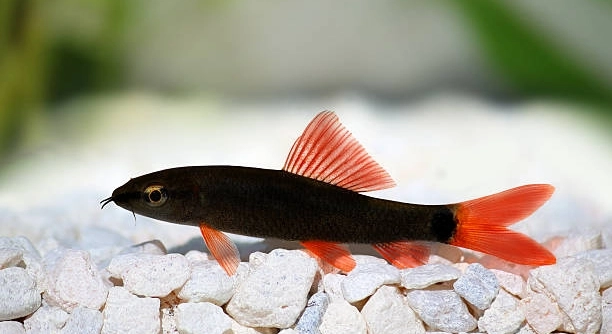
Are your rainbow sharks not breeding despite your efforts to create the ideal environment? This can be a frustrating problem for many aquarium enthusiasts who want to see healthy fry. Understanding the causes can help improve breeding success.
Rainbow sharks often fail to breed due to factors such as inadequate tank conditions, poor diet, stress, or incompatible tank mates. Addressing water quality, providing proper nutrition, and creating a calm environment are essential for encouraging reproduction.
These key fixes will help improve your rainbow shark’s chances of breeding and maintaining a healthy aquarium community.
Improving Water Quality for Breeding
Maintaining clean water is critical for encouraging your rainbow shark to breed. These fish are sensitive to poor water conditions, which can prevent spawning behavior. Regular water changes help keep ammonia, nitrite, and nitrate levels low, which reduces stress on the fish. A good filter system is essential to keep the water clear and oxygenated. Testing the water parameters often will help you spot any issues early. The ideal water temperature for breeding is between 75 and 82°F (24–28°C), and the pH should be around 6.5 to 7.0. Keeping stable conditions without sudden changes supports their health and readiness to breed. Make sure the tank is spacious enough, as overcrowding can also cause stress. A well-maintained tank with clean water creates the right environment for your rainbow shark to feel safe and comfortable to breed.
Keeping water clean and stable supports your fish’s health and breeding ability. Frequent monitoring is necessary for success.
Creating a routine for water maintenance and monitoring parameters can greatly improve breeding outcomes. Make sure to perform weekly water changes of 20-30 percent. Use a reliable test kit to measure ammonia, nitrite, nitrate, pH, and temperature. Avoid using harsh chemicals that could harm the fish. Additionally, consider adding live plants to improve water quality naturally. They absorb nitrates and provide hiding spots, reducing stress. Keeping the tank environment stable and clean over time encourages natural breeding behavior and healthier fry.
Providing Proper Nutrition
Rainbow sharks need a balanced diet rich in proteins and vitamins to support breeding. Feeding them high-quality pellets, frozen or live foods like bloodworms and brine shrimp helps maintain their health. Avoid overfeeding, as leftover food can foul the water and cause health problems. Including a variety of foods ensures the fish get all necessary nutrients. Nutritional deficiencies can weaken their immune system and reduce breeding readiness. Feeding small amounts two to three times daily works best. A well-fed rainbow shark will have more energy and better chances of spawning successfully. Consistency in feeding routines also helps reduce stress and creates a stable environment for breeding.
A balanced diet with proper feeding encourages reproductive health and vitality in rainbow sharks.
Ensuring your rainbow sharks receive varied and nutritious food is essential. Protein-rich foods stimulate breeding behavior and improve overall health. Consider supplementing their diet with vegetables like blanched zucchini or peas for fiber. Avoid foods with fillers or low nutritional value. Regular feeding times help maintain their natural rhythm. Monitoring their weight and behavior can indicate if adjustments are needed. Healthy nutrition directly impacts their reproductive system and fry development, making this an important factor to control for successful breeding.
Reducing Stress in the Aquarium
Stress prevents rainbow sharks from breeding, so minimizing it is essential. Loud noises, sudden movements, and aggressive tank mates can all cause stress. Creating a calm and stable environment helps.
Stress weakens immune systems and disrupts natural behaviors. Avoid overcrowding the tank and keep decorations or hiding spots for security. Position the aquarium away from busy areas or loud sounds. Sudden changes in water temperature or quality increase stress levels. Introducing compatible tank mates is key, as aggressive fish can intimidate rainbow sharks. A peaceful, well-structured tank encourages breeding activity by allowing fish to feel safe and comfortable in their environment.
Using dim lighting and gentle water flow also reduces stress. Regular observation can help detect early signs of stress, allowing timely intervention. Calm fish have higher chances of spawning and successfully raising fry.
Choosing Compatible Tank Mates
Tank mates affect breeding success. Aggressive or overly active species can disturb rainbow sharks and prevent spawning. Select peaceful fish that share similar water requirements.
Choosing the right tank mates helps maintain a stable environment. Avoid species that compete aggressively for food or territory. Ideal companions include small, non-aggressive schooling fish like tetras or rasboras. These fish do not harass rainbow sharks, allowing them space to breed. Introducing too many fish at once or mixing incompatible species increases stress and competition, which lowers breeding chances. Monitor interactions regularly and separate any aggressive individuals immediately. A harmonious community promotes natural behaviors and reduces conflicts.
Balancing tank population density is also important. Too many fish create competition, while too few can affect water quality balance. Careful selection and monitoring support successful breeding.
Providing Proper Breeding Sites
Rainbow sharks need suitable places to lay eggs. Flat rocks, broad leaves, or spawning mops work well. Without proper sites, they may not breed.
These surfaces offer safe, secure spots for eggs. Ensure the breeding area is clean and free of strong currents that could disturb the eggs.
Monitoring Water Parameters Closely
Consistently stable water conditions are essential for breeding. Parameters like temperature, pH, and hardness must be within ideal ranges to promote spawning. Sudden fluctuations can halt breeding behavior.
Separating Breeding Pairs
Separating pairs during breeding reduces stress from other fish. It also prevents egg predation, giving fry a better chance to survive.
FAQ
Why is my rainbow shark not showing any breeding behavior?
Breeding behavior may be absent due to stress, poor water quality, or lack of proper breeding sites. Rainbow sharks require stable conditions and safe places to spawn. If the tank environment changes suddenly or lacks hiding spots, they often stop showing signs of breeding.
How often should I change the water to encourage breeding?
Regular water changes of about 20-30 percent weekly help keep water parameters stable and reduce toxins. Clean water lowers stress and supports healthy fish, making breeding more likely.
What temperature is best for rainbow shark breeding?
The ideal temperature range is between 75°F and 82°F (24°C to 28°C). Temperatures outside this range can inhibit spawning or cause stress.
Can diet affect breeding success?
Yes, a nutritious diet rich in proteins and vitamins is necessary. Feeding high-quality pellets, live or frozen foods like bloodworms and brine shrimp boosts their health and breeding readiness.
Is tank size important for breeding?
Yes, a tank size of at least 30 gallons is recommended to provide enough space. Overcrowding causes stress and reduces breeding chances.
Do rainbow sharks need specific tank mates to breed?
Peaceful and non-aggressive tank mates are best. Aggressive fish or species competing for territory stress rainbow sharks and can prevent spawning.
How do I reduce stress for breeding rainbow sharks?
Keep the tank environment calm by minimizing loud noises, sudden movements, and overcrowding. Provide hiding spots and stable water parameters to reduce stress.
Should I separate breeding pairs?
Separating pairs during breeding reduces competition and aggression. It also protects eggs from being eaten by other fish.
What kind of breeding sites should I provide?
Flat rocks, broad-leafed plants, or spawning mops give suitable places for egg laying. Clean and secure sites encourage spawning.
How long does it take for rainbow shark eggs to hatch?
Eggs typically hatch in 2 to 4 days, depending on temperature and water conditions.
Can poor water quality cause breeding failure?
Yes, high levels of ammonia, nitrite, or nitrate cause stress and may prevent spawning altogether.
How do I know if my rainbow shark is healthy enough to breed?
Healthy fish are active, have bright coloration, and show interest in breeding sites. Poor appetite or lethargy indicate health issues.
Can breeding be triggered by changing the water temperature?
Gradually raising the water temperature within the ideal range can simulate seasonal changes and encourage spawning.
Are live plants necessary for breeding?
Live plants help improve water quality and provide hiding places, which reduce stress and support breeding behavior.
What should I do if eggs get eaten?
Remove eggs promptly to a separate tank or breeding box to protect them. If you cannot isolate eggs, try to reduce aggressive tank mates.
Is it normal for rainbow sharks to breed only during certain times?
Yes, they often breed in response to seasonal cues or environmental changes. Providing stable conditions year-round may not always trigger spawning.
Can overfeeding affect breeding?
Overfeeding leads to poor water quality and increased waste, which stresses fish and reduces breeding chances.
How many eggs can a rainbow shark lay?
They typically lay between 100 and 1,000 eggs, depending on age, size, and health.
Do rainbow sharks require specific lighting for breeding?
Moderate lighting with a regular day-night cycle helps maintain natural rhythms. Avoid overly bright or constant light to reduce stress.
What is the best way to care for the fry?
Feed fry with infusoria or commercially available fry food. Keep water clean and avoid strong currents for better survival.
Breeding rainbow sharks can sometimes be a challenging task, but understanding their needs makes a big difference. Creating the right environment is the first step. Clean, stable water with the proper temperature and pH supports their health and encourages spawning behavior. Providing a spacious tank with hiding places and suitable surfaces for egg laying also helps. These conditions reduce stress, which is often the main reason for breeding difficulties.
Nutrition plays an important role in preparing rainbow sharks for breeding. Feeding them a balanced diet that includes high-quality pellets, live foods, and occasional vegetables strengthens their immune system and boosts their energy. Overfeeding or poor diet can negatively affect water quality and fish health, so moderation and variety are key. Keeping feeding schedules consistent helps maintain their natural rhythm and readiness to reproduce.
Lastly, choosing compatible tank mates and monitoring the fish regularly supports a peaceful environment needed for breeding. Aggressive or overly active fish can stress rainbow sharks and interrupt spawning. If possible, separating breeding pairs reduces competition and protects eggs from predation. Paying attention to small details, like water changes and hiding spots, can increase your success. With patience and care, breeding rainbow sharks is achievable and rewarding for any fish keeper.

Hello,
If you enjoy the content that we create, please consider saying a "Thank You!" by leaving a tip.
Every little bit helps us continue crafting quality advice that supports the health, happiness, and well-being of pets around the world, for pets of all shapes, sizes, and species.
We really appreciate the kindness and support that you show us!