
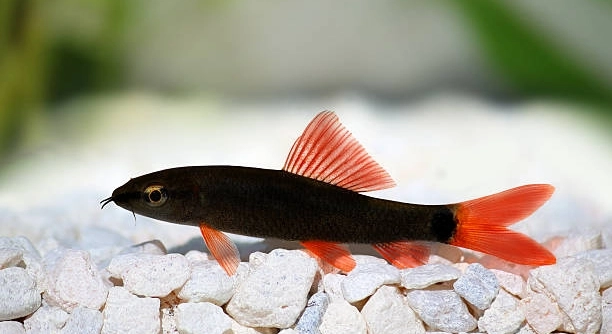
Many fish owners enjoy keeping rainbow sharks for their lively colors and peaceful nature. Sometimes, these fish may stop eating as much as usual. This can be worrying but is a common issue that can be fixed.
Loss of appetite in rainbow sharks can result from various factors including poor water quality, stress, illness, or improper diet. Identifying and addressing these causes promptly helps restore normal feeding behavior and supports the fish’s overall health.
This article offers practical solutions to help your rainbow shark regain its appetite and maintain a healthy, active life in your aquarium.
Check Water Quality and Parameters
Poor water quality is often the main reason a rainbow shark loses its appetite. These fish need clean water with stable conditions to stay healthy. High levels of ammonia, nitrites, or nitrates can stress the fish and reduce its desire to eat. Temperature also plays a big role; rainbow sharks prefer water between 75°F and 79°F. Testing the water regularly with a reliable kit is important. If any readings are off, take immediate steps to correct them by performing water changes or adjusting the filtration system. Keeping the tank clean and maintaining good water conditions helps prevent health issues and encourages normal feeding habits.
Regular water tests and partial water changes every week will keep your tank safe. Avoid sudden changes in temperature or water chemistry, which can stress your rainbow shark.
Maintaining proper water quality involves consistent monitoring and quick action when problems appear. Frequent partial water changes remove toxins and refresh minerals, helping fish feel comfortable. Avoid overfeeding as leftover food decomposes and worsens water conditions. Proper filtration and aeration also support oxygen levels. A healthy environment leads to healthier fish that eat well and stay active.
Reduce Stress Factors
Stress can cause your rainbow shark to stop eating, especially when it feels threatened or uncomfortable in its environment. Stressors include overcrowding, aggressive tank mates, sudden changes in the tank setup, or too much noise and movement around the aquarium. Providing hiding places like caves or plants helps the fish feel secure. Keeping the tank environment stable and quiet reduces stress and encourages your rainbow shark to eat regularly.
Observe your tank for any signs of bullying or overcrowding and rearrange if needed.
To reduce stress, make sure your rainbow shark has enough space to swim freely and places to hide. Avoid keeping aggressive or very active fish that might intimidate it. Introduce changes to the tank slowly to allow your fish to adjust. Consistent lighting schedules and a calm room environment also help reduce stress levels. When your fish feels safe, it is more likely to resume a healthy appetite and thrive in its home.
Improve Diet Variety
Rainbow sharks can become picky if fed the same food repeatedly. Offering a variety of foods can help restore their appetite. Include high-quality pellets, flakes, and live or frozen foods like bloodworms and brine shrimp.
A balanced diet with diverse nutrients supports health and encourages feeding. Live and frozen foods provide stimulation and mimic natural hunting behavior. Rotate between different types of food to keep your fish interested and prevent boredom. Avoid overfeeding, which can cause waste buildup and water issues, further harming appetite. Small, frequent feedings help maintain good eating habits without polluting the tank.
Fresh vegetables like blanched zucchini or spinach can also be introduced. These add fiber and nutrients while promoting activity. Overall, variety keeps your rainbow shark curious about mealtime and supports its well-being.
Monitor for Illness
If your rainbow shark continues to refuse food, illness may be a factor. Watch for signs like clamped fins, lethargy, or unusual spots. These symptoms often indicate infections or parasites.
Early detection is critical. Quarantine the fish if possible and treat with appropriate medication. Poor water quality can weaken immunity, so ensure the tank is clean. Consult a vet or aquarium specialist if unsure. Addressing illness quickly improves recovery chances and helps restore normal eating behavior.
Keep your tank well-maintained to prevent disease. Regular observation allows you to spot problems early before they worsen, protecting your rainbow shark’s health.
Check Tank Size and Space
Rainbow sharks need enough room to swim comfortably. A small or overcrowded tank can cause stress and reduce appetite. Make sure your tank is at least 30 gallons for one rainbow shark.
Overcrowding increases competition for food and territory, leading to aggression and stress. Providing ample space helps your fish feel secure and more willing to eat.
Adjust Lighting and Environment
Strong or constant lighting can stress your rainbow shark and affect its feeding. Use a gentle lighting schedule that mimics natural day and night cycles. Dim lights or shaded areas help create a calm environment.
Avoid Overfeeding
Overfeeding leads to uneaten food, poor water quality, and health problems. Feed small amounts once or twice daily, only what your fish can consume quickly. Proper feeding supports appetite and keeps the tank clean.
FAQ
Why is my rainbow shark not eating but still swimming around?
Sometimes, a rainbow shark may lose interest in food due to stress or mild illness but still remain active. It could be adjusting to new tank conditions or reacting to a recent change, like water parameters or new tank mates. Keep observing for other signs like color fading or hiding to better understand its condition.
How long can a rainbow shark go without eating?
Rainbow sharks can survive for several days without food, usually up to a week, but going longer weakens them. If your fish refuses food for more than three days, it’s important to check water quality and health conditions. Early action prevents serious health problems.
Can water temperature affect my rainbow shark’s appetite?
Yes, water temperature greatly affects feeding habits. Rainbow sharks prefer water between 75°F and 79°F. If the temperature is too low, their metabolism slows down, causing reduced appetite. High temperatures can cause stress and discomfort, also leading to poor feeding. Maintaining stable, ideal temperatures supports good appetite.
Is my rainbow shark stressed if it hides a lot and doesn’t eat?
Hiding often and not eating are common stress signs in rainbow sharks. Stress can come from tankmates, overcrowding, or sudden changes in the environment. Adding hiding spots and ensuring peaceful tankmates can reduce stress. Stable conditions encourage your fish to come out and eat normally again.
What type of food is best to stimulate a picky rainbow shark?
Variety is key. High-quality pellets designed for omnivores, along with live or frozen options like bloodworms, brine shrimp, and daphnia, can attract their interest. Occasionally offering blanched vegetables like zucchini or spinach provides additional nutrients and stimulates natural foraging behavior.
How often should I feed my rainbow shark?
Feeding once or twice a day is ideal. Offer small amounts that your fish can finish in a few minutes to prevent leftover food from polluting the tank. Regular feeding schedules help maintain good appetite and reduce stress.
Can poor water quality cause a loss of appetite in rainbow sharks?
Absolutely. Elevated ammonia, nitrites, or nitrates and irregular pH levels can cause discomfort and sickness, reducing appetite. Regular water testing and partial water changes are essential to maintain a healthy environment and encourage normal eating habits.
Should I separate a sick rainbow shark from other fish?
If your rainbow shark shows illness signs like clamped fins, spots, or lethargy, quarantining it is a good practice. This prevents spreading disease and allows targeted treatment. Use a separate tank with clean, stable conditions and appropriate medication as advised.
Can overcrowding lead to my rainbow shark not eating?
Yes, overcrowding increases competition for food and stress, which can cause a rainbow shark to stop eating. Ensuring enough space—at least 30 gallons per fish—and peaceful tankmates reduces stress and encourages feeding.
Does lighting affect my rainbow shark’s appetite?
Bright, constant lighting can stress rainbow sharks and discourage feeding. Mimicking natural light cycles with moderate lighting and shaded areas helps create a calm environment, making fish feel safe and more likely to eat.
When your rainbow shark stops eating, it can feel worrying. However, most appetite problems have simple solutions. The first step is always to check the water quality. Clean water with stable conditions is essential for any fish’s health. High levels of toxins or sudden changes in temperature and pH can stress your rainbow shark, causing it to lose interest in food. Regular testing and partial water changes will help keep the tank environment safe and comfortable for your fish. This basic care often resolves feeding issues and prevents many common health problems.
Diet also plays a key role in keeping your rainbow shark interested in food. Feeding the same food all the time can make your fish bored or picky. Offering a mix of high-quality pellets, live or frozen foods, and some fresh vegetables provides variety and important nutrients. Feeding small amounts several times a day instead of one large meal can also improve appetite. Overfeeding, on the other hand, leads to leftover food that pollutes the tank and harms water quality. Finding the right balance in diet and feeding schedule helps your fish stay healthy and active.
Stress is another important factor that can cause a rainbow shark to stop eating. Stress can come from overcrowded tanks, aggressive tankmates, sudden changes in the aquarium setup, or even strong lighting. Providing enough space, hiding places, and a calm environment helps your fish feel secure. When your rainbow shark feels safe, it is more likely to eat well and thrive. Observing your fish regularly and addressing any changes in behavior or health early will make a big difference in keeping it happy and healthy in your care.

Hello,
If you enjoy the content that we create, please consider saying a "Thank You!" by leaving a tip.
Every little bit helps us continue crafting quality advice that supports the health, happiness, and well-being of pets around the world, for pets of all shapes, sizes, and species.
We really appreciate the kindness and support that you show us!