
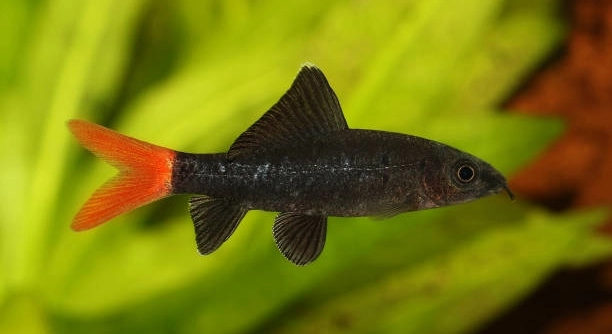
Are your rainbow sharks showing signs of aggression in your aquarium? This behavior can disrupt the harmony in your tank and make caring for your fish stressful. Understanding what causes their aggression is important for a peaceful environment.
Rainbow shark aggression usually results from overcrowding, lack of hiding spaces, or territorial disputes. Providing enough space, proper tank mates, and environmental enrichment reduces stress and limits aggressive behaviors in these fish.
Managing aggression will improve the well-being of your rainbow sharks and create a calmer, healthier tank for all your aquatic pets.
Provide Enough Space in the Tank
Rainbow sharks need plenty of space to swim and establish their own territory. A small or overcrowded tank often causes stress and leads to aggression. Ideally, a single rainbow shark requires at least 30 gallons of water, with additional space for each extra fish. When space is limited, these fish become territorial and may attack others. It is also important to arrange the tank so that each fish can claim its own area. Adding decorations, rocks, or plants can help break the line of sight and reduce aggressive behavior. When the fish feel confined, their natural instincts push them to defend their small space, causing constant fighting.
Larger tanks give rainbow sharks room to avoid conflict and express natural behaviors. Overcrowding should be avoided to keep peace among all tank inhabitants.
When setting up your tank, always consider the size and activity level of your rainbow sharks. A spacious environment will help lower aggression and improve the overall health of your aquarium community.
Create Plenty of Hiding Places
Rainbow sharks need places to hide when feeling threatened or stressed. Providing caves, plants, and decorations helps them escape aggressive interactions and feel secure. Without enough hiding spots, they may become more aggressive as they have no refuge to retreat to. Hiding places also encourage natural behavior, making your tank a more balanced environment. Many aquarists notice that rainbow sharks with good cover are calmer and less likely to chase other fish. These safe spaces reduce stress and territorial disputes.
Use natural or artificial plants, tunnels, and rocks to create multiple shelters throughout the tank.
Setting up a tank with various hiding spots benefits all fish by lowering stress levels. It also breaks up the line of sight, reducing constant confrontations. When rainbow sharks have a place to retreat, they are less likely to attack others or act out of fear. This simple step is one of the most effective ways to prevent aggressive behaviors in your aquarium. Regularly rearranging decorations can keep your fish curious and engaged, further easing tensions.
Choose Compatible Tank Mates
Rainbow sharks do best with peaceful, non-aggressive fish. Avoid housing them with other territorial or aggressive species that might trigger fights. Small, fast-moving fish or bottom dwellers are usually safer companions. Proper tank mates help keep the environment calm and balanced.
Choosing the right tank mates reduces competition and aggression. Rainbow sharks can become territorial if they feel threatened or crowded by other dominant fish. Fish like danios, tetras, and peaceful catfish often coexist well with rainbow sharks. Avoid slow-moving or long-finned fish that may attract unwanted attention or provoke chasing. Observing your fish’s behavior regularly helps spot problems early, so you can separate or rehome incompatible species before fights escalate.
Balancing the tank with compatible fish promotes peace and keeps your rainbow shark less stressed. It also improves the overall health of the aquarium by minimizing injuries and stress-related illnesses.
Maintain Proper Water Conditions
Stable water conditions are critical for rainbow shark health and behavior. Frequent fluctuations in temperature, pH, or ammonia levels increase stress and trigger aggression. Regular water testing and maintenance keep conditions ideal. Rainbow sharks prefer temperatures between 74-79°F and a pH around 6.5-7.5.
Stress caused by poor water quality often leads to unpredictable behavior. High ammonia or nitrite levels irritate fish and lower their immune response, making aggression more likely. Clean water supports normal behavior and vibrant coloration. Regular partial water changes, proper filtration, and avoiding overcrowding all contribute to maintaining good water quality. Testing kits help catch issues early before they affect your fish.
Keeping water conditions steady creates a healthier, more peaceful environment. This simple step can greatly reduce aggression and improve your rainbow shark’s well-being.
Feed a Balanced Diet
Rainbow sharks need a varied diet to stay healthy and calm. Feeding them high-quality flakes, pellets, and occasional live or frozen foods helps meet their nutritional needs. Poor nutrition can increase stress and aggression.
Consistent feeding times prevent competition and reduce food-related fights. Avoid overfeeding, which can pollute the tank and upset your fish.
Avoid Overcrowding
Too many fish in one tank increases stress and competition for space. Overcrowding often causes rainbow sharks to become aggressive. Ensuring the right fish-to-water ratio helps maintain harmony.
A spacious tank allows your fish to establish territories without constant conflict. Monitor tank population regularly and adjust as needed to keep aggression low.
Use Tank Dividers if Needed
If aggression persists despite other efforts, tank dividers can separate aggressive individuals safely. Dividers prevent direct contact while allowing fish to see each other.
This method helps reduce stress and injuries. It can be a temporary or long-term solution depending on your tank setup and fish behavior.
Why are my rainbow sharks so aggressive?
Rainbow sharks can be aggressive mainly due to territorial instincts. They naturally claim a space and defend it from others, especially in small or crowded tanks. Lack of hiding places, poor water conditions, or incompatible tank mates can increase their stress and aggression. Providing enough room and suitable environment often reduces this behavior.
How much space do rainbow sharks need?
Each rainbow shark requires at least 30 gallons of water to thrive comfortably. More space is needed if you keep multiple rainbow sharks or other fish. A larger tank helps reduce territorial disputes and gives each fish room to swim freely, which lowers aggression.
Can rainbow sharks live peacefully with other fish?
Yes, but only with compatible tank mates. Peaceful, fast-swimming fish like tetras, danios, and some catfish usually coexist well. Avoid keeping them with other aggressive or slow-moving species that may provoke fighting. Monitoring your fish’s behavior regularly helps maintain a peaceful tank.
What tank mates should I avoid with rainbow sharks?
Avoid housing rainbow sharks with other territorial or aggressive species such as certain cichlids or large barbs. Slow-moving or long-finned fish are also at risk because rainbow sharks might chase or nip at them. Proper selection of tank mates prevents unnecessary stress and injuries.
How often should I feed my rainbow shark?
Feed your rainbow shark once or twice daily with a balanced diet. Use high-quality flakes or pellets and supplement with live or frozen foods like bloodworms or brine shrimp. Overfeeding can pollute the tank and cause health problems, so stick to small, manageable portions.
What water conditions do rainbow sharks need?
Rainbow sharks prefer stable temperatures between 74-79°F (23-26°C) and a pH level around 6.5 to 7.5. Clean water is essential, so regular water changes and good filtration are necessary. Sudden changes in water quality can stress the fish and increase aggression.
How do hiding places affect rainbow shark behavior?
Hiding places provide safety and reduce stress. When rainbow sharks have caves, plants, or decorations to retreat to, they feel secure and less likely to act aggressively. Lack of hiding spots often causes continuous chasing and fights.
What should I do if aggression continues despite changes?
If aggression persists, consider using tank dividers to separate aggressive individuals. Dividers allow fish to see each other but prevent physical contact and injuries. Sometimes, rehoming overly aggressive fish is necessary to protect the rest of the tank.
Can overcrowding cause rainbow shark fights?
Yes, overcrowding increases competition for space and resources, which often leads to aggression. Keeping an appropriate fish-to-water ratio is important to maintain a peaceful environment. Regularly check your tank population and make adjustments as needed.
Are rainbow sharks aggressive during breeding?
Rainbow sharks can become more territorial and aggressive during breeding periods. Males especially guard their chosen spawning sites. Providing extra hiding spaces and a spacious tank helps reduce conflicts during this time.
How can I tell if my rainbow shark is stressed?
Signs of stress include hiding more than usual, loss of color, rapid breathing, or constant chasing of other fish. Stress often leads to aggression or illness. Maintaining stable water conditions, proper diet, and adequate space helps keep your fish calm and healthy.
Is it normal for rainbow sharks to nip fins?
Rainbow sharks sometimes nip at fins to assert dominance or defend territory. While some fin-nipping is natural, excessive behavior indicates stress or poor tank conditions. Improving environment and reducing crowding usually decrease this behavior.
How often should I clean my tank to reduce aggression?
Regular partial water changes, ideally 20-30% weekly, maintain water quality and reduce stress-related aggression. Clean filters and remove uneaten food to prevent toxins buildup. A clean tank supports healthier, less aggressive fish.
Can rearranging tank decorations help with aggression?
Yes, rearranging plants, rocks, or decorations can break territorial boundaries and reduce fights. Changing the layout forces fish to explore new areas and establish new territories, which can lower ongoing conflicts.
What role does diet play in aggression?
A balanced diet keeps rainbow sharks healthy and less irritable. Poor nutrition causes stress, which increases aggression. Feeding high-quality, varied foods supports their immune system and behavior. Avoid overfeeding, which can cause water pollution and health issues.
Should I separate aggressive rainbow sharks permanently?
Permanent separation is sometimes necessary for overly aggressive individuals. Tank dividers or separate tanks prevent injuries and stress for all fish. Monitor behavior closely to decide when separation is the best solution for tank harmony.
Managing aggression in rainbow sharks requires understanding their natural behavior and providing a suitable environment. These fish are territorial by nature, so giving them enough space is essential. A tank that is too small or crowded will make them stressed and more likely to fight. By ensuring your aquarium is large enough and not overcrowded, you help reduce tension and make your rainbow sharks feel more comfortable. It is also important to add hiding places like plants, caves, and decorations. These shelters give the fish places to retreat when they feel threatened, which lowers their need to act aggressively.
Water quality plays a big role in keeping rainbow sharks calm and healthy. Stable water conditions with proper temperature, pH, and cleanliness are necessary. Poor water quality stresses fish and often triggers aggressive behavior. Regular testing and maintenance, like water changes and cleaning the filter, help maintain the right environment. Feeding your rainbow sharks a balanced diet also supports their health and reduces irritability. Overfeeding or poor nutrition can lead to stress, which may increase fights in the tank. Feeding small amounts consistently and offering varied food keeps your fish satisfied.
Sometimes, despite all efforts, aggression may continue. In those cases, using tank dividers or separating aggressive individuals may be necessary to protect all the fish. Choosing compatible tank mates is also important to prevent conflicts. Peaceful fish that don’t compete for the same space or food work best with rainbow sharks. Managing aggression is about creating balance in the tank through space, environment, and proper care. With patience and attention to their needs, you can enjoy a peaceful and healthy aquarium for your rainbow sharks and other fish.

Hello,
If you enjoy the content that we create, please consider saying a "Thank You!" by leaving a tip.
Every little bit helps us continue crafting quality advice that supports the health, happiness, and well-being of pets around the world, for pets of all shapes, sizes, and species.
We really appreciate the kindness and support that you show us!