
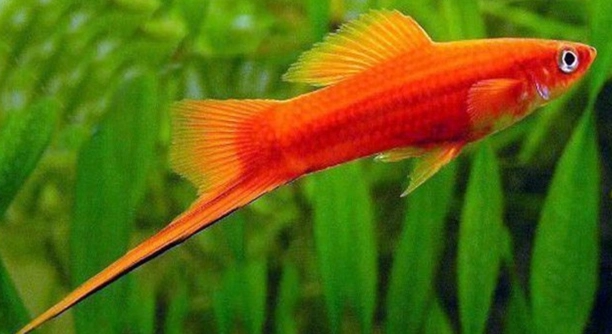
Swordtails are colorful and energetic fish that make great additions to many aquariums. However, they can be tricky when it comes to choosing tank mates. Some fish may not be compatible with them.
Certain fish should not be housed with swordtails due to differences in temperament, size, and environmental needs. Aggressive or fin-nipping species may harm swordtails, while some species may not thrive in similar water conditions.
Knowing which fish to avoid will help you create a peaceful, balanced tank. Keeping swordtails safe and comfortable requires a little research on compatible species.
Fish That Are Too Aggressive for Swordtails
Swordtails are peaceful by nature and can’t handle overly aggressive tank mates. Larger, more dominant fish might bully them, causing stress and even injury. Fish like cichlids and larger bettas often show territorial behaviors that may not be suitable for a peaceful aquarium.
Aggressive fish could attack swordtails and disrupt the tank’s balance. Swordtails need a calm, stress-free environment to thrive.
Fish like the jaguar cichlid or the convict cichlid tend to be aggressive. These species have territorial instincts and won’t hesitate to chase or bite swordtails. This can leave swordtails stressed, unhealthy, or even injured. In addition, these fish may eat smaller fish or damage the delicate fins of swordtails. If you’re considering adding cichlids or any large, aggressive species to your tank, it’s best to rethink their compatibility with swordtails. Ensuring your tankmates are peaceful will allow your swordtails to feel secure and maintain their vibrant colors.
Fish That Nip at Swordtails’ Fins
Some fish have a tendency to nip at the fins of other species, which can be particularly harmful to swordtails.
Species like tetras, although usually peaceful, may develop fin-nipping behavior, especially if they’re housed with smaller or slower-moving fish like swordtails. Swordtails are known for their long, beautiful tails, which attract such attention. This behavior is more common in fish that get bored or are not kept in the right group size. This problem is often seen in species like tiger barbs. Tiger barbs tend to nip at the fins of other fish, particularly those with long, flowing tails like swordtails. While they can live peacefully with other species, their natural behavior of fin-nipping can be stressful and even harmful to swordtails. To prevent this, always keep species that are known for fin-nipping with other fast-moving, robust fish.
Large Fish That Could Eat Swordtails
Larger fish, especially carnivores, may see swordtails as a snack. Swordtails are relatively small, making them easy targets for predatory species.
Fish like piranhas or large catfish pose a threat. These species have powerful jaws and will try to eat any smaller fish in the tank. Even if a fish appears calm, its natural hunting instincts can take over. A large fish might also bully swordtails, causing them to hide, leading to stress. While it’s tempting to keep a variety of species in the tank, ensuring that none of the tank mates are large enough to threaten swordtails is key to their safety.
For example, the red-tailed catfish grows large enough to pose a danger to any smaller fish. Even peaceful species like the Oscar, which might not actively hunt swordtails, can injure them by bumping into them. In a small tank, these fish could outcompete swordtails for food and space. It’s important to keep swordtails with fish that are similar in size to prevent them from becoming stressed or harmed.
Fish That Prefer Different Water Conditions
Swordtails prefer a specific range of water conditions. Fish that thrive in different water parameters may cause problems when housed together.
For example, species from brackish or saltwater environments won’t do well in the same tank as swordtails. Swordtails prefer slightly alkaline water, with temperatures around 72–82°F. Some fish need different salinity levels or have higher temperature requirements, which could make it harder for swordtails to thrive.
If you try to mix swordtails with fish like freshwater eels or saltwater species, the differences in water conditions can lead to health issues. Saltwater fish, such as damselfish, can’t live in freshwater and may cause changes in the tank’s environment, leading to stress for swordtails. To ensure the health of all fish, it’s vital to select tank mates that share the same water preferences. Keeping swordtails with species that have similar needs is essential to creating a stable, healthy environment.
Fish That Are Too Fast for Swordtails
Swordtails are not the fastest swimmers. If you add quicker fish to the tank, swordtails may struggle to compete for food and space.
Species like danios or guppies are much faster and may dominate the tank. The speed difference can make swordtails feel stressed or overshadowed. These fast fish will eat before swordtails have a chance to grab food. Over time, this can cause swordtails to lose weight or become unhealthy.
When adding fast fish to a tank with swordtails, be mindful of the balance. Ensuring that all species have an equal opportunity to thrive is key. A tank with fast and slow-moving fish needs careful management to avoid stress.
Fish That Are Too Territorial
Some fish are territorial and may not tolerate the presence of other species.
Territorial fish like certain types of cichlids and bettas may claim space in the tank, pushing swordtails into smaller areas. Swordtails prefer peaceful environments and could become stressed if forced to stay in one corner of the tank.
When choosing tank mates for swordtails, avoid species known for being territorial. Swordtails thrive best when they have space to swim freely. Adding territorial fish can cause constant conflict, making it difficult for your swordtails to live happily.
Fish That Are Too Shy or Timid
Some fish are shy or timid and may not interact well with more active swordtails.
Shy fish like the neon tetra can be easily intimidated by swordtails’ energetic behavior. If swordtails are too active or assertive, timid species may retreat into hiding, which prevents both types of fish from enjoying the full space of the tank.
It’s important to find a balance between species that are active and those that are more reserved. If shy fish are overwhelmed, it can affect their health, and swordtails won’t have the peaceful environment they need. Keep in mind the behavior of each species when designing your tank setup.
FAQ
What are the best tank mates for swordtails?
Swordtails are peaceful and do well with other non-aggressive fish. Good tank mates include mollies, platies, guppies, and smaller tetras like neon tetras. They also pair well with peaceful bottom dwellers like Corydoras catfish and shrimp. When selecting tank mates, it’s important to keep species with similar water requirements and temperaments. Fish that are too aggressive or too shy should be avoided to ensure swordtails thrive. If you’re looking for peaceful tank dynamics, stick to species that are calm and not overly territorial.
Can swordtails live with goldfish?
Swordtails and goldfish have different water temperature requirements. Goldfish need cooler water, while swordtails thrive in warmer temperatures, around 72–82°F. Keeping them together can lead to health issues for either species. Swordtails might get stressed in cooler conditions, while goldfish may struggle in warmer water. If you’re committed to both species, it’s best to keep them in separate tanks to maintain proper water parameters for each.
Are swordtails aggressive?
Swordtails are generally peaceful fish. They can get a bit territorial during breeding, especially the males, but they are not aggressive toward other species. Males may chase other males during mating, but this behavior is usually not harmful. Swordtails are best housed with calm, peaceful species. However, their fins may be nipped by more aggressive or fin-nipping species. It’s important to watch for any signs of aggression, but overall, swordtails are easygoing and adapt well to community tanks.
Can swordtails live with bettas?
It’s not recommended to house swordtails with bettas. While swordtails are peaceful, male bettas can be very aggressive, especially toward fish with long, colorful fins like swordtails. A male betta may view the swordtail’s tail as a threat or competition and will likely attack it. Female bettas are generally more peaceful but still might show signs of aggression. If you want swordtails and bettas, separate tanks are the safest option to avoid stress and injury.
Do swordtails need a lot of space?
Swordtails do need enough space to swim around comfortably. A 20-gallon tank is the minimum size for a small group of swordtails. They are active swimmers and need room to explore. Overcrowding can lead to stress, which affects their health and behavior. A larger tank will not only benefit your swordtails but also allow for a better community setup with other peaceful species. Providing plenty of open swimming space and plants for hiding is key to a balanced aquarium.
Are swordtails easy to breed?
Yes, swordtails are relatively easy to breed. They are livebearers, meaning they give birth to live young instead of laying eggs. Males will often chase females to court them. Once the female is pregnant, it’s best to separate her in a breeding box or another tank to prevent other fish from eating the fry. Swordtails breed quickly and can have a large number of offspring in each batch, so be prepared for baby swordtails in your tank. Providing ample hiding spots for the fry will help them survive and grow safely.
What should I feed swordtails?
Swordtails are omnivores and will eat a variety of foods. A balanced diet for swordtails includes high-quality flake food, freeze-dried or frozen foods like brine shrimp or bloodworms, and occasional vegetable matter like blanched spinach or zucchini. Variety is important to keep swordtails healthy and happy. They also appreciate occasional treats like live food. Make sure to feed them small amounts several times a day, as overfeeding can lead to water quality issues.
Can swordtails live with shrimp?
Swordtails generally get along with shrimp, especially species like Amano or ghost shrimp. However, smaller shrimp species may be at risk if the swordtails get too curious or aggressive during feeding. It’s best to keep swordtails with larger shrimp that can avoid any accidental nibbling. Adding plants and decorations that provide hiding spaces will help the shrimp stay safe and avoid stress. In a well-maintained tank, swordtails and shrimp can coexist without problems.
Why are my swordtails fighting?
If swordtails are fighting, it’s often due to territorial behavior, particularly among males. Male swordtails may chase each other around the tank during mating season or when they are competing for a female. This behavior is normal but can become a problem if one male becomes overly aggressive. Providing plenty of hiding spaces, plants, and tank mates can help reduce aggression. If fighting persists, consider adding more females to reduce the competition between males, as swordtails are less likely to fight when there is enough space and mates.
How long do swordtails live?
Swordtails typically live for 3 to 5 years with proper care. Their lifespan can vary depending on water quality, diet, and the overall environment of the tank. Keeping the water clean, maintaining a stable temperature, and avoiding overcrowding will help extend the lifespan of your swordtails. Regular water changes and monitoring their health are essential for keeping them happy and healthy. If swordtails are living in a well-maintained tank with compatible tank mates, they can enjoy a full and active life.
Are swordtails hardy fish?
Yes, swordtails are considered hardy fish. They are adaptable to different water conditions, but they do best in slightly alkaline water with a temperature range of 72–82°F. Swordtails can tolerate a variety of water parameters, but it’s important to keep the tank clean and stable to prevent stress or illness. Regular water changes and a balanced diet will help maintain their health. While swordtails are generally resilient, they still require attention to their basic needs for optimal health and longevity.
Final Thoughts
When choosing tank mates for swordtails, it’s important to consider their peaceful nature and specific care requirements. Swordtails are generally calm and easygoing fish that thrive in community tanks, but their compatibility with other species depends on the behavior and temperament of their tank mates. It’s best to house them with similarly peaceful fish that won’t stress them out or cause harm. Fish that are aggressive, territorial, or too fast for swordtails should be avoided. By selecting the right companions, you can create a healthy and peaceful environment where swordtails can thrive.
Swordtails are also relatively hardy and adaptable to different water conditions, but they still need the right balance in their environment. Keeping their tank clean, maintaining stable water parameters, and providing a variety of foods are essential for their overall well-being. The most important factors to consider when setting up a tank with swordtails are temperature, water quality, and space. Overcrowding can lead to stress, so make sure the tank is spacious enough for all the fish to have enough room to swim and explore. When all of these factors are properly managed, swordtails can live a long and healthy life.
Lastly, breeding swordtails is relatively easy, and they can be a great addition to your aquarium if you’re interested in raising baby fish. However, breeding can also lead to a sudden increase in the number of fish in your tank. If you’re not prepared to care for the fry, it’s a good idea to separate pregnant females from other fish to prevent overpopulation. Whether you’re focused on maintaining a peaceful community tank or interested in breeding, taking the time to understand swordtails’ needs will help you enjoy them for years to come.

Hello,
If you enjoy the content that we create, please consider saying a "Thank You!" by leaving a tip.
Every little bit helps us continue crafting quality advice that supports the health, happiness, and well-being of pets around the world, for pets of all shapes, sizes, and species.
We really appreciate the kindness and support that you show us!