
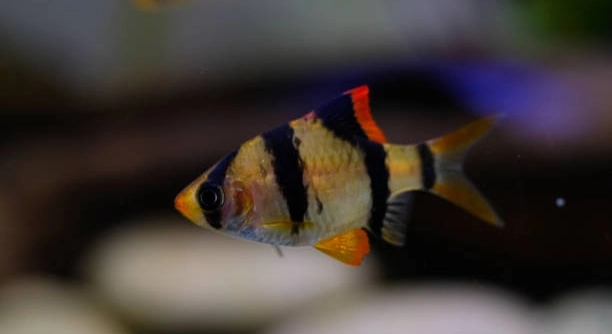
Many aquarium owners enjoy keeping tiger barbs because of their bright colors and lively nature. However, these fish can be aggressive, so choosing compatible tank mates is important. Finding the right companions helps maintain a peaceful and balanced aquarium environment.
Seven fish species are known to coexist well with tiger barbs due to their similar size, temperament, and swimming habits. These species can tolerate the barbs’ semi-aggressive behavior, reducing stress and preventing harm in a shared tank. Compatibility depends on careful selection and tank management.
Knowing which fish can handle tiger barbs helps you create a harmonious community tank. This article will guide you through some of the best options for peaceful aquarium living.
Tiger Barbs’ Nature and Behavior
Tiger barbs are active fish known for their bold, sometimes aggressive behavior. They swim quickly and often nip at slower or long-finned tank mates. This behavior is part of their natural instinct, especially when kept in small groups. To reduce aggression, it’s best to keep them in schools of six or more, which helps spread their energy and limits bullying. Their striking orange and black stripes make them popular in many home aquariums, but their lively temperament requires careful tank planning. Knowing how they behave helps you pick the right fish that won’t be stressed or harmed.
Their semi-aggressive nature means only certain fish species can live peacefully alongside them.
Finding species with similar activity levels and resilience creates a balanced tank where all fish can thrive without constant conflict or stress.
Top Fish That Handle Tiger Barbs Well
Danios are a great choice to pair with tiger barbs. These fish are fast swimmers and have a similar temperament, which makes them less likely to become targets of aggression. Danios are hardy and adapt well to various water conditions, matching the tiger barb’s environment. Another good option is the bala shark. Despite its size, the bala shark is peaceful and can hold its own among the barbs. They have a similar swimming style and speed, which reduces conflict. Other suitable companions include certain types of barbs, like rosy barbs, and larger tetras, which share compatible behavior and size ranges.
By choosing species that match tiger barbs’ energy and temperament, you can create a tank with less stress for all fish. Proper tank size and hiding spots also help maintain peace. Mixing fish that swim at different levels in the tank can reduce competition and improve harmony. Remember, introducing new fish gradually allows them to adjust better to the community. With the right selections and care, your aquarium can be both vibrant and calm.
Rosy Barbs as Companions
Rosy barbs are peaceful and active fish that match tiger barbs well. They are fast swimmers and not easily bullied, making them good tank mates. Their bright colors also complement the tiger barb’s vibrant stripes, adding beauty to the aquarium.
Rosy barbs thrive in similar water conditions as tiger barbs, preferring slightly alkaline water and moderate temperatures. They are social fish that like to swim in groups, which helps reduce stress and aggression. Their calm nature balances the barbs’ liveliness, creating a stable environment. Rosy barbs rarely nip fins, so they don’t provoke the barbs’ aggressive tendencies, making for a peaceful coexistence. They are also hardy and easy to care for, which is helpful when managing a mixed tank.
However, it’s important to provide enough space and hiding spots for all fish. Overcrowding can increase stress and aggression, even among compatible species. A tank of at least 30 gallons is recommended when keeping tiger barbs and rosy barbs together. Regular maintenance and monitoring of fish behavior help keep the peace and ensure a healthy aquarium.
Corydoras Catfish Compatibility
Corydoras catfish are bottom dwellers that avoid direct contact with tiger barbs, which swim mostly in the middle and upper tank levels. This separation helps reduce conflict between the species. Corydoras are peaceful and spend most of their time scavenging for food along the tank floor.
These catfish are social and do well in groups, which makes them less likely to become stressed or aggressive. Their calm temperament contrasts well with the more active and sometimes aggressive tiger barbs. Corydoras have armored bodies that offer some protection if barbs become curious or nip at them. Additionally, they help keep the tank clean by eating leftover food. Their shy and gentle nature makes them an excellent choice to balance out a tank with tiger barbs.
Larger Tetras as Tank Mates
Larger tetras, like black skirt or bleeding heart tetras, handle tiger barbs well. Their size and quick movements make them less likely targets of fin-nipping. They swim in similar water conditions, which helps keep the tank balanced.
These tetras are peaceful but active, matching the barbs’ energy without causing aggression. Their schooling behavior adds movement to the tank while maintaining harmony.
Rainbowfish Compatibility
Rainbowfish are fast swimmers and colorful, making them good companions for tiger barbs. Their active nature and similar size help them avoid aggression. Rainbowfish prefer slightly alkaline water, matching the tiger barbs’ environment.
Avoid Slow or Long-Finned Fish
Slow-moving or long-finned fish like bettas or guppies often become targets for tiger barbs. Their fins are easily nipped, leading to stress and injury. It’s best to avoid mixing these fish with tiger barbs to keep all tank inhabitants healthy.
FAQ
What tank size is best for keeping tiger barbs with other fish?
A tank of at least 30 gallons is recommended when keeping tiger barbs with other compatible species. This size gives enough space for all fish to swim freely and establish their territories. Overcrowding often leads to stress and aggression, so giving them room helps reduce conflicts.
Can tiger barbs live with goldfish or bettas?
Tiger barbs should not be kept with goldfish or bettas. Goldfish are slow swimmers and prefer cooler water, which doesn’t match tiger barbs’ needs. Bettas often have long fins that tiger barbs may nip, causing injury and stress. It’s better to select more active, similar-sized fish.
How many tiger barbs should be kept together?
Keeping tiger barbs in groups of six or more is ideal. In larger groups, their aggression spreads out, reducing bullying of any single fish. Small groups or singles tend to become more aggressive toward tank mates.
Are there special tank setups needed for tiger barbs?
Tiger barbs do well with plants, rocks, and hiding spots. These decorations help break sight lines and reduce aggression. Plants also give slower or shy fish places to hide if needed.
How do I know if my tiger barbs are being too aggressive?
Signs of aggression include torn fins, constant chasing, or hiding of other fish. If you notice these behaviors, try adding more tank mates of similar size or increase the tank size. Sometimes rearranging decorations can also help.
Can tiger barbs coexist with shrimp or snails?
Tiger barbs may nip at shrimp and snails, especially small or slow ones. Larger snails might be safe, but shrimp often become targets. It’s best to keep shrimp and snails separate or provide plenty of hiding spaces.
What water parameters do tiger barbs need?
Tiger barbs prefer water temperatures between 74–79°F (23–26°C), a pH of 6.5–7.5, and moderate hardness. Stable water conditions help reduce stress and aggression.
How often should I feed tiger barbs in a community tank?
Feeding once or twice daily with a varied diet is best. Include flakes, pellets, and occasional live or frozen foods. Proper feeding reduces competition and stress among tank mates.
Is it necessary to quarantine new fish before adding them to a tiger barb tank?
Quarantining new fish for at least two weeks helps prevent introducing diseases. It also allows you to observe their behavior and compatibility before mixing them with tiger barbs.
Can I mix tiger barbs with other barb species?
Some barb species, like rosy barbs, can live well with tiger barbs because of similar size and temperament. However, avoid mixing with more aggressive or slower barbs to maintain balance.
How do I reduce fin-nipping in a tiger barb tank?
Keeping tiger barbs in groups of six or more helps spread their energy. Providing plants and hiding places gives other fish safe spots. Selecting fast, similarly sized companions also lowers fin-nipping behavior.
Tiger barbs are lively and colorful fish that can bring a lot of energy to a community aquarium. Their semi-aggressive nature means they need the right tank mates to keep peace in the tank. Choosing fish that can handle their nipping and active swimming is important. Fish that are similar in size and temperament tend to do well with tiger barbs. When the right companions are selected, the aquarium can be a lively yet balanced place for all the fish to live comfortably.
It’s also important to consider the tank setup. Providing enough space for all fish to swim freely helps reduce tension. Decorations like plants, rocks, and hiding spots give fish places to retreat when they feel stressed. This can prevent chasing and fin-nipping. Keeping tiger barbs in groups of six or more helps spread their energy and aggression, which reduces bullying of other fish. Regular tank maintenance and proper feeding also play a role in keeping a peaceful environment.
When you combine careful fish selection with good tank management, you can enjoy a vibrant and healthy community aquarium with tiger barbs. Their bright colors and active behavior make them a popular choice, but they need compatible tank mates to thrive. Understanding their behavior and needs will help you create a space where all your fish can coexist without unnecessary stress or harm. Taking these steps leads to a rewarding aquarium experience for both you and your fish.

Hello,
If you enjoy the content that we create, please consider saying a "Thank You!" by leaving a tip.
Every little bit helps us continue crafting quality advice that supports the health, happiness, and well-being of pets around the world, for pets of all shapes, sizes, and species.
We really appreciate the kindness and support that you show us!