
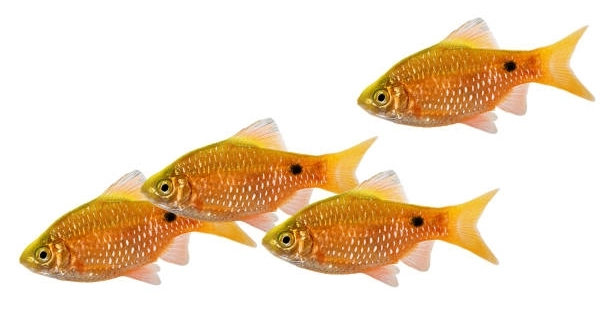
Do your rosy barbs seem lively but a little too energetic for your other fish? Choosing peaceful tank mates is essential.
The best fish that can peacefully live with rosy barbs include zebra danios, platies, cherry barbs, corydoras catfish, mollies, swordtails, and kuhli loaches. These species share similar water requirements, active temperaments, and compatibility levels with the slightly boisterous nature of rosy barbs.
These combinations can help create a balanced, visually engaging aquarium without added stress or aggression among your fish.
Fish That Match Rosy Barbs’ Energy
Rosy barbs are active swimmers with a semi-aggressive nature, especially when kept in small groups. This makes it important to choose tank mates that can match their energy without reacting aggressively. Zebra danios and cherry barbs are both fast, social, and thrive in groups, making them ideal companions. Mollies, swordtails, and platies also share a similar activity level and prefer community tanks. Kuhli loaches and corydoras catfish are bottom dwellers, staying out of the rosy barbs’ way while contributing to tank cleanliness. Keeping your rosy barbs in groups of six or more helps reduce aggression and promotes better behavior.
Always avoid placing slow-moving or long-finned fish with rosy barbs. Their playful nipping can cause unnecessary stress and injury.
Make sure all fish in the tank have enough room to swim freely. Overcrowding can quickly lead to stress and aggressive behavior, especially among active species like rosy barbs.
Maintaining a Peaceful Aquarium
Compatibility is only one part of keeping peace in a tank. Water conditions, feeding schedules, and space play equal roles.
For best results, keep the water temperature between 72–78°F, with a neutral pH around 6.5 to 7.5. Rosy barbs and their compatible tank mates prefer similar parameters, which helps reduce stress. Maintain regular water changes, use a good filtration system, and test the water weekly to keep ammonia and nitrite levels in check. Feed your fish small portions twice daily, using high-quality flakes or pellets supplemented with occasional frozen or live foods. Also, ensure your tank has hiding spaces—plants, caves, or decorations—so less dominant fish can retreat when needed. Lastly, avoid adding all fish at once. Introduce them gradually to reduce the chances of territory disputes. By staying consistent with care and watching behavior, you’ll create a balanced tank where rosy barbs and their peaceful companions can thrive.
Choosing Fish by Size and Temperament
Avoid adding very small or slow fish to the tank. Rosy barbs can be active and curious, which may lead to chasing or nipping behaviors. Choose fish that are similar in size and can hold their own.
Fish like platies, swordtails, and mollies grow to sizes that discourage bullying. Their temperament also aligns well with rosy barbs, allowing for active but non-aggressive interactions. Cherry barbs and zebra danios also match well due to their fast movement and schooling habits. Avoid species like guppies and angelfish, as their delicate fins can attract unwanted attention from rosy barbs. Tank mates should be confident swimmers that won’t be easily stressed. Adding a balanced mix of mid-level and bottom-dwelling fish, such as corydoras or kuhli loaches, helps create a more dynamic and peaceful environment. Choosing fish with similar needs ensures better long-term compatibility and easier maintenance.
Rosy barbs prefer to live in groups of at least six to minimize aggressive behaviors. When selecting tank mates, it’s helpful to follow the same rule for other species as well. Group-living fish tend to feel safer and show fewer signs of stress. Active community fish, when paired properly, will create a healthy and visually engaging aquarium. It’s also important to monitor fish for any signs of territorial behavior or constant chasing. If issues arise, rearranging decorations or adding plants can help break sightlines and reduce tension. Proper planning and careful observation during the early stages of introducing new fish can prevent long-term problems. Compatibility isn’t just about temperament—space, group size, and swimming zones also play key roles in long-term success.
Tank Setup Tips That Help Compatibility
Decorations and layout impact how fish behave. Use plants and hiding spots to reduce tension. An open swimming space in the middle and more shelter around the edges supports natural movement patterns and reduces stress.
Tank size matters when keeping active fish like rosy barbs. A 30-gallon tank or larger is best for maintaining a peaceful environment, especially when housing multiple species. Dense planting in corners and around tank edges offers hiding spaces and visual breaks, which help weaker or shy fish feel safe. Adding driftwood or smooth stones creates structure and territories, giving fish a sense of boundary and routine. Make sure filtration is strong enough to handle a fully stocked community tank. A stable, clean tank prevents many issues caused by stress or poor water quality. Good lighting and moderate water flow also help fish stay active and healthy. Combining a smart layout with regular care creates a more balanced, compatible environment for all your fish.
Feeding Habits and Food Compatibility
Rosy barbs are not picky eaters and will accept most foods. Choose tank mates that share similar feeding habits to avoid competition or leftover food. This makes daily feeding easier and helps maintain a clean tank.
Use a mix of flakes, pellets, and occasional live or frozen foods. Offer sinking food for bottom dwellers like kuhli loaches and corydoras to ensure they get enough nutrition.
Behavior to Watch After Adding New Fish
After introducing new fish, monitor closely for signs of aggression, stress, or hiding. Some chasing is normal at first, but it should not last. If fin nipping or stress continues, remove the aggressive fish or adjust the tank layout. Temporary tank dividers can also help ease transitions.
Final Checks Before Adding Fish
Quarantine all new fish for at least two weeks before adding them. This reduces the risk of spreading illness and keeps your tank healthy.
FAQ
Can rosy barbs live with guppies?
It’s not recommended to house rosy barbs with guppies. Rosy barbs are active and known for fin-nipping, especially when kept in small groups. Guppies have long, flowing fins that attract unwanted attention. This can lead to stress, injuries, or even death in guppies. Even in a large tank, guppies are not confident or fast enough to avoid the barbs’ nipping behavior. If you’re looking for peaceful community fish, it’s best to choose faster, short-finned species that are better suited to rosy barbs’ energy level.
How many rosy barbs should I keep together?
Keep rosy barbs in groups of six or more. This encourages natural schooling behavior and helps reduce aggression. When kept in small numbers, they may become territorial and nip at other fish. A larger group helps spread out their energy and creates a more balanced social structure. The tank should be spacious enough to support the group comfortably—at least 30 gallons is ideal. Also, aim for a mix of males and females to reduce dominance displays among males.
What temperature and pH do rosy barbs prefer?
Rosy barbs thrive in water temperatures between 72°F and 78°F, with a pH range of 6.5 to 7.5. Keeping conditions stable within these ranges helps prevent stress and illness. They are adaptable to slight fluctuations, but consistency is key for their long-term health. A heater and thermometer should be used to maintain steady temperatures, especially in cooler climates. Weekly testing with a reliable water test kit will help you monitor pH and other parameters.
Can I keep rosy barbs with shrimp or snails?
Rosy barbs may nip at small shrimp, especially if they are not fully grown. They’re less likely to bother snails, particularly larger ones like mystery snails. If you want to keep shrimp, stick to larger types such as Amano shrimp and provide plenty of hiding spots using plants or moss. Shrimp babies are unlikely to survive in a tank with rosy barbs, as they will be seen as food. Snails are generally a safer addition and can also help keep the tank clean.
What are good bottom-dwelling fish for a rosy barb tank?
Corydoras catfish and kuhli loaches are both peaceful bottom dwellers that get along well with rosy barbs. They stay out of the barbs’ way and help clean leftover food. These species also enjoy soft substrates like sand and need hiding spots. Both should be kept in small groups for comfort and social interaction. Avoid aggressive or very shy bottom dwellers, as the barbs’ activity could cause stress.
How do I introduce new fish safely to a tank with rosy barbs?
Quarantine new fish for at least two weeks in a separate tank to ensure they are healthy and parasite-free. When adding them, rearrange decorations or plants to break up established territories. This helps reduce aggression by resetting any dominance claims. Add the new fish after turning off the tank lights, as darkness lowers stress levels. Observe behavior closely for the first few days and be ready to separate fish if any problems arise.
Are rosy barbs aggressive fish?
Rosy barbs are not aggressive by nature, but they are active and sometimes nippy. Their behavior improves when kept in larger groups. When housed properly, they coexist well with other fast-moving, similarly sized fish. However, they may still bother slow or delicate fish. Their energy level can be mistaken for aggression, but it’s mostly related to boredom or poor tank conditions. Giving them enough space and companions helps maintain a calm tank.
What signs show fish aren’t compatible with rosy barbs?
Constant hiding, torn fins, lack of appetite, or erratic swimming can signal compatibility issues. If you notice other fish staying in corners, avoiding open areas, or showing visible injuries, it may mean they’re being bullied. Frequent chasing, especially after the first few days, is another clear sign. It’s important to remove stressed or injured fish quickly to prevent long-term damage. Watching closely during the first week helps identify problems early.
Final Thoughts
Keeping rosy barbs in a peaceful community tank is possible when you plan carefully. These fish are active, social, and can show signs of aggression if kept alone or in small groups. By choosing the right tank mates—like zebra danios, platies, swordtails, corydoras, or kuhli loaches—you help create a balanced environment where all fish can thrive. It’s important to match their energy level and make sure each species has enough space and shelter. Grouping rosy barbs in six or more keeps their behavior in check and encourages natural schooling habits.
Tank setup plays a big part in keeping the peace. A tank size of 30 gallons or more is a good starting point for rosy barbs and their companions. Add decorations, plants, or driftwood to provide hiding spots and visual breaks. These features help reduce tension and support healthier fish behavior. Good water quality is also essential. Test the water regularly, maintain stable temperatures between 72–78°F, and feed your fish the right amount each day. Using high-quality food that suits all species in the tank will reduce waste and ensure balanced nutrition. Overfeeding or skipping clean-up routines can cause water problems, leading to stress and illness.
Before adding any new fish, take time to observe their compatibility. Quarantine them to protect your existing fish, and watch closely after introducing them to the main tank. Not all combinations work, even when conditions seem perfect. Some fish simply don’t adjust well to the energy levels of rosy barbs. If issues come up, be prepared to adjust the layout or move fish if needed. It’s better to make changes early than wait until there’s damage or illness. In the end, creating a peaceful tank with rosy barbs means thinking ahead, staying consistent with care, and responding quickly to any signs of trouble. With the right planning, rosy barbs can live peacefully alongside other species, giving you a lively, colorful aquarium that’s both easy to manage and enjoyable to watch.

Hello,
If you enjoy the content that we create, please consider saying a "Thank You!" by leaving a tip.
Every little bit helps us continue crafting quality advice that supports the health, happiness, and well-being of pets around the world, for pets of all shapes, sizes, and species.
We really appreciate the kindness and support that you show us!