
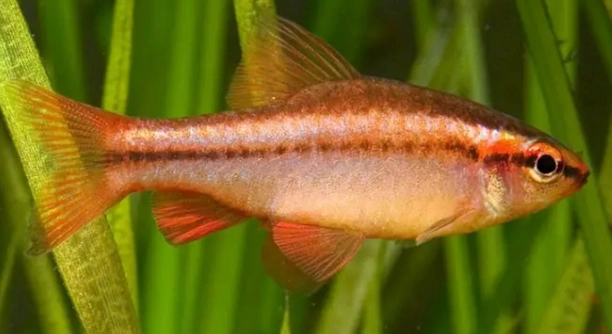
Cherry barbs are peaceful fish that thrive in schools, but their interactions with other species can sometimes be confusing. Understanding fish behaviors is key to ensuring their well-being in a shared aquarium environment.
Fish behaviors that confuse cherry barbs may arise from their unique instincts and the actions of other species. These behaviors can include territorial displays, chasing, or subtle social cues that may be misunderstood by cherry barbs.
By learning to identify these behaviors, you can help create a harmonious environment for your cherry barbs and other aquarium inhabitants.
Unfamiliar Territory and Territorial Behavior
Cherry barbs are naturally peaceful, but they can sometimes act defensively when they feel their territory is threatened. If they encounter fish that invade their space, cherry barbs may display aggressive behaviors, such as chasing or even nipping. These behaviors are often a sign that the barbs are trying to assert their dominance or protect their territory.
Understanding this behavior is essential, as it helps ensure that the aquarium environment remains peaceful. By providing enough space for each fish, these territorial behaviors are less likely to occur.
When keeping cherry barbs with other species, it’s important to remember that they are more likely to exhibit territorial behavior in smaller tanks. A spacious aquarium can help reduce these tensions, allowing fish to establish their own spaces without interference from others. Choosing the right tank mates, like peaceful fish with similar swimming habits, can also minimize aggression and help the barbs feel more secure in their environment.
Social Cues and Subtle Communication
Cherry barbs communicate with each other using subtle cues, such as body postures or swimming patterns.
These cues can sometimes be misinterpreted by other fish, leading to confusion. For example, if a cherry barb rapidly swims back and forth, it may be signaling excitement or a desire to interact. However, other fish may interpret it as a sign of aggression.
In a community tank, it’s important to observe how different species respond to these signals. Cherry barbs thrive in schools, and they often use subtle communication to maintain harmony within their group. Other species may need time to adjust to these interactions, but with a little patience, they will likely learn how to coexist peacefully. This helps create a calm environment where all fish feel comfortable.
The Role of Swim Patterns
Cherry barbs often use their swimming patterns to communicate with each other. When they swim together in a group, their movements can indicate a sense of security or help them warn each other of potential threats.
Cherry barbs are generally calm swimmers, but they do tend to swim in short bursts when excited. These bursts can look like sudden sprints, especially when they are seeking food or reacting to changes in the environment. However, these movements may confuse other fish, especially if they are not used to this type of activity.
In a tank with multiple species, fish that don’t share the same swimming behavior might misinterpret these bursts. For instance, more passive fish might think the cherry barbs are aggressive when they’re simply reacting to their surroundings. Recognizing these bursts as normal behavior is key to understanding how cherry barbs interact with other species and can help prevent unnecessary stress for all fish involved.
Confusion Over Feeding Behaviors
When it comes to feeding time, cherry barbs can become quite active, which may confuse other fish. They are quick to dart to the surface or bottom of the tank for food.
Their swift movements during feeding time can cause confusion with other species. While other fish might be more cautious, cherry barbs tend to race for the food. This may be interpreted as overly aggressive behavior by other fish, particularly if they are not used to the competitive feeding style of the cherry barb.
To manage this, it’s helpful to feed cherry barbs separately or use a feeding strategy that ensures all fish get their share without feeling pressured. Observing how the cherry barbs respond to food and adjusting the feeding routine accordingly can help reduce confusion and aggression, promoting a calmer atmosphere during meal times.
Aggression Display During Breeding
During breeding, cherry barbs may become territorial and show more aggression than usual. Male cherry barbs are known to chase females, especially if there are multiple males in the tank. This behavior can seem threatening to other fish.
While this may appear aggressive, it’s a natural part of their breeding process. Female cherry barbs, however, may not always respond well to the attention, which can add to the confusion. Understanding this breeding behavior can help avoid unnecessary stress for other fish in the tank.
To reduce tension, ensuring there is plenty of space for the fish to retreat to can help. Offering hiding spots or separating males can also reduce aggression and provide the female with a break if needed.
Confusion Caused by Fast Movements
Cherry barbs are quick swimmers and can often make sudden turns and dart around the tank. This behavior can confuse slower-moving fish.
The sudden movements of cherry barbs may cause panic in other species that aren’t as fast. These quick darts, especially when they are startled, may appear threatening to other fish.
Slower fish might not know how to react, which could lead to stress or territorial misunderstandings. Giving fish enough room to swim freely and ensuring they feel safe can help alleviate this issue.
FAQ
Why do cherry barbs chase each other?
Cherry barbs, particularly males, often chase each other during breeding behavior. This can be interpreted as a sign of aggression, but it’s usually a way for males to compete for the attention of females. They may also chase each other to establish dominance within their group.
If you notice excessive chasing, it’s a good idea to ensure there are plenty of hiding spots for the more passive fish. Additionally, keeping the number of males in the tank balanced with females can help reduce the competitive behavior.
Do cherry barbs need to be in schools?
Yes, cherry barbs are schooling fish and feel most secure when kept in groups of at least five or more. When kept in smaller groups, they can become stressed or act more defensively, displaying territorial or aggressive behaviors. A larger group helps them maintain a sense of security, reducing stress and encouraging natural social interactions.
Having a school of cherry barbs also helps with their overall health and activity levels. They are more active and display vibrant coloring when kept in a school, making them happier and more comfortable.
Can cherry barbs live with other species?
Cherry barbs are generally peaceful and can coexist with many other species, especially other calm or small fish. However, their behavior can sometimes cause confusion with more passive or territorial species. Cherry barbs may chase other fish, especially during feeding or breeding times.
To reduce potential issues, it’s best to house them with species that are similarly peaceful, like rasboras or tetras. Avoid keeping them with overly aggressive fish that may stress them out. Monitoring interactions in a mixed tank can help identify any signs of aggression early.
What should I feed cherry barbs?
Cherry barbs are omnivores, so their diet should consist of a variety of food types, including high-quality flakes, pellets, and occasional live or frozen foods like brine shrimp or daphnia. They’ll appreciate a balanced diet that includes plant-based foods, such as spirulina, as well as protein from small invertebrates.
Providing a diverse diet ensures they receive the necessary nutrients to stay healthy and active. Avoid overfeeding, as this can lead to water quality issues. Regularly removing uneaten food also helps maintain a clean tank.
How do I reduce aggression in my cherry barb tank?
To minimize aggression, ensure there are plenty of hiding spots and swimming space for all the fish in the tank. Cherry barbs are less likely to feel threatened when they have places to retreat to.
Additionally, keeping a proper balance of males and females can help. Too many males may lead to increased competition and aggression. Ensure your tank is large enough to accommodate your school of cherry barbs and any other species you plan to house with them.
Can cherry barbs live with shrimp?
Yes, cherry barbs can generally live with shrimp, but it depends on the species of shrimp and the size of the tank. Smaller shrimp, like cherry shrimp or ghost shrimp, may be seen as food by the cherry barbs, especially if the barbs are hungry or the shrimp are small.
It’s important to have enough hiding places for the shrimp to escape from the barbs. Larger shrimp species, such as Amano shrimp, are less likely to be eaten. However, always monitor the tank for any signs of aggression or predation.
Do cherry barbs need a heater?
Cherry barbs are tropical fish and thrive in warm water temperatures between 72°F and 80°F (22°C to 27°C). A heater is recommended to maintain a stable temperature, especially in cooler environments or during seasonal changes.
Temperature fluctuations can stress cherry barbs and lead to illness. Keeping the water temperature consistent will help them stay healthy and active. It’s also important to ensure proper water filtration to maintain water quality, as cherry barbs are sensitive to poor water conditions.
How long do cherry barbs live?
Cherry barbs typically live for around 3 to 5 years in a well-maintained tank. Their lifespan can be influenced by factors such as water quality, diet, and tank conditions. Regular water changes, proper tank setup, and a balanced diet can help ensure they live a long, healthy life.
It’s essential to monitor the overall health of the tank and address any issues promptly, as poor water quality or illness can shorten their lifespan. A stress-free environment also contributes to their longevity.
Final Thoughts
Cherry barbs are active and peaceful fish that can thrive in a variety of tank setups. They are best kept in groups, which helps reduce stress and promotes natural social behavior. Their calm nature makes them suitable for community tanks, as long as the other fish are not overly aggressive. Keeping their environment clean and stable is key to ensuring their health and longevity. Monitoring the water quality regularly and providing a balanced diet will also keep them healthy and active.
Despite their peaceful nature, cherry barbs do display some behaviors that may confuse or even stress other fish, especially during breeding or feeding times. Their sudden bursts of energy, quick movements, and occasional territorial behavior can be misinterpreted by other species. To avoid potential issues, it’s essential to house them with compatible tank mates and provide plenty of hiding spaces or separate areas to retreat to. This will help minimize any aggressive interactions and create a more peaceful environment for all fish.
In conclusion, understanding the behaviors of cherry barbs can make it easier to care for them in a shared tank. By offering a spacious and well-maintained environment, along with a proper diet and compatible tank mates, you can help them live a healthy, stress-free life. With a little attention to their needs, cherry barbs can be a colorful and lively addition to any aquarium.

Hello,
If you enjoy the content that we create, please consider saying a "Thank You!" by leaving a tip.
Every little bit helps us continue crafting quality advice that supports the health, happiness, and well-being of pets around the world, for pets of all shapes, sizes, and species.
We really appreciate the kindness and support that you show us!