
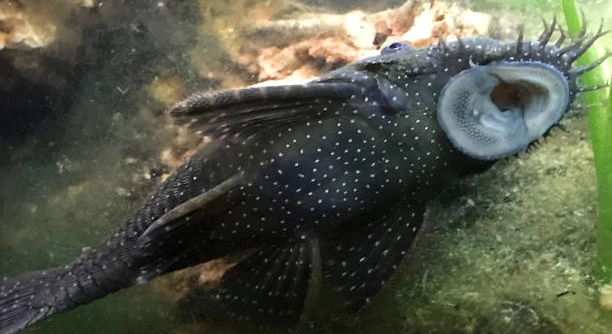
Are your plecos looking a little sluggish even though their tank seems clean and well-maintained? Choosing the right filter can make a big difference in their overall health and activity levels.
The best filters for pleco tanks are those that offer strong mechanical and biological filtration, while also maintaining steady water flow. Canister filters, sponge filters, and hang-on-back filters are among the top choices for pleco owners.
A proper filter helps remove waste, reduce stress, and keep water parameters stable for your plecos. Let’s look at the top filters that work best for these peaceful bottom dwellers.
Canister Filters for Strong Filtration
Canister filters are one of the top choices for pleco tanks because of their strong and efficient filtration. These filters sit outside the tank, which means they don’t take up space inside. They can handle a large volume of water, making them ideal for bigger aquariums. Plecos produce a lot of waste, so it’s important to have something that can manage both mechanical and biological filtration. Canister filters also give you more options to customize the media inside, which can help keep your tank clean and your fish healthy. They’re usually quiet and don’t disturb the fish too much.
They’re easy to maintain if you follow a cleaning schedule. Just rinse the media in tank water every few weeks to keep everything working smoothly.
Since canister filters push water through multiple layers, they help reduce ammonia and nitrites more efficiently. This is important for plecos, which are sensitive to changes in water quality. A well-maintained canister filter also promotes better oxygen exchange. Even though the setup might seem complex at first, the long-term benefits for your plecos are worth it. The consistent water flow helps avoid buildup of waste on the tank floor, giving your plecos a cleaner space to explore and feed.
Sponge Filters for Gentle Flow
Sponge filters are a good choice for smaller pleco tanks or tanks with fry. They’re gentle, quiet, and easy to set up.
These filters are powered by an air pump and work by pulling water through a sponge. This sponge provides both mechanical and biological filtration. Because sponge filters create a soft flow, they’re perfect for tanks where strong currents might stress the fish. This gentle movement also helps avoid stirring up waste at the bottom of the tank, which plecos often sift through when searching for food. They’re also very useful in breeding tanks. Since plecos like calm environments, sponge filters can be a peaceful option. Cleaning is simple too. You just squeeze the sponge in old tank water every couple of weeks. While they might not be enough for larger tanks alone, sponge filters can be great as a secondary filter or in combination with another system.
Hang-On-Back Filters for Easy Maintenance
Hang-on-back filters are a reliable option for pleco tanks, especially if you want something easy to clean. They’re installed outside the tank and pull water through a filter cartridge, making regular upkeep simple and quick without disturbing your setup.
These filters offer a good balance between power and convenience. Most hang-on-back models allow you to swap out or rinse filter cartridges in just a few minutes. This is helpful if you’re busy or prefer a low-maintenance system. They also provide mechanical and biological filtration, which plecos need to stay healthy. Some even include a space for extra media, like bio-rings, to improve water quality. The water flow is moderate and usually adjustable, which is helpful for preventing stress. For small to medium tanks, hang-on-back filters are a practical choice that keeps the water clear without taking up much room or making too much noise.
The design makes them a great starter filter if you’re new to aquarium setups. Many models have built-in features like spillways that help with oxygen exchange. They’re also easy to find in pet stores or online, and replacement parts are affordable. Just make sure to clean the intake tube regularly, as plecos can clog it with leftover food and debris.
Internal Filters for Compact Spaces
Internal filters are best for smaller pleco tanks or tanks with limited space. They sit inside the aquarium and are fully submerged, so they don’t take up space on the outside.
These filters are usually simple to install with suction cups and can be placed anywhere in the tank to suit your layout. They combine mechanical and biological filtration, which is helpful for maintaining clean water. Some models include a sponge, while others have space for filter media. Internal filters work well in tanks under 30 gallons and are often quieter than other filter types. However, they need regular cleaning to avoid clogging. The flow can also be a bit strong depending on the model, so it’s good to choose one with adjustable settings. For a compact, easy-to-manage option, internal filters do a decent job of keeping smaller pleco tanks in good shape.
Power Filters for Strong Flow
Power filters move water quickly, which helps keep pleco tanks clean. They’re good at removing waste and can improve oxygen levels. Most models are easy to hang on the tank and require simple maintenance.
Choose one with adjustable flow, since plecos prefer slower currents. Regular cleaning keeps them running well.
Undergravel Filters for Basic Filtration
Undergravel filters use the tank’s gravel as a filter bed, pulling water down through it. This setup supports biological filtration but may not be strong enough alone for plecos, who produce more waste. They’re best used in smaller tanks or with another filter type. They also require gravel vacuuming often.
Fluidized Bed Filters for Stable Water
These filters use sand or other media suspended in water to support biological filtration. They’re great at handling ammonia and nitrites and help maintain stable water conditions. Since plecos are sensitive to poor water quality, fluidized bed filters can be a helpful addition when paired with a mechanical filter.
FAQ
What kind of filtration is most important for plecos?
Biological filtration is the most important for plecos. These fish produce a lot of waste, and biological filtration helps break down harmful ammonia and nitrites into less harmful nitrates. A filter that supports good bacterial growth will help maintain healthy water parameters. Mechanical filtration is also necessary to remove solid waste, while chemical filtration is optional unless there are specific water quality issues. For best results, use a filter that combines both mechanical and biological elements. This keeps the tank cleaner and reduces the chance of illness or stress for your plecos.
Can plecos live without a filter?
Plecos should not be kept in a tank without a filter. They are messy fish that produce a lot of waste, which can quickly pollute the water. Without a filter, ammonia levels will rise and become harmful. Even with frequent water changes, it is very hard to keep a pleco healthy without a proper filtration system. A filter helps manage waste, supports beneficial bacteria, and keeps the water clear. If your filter breaks, do a water change right away and replace or fix the filter as soon as possible. Filters are essential for their long-term health.
How often should I clean my filter in a pleco tank?
Most filters should be cleaned every 2–4 weeks, depending on the type and tank size. Don’t clean all the parts at once—only rinse the media in tank water to preserve good bacteria. If you have a canister filter, clean it every 3–4 weeks. Sponge filters may need rinsing every 2 weeks. Hang-on-back filters need a monthly check. If your tank is heavily stocked or your pleco is large, cleaning might need to be done more often. Watch for slow water flow or noise—these can be signs the filter is dirty or clogged.
Do plecos prefer strong or gentle water flow?
Plecos do not like strong, direct currents. They prefer a moderate to gentle flow that allows them to rest at the bottom without being pushed around. If the flow is too strong, plecos may hide more often or show signs of stress. Choose a filter with adjustable flow or add decorations like driftwood and rocks to block the current. Sponge filters and some canister models with spray bars are good for creating a softer flow. Keeping the current under control helps plecos feel more comfortable and active in their tank.
Is one filter enough for a pleco tank?
It depends on the size of your tank and how many plecos you have. In a small or moderately stocked tank, one good filter may be enough. For larger tanks or setups with more than one pleco, two filters might be better. A combination of a canister and sponge filter works well—one provides strong filtration, and the other offers gentle backup. Using two filters also adds extra safety in case one fails. Always choose filters rated for more than your actual tank size, especially since plecos are heavy waste producers.
Can I use a sponge filter as the only filter for plecos?
Yes, but only in smaller tanks or for baby plecos. A sponge filter provides biological and mechanical filtration but may not be strong enough for adult plecos in larger tanks. It’s better as a secondary filter in big tanks. If used alone, make sure your tank isn’t overcrowded, and do regular water changes. Sponge filters are gentle, which plecos like, but they need frequent cleaning to stay effective. For adult plecos, consider pairing the sponge filter with a more powerful system, like a hang-on-back or a small canister filter.
How do I know if my filter is strong enough?
Check for clear water, stable ammonia and nitrite levels, and healthy, active plecos. If the water looks cloudy or tests show high ammonia, your filter may not be handling the load. Also, if waste builds up on the substrate quickly or your plecos seem less active, your system might need an upgrade. Use filters rated for larger tanks than yours, especially with waste-heavy fish like plecos. You can also look at the gallons-per-hour (GPH) rating—a good target is filtering 4–6 times the tank’s volume per hour. More filtration is usually better than not enough.
Final Thoughts
Choosing the right filter for your pleco tank is an important step toward keeping your fish healthy. Plecos create a lot of waste, so a good filtration system is not just helpful—it’s necessary. Filters help remove waste, keep the water clear, and support the growth of good bacteria that break down harmful substances. Each filter type has its own strengths. Some work better in large tanks, while others are best for small setups or quiet environments. The best choice depends on your tank size, the number of fish, and how much maintenance you’re willing to do.
Canister filters offer strong and reliable filtration for larger tanks, and they give you more control over the media inside. Sponge filters are simple and gentle, great for fry tanks or as backup filters. Hang-on-back filters are easy to use and clean, which makes them a good choice for beginners or those who want something low-maintenance. Internal filters fit neatly inside the tank and can work well for smaller setups. Fluidized bed filters are helpful if you want stable water conditions with strong biological support, though they often need to be paired with a second filter. Undergravel filters are not strong enough alone for plecos but may work in small setups if combined with another system.
In the end, what matters most is keeping your plecos in a clean, stable environment. It’s not always about buying the most expensive filter—it’s about choosing one that fits your setup and supports the needs of your fish. Clean your filter regularly, avoid overfeeding, and check water parameters often to make sure everything is running well. A healthy tank is a mix of good equipment, proper care, and attention to detail. When your filter is doing its job, your plecos will be more active, their colors will stay rich, and they’ll live longer. Taking the time to pick the right filter will pay off in the long run by making your tank easier to manage and more enjoyable to watch.

Hello,
If you enjoy the content that we create, please consider saying a "Thank You!" by leaving a tip.
Every little bit helps us continue crafting quality advice that supports the health, happiness, and well-being of pets around the world, for pets of all shapes, sizes, and species.
We really appreciate the kindness and support that you show us!