
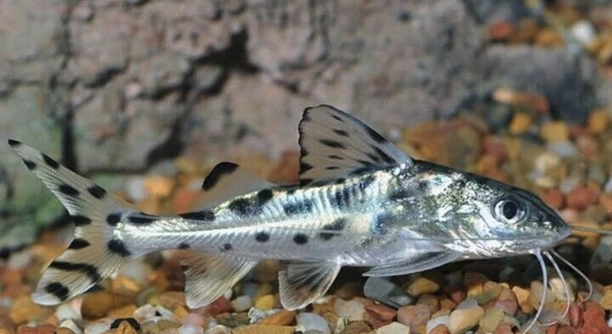
Are your Pictus catfish swimming sluggishly or showing signs of stress in your aquarium? These active fish need the right environment to thrive, and filtration plays a key role in keeping their water clean and healthy. Proper filters help maintain a stable habitat for their well-being.
Choosing the appropriate filter type for Pictus catfish involves considering water flow, biological filtration, and debris removal. Effective filters provide clean, oxygen-rich water while minimizing stress caused by strong currents, supporting the species’ natural behavior and health in captivity.
Knowing which filters work best will help you create a comfortable space for your Pictus catfish. The following guide breaks down seven filter options that suit their needs perfectly.
Hang-On-Back (HOB) Filters
Hang-On-Back filters are a popular choice for Pictus catfish owners because they offer efficient mechanical and biological filtration. These filters hang on the aquarium’s back wall, pulling water up through a siphon tube. Inside, water passes through sponge or foam pads that trap debris and provide surface area for beneficial bacteria to grow. This process helps break down harmful waste like ammonia and nitrites, keeping the water safe. HOB filters also produce moderate water flow, which suits Pictus catfish, as they prefer some current but not too strong. These filters are easy to maintain and clean, making them convenient for busy owners. Replacing or rinsing filter media regularly will ensure continued efficiency. Additionally, HOB filters are widely available and come in various sizes to fit tanks of different volumes. Overall, they balance performance and simplicity, making them a solid choice for keeping Pictus catfish comfortable and healthy in their environment.
HOB filters offer good filtration without overwhelming the tank with excessive current, making them ideal for these active catfish.
Many Pictus catfish owners appreciate HOB filters because they combine solid water cleaning power with easy setup and upkeep. The moderate flow keeps the fish active without stressing them. These filters help maintain clear water and stable water chemistry. Their compact design doesn’t take up much space inside the tank. Also, HOB filters provide flexibility by allowing you to customize media, such as adding activated carbon for odor removal. While not silent, they usually run quietly enough for most aquariums. Using a HOB filter creates a healthier, more stable environment where Pictus catfish can swim freely and show their natural behavior.
Canister Filters
Canister filters are highly effective for larger tanks or aquariums housing multiple Pictus catfish. These external filters use powerful pumps to cycle large volumes of water through various filter media, including sponges, bio balls, and activated carbon. The multiple stages ensure thorough mechanical, chemical, and biological filtration. Canister filters provide strong filtration without producing excessive surface agitation, which helps maintain stable water parameters. Since the unit sits outside the tank, it saves space inside the aquarium and reduces clutter. These filters are also customizable, allowing aquarists to choose specific filter media to suit their tank’s needs. While canister filters require more effort to set up and maintain, the long-term benefits of clear, healthy water make them worth it. For Pictus catfish, canister filters create a clean environment that supports their health and active lifestyle while preventing the buildup of toxins. Their quiet operation is an additional advantage in a home setting.
Sponge Filters
Sponge filters provide gentle filtration, ideal for tanks with Pictus catfish that prefer low water flow. They use air pumps to push water through a porous sponge that traps debris and hosts beneficial bacteria.
Sponge filters are simple and affordable, making them a great choice for smaller tanks or breeding setups. The sponge offers excellent biological filtration by giving bacteria a large surface area to grow, which helps break down harmful waste naturally. Since these filters don’t create strong currents, they suit Pictus catfish well, allowing them to swim comfortably without stress. Maintenance is easy—just rinse the sponge in tank water to keep it clean without killing beneficial bacteria. Though sponge filters don’t handle heavy debris as well as other filters, they support water quality and oxygenation effectively.
They also add extra oxygen to the water due to air bubbles rising through the sponge. This is beneficial because Pictus catfish like well-oxygenated water, helping them stay active and healthy.
Internal Filters
Internal filters sit inside the aquarium, usually attached to the tank wall with suction cups. They pull water through filter media that clean debris and promote beneficial bacteria growth.
These filters are compact and easy to install, making them a convenient choice for medium to small aquariums. Because they operate within the tank, internal filters offer moderate water flow, which Pictus catfish handle well without becoming stressed. They provide effective mechanical and biological filtration, improving water clarity and quality. Maintenance involves cleaning the filter media regularly, which helps avoid clogging and maintains efficient performance. Internal filters are also budget-friendly and quieter than some external options. Their size and versatility allow placement in many tank positions, giving flexibility in setup. They work well when paired with additional aeration or surface agitation to ensure oxygen levels stay high for the catfish’s comfort.
Undergravel Filters
Undergravel filters use a plate placed beneath the gravel substrate to pull water down through the gravel, which acts as a natural biological filter. This method encourages beneficial bacteria growth within the substrate.
They provide gentle filtration and oxygenation but require regular maintenance to prevent clogging. These filters work best in well-established tanks with stable biological balance.
Power Filters
Power filters offer strong mechanical and biological filtration with adjustable flow rates. They are suitable for larger tanks that need thorough cleaning and water circulation to support active fish like Pictus catfish.
Fluidized Bed Filters
Fluidized bed filters use fine sand or other media kept suspended by rising water flow. This maximizes surface area for beneficial bacteria, improving biological filtration efficiency and water quality in the tank.
Wet/Dry Filters
Wet/dry filters provide excellent biological filtration by exposing water to air between filter stages. This boosts oxygenation and breaks down waste efficiently, creating a stable environment for Pictus catfish.
FAQ
What is the best filter type for Pictus catfish?
The best filter balances water cleanliness and gentle flow. Hang-On-Back filters and canister filters are often recommended because they provide effective mechanical and biological filtration without creating strong currents. Sponge filters can work well in smaller tanks or breeding setups. The choice depends on your tank size and the number of fish.
How often should I clean my filter?
Cleaning frequency depends on the filter type and tank conditions. Generally, filters need maintenance every 2 to 4 weeks. Sponge filters can be rinsed monthly in tank water, while canister and HOB filters require more thorough cleaning, including media replacement or rinsing. Avoid cleaning all filter media at once to preserve beneficial bacteria.
Can Pictus catfish handle strong water flow?
Pictus catfish prefer moderate water flow. Strong currents can stress them and limit their swimming comfort. Filters with adjustable flow rates are ideal because you can lower the flow to suit their needs, ensuring they remain active without feeling overwhelmed.
Is biological filtration important for Pictus catfish tanks?
Biological filtration is crucial. It breaks down toxic ammonia and nitrites produced by fish waste into less harmful nitrates. Beneficial bacteria colonize filter media and substrate surfaces. Maintaining healthy bacteria populations prevents toxic buildup and keeps the fish healthy.
Are sponge filters enough for a community tank with Pictus catfish?
Sponge filters can be enough for small, lightly stocked tanks because they offer gentle mechanical and biological filtration. However, in larger or heavily stocked tanks, they may not handle waste effectively alone. Combining a sponge filter with another type, like a HOB filter, improves overall filtration.
Can I use an internal filter in a Pictus catfish tank?
Yes, internal filters are suitable for tanks where space is limited or additional filtration is needed. They provide moderate flow and good filtration, fitting well in small to medium aquariums. Just ensure the flow isn’t too strong to avoid stressing the fish.
How do I prevent filter noise?
Noise usually comes from water splashing or air trapped inside the filter. Regular maintenance and correct installation help reduce noise. For example, ensuring the intake tube is submerged properly and cleaning impellers can prevent vibrations. Choosing filters known for quiet operation also helps.
What should I do if my filter clogs frequently?
Frequent clogging means the filter media needs cleaning or replacement. Rinse filter parts in tank water to remove debris without killing bacteria. Check if the tank is overstocked or if excess food is causing debris buildup. Reducing feeding amounts and improving tank cleaning routines can help.
Are wet/dry filters suitable for Pictus catfish?
Wet/dry filters are excellent for biological filtration and oxygenation but can produce strong water flow. They are better for larger, well-established tanks where flow can be adjusted or dissipated to avoid stressing the catfish. Proper setup is key to balance benefits and flow strength.
How important is oxygenation in a Pictus catfish tank?
Oxygenation is very important since Pictus catfish are active swimmers needing well-oxygenated water. Filters that agitate the surface or use air pumps increase oxygen levels. Combining filtration with proper aeration helps maintain their energy and overall health.
Can I use activated carbon in my filter for Pictus catfish?
Activated carbon helps remove odors, discoloration, and some chemicals from the water. It is safe for Pictus catfish and can improve water clarity. However, it doesn’t replace biological filtration. Carbon should be replaced regularly, usually every 3-4 weeks, to maintain effectiveness.
What size filter do I need for a tank with Pictus catfish?
A filter rated to handle at least 4-5 times the tank volume per hour is ideal. For example, a 20-gallon tank should have a filter that circulates 80-100 gallons per hour. This ensures good water turnover without creating too much current for the fish.
Can Pictus catfish live without a filter?
While possible in very small or heavily planted tanks, living without a filter is not recommended. Filters maintain water quality by removing waste and supporting beneficial bacteria. Without filtration, toxins build up quickly, causing stress and illness in Pictus catfish. Regular water changes alone are usually not enough.
Choosing the right filter for your Pictus catfish is important for keeping them healthy and happy. These fish need clean water with stable conditions to thrive, and filters help by removing waste and toxins from the tank. Different types of filters offer various benefits, so it’s good to consider your tank size, the number of fish, and how much effort you want to put into maintenance. Filters like Hang-On-Back and canister models provide strong filtration and suit most tanks, while sponge filters are simpler and gentle for smaller setups. Making sure your filter creates the right water flow is also key, as Pictus catfish prefer moderate currents and can become stressed by strong ones.
Regular maintenance of your filter plays a big role in keeping the water quality high. Cleaning or replacing filter media on a set schedule prevents clogging and helps beneficial bacteria do their job breaking down harmful chemicals. It’s important not to clean all parts at once to avoid losing too much of this helpful bacteria. Along with filtration, maintaining good oxygen levels in the tank will support your catfish’s active lifestyle. Some filters increase oxygen by agitating the water surface or using air pumps. Paying attention to these details will create a stable environment where your Pictus catfish can swim freely and remain healthy over time.
Overall, selecting and caring for the right filter makes a noticeable difference in the well-being of your Pictus catfish. Filters that balance strong cleaning power with gentle water flow help reduce stress and maintain clear water. Whether you choose a simple sponge filter or a more advanced canister system, consistency in maintenance and monitoring water conditions are essential. By providing a clean and comfortable home, you support your catfish’s natural behavior and longevity. Taking these steps ensures you enjoy watching these lively fish thrive in your aquarium for years to come.

Hello,
If you enjoy the content that we create, please consider saying a "Thank You!" by leaving a tip.
Every little bit helps us continue crafting quality advice that supports the health, happiness, and well-being of pets around the world, for pets of all shapes, sizes, and species.
We really appreciate the kindness and support that you show us!