
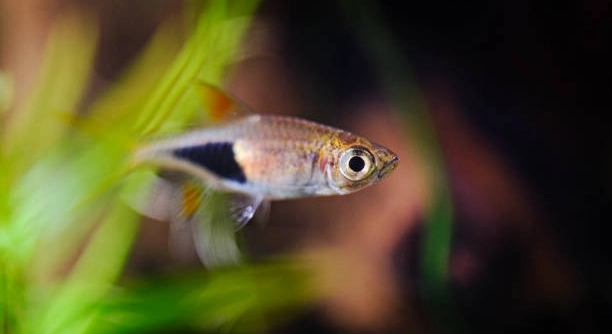
Rasboras are small, delicate fish that thrive in calm waters with gentle currents. Many aquarists struggle to find filters that keep water clean without stressing these sensitive swimmers in their home aquariums.
Choosing the right filter for rasboras requires prioritizing low water flow and minimal noise. Options like sponge filters, hang-on-back filters with adjustable flow, and internal filters with deflectors maintain water quality while ensuring the fish remain comfortable and unstressed.
Proper filtration is essential for a healthy tank, and selecting the right type can protect your rasboras’ well-being for years.
Sponge Filters for Gentle Filtration
Sponge filters are ideal for tanks with rasboras because they create very soft water flow. These filters work by drawing water through a porous sponge, which traps debris and provides a surface for beneficial bacteria. This helps maintain clean water while avoiding strong currents that can stress delicate fish. Many aquarists appreciate sponge filters for their quiet operation and simple maintenance. The sponge can be rinsed in tank water to preserve beneficial bacteria, which supports a stable environment for rasboras. Since the filter doesn’t produce excessive suction, even small or weak fish can swim comfortably near it. Sponge filters are also versatile for tanks of various sizes and are often powered by an air pump, which reduces electricity use. Their simplicity and efficiency make them a practical choice for those who want low-maintenance yet effective filtration. Overall, sponge filters provide both mechanical and biological filtration while keeping the tank safe and calm for rasboras.
They are affordable, easy to clean, and provide a calm environment suitable for small schooling fish.
Because sponge filters rely on gentle bubbling from an air pump, they allow water to circulate without disturbing the fish. Unlike traditional filters that create strong currents, sponge filters distribute water slowly and evenly. The sponge itself offers a home for helpful bacteria, which break down waste and toxins naturally. Regular maintenance is simple: rinse the sponge in aquarium water every few weeks to remove debris while keeping bacteria intact. This prevents sudden changes in water quality, which can stress rasboras. Additionally, sponge filters are customizable; you can adjust air flow to control water movement or combine multiple sponges for larger tanks. They are also safe for fry and tiny shrimp, making them versatile in community tanks. Many aquarists choose sponge filters as a long-term solution because they combine efficiency, safety, and gentle filtration, ensuring rasboras remain healthy, active, and comfortable in their tank environment.
Hang-On-Back Filters with Flow Control
Hang-on-back filters with adjustable flow are effective while keeping water movement gentle.
These filters are convenient because they hang outside the tank, making cleaning simple without disturbing the fish. The adjustable flow feature lets you reduce water speed, preventing stress for delicate rasboras. Inside, media sponges and cartridges capture waste efficiently while allowing beneficial bacteria to thrive. Some models include activated carbon or bio-media, enhancing water clarity and quality. By controlling flow, you can ensure your fish have quiet spaces to swim without being pushed by strong currents. These filters are suitable for medium tanks and can be combined with other gentle filtration methods if needed. Regular maintenance involves rinsing or replacing filter cartridges and occasionally adjusting flow settings. Overall, hang-on-back filters offer reliable cleaning with minimal disturbance, which is important for keeping sensitive fish calm and healthy over time.
Internal Filters with Flow Deflectors
Internal filters with flow deflectors are effective in controlling water movement for rasboras. The deflector redirects strong currents, keeping the swimming area calm. These filters fit inside the tank, providing both mechanical and biological filtration without taking up much space.
By using flow deflectors, internal filters prevent water from swirling too aggressively, which can stress small fish. The filter draws water through sponges or foam pads that trap debris, while bacteria colonies grow on the surfaces to break down toxins. Some models include cartridges for chemical filtration, improving water clarity. Placement is flexible, allowing you to position the filter where it causes the least disturbance. Internal filters are ideal for tanks with dense plant growth or delicate fish, as they maintain a steady, gentle flow. Regular cleaning is simple: rinse the sponge in tank water and check the impeller for debris to ensure smooth operation and calm water circulation for your rasboras.
These filters are quiet and versatile, making them suitable for tanks of different sizes. Regular maintenance ensures optimal performance.
Undergravel Filters
Undergravel filters work by pulling water through gravel, which acts as a natural filter medium. This method reduces current strength while promoting biological filtration, keeping rasboras comfortable in their environment.
The water is drawn down through the gravel and lifted by air stones or pumps, which allows bacteria to thrive on the gravel surface. These bacteria break down harmful compounds like ammonia and nitrites, creating a safer habitat for fish. Unlike strong external filters, undergravel systems create gentle water movement, ideal for small or timid species. They also distribute nutrients evenly, supporting live plants and maintaining balanced water chemistry. Gravel maintenance is essential; vacuuming selectively prevents debris buildup without disturbing bacteria. Undergravel filters are quiet, energy-efficient, and effective, making them a practical choice for those who prioritize gentle yet consistent filtration.
This system is low-profile, leaving more visual space in the tank, and works well with community setups containing rasboras and other small species.
Canister Filters with Adjustable Flow
Canister filters with adjustable flow are suitable for larger tanks with rasboras. The flow can be reduced to prevent strong currents, while still providing efficient mechanical and biological filtration. These filters keep water clean without stressing small fish.
They are placed outside the tank, which reduces noise and clutter. Tubing can be positioned to direct water gently, creating a calm swimming area.
DIY Bottle Filters
DIY bottle filters offer a customizable solution for gentle filtration. Using a simple plastic bottle, sponge, and air pump, water is filtered slowly, keeping currents minimal. This option is inexpensive and can be tailored to fit small tanks or specific flow needs.
Air-Driven Bubble Filters
Air-driven bubble filters create water circulation with very soft flow. Bubbles lift water through a sponge or foam, providing mechanical and biological filtration without disturbing rasboras. These filters are quiet, energy-efficient, and safe for delicate fish.
FAQ
What is the best filter type for a tank with rasboras?
Sponge filters are often the best choice for rasboras because they produce very gentle water flow. They provide mechanical filtration by trapping debris and biological filtration by hosting beneficial bacteria. This combination keeps water clean without stressing these small, delicate fish.
Can hang-on-back filters be used safely with rasboras?
Yes, but only if they have adjustable flow. By lowering the water speed, you can reduce strong currents that may stress the fish. Placing the output near a tank wall or behind decorations also helps diffuse water flow, creating a calm swimming area.
Are undergravel filters suitable for planted tanks?
Undergravel filters can work in planted tanks if used carefully. The flow is gentle and evenly distributes nutrients through the gravel, benefiting plant roots. Regular vacuuming is needed to prevent debris buildup without disturbing beneficial bacteria that help maintain water quality.
How often should I clean a sponge filter for rasboras?
Cleaning every two to four weeks is usually sufficient. Always rinse the sponge in tank water rather than tap water to preserve beneficial bacteria. Over-cleaning can disrupt the biological balance, which may harm the fish and reduce water quality.
Can internal filters with deflectors protect rasboras from strong currents?
Yes, internal filters with deflectors are designed to redirect water flow. The deflector ensures that water moves gently, allowing rasboras to swim comfortably without struggling against strong currents. Placement and deflector angle adjustments help maintain the calmest environment possible.
Are DIY bottle filters effective for rasboras?
DIY bottle filters can be very effective for small tanks. Using a sponge inside a bottle with an air pump creates gentle filtration. Flow can be customized, and maintenance is simple. This setup provides clean water without stressing rasboras or other small fish.
Do air-driven bubble filters disturb rasboras?
Air-driven bubble filters produce very soft water movement. Bubbles lift water through a sponge, offering both mechanical and biological filtration. The gentle circulation is perfect for rasboras, and the system is quiet, energy-efficient, and safe for sensitive fish.
Can canister filters be used for small rasbora tanks?
Canister filters are usually more suitable for medium to large tanks because they are powerful and can produce strong currents. However, many models have adjustable flow valves. By reducing the output and positioning the return flow carefully, even smaller tanks can benefit without stressing the fish.
Is it safe to combine filter types in a rasbora tank?
Yes, combining filters can improve water quality while maintaining gentle flow. For example, using a sponge filter alongside an air-driven bubble filter allows effective filtration without creating strong currents. Always monitor fish behavior to ensure they remain comfortable and stress-free.
How do I know if the filter is stressing my rasboras?
Signs of stress include hiding frequently, clamped fins, erratic swimming, or staying at the bottom of the tank. If these behaviors appear, check the flow rate, placement, and output direction of the filter. Adjustments or switching to a gentler filtration method can help restore calm.
Can filters with chemical media harm rasboras?
Filters with activated carbon or other chemical media are generally safe if used correctly. Avoid media that can leach chemicals into the water or produce strong currents. Regular replacement and proper placement ensure rasboras remain healthy while water quality improves.
What is the easiest filter for beginners with rasboras?
Sponge filters are the easiest for beginners. They require minimal setup, are easy to clean, and create a calm environment. Paired with an air pump, they maintain consistent water quality and reduce the risk of stressing small, delicate fish.
Can rasboras live without a filter?
Small tanks without filters are possible but require frequent water changes and careful monitoring of water quality. A filter makes maintaining a healthy environment much easier, reduces toxins, and ensures rasboras remain active and stress-free.
How do I reduce noise from a filter without affecting flow?
Noise can often be reduced by checking for trapped air in the pump or tubing, cleaning impellers, and securing tubing connections. Adjusting flow settings or adding a deflector can also maintain gentle currents while keeping operation quiet.
Are all sponge filters the same for rasboras?
Not all sponges are equal. Look for fine-pored sponges that create gentle suction. Some sponges have layers for enhanced filtration, while others are basic. Choosing a model suitable for your tank size ensures effective cleaning without overwhelming the fish.
Can multiple rasbora species share the same filtered tank?
Yes, rasbora species can share a tank if the filter maintains gentle water flow suitable for all species. Ensure the tank is not overcrowded, and that filtration supports water quality for all fish to thrive without stress.
This FAQ covers practical concerns, helping to ensure rasboras remain comfortable, active, and healthy in any aquarium setup.
Final Thoughts
Choosing the right filter for a rasbora tank is essential to keep the fish healthy and stress-free. These small fish are delicate and can become easily stressed by strong currents or noisy equipment. A gentle filtration system maintains clean water without disturbing their swimming patterns. Filters like sponge filters, air-driven bubble filters, and internal filters with deflectors create calm water conditions that are comfortable for rasboras. When selecting a filter, it is important to consider both the size of the tank and the flow rate, as these factors directly affect water movement. Proper filtration not only ensures water clarity but also supports biological processes that break down waste, which is vital for maintaining a balanced environment. By choosing a filter suited to the needs of rasboras, you help your fish remain active, healthy, and able to display natural behaviors, making the aquarium more enjoyable to observe.
Maintenance is another key factor in keeping a rasbora tank thriving. Filters need regular cleaning to prevent debris buildup and maintain efficient operation, but it is equally important to clean them correctly. For example, sponges and other biological media should be rinsed in tank water rather than tap water to preserve beneficial bacteria. Over-cleaning or using harsh chemicals can disrupt the biological balance, which may harm the fish. Regular checks on filter parts, tubing, and flow rates can prevent problems before they affect the tank’s ecosystem. Observing the behavior of the fish is also an important way to gauge whether the filtration is suitable. If rasboras are hiding, clamping their fins, or swimming erratically, the flow may be too strong, or the filter may be placed incorrectly. Small adjustments can make a big difference in creating a calm, safe environment that promotes the well-being of the fish.
In addition to proper filter choice and maintenance, considering the overall tank setup improves the health of rasboras. Combining gentle filtration with live plants, proper lighting, and clean substrate supports a stable environment. Spacing decorations to create areas of slower water flow allows rasboras to explore without feeling stressed. Even if using multiple filter types, flow should always be monitored to ensure it remains gentle. Investing time in understanding the specific needs of rasboras pays off with active, vibrant fish that display their natural colors and behaviors. A well-maintained filtration system works quietly in the background, supporting water quality and helping you enjoy a balanced, visually pleasing aquarium. Thoughtful selection, careful maintenance, and attention to water flow ensure that rasboras thrive in a comfortable, stable environment, making them rewarding to keep in the long term.

Hello,
If you enjoy the content that we create, please consider saying a "Thank You!" by leaving a tip.
Every little bit helps us continue crafting quality advice that supports the health, happiness, and well-being of pets around the world, for pets of all shapes, sizes, and species.
We really appreciate the kindness and support that you show us!