
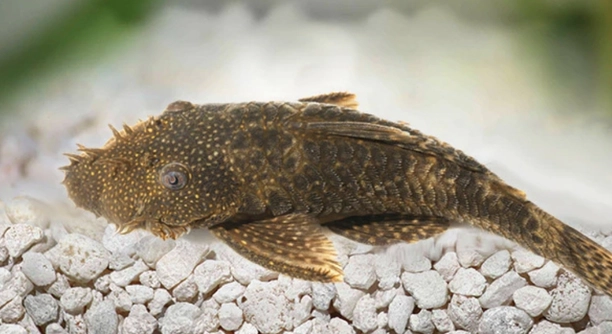
Caring for a Plecostomus can be tricky, especially when it comes to setting up the right environment. One common issue owners face is managing the filter system.
Mistakes made in maintaining the filter system can cause stress for your Plecostomus. Incorrect water flow, poor filtration, and improper placement can all affect their health, leading to stress and discomfort. Fixing these issues is crucial for their well-being.
Making a few adjustments to the filter setup will help ease your Plecostomus’ stress. Continue reading to learn what you can do to improve their environment and ensure their happiness.
Filter Flow Rate Too Strong
If your Plecostomus is stressed, it could be because the water flow is too strong. These fish prefer calm waters where they can move around without constantly fighting the current. Filters that are too powerful can make them anxious, preventing them from resting or finding food comfortably.
Reducing the flow rate of the filter can improve your Plecostomus’ quality of life. The ideal flow rate should gently move water, creating a mild current that mimics their natural habitat.
To fix this, try adjusting the filter’s output or use a sponge filter, which provides gentle filtration. If you have a high-powered filter, you can direct the output towards a corner or install a spray bar to spread the water more evenly. Keeping the flow rate balanced is key to ensuring your fish stays relaxed and healthy. A calm, peaceful environment will help your Plecostomus thrive, making it easier for them to feed and interact with their surroundings.
Inadequate Filtration
Poor filtration can cause problems with water quality, which can stress your Plecostomus. These fish are bottom dwellers that clean up leftover food, but they still need a clean environment.
Without proper filtration, toxins such as ammonia and nitrites can build up, making the water unsafe. A filter that doesn’t work well enough will not remove harmful waste, leading to cloudy water and unhealthy conditions.
To keep your Plecostomus healthy, you should invest in a filter that suits the size of your tank and the number of fish. A filter with a biological, mechanical, and chemical filtration system will help maintain water quality and create a stable environment. Keep your filter clean, but avoid over-cleaning, as this can disrupt beneficial bacteria. Also, remember to regularly monitor water parameters and change the water as needed. Maintaining proper filtration ensures your Plecostomus stays healthy and stress-free.
Incorrect Filter Placement
The placement of your filter plays a big role in water movement and filtration efficiency. If the filter is positioned too high or too low in the tank, it can create areas of uneven flow, affecting your Plecostomus.
Ideally, the filter should be placed in an area that allows for uniform water circulation. Placing it too close to the substrate or at the tank’s surface can create dead spots, where debris builds up and water doesn’t circulate properly. This can stress your Plecostomus, as it depends on clear water to feed and thrive.
To fix this, adjust the filter’s position so it optimizes water flow across the entire tank. Make sure that water reaches all areas of the tank, including the bottom. By ensuring the filter is placed well, you will improve your Plecostomus’ environment, reducing stress and making it easier for them to enjoy their space.
Over-filtering
Over-filtering your tank can cause stress for your Plecostomus. While clean water is essential, too much filtration can disrupt their natural behavior and comfort. Excessive water flow or constant filtration can make the tank environment feel unnatural.
To avoid this, choose a filter with the appropriate strength for your tank size. Plecostomus prefer a moderate, steady flow rather than excessive water movement. Ensure that the filter’s output is not too harsh, which could cause your Plecostomus to avoid certain areas of the tank. Proper filtration should create a calm environment without forcing your fish to constantly battle strong currents.
The key is balance. Ensure your filter maintains clean water but doesn’t cause discomfort for your Plecostomus. If necessary, you can add a flow reducer or baffle to lessen the intensity of the current. Monitoring the flow and adjusting the filter output helps keep your Plecostomus in a comfortable, low-stress habitat.
Poor Filter Maintenance
Not cleaning the filter regularly can lead to harmful build-up in your tank. If the filter is clogged, it won’t perform efficiently, causing dirty water and high stress for your Plecostomus.
Check your filter regularly for debris, and clean it every 2-4 weeks to maintain proper function. Regular maintenance ensures optimal filtration and helps maintain a healthy, balanced environment.
Inappropriate Filter Media
Using the wrong filter media can affect water quality and cause stress. Some media types may not capture debris as effectively, leading to poor filtration.
Make sure to choose filter media that suits your tank’s needs. Mechanical media catches debris, while biological media promotes healthy bacteria growth, essential for maintaining water quality. Keep the media clean to avoid clogs and maintain optimal filtration.
FAQ
How do I know if my Plecostomus is stressed by the filter?
If your Plecostomus is stressed, you might notice it hiding more often than usual, refusing to eat, or swimming erratically. It may also show signs of disorientation, such as struggling to maintain its position in the tank or staying near the tank’s edges. Stress from the filter usually results from strong water flow or poor water quality. Keeping an eye on these behaviors will help you identify if the filter is causing discomfort.
Can I use a filter that’s too strong for my Plecostomus?
A filter that’s too strong can be problematic for your Plecostomus. These fish thrive in calm waters, and high water flow can cause unnecessary stress. While it is important to have a filter powerful enough to keep the water clean, an overly strong flow will disturb the fish and make it difficult for them to rest. If you notice your Plecostomus being pushed around by the current or struggling to find food, it might be time to adjust the filter’s output.
How can I adjust the flow rate of my filter?
Many filters have adjustable flow rate settings. Look for a knob or dial on your filter that lets you increase or decrease the flow. If your filter doesn’t have a built-in adjustment, consider adding a baffle or spray bar. These accessories can diffuse the water flow, creating a more gentle current. Ensure that the current is mild but still effective enough to circulate water and prevent stagnant areas.
What is the best filter media for a Plecostomus tank?
The best filter media depends on your tank setup, but generally, a combination of mechanical, biological, and chemical filtration works best. Mechanical media, like sponge filters or floss, will catch physical debris, while biological media, such as ceramic rings or bio-balls, encourages healthy bacteria growth. For chemical filtration, activated carbon helps remove toxins and impurities. Keep the filter media clean and replace it regularly to ensure the water quality remains optimal.
How often should I clean my filter to keep it working properly?
Your filter should be cleaned every 2 to 4 weeks, depending on the size of your tank and the level of debris in the water. Cleaning too often can disrupt beneficial bacteria that help maintain a balanced tank. When cleaning, rinse the filter media in aquarium water (not tap water) to avoid killing the good bacteria. If you notice the water flow has decreased, it’s a sign the filter may need cleaning sooner.
Can over-filtering cause stress for my Plecostomus?
Yes, over-filtering can cause stress for your Plecostomus. While it’s important to keep the water clean, excessive filtration or strong currents can make your fish uncomfortable. Plecostomus prefer calmer waters, so too much filtration might disturb their natural behavior. If you notice your Plecostomus avoiding certain areas of the tank or struggling to move, you may want to reduce the filter flow or switch to a gentler filtration system.
What’s the best way to place the filter in my tank?
Positioning the filter correctly can help distribute the water flow evenly. Avoid placing the filter at the bottom of the tank, as this can create dead zones where debris accumulates. Place the filter near the top or at the back of the tank to ensure the water flows across the entire aquarium. Consider using a spray bar to help distribute the current more evenly if the filter’s output is too strong in one spot.
How can I tell if my Plecostomus is getting enough oxygen?
Plecostomus are bottom dwellers and usually get enough oxygen from the water if it’s properly circulated. If your Plecostomus seems lethargic or is staying near the surface of the water, it could indicate oxygen depletion. In such cases, increasing water movement or adding an air pump can help. Regularly check water parameters to ensure oxygen levels are sufficient for your fish.
Do I need to use a special filter for a Plecostomus tank?
While there isn’t a specific “Plecostomus filter,” the type of filter you choose should depend on the size of your tank and the water needs of the fish. A gentle, efficient filter that maintains a steady flow is ideal. Plecostomus tanks do well with sponge filters or canister filters that provide both mechanical and biological filtration. Make sure the filter is powerful enough to keep the tank clean but not too strong to stress your fish.
How can I tell if my Plecostomus is having trouble with the filter?
Signs of filter-related stress in a Plecostomus include frequent hiding, swimming erratically, or staying near the filter’s outflow. If your fish seems exhausted or disoriented, it might be because the water current is too strong. Pay attention to how your Plecostomus behaves around the filter and adjust the flow as needed. You may also notice your Plecostomus constantly avoiding certain areas of the tank. This could be a sign the filter placement or current is too harsh for them.
Can I use a filter for a larger tank in my Plecostomus tank?
Using a filter designed for a larger tank can be fine as long as the flow rate is adjustable. A stronger filter might help keep the water clean, but if the flow is too strong, it will stress your Plecostomus. Always make sure you can adjust the output, and watch your fish for signs of stress. A larger filter can also be helpful for maintaining water quality in bigger tanks with more fish. Just make sure the filter’s output is appropriate for your tank size and fish needs.
Final Thoughts
Ensuring your Plecostomus is happy and healthy involves paying attention to several factors in the tank environment, especially the filter system. The right filter can make a huge difference in their well-being. A filter that’s too strong or poorly placed can create unnecessary stress, leading to health issues for your fish. At the same time, improper maintenance or using the wrong filter media can result in poor water quality, which can also cause stress for your Plecostomus. It’s important to regularly monitor the condition of your filter and adjust settings as needed.
The flow rate of your filter should be balanced carefully. Plecostomus are bottom dwellers, so they prefer calm water to navigate comfortably. Too much current can be overwhelming for them, causing them to hide or become less active. On the other hand, too little flow can result in stagnant water, which is not ideal for maintaining good water quality. It’s also crucial to consider filter placement to ensure proper circulation. A filter positioned correctly ensures that water moves smoothly throughout the tank, avoiding dead spots that can collect debris. These adjustments are simple to make but go a long way in keeping your fish stress-free.
Finally, regular filter maintenance is key. Cleaning the filter every few weeks and replacing the media when necessary will ensure it’s always functioning properly. If the filter gets clogged or dirty, it won’t be able to clean the water as effectively, leading to poor water conditions. This can stress your Plecostomus and create a less than ideal environment for them to live in. By paying attention to the filter’s settings, placement, and maintenance, you can create a peaceful and healthy environment where your Plecostomus can thrive. The right balance of water flow and cleanliness is essential for their happiness and long-term health.

Hello,
If you enjoy the content that we create, please consider saying a "Thank You!" by leaving a tip.
Every little bit helps us continue crafting quality advice that supports the health, happiness, and well-being of pets around the world, for pets of all shapes, sizes, and species.
We really appreciate the kindness and support that you show us!