
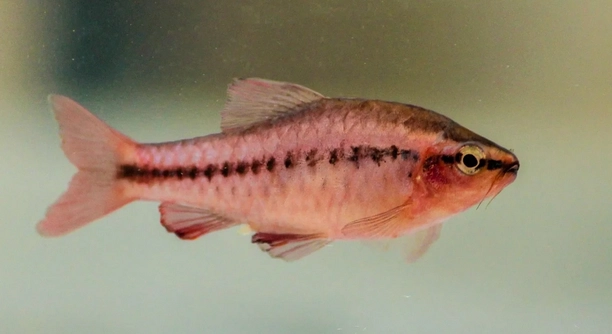
Cherry barbs are beautiful, colorful fish, but feeding them can sometimes be a challenge, especially if they are picky eaters. Understanding their feeding habits and preferences can help you provide the best care. This article offers simple tips to make feeding easier.
One of the most effective ways to manage picky Cherry Barbs is by offering a varied diet. Including a mix of high-quality pellets, live foods, and plant-based options can encourage your fish to eat and provide a balanced nutrition profile.
Learning the best ways to feed your picky Cherry Barbs can improve their health and happiness in your aquarium.
Provide a Balanced Diet with Variety
Cherry Barbs are often hesitant to eat the same food every day. A varied diet is crucial in keeping them interested and healthy. You can try mixing different types of fish food, including high-quality pellets, flakes, frozen foods, and live foods like brine shrimp or daphnia. These options mimic their natural feeding habits and can help stimulate their appetite. They also benefit from occasional vegetable matter like spinach, peas, or zucchini, which promotes digestion.
When feeding Cherry Barbs, it’s essential to offer small portions multiple times a day. This mimics their natural eating patterns and helps prevent overfeeding. You can also experiment with different food types at various times of the day to see which they prefer. Introducing live foods occasionally adds a sense of excitement to their meals. Cherry Barbs will appreciate this variety, making feeding time more enjoyable for both you and your fish.
By providing a variety of food options, you ensure your Cherry Barbs get all the nutrients they need. This will help keep them healthy, active, and colorful. If you’re unsure of what your fish prefers, it’s always worth trying different options to see what works best.
Keep Their Environment Clean and Stable
The condition of your Cherry Barbs’ environment greatly impacts their appetite. Dirty water or poor water quality can stress them out and reduce their interest in food. Maintaining stable water parameters like temperature, pH, and hardness is essential for their well-being. Stress can easily cause them to stop eating, so it’s important to avoid sudden changes in water conditions.
Regular water changes are essential in keeping the tank clean and free from harmful toxins. A good filtration system will also help, but you should still check the water regularly with testing kits. If your tank water is clean and the temperature remains stable between 72°F and 78°F, your Cherry Barbs will feel more at ease and will likely eat better. Monitoring water quality also reduces the risk of illnesses that could affect their appetite.
Try Feeding at Different Times of the Day
Cherry Barbs can be finicky eaters, and the time of day you feed them can influence their appetite. Try feeding them at different times to see when they are most active and hungry. Early morning or late evening can be particularly effective times for offering food.
You may notice that your Cherry Barbs are more willing to eat at certain times of the day, especially when they are more active. Some fish are naturally more inclined to eat at dusk or dawn, mimicking their behavior in the wild. Adjusting your feeding schedule can help ensure they’re more likely to take the food offered. By keeping an eye on their eating patterns, you’ll be able to tailor your feeding routine to suit their natural behavior.
Feeding your fish during their most active times can lead to a healthier and happier tank. This simple change could help solve many feeding challenges and ensure your Cherry Barbs receive the nutrition they need.
Offer Live or Frozen Foods
Live or frozen foods are often more enticing for picky Cherry Barbs. They mimic the type of food these fish would consume in the wild, which can help stimulate their feeding response. Offering foods like brine shrimp, bloodworms, or daphnia can encourage your fish to eat more regularly.
Live foods not only offer more variety but also provide a different texture that your Cherry Barbs may find more appealing. These foods can be an excellent choice if you’re struggling to get your fish to eat dry food. However, it’s important to offer these foods in moderation, as too much can upset the balance of their diet. You can alternate between live or frozen foods and pellets to keep their meals interesting.
Frozen foods are easy to store and can be a cost-effective way to offer variety. By introducing live or frozen foods, you can spark your fish’s interest and improve their feeding habits.
Use High-Quality Pellets
High-quality pellets are a great option for feeding your Cherry Barbs. They contain the necessary nutrients and are designed to meet the dietary needs of aquarium fish. Look for pellets that are specifically formulated for small fish to ensure proper feeding.
The right pellets can help provide balanced nutrition and encourage your Cherry Barbs to eat regularly. Pellets come in different sizes, so be sure to choose ones that match the size of your fish’s mouth. You can experiment with different brands and ingredients to find what works best for your fish.
Offering the right type of pellet ensures that your Cherry Barbs are getting the nutrition they need while keeping them satisfied.
Avoid Overfeeding
Overfeeding can be a common problem when dealing with picky eaters. It’s important to provide just enough food that they can consume in a few minutes. Overfeeding can lead to water pollution and uneaten food, which affects the tank’s health.
Ensure you are only feeding small amounts multiple times a day. This helps prevent waste and reduces the chances of excess food floating around in the tank. By sticking to a proper feeding routine, your Cherry Barbs will eat in a more controlled and healthy way, promoting their well-being.
Offer Vegetable Matter
Cherry Barbs benefit from occasional vegetable matter in their diet. Foods like spinach, peas, and zucchini can help with digestion and provide essential vitamins. These plant-based foods add variety to their meals, which can encourage picky eaters to eat more.
Vegetable matter also gives your Cherry Barbs the opportunity to nibble and graze, mimicking their natural feeding habits. Offering these foods once or twice a week helps maintain a balanced diet, giving your fish the nutrients they need. Always remove any uneaten vegetable matter to keep the tank clean.
FAQ
Why won’t my Cherry Barbs eat?
There could be a variety of reasons why your Cherry Barbs aren’t eating. The water conditions might be off, or they could be stressed due to sudden changes in the environment. Ensure that the water temperature is between 72°F and 78°F, and check the pH and hardness levels. Poor water quality, such as high ammonia or nitrite levels, can also cause them to stop eating. It’s also possible they don’t like the food you’re offering. Try offering a variety of foods to see what they prefer, like live or frozen options, and ensure you are feeding them in small portions. Lastly, sometimes new fish need time to settle into their new environment before they feel comfortable eating.
How often should I feed my Cherry Barbs?
Cherry Barbs should be fed small amounts 2-3 times per day. They are small fish with high metabolism, so feeding them multiple times a day ensures they get enough nutrition without overfeeding. You should give them only as much food as they can eat in a few minutes, and remove any uneaten food to prevent water quality issues. Overfeeding can lead to uneaten food building up in the tank, causing water pollution and other health problems. Consistency is key to maintaining their appetite and overall well-being.
What foods are best for picky Cherry Barbs?
For picky eaters, a varied diet is essential. Start with high-quality pellets designed for small fish. These pellets should be rich in nutrients and easy for Cherry Barbs to digest. Live foods like brine shrimp, bloodworms, and daphnia can encourage them to eat more. You can also offer frozen foods to introduce variety. Vegetables like peas, spinach, and zucchini are also good additions to their diet. The key is to experiment with different foods and observe what they prefer. Changing up the diet regularly can help keep them interested in their meals.
Can Cherry Barbs eat algae or plants?
Yes, Cherry Barbs are omnivores and can eat some types of algae and plants. They will graze on soft algae and plant matter, which helps them stay active and healthy. Offering blanched vegetables, like zucchini, spinach, or cucumber, is a good way to give them plant-based foods. However, they do not usually eat hard, thick plants, and some aquarium plants may be more for decoration rather than food. Including some algae wafers in their diet is also a good option for supplementing their plant intake.
How do I encourage my Cherry Barbs to eat more vegetables?
If your Cherry Barbs are hesitant to eat vegetables, try offering blanched veggies, as they become softer and easier to eat. Start with small pieces of spinach, zucchini, or peas. You can also try lightly boiling the vegetables before offering them. Another trick is to use a clip to attach the veggies to the side of the tank, allowing your Cherry Barbs to nibble on them as they swim by. Offering vegetables at different times of the day, along with other types of food, can also increase the chances of them eating more plant matter.
What is the best temperature for feeding Cherry Barbs?
Cherry Barbs are comfortable with water temperatures between 72°F and 78°F (22°C to 26°C). The temperature should be stable, as extreme fluctuations can stress them out and lead to a loss of appetite. Feeding them at their preferred temperature range ensures they remain active and healthy. If the water temperature is too low or too high, their metabolism can slow down, affecting their appetite. Make sure to keep the tank’s temperature within this range for optimal feeding and overall health.
How can I tell if my Cherry Barbs are getting enough food?
You can tell if your Cherry Barbs are getting enough food by observing their body condition. Healthy Cherry Barbs should appear active and have a smooth, slightly rounded belly, not too thin or bloated. If they seem lethargic or have visible signs of malnutrition (like sunken bellies), it could be a sign that they’re not getting enough food. Additionally, watch their behavior during feeding. If they eagerly swim to the food and eat it quickly, they’re likely getting enough. If food is being ignored or left uneaten, try adjusting the type and amount of food offered.
Is it normal for Cherry Barbs to be picky eaters?
Yes, it’s fairly common for Cherry Barbs to be picky eaters, especially when they are first introduced to a new tank. They may take time to adjust to their new environment and food sources. Stress, unfamiliar surroundings, or water quality issues can contribute to their reluctance to eat. Offering a variety of foods, including live or frozen options, can help entice them to eat. Be patient and give them time to settle in. Once they feel more comfortable, their appetite should improve.
How long can Cherry Barbs go without eating?
Cherry Barbs can typically go without food for about 3-4 days without significant harm. However, it’s not ideal to withhold food for extended periods. If your fish are not eating, it’s important to identify the underlying cause, such as stress, poor water quality, or health issues. A few days without food may not be a problem, but if they continue to refuse food, you should check their environment and health to determine the reason. Always address any issues promptly to avoid longer-term health problems.
Final Thoughts
Feeding picky Cherry Barbs doesn’t have to be a frustrating experience. By understanding their needs and adjusting your approach, you can help them thrive in your aquarium. One of the most important factors is offering a varied diet. Mixing high-quality pellets with live or frozen foods will give them the variety they need to stay interested in eating. Additionally, plant-based foods like spinach and peas can be a healthy supplement to their diet. Cherry Barbs are omnivores, and a mix of protein and vegetables will provide them with the nutrition they need.
Maintaining stable water conditions is another key factor in encouraging your Cherry Barbs to eat. Poor water quality or sudden changes in the environment can cause stress and make your fish lose their appetite. Regular water changes, monitoring temperature and pH levels, and ensuring good filtration can go a long way in making your fish feel comfortable and willing to eat. If you notice that your Cherry Barbs are still refusing food, it may be a sign of underlying water quality issues or health problems. Always address water conditions first before trying different feeding strategies.
Finally, be patient with your Cherry Barbs. Fish can be sensitive to changes in their surroundings, and it may take time for them to adjust. Offering food at different times, trying new types of food, and ensuring they feel safe and comfortable in their environment will all help them develop healthy eating habits. With a little experimentation and attention to detail, you can create an enjoyable feeding routine for your Cherry Barbs.

Hello,
If you enjoy the content that we create, please consider saying a "Thank You!" by leaving a tip.
Every little bit helps us continue crafting quality advice that supports the health, happiness, and well-being of pets around the world, for pets of all shapes, sizes, and species.
We really appreciate the kindness and support that you show us!