
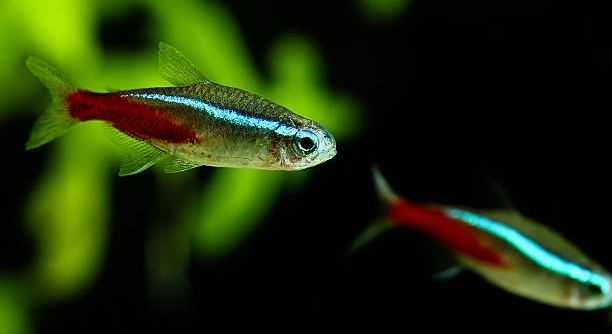
Tetras are popular aquarium fish known for their bright colors and peaceful nature. Feeding them properly is important to keep the whole school healthy and active. Small changes in feeding habits can make a big difference in their well-being.
To maintain a healthy tetra school, it is essential to provide balanced, varied food in appropriate amounts and intervals. Overfeeding or poor nutrition can lead to health problems, so consistent feeding routines support growth and reduce waste.
Learning these simple feeding tricks can improve your tetra school’s health and create a more vibrant aquarium environment.
Choose the Right Food for Your Tetras
Choosing the right food is key to keeping your tetra school healthy. Most tetras thrive on high-quality flakes or pellets designed for small tropical fish. These foods provide balanced nutrients that support their energy and color. Including occasional live or frozen foods, such as brine shrimp or daphnia, adds variety and stimulates natural feeding behaviors. Avoid feeding only one type of food as this can lead to nutritional gaps. Freshness matters too — old or stale food loses nutritional value and may harm water quality. Feeding your tetras food that sinks too quickly can cause it to decay on the tank bottom, so choose floating or slow-sinking options. Feeding small amounts multiple times a day is better than one large feeding to avoid overeating and reduce waste. Watching how your tetras eat helps you adjust the food type and amount as needed, improving their overall health.
Proper food choice supports vibrant colors and active swimming. It also helps prevent common health issues like swim bladder problems or malnutrition.
Many tetras enjoy a mix of flakes with occasional live foods to keep their diet balanced. You can vary the diet weekly to provide essential nutrients and encourage natural foraging behavior. Always remove uneaten food promptly to maintain clean water, as excess food can lead to ammonia spikes. Introducing new foods gradually helps your fish adapt without stress. Over time, you will notice healthier fish with brighter colors and increased activity. This simple feeding adjustment is one of the best ways to promote long-term health in your tetra school.
Feed Small Amounts Frequently
Feeding small amounts multiple times a day is better than one big meal. Tetras have small stomachs and digest food quickly, so smaller feedings keep their energy steady and avoid waste buildup.
Frequent, controlled feedings reduce leftover food in the tank. This keeps the water cleaner and reduces the chance of algae growth or harmful bacteria. Overfeeding often leads to poor water quality, which can stress your fish and cause illness. By offering food two to three times a day in small portions, you match their natural eating habits more closely. This approach also helps you monitor their health, as changes in appetite become more obvious. Adjust feeding amounts based on how quickly the fish eat within a few minutes, removing any excess. With consistent small feedings, your tetra school will stay healthier and the tank environment will remain stable longer. This method takes some attention but pays off in better water quality and fish vitality.
Avoid Overfeeding Your Tetras
Overfeeding can quickly harm your tetra school. Extra food not eaten by your fish will decompose, causing poor water quality and stress. Keeping portions small and controlled helps prevent these issues.
When tetras are overfed, uneaten food breaks down and raises ammonia and nitrate levels in the tank. This can lead to cloudy water and unhealthy conditions that promote disease. Excess food can also cause obesity in fish, affecting their swimming and overall health. It is best to feed only what the fish can eat in about two minutes, removing leftovers promptly. Watching how quickly your fish finish their food allows you to adjust feeding amounts accurately. Regular water testing helps spot early signs of water quality problems caused by overfeeding, allowing timely action.
Maintaining a strict feeding schedule with measured portions supports clean water and healthy fish. It reduces the need for extra tank maintenance and helps your tetra school thrive longer with fewer health problems.
Use Feeding Tools for Precision
Feeding tools like small scoops, feeding rings, or syringes help deliver food in the right amount and place. These tools reduce waste and ensure all tetras get food evenly.
Using a feeding ring keeps food in one spot and prevents it from spreading all over the tank. This avoids excess food sinking to the bottom and rotting. Small scoops help measure food precisely, avoiding guesswork. Syringes or pipettes are useful for feeding live or frozen foods, controlling portion size carefully. These tools also help reduce stress by making feeding times predictable and less chaotic. With consistent feeding routines and proper tools, your tetras learn when and where to find food, promoting healthier feeding behavior and better tank hygiene. Feeding tools are a simple investment that can improve the health of your entire tetra school.
Keep Feeding Times Consistent
Feeding your tetras at the same times every day helps regulate their digestion and behavior. Fish get used to routine, which reduces stress and competition during feeding.
Consistent feeding times also make it easier to monitor their health. Changes in appetite or activity become more noticeable when the schedule is steady. This habit supports a stable tank environment by minimizing leftover food and waste buildup.
Avoid Feeding Floating Food Only
Relying solely on floating food can cause problems. Some tetras prefer feeding throughout the water column, so sinking or slow-sinking options ensure all fish get enough nutrition.
Remove Uneaten Food Quickly
Uneaten food can pollute the tank water quickly. Removing leftovers soon after feeding prevents water quality issues and keeps your tetras healthy and happy.
How often should I feed my tetra school?
Feeding your tetra school two to three times a day in small portions works best. Tetras have small stomachs and digest food quickly, so frequent feedings keep their energy steady without overloading the tank. Smaller meals reduce leftover food, which helps maintain water quality and prevents health issues. It’s important to feed only what the fish can consume within two to three minutes and remove any uneaten food promptly. Consistent feeding times also help regulate their digestion and reduce stress.
What is the best food to feed tetras?
High-quality flakes or pellets formulated for tropical fish are the most suitable staple foods for tetras. These foods offer a balanced mix of nutrients needed for growth and color vibrancy. Adding live or frozen foods like brine shrimp or daphnia occasionally provides extra protein and stimulates natural hunting behavior. Avoid feeding only one type of food to prevent nutritional deficiencies. Make sure the food is fresh and appropriate in size so the tetras can eat comfortably without choking or wasting food.
Can I feed my tetras human food or leftovers?
Feeding tetras human food or leftovers is not recommended. Many human foods contain ingredients that can harm fish or pollute the water. Leftover foods may introduce harmful bacteria or chemicals that disrupt tank balance. It’s best to stick to fish-specific foods to ensure your tetras receive the right nutrients. If you want to supplement their diet, choose live, frozen, or specially formulated foods made for aquarium fish.
What happens if I overfeed my tetras?
Overfeeding causes uneaten food to sink and decay, raising ammonia and nitrate levels in the water. This degrades water quality and stresses your fish, making them more prone to disease. Excess food can also lead to obesity, affecting fish movement and health. Overfeeding disrupts the tank’s ecosystem and requires more frequent cleaning or water changes. Feeding controlled amounts and removing leftovers promptly helps keep your tetra school healthy and the tank environment stable.
How do I know if my tetras are hungry or full?
Tetras usually show clear signs when they are hungry, such as swimming actively near the surface or the feeding area. They will eagerly chase food when it is introduced. Once full, they slow down or lose interest in eating. Feeding only what they consume in a few minutes helps avoid leftovers and waste. Regular observation during feeding times helps you understand their appetite and adjust portions accordingly.
Should I use feeding tools in my aquarium?
Using feeding tools like small scoops, feeding rings, or syringes helps deliver precise food amounts and keeps feeding organized. Feeding rings prevent food from spreading throughout the tank, reducing waste and water pollution. Syringes or pipettes are useful for feeding live or frozen foods directly to your tetras. These tools help reduce stress by making feeding times calmer and more controlled, benefiting both fish and tank cleanliness.
Can I feed tetras only floating food?
Feeding only floating food is not ideal for tetras. Some tetras prefer to eat at different levels of the tank, including mid-water or near the bottom. Providing sinking or slow-sinking foods ensures all fish have access to nutrition. This variety supports natural feeding behaviors and reduces competition. A balanced mix of floating and sinking food types helps maintain a healthy and well-fed tetra school.
How should I handle uneaten food?
Uneaten food should be removed as soon as possible after feeding to prevent water pollution. Leftover food decomposes quickly, increasing harmful chemicals like ammonia. Use a small net or siphon to take out uneaten food. Keeping the tank clean reduces stress and disease risks for your tetras. Removing leftovers regularly supports a healthier environment and reduces the need for frequent water changes.
What feeding schedule works best for a new tetra school?
For a new tetra school, start with small, frequent feedings twice a day. Observe how much they eat within two to three minutes and remove excess food. As the fish adjust to their new home, maintaining consistent feeding times helps regulate their metabolism and reduce stress. Once established, you can adjust feeding frequency slightly based on their appetite and tank conditions. A steady routine promotes healthy growth and tank balance.
Is it okay to feed tetras once a day?
Feeding tetras once a day is possible but less ideal. Tetras benefit from smaller, more frequent meals because they have fast metabolisms and small stomachs. Feeding once daily may cause overeating or leftovers that harm water quality. If feeding once a day, ensure the portion size is moderate and watch for uneaten food. Frequent feeding reduces waste and keeps tetras more active and healthy.
How can I tell if my tetras are getting enough food?
If your tetras have bright colors, active swimming, and clear eyes, they are likely well-fed. Healthy tetras show good appetite during feeding and maintain steady growth. Lack of aggression during meals or constant chasing can indicate balanced feeding. If fish appear thin, pale, or inactive, they may need more food or better nutrition. Observing their behavior and appearance regularly helps you fine-tune feeding amounts to meet their needs.
Feeding a tetra school properly is a key part of keeping them healthy and happy. Using the right food, feeding the correct amounts, and keeping a consistent schedule all work together to support your fish’s well-being. When tetras get balanced nutrition, they show brighter colors, swim actively, and live longer. It is important to avoid overfeeding, as leftover food can quickly harm water quality and cause health issues. Watching how your fish eat helps you adjust portions and choose the best feeding routine for them. Taking these steps does not require a lot of effort but makes a big difference in the aquarium’s overall health.
Careful feeding also helps maintain a clean and stable tank environment. Uneaten food that stays in the tank can lead to increased waste buildup and harmful chemicals like ammonia. These substances stress your fish and create conditions where diseases can develop. Using feeding tools and removing leftover food right after feeding can prevent this problem. Feeding small amounts several times a day matches your tetras’ natural habits and keeps water cleaner. When the tank stays clean, you spend less time on water changes and tank maintenance. This balance benefits both you and your fish by reducing stress for all.
Finally, creating a feeding routine that suits your tetra school builds trust and reduces their stress. Fish adapt well to regular schedules, and consistent feeding times help regulate their metabolism. Mixing different types of food, like flakes, pellets, and occasional live or frozen treats, keeps their diet balanced and interesting. Paying attention to their eating behavior and tank conditions lets you make small adjustments that improve their health. Feeding your tetras properly is one of the best ways to enjoy a vibrant and lively aquarium for years to come.

Hello,
If you enjoy the content that we create, please consider saying a "Thank You!" by leaving a tip.
Every little bit helps us continue crafting quality advice that supports the health, happiness, and well-being of pets around the world, for pets of all shapes, sizes, and species.
We really appreciate the kindness and support that you show us!