
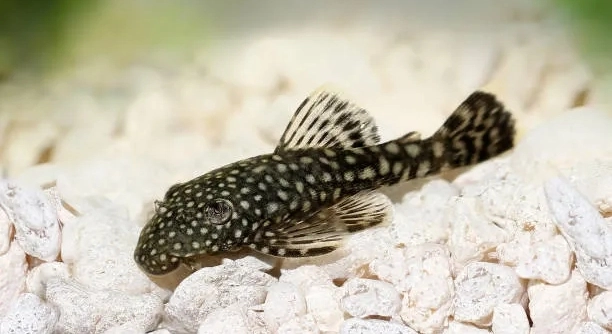
Taking care of plecos involves more than just providing the right food. The feeding process can often feel complicated, but with the right tools, it doesn’t have to be. These tools can simplify feeding and improve your pleco’s overall diet.
Feeding plecos can be easier with the right tools, such as specialized feeding clips, sinking pellets, and feeding rings. These items help maintain a clean tank, prevent overfeeding, and ensure your pleco gets the right amount of food at the right time.
From choosing the best feeding clips to knowing how to use feeding rings effectively, we’ll explore the tools that can make meal times easier for you and your plecos.
Feeding Clips: A Simple Way to Keep Meals in Place
Feeding clips are an easy way to ensure your pleco gets the right amount of food without it floating away. These clips securely hold algae wafers or other foods and allow you to position them at the bottom of the tank, where plecos prefer to feed. It also prevents food from floating around the tank, which could lead to unnecessary waste and water quality issues. You can attach the clip to the side or bottom of the tank, depending on the best location for your pleco to access it.
Feeding clips can be particularly helpful when dealing with larger plecos or other tank mates who might compete for food. By using a feeding clip, you ensure the pleco’s meal stays in place and is easily accessible.
The main benefit of feeding clips is that they allow you to control portion sizes. Overfeeding is a common issue, but with clips, you can place just the right amount of food without it sinking and cluttering the tank. They help keep things neat while still giving your pleco the chance to enjoy its meal at its own pace.
Sinking Pellets: A Pleco’s Favorite Meal
Sinking pellets are an essential part of a pleco’s diet, providing them with the nutrients they need while sinking to the bottom. Plecos are bottom feeders and are naturally inclined to consume food that sinks. These pellets don’t float on the surface, making them perfect for plecos who spend most of their time near the bottom of the tank.
Unlike other types of fish food that might float away or get eaten by other fish, sinking pellets stay put. This helps ensure that plecos get their fair share of nutrients. Additionally, sinking pellets are available in various formulations, tailored to the dietary needs of different pleco species. Some pellets contain algae, while others provide proteins or vegetables, ensuring that your pleco gets a balanced diet.
By using sinking pellets, you also help maintain the cleanliness of your tank. Since the food sinks and doesn’t float around, it’s less likely to create debris that could affect water quality. This makes feeding both easier and cleaner for you, while ensuring your pleco enjoys a nutritious meal.
Feeding Rings: Helping Plecos Focus on Their Meal
Feeding rings are simple but effective tools for controlling where food goes in your tank. They create a designated space where plecos can feed without competition from other fish. This is particularly useful if you have multiple fish in the same tank. The ring helps keep the food contained, preventing it from floating away or being eaten by other fish.
Using feeding rings also makes it easier to monitor the amount of food your pleco is consuming. Instead of scattering food around the tank and hoping the pleco finds it, you can place it inside the ring, allowing your pleco to eat at its own pace. This can also reduce the risk of overfeeding, as you can control exactly how much food is given.
Additionally, feeding rings keep the feeding area cleaner. Since the food stays in one place, it doesn’t get scattered across the tank, reducing the chance of leftover food decaying and affecting water quality. By using a feeding ring, you ensure that your pleco’s meals stay organized and that the tank remains in better condition.
Automatic Feeders: Set It and Forget It
Automatic feeders offer a convenient way to ensure your pleco is fed regularly without needing constant attention. These devices dispense food at scheduled intervals, making them ideal for busy individuals or those with multiple tanks. You can adjust the feeding schedule, ensuring that your pleco receives food at the right time, even when you’re not home.
These feeders are especially helpful for plecos that require consistent meals. By setting the feeder to dispense a small amount of food daily, you reduce the risk of overfeeding or forgetting to feed your pleco. Some models even allow you to control the portion size, which is essential for managing your pleco’s diet.
Automatic feeders also help maintain a clean tank. Since the food is dispensed in controlled amounts, there’s less chance of excess food floating around, causing tank contamination. This tool ensures your pleco gets regular meals while also promoting better water quality, making it a helpful addition to any pleco owner’s toolkit.
Algae Scrapers: Keeping Your Pleco’s Feeding Area Clean
Algae scrapers are vital for maintaining the cleanliness of your tank, especially around your pleco’s feeding area. Plecos feed on algae, and their tendency to graze can sometimes lead to an accumulation of algae on the tank walls. Using a scraper removes excess buildup, preventing it from interfering with feeding.
By regularly cleaning the tank with an algae scraper, you help your pleco access its food without distractions. Excess algae can cloud the water and obstruct the pleco’s feeding area. Scraping algae from the tank walls ensures that your pleco can graze freely and focus on its meals.
Additionally, using an algae scraper improves overall tank aesthetics. Algae buildup not only impacts feeding but also makes the tank appear untidy. By keeping the tank walls clean, you create a better environment for both your pleco and any other tank inhabitants.
Fish Tweezers: Helping You Place Food Precisely
Fish tweezers allow you to place food exactly where you want it in the tank. This is especially useful if you’re feeding delicate items like frozen food or vegetables. With tweezers, you can position food near the bottom or in an area where your pleco can easily reach it.
These tools also prevent you from introducing your hands into the water, which can disrupt the tank environment and introduce oils or contaminants. By using tweezers, you ensure a clean and precise feeding experience for your pleco without disturbing the water or creating unnecessary stress for the fish.
Fish tweezers also help you avoid overfeeding. You can place small amounts of food directly where your pleco can consume it, reducing waste and improving tank cleanliness. This simple tool can make feeding easier and more controlled for both you and your pleco.
Food Dispensers: Simple Feeding Solutions
Food dispensers are another option for ensuring your pleco gets the right amount of food at the right time. These devices can be adjusted to control portion sizes, preventing overfeeding. They often have compartments that release food gradually, keeping things neat and helping with consistent feeding.
Using food dispensers reduces the chance of forgetting to feed your pleco. You can fill the dispenser in advance, so it releases food automatically over time. This ensures that your pleco always has access to meals without you needing to intervene regularly. It’s a great tool for keeping feeding on track.
Floating Food: A Convenient Option for Surface Feeders
Floating food can be a useful option for plecos that feed near the surface of the water. Items like floating pellets or wafers can be placed in strategic areas to ensure your pleco receives its meal without interference from other fish. It also allows for easy monitoring of how much food is being consumed.
Floating food options can be especially beneficial for plecos that might have trouble locating sinking pellets. It’s important to choose high-quality floating food that meets your pleco’s nutritional needs, as these can often be more prone to nutrient loss if left on the surface too long. Proper monitoring ensures your pleco gets the most from its meal.
Feeding Platforms: Targeted Feeding Zones
Feeding platforms provide a designated spot for your pleco to eat without distractions. These platforms can be placed at the bottom of the tank, where plecos feel most comfortable. They help keep food contained in one area, making it easier for the pleco to focus on its meal.
These platforms are also great for preventing competition with other tank mates. By using a feeding platform, you can ensure that your pleco gets enough food without other fish crowding it. The platform keeps the meal in a fixed location, which also helps maintain cleaner water.
FAQ
What is the best way to feed plecos?
The best way to feed plecos is to provide them with sinking pellets, algae wafers, and occasional fresh vegetables. Plecos are bottom feeders, so they prefer food that sinks. You should offer food in controlled portions to avoid overfeeding and keep the tank clean. Using feeding clips or rings can help keep the food in one place, making it easier for your pleco to access.
How often should I feed my pleco?
Plecos typically require feeding once or twice a day, depending on their size and the type of food being offered. Younger plecos may need more frequent meals, while adults can get by with one feeding per day. Always remove uneaten food after a few hours to maintain water quality and prevent overfeeding.
Can I feed my pleco vegetables?
Yes, plecos enjoy eating vegetables like zucchini, cucumber, and spinach. These should be blanched or cut into small, manageable pieces for easy access. Vegetables provide plecos with fiber and essential nutrients, complementing their diet of algae and protein-based foods. You can rotate vegetables to keep things varied.
How do I prevent overfeeding my pleco?
To prevent overfeeding, use tools like automatic feeders or feeding rings to control the amount of food being dispensed. Only offer a small portion of food that your pleco can consume within a few hours. It’s also important to monitor the amount of food your pleco is eating to avoid excess food in the tank.
Can plecos eat fish flakes or floating food?
While plecos primarily feed on sinking foods, they can occasionally eat fish flakes or floating food if they sink to the bottom. However, it’s not ideal as plecos are bottom dwellers. Floating food can be eaten by other tank mates before the pleco gets a chance, so it’s better to focus on sinking options.
What types of food should I avoid feeding my pleco?
Avoid feeding your pleco processed or sugary foods like bread, cookies, or anything that’s not part of their natural diet. Avoid feeding them meat-based foods or any foods with high fat content, as these can cause digestive issues. Stick to algae wafers, sinking pellets, and fresh vegetables.
Can plecos eat algae in the tank?
Yes, plecos love eating algae, and they can help keep the tank clean by grazing on it. However, they may not be able to control large algae blooms on their own. Regular maintenance and tank cleaning are necessary, but plecos can certainly assist in keeping algae growth under control.
How can I tell if my pleco is hungry?
If your pleco is constantly grazing on surfaces or actively searching for food, it may be hungry. Plecos are bottom feeders, so they tend to search for food on the tank floor, walls, and decorations. If they are not eating, there might be an issue with the food offered or water conditions.
Are there any foods that will help my pleco grow faster?
A balanced diet consisting of high-quality algae wafers, sinking pellets, and fresh vegetables is the best way to support healthy growth. For faster growth, provide protein-rich foods, such as spirulina, and make sure the food is high in fiber. The right mix of nutrients will encourage your pleco’s growth without causing health problems.
Can I feed my pleco frozen foods?
Yes, frozen foods like bloodworms, brine shrimp, or daphnia can be a good occasional treat for your pleco. These foods should be thawed before offering them to your pleco. Frozen foods add variety to the diet, but they should not be the main source of nutrition.
How do I maintain a clean tank while feeding plecos?
To maintain a clean tank, ensure you feed your pleco controlled portions and remove any uneaten food after a few hours. Consider using feeding tools like clips or rings to keep food contained, which reduces waste. Regular tank cleaning, such as scraping algae and vacuuming the substrate, is also important.
How can I tell if my pleco is unhealthy?
Signs of an unhealthy pleco can include a loss of appetite, lethargy, or abnormal swimming behavior. You may also notice changes in color, unusual marks, or lesions on their body. If your pleco shows these signs, it’s essential to test the water quality and consult with a vet if necessary.
Should I feed my pleco every day?
Feeding your pleco daily is generally recommended, especially for younger plecos or more active species. Adult plecos can sometimes be fed every other day, depending on their size and activity level. Be sure to monitor how much they’re eating to avoid overfeeding, which can lead to water quality issues.
Final Thoughts
Feeding your pleco doesn’t have to be complicated. With the right tools and a consistent feeding routine, you can easily provide the proper diet for your pleco while keeping your tank clean and healthy. The key is to choose the right food, offer it in controlled amounts, and make sure your pleco has a comfortable place to feed. By following these steps, you can help ensure your pleco gets the nutrition it needs and that your tank remains a safe and clean environment.
Tools like feeding clips, rings, and automatic feeders can make a big difference in your pleco’s feeding routine. These tools help control portion sizes, prevent overfeeding, and ensure the food stays in one place, making feeding easier for both you and your pleco. Automatic feeders are especially helpful for busy owners, as they ensure your pleco is fed regularly without the need for constant attention. Algae scrapers and feeding platforms can also help keep the tank clean and reduce the amount of food waste, which is important for maintaining good water quality.
At the end of the day, taking care of your pleco means offering a balanced diet and keeping its feeding area free from clutter. With a little attention to detail and the use of proper feeding tools, you can make feeding time easier and more efficient. Whether you’re feeding sinking pellets, vegetables, or occasional treats, providing a consistent, healthy diet will help your pleco thrive in a well-maintained tank. This routine not only supports your pleco’s health but also contributes to a happy and clean aquarium environment.

Hello,
If you enjoy the content that we create, please consider saying a "Thank You!" by leaving a tip.
Every little bit helps us continue crafting quality advice that supports the health, happiness, and well-being of pets around the world, for pets of all shapes, sizes, and species.
We really appreciate the kindness and support that you show us!