
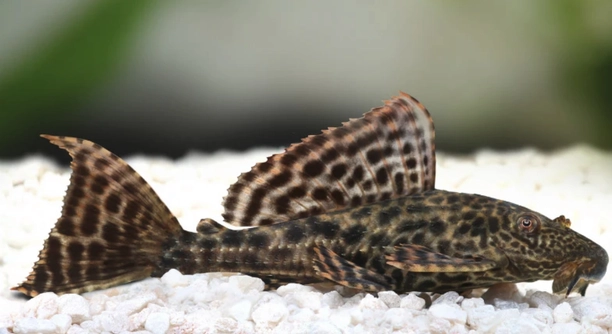
Plecos are popular aquarium fish known for their algae-eating habits, but providing the right care for them can sometimes feel challenging. One important aspect of their care is ensuring they get the proper food in the right way.
Feeding tools designed specifically for plecos can make their care much easier. Items like feeding tongs, algae clips, and automatic feeders help ensure that your pleco receives the right nutrition without causing stress or mess in the aquarium.
With the right tools, your pleco’s feeding process can be more streamlined and effective. These tools help avoid common feeding mistakes and promote a healthier environment for your fish.
Algae Clips: A Must-Have for Plecos
Algae clips are essential for feeding plecos. These tools allow you to securely attach algae wafers or fresh vegetables to the aquarium. Plecos love to graze on algae, but without an algae clip, food can float around and become difficult for them to reach. With an algae clip, you ensure that the food stays in place and your fish can enjoy it without stress.
Using an algae clip also keeps your tank cleaner by preventing food from floating freely. This minimizes the amount of food waste that sinks to the bottom, which could cause water quality issues.
Many plecos prefer fresh veggies like zucchini, cucumber, or spinach, and algae clips are ideal for holding these foods securely in place. They are easy to use, and with a little practice, you’ll notice how much more enjoyable it is to feed your pleco. You can even adjust the clip’s placement to make sure your pleco has easy access. It’s a simple solution to ensure they stay well-fed and healthy.
Feeding Tongs: Precision for Pleco Care
Feeding tongs are another helpful tool.
These tongs give you control over where you place food in the tank. With feeding tongs, you can carefully place algae wafers or other treats exactly where your pleco likes to eat, without disturbing the tank environment. This can prevent unnecessary messes.
Feeding tongs are great for offering plecos live food, such as worms or small shrimp, without getting your hands wet. It also keeps your fingers safe from sharp objects in the tank, like decorations or rocks. With the right tongs, you can offer plecos food without causing stress or stirring up the substrate, which is important for maintaining a calm and clean aquarium. Plus, it’s easier to remove any leftover food after feeding, reducing the risk of water contamination.
Automatic Feeders: Convenient Feeding Solution
Automatic feeders are a game-changer when it comes to pleco care. They help maintain a consistent feeding schedule, especially when you’re away or busy. These feeders can be set to release food at specific times, ensuring your pleco gets a steady supply of food throughout the day.
Not only do automatic feeders take the guesswork out of feeding, but they also help prevent overfeeding. Overfeeding can lead to poor water quality, and with a controlled feeding system, it’s easier to avoid this issue.
They come in different designs, from basic timers to more advanced models with adjustable portion sizes. Some even work with pellets or wafers, perfect for plecos. With an automatic feeder, your fish will always have food available at the right time, and you won’t have to worry about missed feedings or disrupting their routine. It’s an efficient and reliable tool for busy aquarium owners.
Feeding Blocks: A Simple Supplement
Feeding blocks offer a straightforward solution for supplemental feeding.
These blocks slowly dissolve in the water, releasing nutrients for your pleco over time. They are particularly useful for when you need to leave your fish for an extended period or don’t want to worry about daily feeding.
Feeding blocks come in different formulas, some with added minerals and vitamins to ensure plecos get a balanced diet. They are easy to use and provide a hassle-free way of supplementing your pleco’s diet when you can’t be around to feed them manually. Although not a substitute for regular feeding, they help support your fish when you need extra convenience.
Feeding Dishes: Keep It Clean
Feeding dishes help keep your tank clean and prevent food from floating around. By using a feeding dish, you can place the food in one area, making it easier for your pleco to find and consume. This also helps reduce waste and keeps your aquarium tidy.
These dishes come in various sizes and designs, suitable for different types of food. You can use them for algae wafers, vegetables, or pellets. Simply place the food in the dish, and it will stay in place while your pleco eats. It’s a simple but effective tool for feeding.
Siphon: Clean Up After Feeding
Siphons are essential for cleaning up uneaten food in your tank.
After feeding your pleco, using a siphon helps remove any leftover food or waste from the substrate. This keeps the water quality high and reduces the risk of harmful bacteria buildup. A siphon is a quick and easy tool to maintain your tank’s cleanliness.
It’s especially helpful after using feeding blocks or other slow-release foods that may leave behind residue. Regularly cleaning up excess food will also reduce the likelihood of algae blooms, helping your pleco thrive in a cleaner, healthier environment.
FAQ
What are the best foods for plecos?
Plecos are mostly herbivores, so their diet should consist primarily of plant-based foods. Algae wafers are a favorite, as they mimic their natural diet of algae. Fresh vegetables like zucchini, cucumber, and spinach are also great options. Additionally, they will enjoy occasional protein sources, such as shrimp or worms. Variety is key to a balanced diet, but make sure to avoid too much protein, as it can lead to health problems.
How often should I feed my pleco?
Plecos are generally nocturnal, meaning they will eat mostly at night. Depending on the size of your pleco, you should feed it once a day. Larger plecos may need more food, but be careful not to overfeed. Overfeeding can lead to poor water quality, which can harm both the pleco and other aquarium inhabitants. If you’re using automatic feeders, make sure to set it for smaller portions to prevent excess food.
Can I feed my pleco vegetables from my kitchen?
Yes, you can feed your pleco vegetables from your kitchen, but there are a few things to keep in mind. Always wash the vegetables thoroughly to remove any pesticides or chemicals. Vegetables like zucchini, cucumber, and sweet potato are excellent choices. Make sure to blanch or cook hard vegetables like sweet potato to soften them, making it easier for your pleco to consume. Always avoid seasoning or using any oils or butter on the veggies.
Can plecos eat fish food?
While plecos primarily thrive on plant-based food, they may nibble on some fish food, especially if it contains algae. However, it’s not ideal to make fish food a staple in their diet. Plecos need a high-quality, plant-based diet to stay healthy. Fish food like flakes or pellets made for carnivores should be avoided, as it can disrupt their digestion and overall health.
Do plecos need special feeding tools?
While feeding plecos doesn’t always require special tools, certain accessories can make the process easier and cleaner. Algae clips, feeding tongs, and automatic feeders can all be useful in providing a consistent and tidy feeding experience. These tools allow for precise placement of food and reduce the mess, especially when using fresh vegetables or algae wafers.
How do I prevent overfeeding my pleco?
To prevent overfeeding, offer only the amount of food your pleco can consume in a few hours. Plecos don’t need to be fed large portions daily, especially since they tend to eat algae naturally in the tank. A simple way to manage portion control is by using an automatic feeder with adjustable portions. Regularly monitor your pleco’s eating habits and remove any uneaten food after a few hours to maintain good water quality.
Can I leave my pleco alone for a few days without feeding it?
Plecos are quite resilient and can go a few days without feeding, especially if there is enough natural algae in the tank. However, if you plan to leave them for longer periods, it’s a good idea to use feeding blocks or an automatic feeder. Make sure there’s enough food for them to graze on during your absence, but always avoid overfeeding.
Are plecos messy eaters?
Yes, plecos can be messy eaters. They often take longer to consume food and may leave bits of it floating around. This is especially true when feeding fresh vegetables, which can break apart easily. Using a feeding dish helps contain the mess and makes it easier to clean up afterward. It’s also important to monitor food amounts to avoid excess waste.
How do I know if my pleco is getting enough food?
You’ll know your pleco is getting enough food if it’s active and healthy. Plecos are known for being good algae eaters, but they still need additional food sources. If your pleco seems lethargic, has trouble swimming, or loses weight, it may not be getting enough food. Regularly check its condition and ensure you’re offering a varied diet of algae wafers, vegetables, and occasional protein sources.
Can I feed my pleco live food?
Yes, plecos can eat live food, such as worms or small shrimp. However, live food should be an occasional treat rather than a regular part of their diet. Too much protein can lead to issues like bloating or other digestive problems. Stick to a balanced diet with plenty of plant-based options and use live food sparingly.
How do I prepare vegetables for my pleco?
To prepare vegetables for your pleco, first wash them thoroughly to remove any chemicals. Cut them into small, manageable pieces that are easy for your pleco to eat. For harder vegetables like zucchini or sweet potatoes, you can blanch or lightly steam them to soften them up. Once prepared, attach the vegetables to an algae clip or place them in a feeding dish to keep the tank clean.
Is it okay to feed my pleco algae wafers every day?
Yes, algae wafers can be a daily food option for your pleco, but it’s best to supplement them with fresh vegetables and occasional protein. Algae wafers provide essential nutrients, but variety is important to avoid nutritional imbalances. Ensure that your pleco is getting a mix of food types to support its health.
Can I feed my pleco fruit?
While plecos mainly eat plant matter, some types of fruit can be offered in moderation. Fruits like apples or pears can be given as a treat, but only occasionally. Be sure to peel the fruit and remove seeds or pits, as they can be harmful. Always remove any leftover fruit after a few hours to prevent water contamination.
Final Thoughts
Taking care of a pleco involves more than just providing food. Their feeding habits and preferences can vary, so using the right tools can make the process easier and more effective. Algae clips, automatic feeders, and feeding tongs are some of the best tools to help ensure your pleco receives a proper diet while keeping the tank clean. By using these tools, you can maintain a consistent feeding routine that meets your pleco’s needs and minimizes waste in the aquarium. Proper feeding tools not only make feeding simpler but also reduce the risk of water quality issues that often come from leftover food.
It’s important to remember that plecos are not hard to feed, but their needs must be understood. Regularly providing a variety of foods, such as algae wafers, fresh vegetables, and occasional protein sources, will keep them healthy and happy. Overfeeding should be avoided, as it can lead to an unclean tank and harm your pleco. Monitoring how much food your pleco consumes is essential, as it helps to keep the aquarium environment stable and prevents excessive waste buildup. The right amount of food ensures your pleco stays at a healthy weight and maintains its natural behavior.
With the proper feeding tools and a good understanding of your pleco’s dietary needs, you can enjoy having this unique fish in your aquarium without much hassle. These tools, combined with a balanced diet, create a stress-free feeding experience for both you and your pleco. Keeping your pleco well-fed will promote a healthy and thriving tank environment, allowing you to enjoy watching it grow and thrive in its aquatic home. By staying consistent and mindful of the care tools you use, you’ll have a healthy pleco for years to come.

Hello,
If you enjoy the content that we create, please consider saying a "Thank You!" by leaving a tip.
Every little bit helps us continue crafting quality advice that supports the health, happiness, and well-being of pets around the world, for pets of all shapes, sizes, and species.
We really appreciate the kindness and support that you show us!