
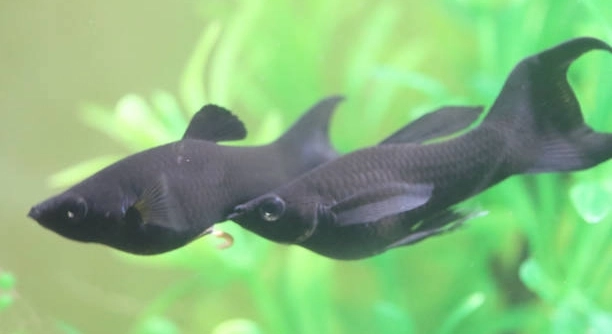
Feeding Black Mollies can be enjoyable, but it sometimes feels tricky to manage their meals efficiently. Many fish owners struggle with keeping the food contained and making sure each fish gets its share without waste.
Using the right feeding tools can simplify meal times for Black Mollies. Tools like automatic feeders, sinking pellets, and feeding rings help distribute food evenly, reduce waste, and ensure a balanced diet, supporting the fish’s health and growth effectively.
These seven tools can transform your feeding routine, making daily care smoother and more enjoyable for both you and your fish.
Automatic Feeders
Automatic feeders are designed to release a set amount of food at scheduled times. For Black Mollies, this means consistent feeding even when you are away or busy. These devices help prevent overfeeding, which can lead to water quality issues and health problems for your fish. Many models allow you to adjust portions and timing, ensuring that your fish get the right amount of nutrition. This tool is particularly useful for owners with multiple tanks or busy schedules. Automatic feeders also reduce the risk of fish fighting over food since each portion is distributed evenly over time.
Using an automatic feeder saves time and ensures your Black Mollies receive meals consistently without constant monitoring.
Setting up an automatic feeder is straightforward. Fill it with the preferred food, set the feeding schedule, and monitor the first few feedings to ensure proper function. Over time, you’ll notice less leftover food, cleaner water, and healthier, more active fish. This tool creates a routine that benefits both the fish and your maintenance schedule.
Feeding Rings
Feeding rings float on the water surface and keep food contained in one area. This prevents pellets or flakes from scattering across the tank and reduces waste.
Feeding rings also make it easier to observe which fish are eating and which might need extra attention.
These rings are especially useful in community tanks with multiple fish. Floating food stays in a designated area, allowing Black Mollies to feed calmly without chasing food around. They are simple to clean and do not take much space in the tank. By using a feeding ring, you can monitor portion sizes more accurately and maintain better water quality. Over time, this helps reduce stress among fish and encourages even feeding habits. Feeding rings are compatible with a variety of pellet and flake foods, making them a versatile addition to your aquarium.
Sinking Pellets
Sinking pellets reach fish that prefer feeding at lower levels. Black Mollies can be picky, and these pellets ensure everyone in the tank gets nutrition without competition at the surface.
Sinking pellets distribute food evenly throughout the tank, preventing food from floating and going uneaten. They are particularly useful for mixed-species tanks where some fish feed near the bottom. These pellets come in various sizes and nutritional profiles, allowing you to select options that meet your fish’s dietary needs. By using sinking pellets, you reduce the risk of leftover food decaying, which keeps the water cleaner and healthier for all aquatic inhabitants.
These pellets encourage natural feeding behavior by allowing Black Mollies to swim down and retrieve their food. Over time, fish become more active and balanced in their feeding habits. Additionally, sinking pellets make tank maintenance easier because less food accumulates on the water surface, helping maintain stable water quality and clarity. This small adjustment in feeding style can make a significant difference in overall fish health.
Tweezers and Feeding Tools
Tweezers provide precision when feeding delicate foods like live or frozen items. They help deliver food directly to Black Mollies without disturbing other tank elements.
Using tweezers ensures each fish gets its share and reduces the risk of food waste. They are particularly effective for live foods such as bloodworms or brine shrimp, which can be tricky to manage by hand.
Tweezers also allow you to target shy or smaller fish that might be outcompeted by more aggressive tank mates. By controlling the placement of food, you minimize stress and encourage natural hunting behaviors. These tools are easy to clean and store, making them a practical addition to regular feeding routines. Consistent use can improve fish growth, appearance, and overall vitality while keeping the tank organized and feeding controlled.
Portion Cups
Portion cups help control the amount of food given to Black Mollies. Using measured servings prevents overfeeding and keeps the tank cleaner.
They are especially useful for daily feeding routines, making it easier to track how much each fish consumes.
Pipettes and Dropper Feeding
Pipettes allow precise delivery of small or liquid foods directly to Black Mollies. This method is ideal for fry or very small fish that cannot compete for standard pellets. By placing the food exactly where it is needed, you ensure all fish receive proper nutrition while reducing waste. Pipettes are easy to use and clean, making them convenient for controlled feeding sessions. They also minimize stress by reducing food scattering, allowing fish to feed calmly in their preferred areas of the tank. Regular use promotes healthy growth and balanced feeding behavior.
Magnetic Feeding Wand
A magnetic feeding wand helps target specific areas for food placement, keeping it contained and reducing mess in the tank.
FAQ
How often should I feed Black Mollies?
Black Mollies generally require feeding once or twice daily. The goal is to provide a small, manageable amount that they can finish within two to three minutes. Overfeeding can lead to water quality issues and health problems, so it’s better to give smaller portions more frequently than a large amount at once. Monitoring their behavior during feeding helps ensure all fish are eating adequately. Adjust portions according to tank size, fish number, and activity levels to maintain a balanced diet without excess waste.
Can I use the same feeding tools for other fish?
Many feeding tools, like automatic feeders, tweezers, and feeding rings, are versatile and suitable for various tropical fish. However, some tools are better suited to specific behaviors or sizes. Sinking pellets work for bottom-feeding species, while floating rings help surface feeders. Tweezers and pipettes are especially useful for delicate or small fish. Observing your tank’s dynamics and selecting tools based on feeding habits ensures efficient nutrition and reduces waste across all species in the tank.
Are live foods necessary for Black Mollies?
Live foods like brine shrimp, daphnia, or bloodworms provide protein and enrich the diet of Black Mollies. While not strictly necessary, incorporating live foods occasionally can improve fish vitality, coloration, and overall health. Many owners combine live foods with high-quality flakes or pellets to create a balanced diet. Using tweezers or pipettes helps deliver live foods efficiently, especially in tanks with multiple fish, ensuring each fish has access without stressing the others.
How do I prevent overfeeding with multiple Black Mollies?
Overfeeding is a common concern in community tanks. Tools like portion cups, automatic feeders, and feeding rings help control distribution and ensure each fish gets the right amount. Observing the fish during feeding allows adjustment of portions, and removing leftover food promptly maintains water quality. Sinking pellets and pipette feeding target bottom or shy feeders, preventing dominant fish from consuming everything. Consistent routines combined with proper tools help maintain healthy growth while reducing waste and water contamination.
Is it better to use flakes, pellets, or frozen foods?
Each type of food has benefits. Flakes are convenient for daily feeding and float on the surface, making them ideal for surface feeders. Pellets come in sinking or floating varieties, catering to different feeding levels. Frozen foods, including brine shrimp or bloodworms, are rich in protein and nutrients, supplementing regular diets. Many owners combine these types to offer balanced nutrition. Tools like tweezers, pipettes, or automatic feeders make delivering these foods easier, reducing waste and ensuring all Black Mollies receive proper nourishment.
Can feeding tools help reduce tank maintenance?
Yes. Containing food with rings, portion cups, or magnetic wands prevents uneaten food from floating or sinking and decomposing. This keeps water clearer and reduces the frequency of water changes. Automatic feeders provide measured portions, reducing the risk of excess food accumulation. Sinking pellets and precise feeding methods also limit waste. Over time, using the right tools streamlines feeding, keeps the tank cleaner, and promotes healthier fish without adding extra effort to daily maintenance.
Are there safety concerns with using feeding tools?
Most feeding tools are safe when cleaned regularly and used correctly. Tweezers, pipettes, and magnetic wands should be rinsed after each feeding to prevent contamination. Avoid sharp edges that could injure fish. Automatic feeders should be checked periodically to ensure proper functioning and prevent overfeeding. Choosing non-toxic materials and monitoring feeding routines ensures the tools enhance care without introducing risks to Black Mollies or other tank inhabitants.
How do I know if my Black Mollies are eating enough?
Healthy Black Mollies are active, bright in color, and display normal swimming patterns. Observing feeding behavior is the best indicator: they should quickly consume food and show interest at feeding times. Uneaten food may indicate overfeeding or selectiveness, while aggressive competition can signal insufficient portions. Adjust tools, food type, or quantity based on observations to ensure all fish are well-nourished. Regular monitoring combined with controlled feeding methods ensures consistent health and growth.
Can I use feeding tools for fry or baby Black Mollies?
Yes. Fry require small, frequent feedings, often with specialized tools like pipettes or tweezers to deliver tiny amounts of food directly. Floating flakes or sinking micro-pellets may be too large for fry. Controlled feeding prevents competition with adult fish and ensures young Black Mollies get adequate nutrition. Tools make it easier to track portions, reduce waste, and maintain water quality in tanks containing both fry and adults.
Do feeding tools improve fish behavior?
Feeding tools can positively impact fish behavior by reducing stress during meals. Rings and targeted delivery prevent chasing and fighting, creating calmer feeding conditions. Consistent routines and measured portions encourage natural feeding habits, leading to more predictable behavior and activity. Tools also support shy or less dominant fish, giving them fair access to food and promoting social balance within the tank. Regular use contributes to healthier, more active, and visually vibrant Black Mollies.
How do I clean and maintain feeding tools?
Rinse tweezers, pipettes, portion cups, and magnetic wands after each use with warm water. Avoid harsh chemicals that may harm fish. Automatic feeders should be emptied and cleaned periodically, especially if using moist or frozen foods. Feeding rings can be scrubbed gently to remove residue. Proper maintenance prevents contamination, extends tool lifespan, and ensures consistent, safe feeding. Clean tools help maintain water quality, supporting overall fish health and simplifying daily tank care routines.
Can I mix different feeding tools for the same tank?
Combining feeding tools often works best. Automatic feeders handle routine portions, while tweezers or pipettes target specific fish or deliver live foods. Feeding rings and portion cups control distribution on the surface. Sinking pellets complement bottom feeders. Using multiple tools ensures efficient feeding, reduces waste, and meets the dietary needs of all tank inhabitants. Adjust based on tank size, fish numbers, and feeding habits to maximize results and maintain a healthy environment for Black Mollies.
How long should I monitor feeding after introducing new tools?
Initial monitoring is essential. Observe feedings for one to two weeks when new tools are introduced. Ensure all fish are accessing food, portions are appropriate, and leftover food is minimal. Adjust tool placement, portions, or timing as needed. Regular observation prevents issues like overfeeding or stress and helps integrate the tools into daily routines. After this period, you can gradually rely on the tools while continuing occasional checks to maintain healthy feeding habits.
Can feeding tools help with selective eaters?
Yes. Tools like tweezers, pipettes, and sinking pellets allow you to target specific fish that may be shy or slow feeders. Delivering food directly helps ensure they receive adequate nutrition without being outcompeted. Automatic feeders can also distribute smaller, frequent portions to meet the needs of selective eaters. Controlled feeding reduces stress and encourages consistent eating habits, improving overall health and minimizing the risk of nutritional deficiencies in Black Mollies.
Do feeding tools affect water quality?
Proper use of feeding tools positively impacts water quality. Containing food with rings, portion cups, and magnetic wands reduces leftover food that decomposes and releases harmful chemicals. Sinking pellets and targeted feeding limit waste accumulation. Automatic feeders deliver measured portions, preventing excess. By minimizing uneaten food, tools help maintain stable water parameters, reducing algae growth and keeping tanks clean, which supports healthier and more vibrant Black Mollies.
How do I choose the right feeding tool for my tank?
Consider fish size, species, feeding habits, and tank setup. Surface feeders benefit from rings or automatic feeders, while bottom dwellers prefer sinking pellets. Small or delicate fish do well with pipettes or tweezers. Evaluate your schedule, tank population, and maintenance routine. Combining tools can optimize feeding efficiency. Trial and observation help determine which tools meet the needs of both your Black Mollies and overall tank environment, ensuring balanced nutrition and reduced waste.
Are there alternatives to feeding tools?
Alternatives include hand-feeding, spreading flakes manually, or timed feeding without devices. These methods work for small tanks or single species but may increase waste and uneven feeding. Tools provide consistency, precision, and control that manual methods often lack. They save time, reduce overfeeding, and help maintain water quality. While alternatives exist, investing in feeding tools generally improves efficiency, promotes fish health, and simplifies routine care in both small and large aquariums.
How much do feeding tools cost?
Prices vary depending on type and quality. Tweezers and pipettes are inexpensive, often under ten dollars. Feeding rings, portion cups, and magnetic wands are similarly affordable. Automatic feeders tend to be pricier, ranging from $20 to $60, depending on features. Considering long-term benefits like reduced waste, healthier fish, and easier maintenance, these tools are a worthwhile investment for any Black Molly owner looking to improve feeding efficiency and tank management.
Can feeding tools prevent aggression during meals?
Yes. Targeted feeding with tweezers, pipettes, or portion cups minimizes competition, especially in community tanks. Feeding rings or magnetic wands concentrate food in specific areas, reducing chasing or fighting. Controlled portions via automatic feeders prevent dominant fish from monopolizing meals. By using the right tools, all Black Mollies can feed calmly, creating a more harmonious tank environment and promoting balanced social interactions among fish.
Is it okay to rely solely on feeding tools?
Feeding tools are highly effective but should complement observation and care. Monitoring fish ensures portions are correct, food types meet dietary needs, and water quality remains stable. Tools reduce labor and improve efficiency, but regular checks prevent missed issues like illness, selective eating, or malfunctioning devices. Using tools alongside consistent care provides the best results for healthy, active Black Mollies.
How do I store feeding tools when not in use?
Keep tools dry, clean, and in a dedicated container or drawer. Avoid humid or contaminated areas that could introduce bacteria. Automatic feeders should be emptied if not in use for extended periods. Proper storage preserves the integrity of materials, prevents contamination, and ensures tools are ready for use whenever feeding is required, maintaining safety and convenience for daily routines.
Can feeding tools improve fish growth?
Consistent, controlled feeding promotes balanced nutrition, which directly supports growth. Tools help ensure all Black Mollies get their share of food without overfeeding others or causing waste. Targeted delivery encourages proper intake, reduces stress, and maintains water quality, all contributing to healthier, faster-growing fish. Regular use of feeding tools helps maintain an optimal environment for development, coloration, and overall vitality.
Do feeding tools require special maintenance?
Most require simple cleaning with warm water after each use. Avoid chemicals that could harm fish. Automatic feeders need periodic inspection and cleaning of food compartments. Tweezers, pipettes, and rings benefit from gentle scrubbing to remove residue. Proper maintenance ensures hygiene, consistent feeding performance, and safety, preventing issues such as mold, bacteria, or food blockages, which can affect both fish health and water quality.
How do feeding tools fit into a daily routine?
Incorporating feeding tools makes daily care more structured. Automatic feeders handle regular meals, while tweezers or pipettes supplement for live foods or shy fish. Rings, portion cups, and sinking pellets help control waste and ensure fair distribution. Consistent routines supported by these tools reduce stress for both fish and owner, making feeding more efficient, organized, and beneficial for tank health.
Can feeding tools reduce algae growth?
Yes. Uneaten food contributes to nutrient buildup, which fuels algae growth. Using feeding rings, portion cups, and magnetic wands keeps food contained, while automatic feeders provide measured portions. Minimizing leftover food reduces excess nutrients in water, helping prevent algae outbreaks. Controlled feeding contributes to clearer water and a healthier tank environment for Black Mollies.
Do feeding tools help with water clarity?
Proper feeding limits uneaten food, which decomposes and clouds water. Tools like rings, portion cups, and sinking pellets prevent scattered food, while automatic feeders control portions. Clean, targeted feeding maintains water clarity, reduces the need for frequent cleaning, and supports stable water chemistry, enhancing both aesthetics and fish health.
Are feeding tools necessary for beginners?
They are highly beneficial. Beginners often struggle with portion control and feeding consistency. Tools provide structure, prevent overfeeding, and simplify monitoring. They reduce mistakes that affect water quality and fish health. While not strictly required, feeding tools make early fishkeeping easier, safer, and more manageable, helping beginners maintain healthy Black Mollies from the start.
How do I choose between multiple automatic feeders?
Consider tank size, number of fish, food type, and programming options. Some feeders handle flakes better, while others accommodate pellets or frozen foods. Look for reliability, ease of cleaning, and adjustable portions. Selecting a feeder that fits your tank’s specific needs ensures consistent nutrition and reduces overfeeding, enhancing efficiency and fish health.
Can feeding tools save time on tank maintenance?
Yes. By controlling portions and preventing food scattering, tools reduce water contamination and the frequency of cleaning. Automatic feeders save daily effort, and precision tools like pipettes or tweezers prevent overfeeding and leftover food. Overall, they streamline feeding routines, maintain healthier water, and reduce overall maintenance time without compromising fish care.
Are there eco-friendly feeding tools?
Many tweezers, pipettes, and portion cups are made from durable, reusable materials like stainless steel or BPA-free plastic. Choosing long-lasting tools reduces waste. Some automatic feeders and rings are also designed for minimal environmental impact. Reusable, high-quality tools not only protect fish health but also support sustainable aquarium practices by limiting disposable items and frequent replacements.
Do feeding tools affect fish social behavior?
They can improve social balance by ensuring fair food distribution. Controlled feeding reduces aggression from dominant fish and helps shy fish access food. Tools like rings, tweezers, and pipettes target specific areas, reducing competition and stress. Over time, consistent feeding methods promote calmer interactions and a more harmonious tank environment for Black Mollies.
Can I feed multiple tanks with one automatic feeder?
Some automatic feeders can be moved between tanks, but feeding multiple tanks simultaneously may require separate devices to maintain accurate portions. Consistent feeding schedules are critical to prevent overfeeding or nutrient imbalance. Using individual feeders per tank ensures precise control, healthier fish, and cleaner water for each setup.
How do I adjust feeding tools for different tank sizes?
Tank size affects portion amount, feeding frequency, and tool placement. Larger tanks may require multiple feeders or rings to distribute food evenly, while smaller tanks need careful portion control. Observing fish response and leftover food helps fine-tune settings. Tools must match tank dynamics to maximize feeding efficiency, reduce waste, and maintain water quality consistently.
Are there any common mistakes with feeding tools?
Over-reliance on automatic feeders without monitoring, using improper portion sizes, or failing to clean tools regularly are frequent errors. Misplacement of rings or pellets can lead to wasted food. Tweezers or pipettes can harm fish if handled roughly. Avoiding these mistakes ensures feeding tools improve efficiency and fish health rather than causing problems.
Can feeding tools be combined with supplements?
Yes. Vitamins, color enhancers, or live food supplements can be delivered using tweezers, pipettes, or mixed with pellets in automatic feeders. Tools allow controlled delivery, preventing over-supplementation and ensuring all fish receive benefits. Consistent use supports balanced nutrition and overall vitality in Black Mollies.
Do feeding tools require electricity?
Only automatic feeders need electricity or batteries. Tweezers, pipettes, rings, and portion cups are manual and require no power. This makes them simple, reliable, and usable in any tank setup, regardless of location or electricity access. Combining manual and powered tools provides flexibility in feeding strategies.
Can feeding tools help with seasonal feeding changes?
Yes. During breeding, growth, or temperature fluctuations, feeding needs may change. Tools like adjustable automatic feeders, tweezers, and pipettes allow precise portion adjustments and delivery of specialized foods. Controlled feeding helps Black Mollies adapt to seasonal variations, ensuring nutrition, health, and tank stability throughout the year.
Are there tools specifically for live plants in the tank?
Magnetic wands and rings help keep food contained without disturbing live plants. Tweezers can place food precisely around plants, preventing waste accumulation on leaves or substrate. Using feeding tools carefully protects delicate vegetation while ensuring fish receive food efficiently. This reduces algae growth and maintains plant health alongside Black Mollies.
Do feeding tools make feeding more enjoyable?
Yes. Tools provide control, reduce mess, and simplify the process, allowing you to focus on observing fish behavior and growth. They remove stress from overfeeding or competition and make mealtimes predictable and organized. Feeding becomes a smoother, more satisfying part of daily aquarium care.
How long do feeding tools typically last?
With proper cleaning and storage, tweezers, pipettes, rings, and portion cups can last years. Automatic feeders may last several years with regular maintenance and careful use. Choosing high-quality materials ensures durability, safe use, and consistent performance over time, providing long-term benefits for feeding Black Mollies efficiently.
Can feeding tools prevent fish from overeating?
Yes. Portion cups, rings, and automatic feeders provide controlled amounts of food. Targeted feeding with tweezers or pipettes ensures shy or smaller fish get their share without overfeeding others. By monitoring portions and delivery, tools help maintain a balanced diet and prevent obesity or related health issues.
Do feeding tools improve tank hygiene?
Feeding tools minimize leftover food, preventing decay and water contamination. This reduces algae growth, ammonia spikes, and unpleasant odors. Controlled feeding promotes a cleaner, healthier environment, supporting both fish health and easier maintenance. Regular use of proper feeding tools is a key factor in maintaining tank hygiene efficiently.
Are feeding tools suitable for traveling or temporary tank setups?
Automatic feeders are particularly useful during travel, providing scheduled portions in your absence. Tweezers, pipettes, and portion cups can help manage temporary setups by controlling feeding and reducing waste. Properly using these tools ensures fish remain healthy even when routines are disrupted.
Can feeding tools be customized for unique tank setups?
Yes. Feeding rings, magnetic wands, and tweezers can be positioned to accommodate plants, decorations, or uneven surfaces. Automatic feeders with adjustable timers and portions can suit large or unusual tanks. Customizing tool placement optimizes feeding efficiency while maintaining tank aesthetics and protecting fish health.
How do I introduce feeding tools to a new tank?
Start by observing fish behavior during initial feedings. Introduce one tool at a time, monitoring how fish respond. Adjust placement, portion, or type as needed. Gradually incorporating tools ensures fish adapt naturally, prevents stress, and maintains consistent nutrition and water quality from the start.
Are there feeding tools designed for breeding tanks?
Yes. Small pipettes, tweezers, and portion cups allow precise feeding of fry or delicate adults without disturbing eggs or young. Feeding rings and controlled distribution minimize competition and prevent overfeeding, supporting successful breeding and healthy offspring development in Black Mollies.
Can feeding tools be used with frozen or thawed foods?
Absolutely. Tweezers and pipettes deliver frozen or thawed items directly to fish without scattering. Automatic feeders may accommodate freeze-dried versions, while rings and portion cups can hold softened foods
Feeding Black Mollies can be much easier and more efficient when the right tools are used consistently. Each tool discussed, from automatic feeders to tweezers and feeding rings, serves a specific purpose and helps address common challenges in daily feeding routines. Automatic feeders are ideal for maintaining a consistent schedule, ensuring that your fish receive the right amount of food even when you are busy or away. Sinking pellets, portion cups, and magnetic wands help control distribution, reduce waste, and make sure shy or bottom-feeding fish get their share. Using these tools prevents overfeeding, minimizes leftover food, and keeps the tank cleaner. Over time, implementing these strategies not only saves time but also supports the overall health and growth of your Black Mollies. By observing your fish while feeding and adjusting portions or tools as needed, you can create a more structured and controlled feeding environment that benefits everyone in the tank.
Tweezers, pipettes, and similar precision tools offer an added level of control, especially for small or delicate fish, fry, or live foods. These tools make it easier to target shy or slow-feeding fish, preventing aggressive tank mates from consuming all the food. Feeding rings and portion cups help contain food on the surface, reducing scattering and waste while keeping the water cleaner for longer. Sinking pellets cater to bottom feeders, ensuring even distribution of food throughout the tank. By combining multiple feeding tools according to your tank setup, species, and fish behavior, you can create an efficient routine that addresses the specific needs of your Black Mollies. Consistent use of these tools helps maintain water quality, prevents stress and competition among fish, and promotes balanced feeding habits.
Ultimately, the goal is to provide your Black Mollies with a reliable, consistent, and stress-free feeding experience while keeping the tank environment clean and healthy. Feeding tools simplify meal times and make monitoring portions easier, which is especially helpful in community tanks or for beginners who may struggle with overfeeding. Regular observation and adjustment ensure that all fish receive adequate nutrition, grow properly, and maintain vibrant coloration. Proper use of feeding tools also reduces tank maintenance time, prevents food waste, and helps maintain clearer water. By integrating these tools into your routine, you create a structured feeding approach that supports long-term health, activity, and vitality for your Black Mollies, making daily care more manageable and effective.

Hello,
If you enjoy the content that we create, please consider saying a "Thank You!" by leaving a tip.
Every little bit helps us continue crafting quality advice that supports the health, happiness, and well-being of pets around the world, for pets of all shapes, sizes, and species.
We really appreciate the kindness and support that you show us!