
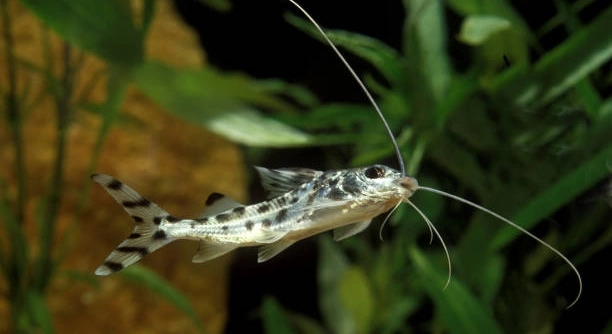
Feeding your pictus catfish at the right times can help support their natural behavior. Understanding their activity cycles makes it easier to provide care that fits their needs. This article covers feeding times aligned with pictus habits.
Pictus catfish are most active during dawn, dusk, and night, making these times ideal for feeding. Matching feeding schedules with their natural activity cycles encourages better eating habits and overall well-being. Feeding during low activity periods should be minimized to avoid stress and waste.
Knowing when your pictus is most active helps create a feeding routine that suits them well. The following sections explore seven specific feeding times that align with their daily rhythms.
Feeding at Dawn: Early Activity Boost
Pictus catfish tend to become active around dawn, when light levels start to increase. Feeding them during this time matches their natural wake-up cycle and helps stimulate their appetite after resting through the night. Providing food in the early morning encourages the fish to start their day with energy. It also reduces the chances of leftover food sitting in the tank, which can degrade water quality. The gradual rise in light is a signal for the fish to prepare for daytime activity, making dawn an ideal feeding window. Since pictus are bottom dwellers, offering sinking pellets or wafers at this time works well. Feeding at dawn supports healthy digestion and encourages natural behavior patterns, making care more in tune with the fish’s needs.
Feeding at dawn helps pictus catfish align their eating with natural cycles, improving their overall health.
Matching feeding times with natural light cycles allows pictus catfish to feel more comfortable and active in their environment.
Feeding at Dusk
Dusk marks another key period of activity for pictus catfish. The fading light signals their transition from daytime rest to nighttime foraging. Feeding at dusk can simulate their natural feeding behavior, helping reduce stress and promoting healthy eating. This time is especially important if you feed only once or twice a day, as it coincides with their natural peak activity. Offering food as light fades encourages pictus to explore the tank and search for food, supporting their instinctive habits. Feeding at this time helps maintain a balanced routine and ensures they get enough nutrients before settling down for the night. It’s important to remove any uneaten food to keep the tank clean, as feeding late in the day can lead to leftover waste. Overall, dusk feeding fits well with pictus’ crepuscular tendencies and helps maintain their well-being.
Feeding at Night
Pictus catfish are naturally nocturnal, making night one of their most active feeding times. Offering food during this period supports their instinct to hunt and explore in low light.
Feeding at night aligns with pictus’ natural rhythms. They use their barbels to search for food in dark conditions. Night feeding encourages natural foraging behavior and reduces competition with daytime fish. Using sinking pellets or frozen foods helps meet their dietary needs during this time. Feeding at night can prevent overfeeding during the day and reduce stress. It also helps balance the tank’s ecosystem by minimizing leftover food.
If you feed your pictus at night, it’s best to keep lighting dim or off to mimic their natural environment. Avoid sudden bright lights, which can startle them. Night feeding promotes healthy activity and digestion. It’s important to monitor food amounts to prevent waste. Overall, nighttime feeding supports the pictus catfish’s well-being and respects their natural habits.
Midday Feeding Considerations
Midday is usually a low activity time for pictus catfish, but some feeding can be beneficial if timed correctly. Feeding during midday should be moderate to avoid disrupting their resting phase.
Pictus catfish tend to be less active around midday, often resting or hiding. Feeding too much during this time can lead to uneaten food and water quality issues. However, small amounts of food can help maintain energy levels, especially in tanks with multiple fish species. It’s best to use light feedings, such as small pellets or occasional treats. Midday feeding is useful if the fish missed earlier meals or if you want to keep a consistent schedule. Feeding during their lower activity period requires careful observation to avoid overfeeding and stress. Adjust the midday portion based on their response and tank conditions.
Feeding Between Activity Peaks
Pictus catfish have natural activity peaks around dawn, dusk, and night, with quieter periods between. Feeding between these peaks should be light and infrequent to avoid overfeeding.
Providing small snacks during less active times can keep them interested without disturbing their rest. It helps maintain a balanced diet without causing stress or water quality issues.
Feeding Frequency and Amount
Feeding pictus catfish two to three times daily works well, with portions small enough to be eaten within minutes. Overfeeding leads to poor water conditions and health problems. Sinking pellets or frozen foods are ideal, and feeding should always match their activity level to avoid waste.
Adjusting Feeding for Tankmates
If pictus share the tank with other fish, feeding routines may need adjustment. Ensure pictus get enough food without competition. Feed smaller amounts more often to accommodate all species and reduce stress among tankmates.
FAQ
How often should I feed my pictus catfish?
Pictus catfish do best with two to three small feedings per day. Their natural activity cycles mean they eat most during dawn, dusk, and night. Feeding too often or giving large amounts can cause leftover food, which harms water quality. Small, controlled portions help keep your fish healthy and the tank clean.
What is the best type of food for pictus catfish?
Sinking pellets or wafers are ideal because pictus are bottom dwellers. They also enjoy frozen or live foods like bloodworms, brine shrimp, and daphnia. Variety in their diet helps provide balanced nutrition. Avoid floating flakes since they often go uneaten and can pollute the water.
Can I feed pictus catfish during the day?
While pictus are less active in the daytime, a small midday feeding is possible if needed. Keep portions light to avoid leftovers and stress. Midday feedings help maintain energy but shouldn’t replace main feedings during their peak active times.
How do I know if I’m overfeeding my pictus?
Signs include leftover food after feeding, cloudy water, and fish showing lethargy or bloating. Overfeeding leads to poor water quality, which harms fish health. Observe your fish during feeding and reduce amounts if food remains uneaten after five minutes.
Is it okay to feed pictus catfish once a day?
Feeding once a day is possible but not ideal. Pictus are naturally crepuscular and nocturnal, preferring multiple small meals. Feeding twice or thrice aligns better with their activity cycles and supports digestion and energy levels.
How can I feed pictus catfish if they share a tank with aggressive fish?
Feeding can be tricky with aggressive tankmates. Use feeding rings or place food near the bottom where pictus dwell. Feed smaller amounts more frequently to ensure they get enough food without competition. Observing the tank helps adjust feeding routines as needed.
Should I adjust feeding in different seasons?
Pictus catfish may eat less in cooler water and more in warmer months. Adjust feeding amounts accordingly. Slower metabolism in cold water means less food is needed, while warmer temperatures boost activity and appetite.
Can feeding times affect pictus catfish behavior?
Yes, feeding at times matching their natural activity reduces stress and encourages normal behavior. Feeding during rest periods can cause agitation or hiding. Aligning feeding with dawn, dusk, and night supports their comfort and health.
What happens if I feed pictus catfish at random times?
Feeding at inconsistent times can confuse pictus and disrupt their natural rhythms. This may cause stress, poor appetite, and weakened immune responses. A regular feeding schedule helps maintain healthy behavior and overall well-being.
Are live foods necessary for pictus catfish?
Live foods aren’t strictly necessary but offer enrichment and nutrition. They stimulate natural hunting instincts and can improve health. Frozen or high-quality prepared foods also meet dietary needs effectively. Offering occasional live treats can be beneficial.
How do I avoid food waste in my pictus tank?
Feed small amounts that pictus can finish quickly. Remove uneaten food promptly. Use sinking foods to target bottom feeders and avoid leftovers floating in the water. Regular tank maintenance and monitoring feeding habits help reduce waste.
Is it important to feed pictus catfish at night?
Night feeding matches their nocturnal nature and helps them get adequate nutrition. Feeding at night with dim or no light mimics their natural environment. It encourages foraging behavior and balances daily feeding needs.
Can pictus catfish eat plant-based foods?
Pictus catfish are mostly carnivorous, preferring protein-rich diets. While they might nibble on plant matter occasionally, plant-based foods should not be a main part of their diet. Focus on protein sources to keep them healthy.
How do I transition pictus catfish to a new feeding schedule?
Change feeding times gradually over several days to avoid stress. Start shifting meals by 15-30 minutes daily until you reach the new schedule. Observe how your pictus respond and adjust pace if needed to keep them comfortable.
What are the risks of feeding pictus catfish too late at night?
Feeding too late can leave uneaten food in the tank overnight, affecting water quality. It can also disrupt their rest cycle. Feeding just before their active night period starts is best for digestion and overall health.
Feeding pictus catfish according to their natural activity cycles plays an important role in their health and well-being. These fish are most active during dawn, dusk, and nighttime, so providing food at these times supports their natural behaviors. Feeding when they are most alert helps them eat properly and digest food well. It also prevents overfeeding and leftover food, which can lead to poor water quality. Keeping a consistent feeding schedule that matches their activity cycle makes caring for pictus catfish easier and more effective.
It is important to remember that pictus catfish need a balanced diet with appropriate food types. Sinking pellets, wafers, and occasional live or frozen foods work best because they match the fish’s bottom-dwelling nature. Avoid feeding too much during low activity times like midday to reduce waste and stress. Observing your fish’s behavior during feeding can help you adjust amounts and timing to better fit their needs. When pictus catfish share a tank with other fish, feeding routines may need extra attention to ensure all species get enough food without competition or aggression.
Overall, following the right feeding times and methods encourages healthy activity and supports the pictus catfish’s natural rhythm. It can prevent common problems like leftover food, stress, and poor water quality. Paying attention to when your fish are active, choosing suitable food, and feeding in moderation will improve their comfort and longevity. Feeding pictus catfish at the right times is a simple but important part of good aquarium care. This helps create a healthier, more balanced tank environment where your fish can thrive.

Hello,
If you enjoy the content that we create, please consider saying a "Thank You!" by leaving a tip.
Every little bit helps us continue crafting quality advice that supports the health, happiness, and well-being of pets around the world, for pets of all shapes, sizes, and species.
We really appreciate the kindness and support that you show us!