
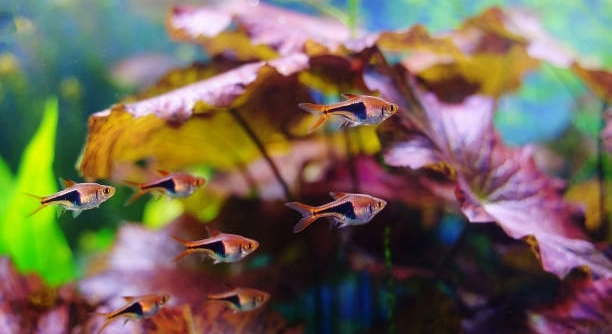
Rasboras are small, lively fish that brighten any freshwater tank. Feeding them the right way is essential for their health. Proper timing helps them stay active, maintain vibrant colors, and reduce stress in the aquarium.
To keep rasboras happy, it is recommended to feed them seven times throughout the day in small, measured portions. This routine ensures they receive adequate nutrition, promotes consistent energy levels, and minimizes food waste in the tank environment.
Understanding the importance of these feeding times can help maintain a harmonious aquarium. Maintaining a proper schedule supports both their health and natural behavior patterns.
Morning Meal: Start the Day Right
Feeding rasboras in the morning helps them begin the day with energy. A small portion of high-quality flake or micro-pellet food gives them essential nutrients for swimming actively and exploring the tank. Morning feeding aligns with their natural behavior, as these fish are most alert during daylight. Overfeeding should be avoided because uneaten food can pollute the water, stressing the fish and encouraging algae growth. Observing how quickly they eat can help determine the right amount. Morning feeding also sets a consistent routine, helping rasboras anticipate mealtime, which can reduce aggression or competition. If the tank has multiple species, ensure that all fish have access to food. Using a feeding ring or distributing food evenly can help. Clean any leftover food after 10–15 minutes to maintain water quality.
A morning feeding routine supports their metabolism and overall well-being while preventing tank water issues caused by leftover food.
Consistently feeding in the morning encourages natural activity patterns and helps maintain healthy colors. Rasboras tend to be calmer after eating, reducing stress-related behaviors. This habit also allows observation of any health changes, like decreased appetite or unusual swimming patterns. By keeping the portions small and consistent, owners can ensure a balanced diet while maintaining water cleanliness. Regular morning feeding strengthens the routine and contributes to a lively, visually appealing aquarium.
Midday Snack: Boosting Activity
A small midday portion keeps energy levels steady without overfeeding.
Offering a light snack during the day prevents lethargy and maintains activity. Micro-pellets or tiny flakes work best. This feeding encourages movement, social interaction, and helps them digest earlier meals efficiently. It also provides an opportunity to monitor the fish for signs of illness or stress during daylight hours. Timing should be consistent, roughly halfway between morning and evening feedings, ensuring that the fish do not become overly hungry or aggressive. Using a precise, measured portion avoids water contamination. Avoid giving large amounts, as rasboras have small stomachs and can only process limited food at once. Midday feeding supports their metabolism and helps maintain their natural swimming behavior, making the tank more dynamic. For aquariums with plants, feed carefully to prevent debris from settling on leaves, which can cause decay. This light snack balances energy and keeps the tank clean and healthy.
Afternoon Feeding: Keep Energy Steady
Small portions in the afternoon help maintain activity and prevent fatigue. Feeding at this time supports metabolism, encourages swimming, and keeps rasboras alert without overloading the tank with excess food.
Afternoon meals are ideal for sustaining energy between morning and evening feedings. Using tiny flakes or micro-pellets ensures the fish receive enough nutrients without polluting the water. Observing how quickly they eat helps adjust portion sizes. A consistent afternoon feeding keeps the fish active, encourages schooling behavior, and reduces aggressive competition for food. Uneaten food should be removed promptly to maintain water quality.
Feeding in the afternoon also allows observation of behavior and health. If a fish is less active or avoids food, it may indicate stress or illness. Maintaining small, measured portions ensures digestion is steady, preventing bloating. Regular afternoon meals strengthen their routine, supporting overall health and keeping the aquarium dynamic and clean.
Early Evening Feeding: Preparing for Rest
An early evening portion provides energy before nighttime rest. It prevents hunger overnight and supports a natural daily rhythm.
Feeding rasboras in the early evening ensures they have enough nutrition for activity before the tank becomes quieter at night. Use easily digestible food, like micro-pellets or flakes. Observing their eating habits can reveal appetite changes or stress signs. Consistent timing helps them anticipate feeding and reduces competition during mealtime. This feeding also balances energy levels, preventing sudden nighttime activity or restlessness, and supports healthy swimming behavior and natural interactions.
Evening feeding helps maintain water quality when done in small portions. Overfeeding can cause leftover debris, leading to poor water conditions and stress. It also ensures the fish have energy to complete their natural daily cycle, including schooling and exploring. Keeping evening portions moderate promotes digestion and reduces the risk of bloating. Consistency in timing strengthens routine and helps rasboras remain healthy, active, and visually vibrant throughout the aquarium.
Late Afternoon Boost
A small late afternoon feeding helps maintain steady energy levels before the evening meal. Using tiny flakes or pellets prevents hunger dips and keeps the fish active in the tank.
This feeding also encourages natural swimming patterns. Even a light portion supports metabolism and reduces competition at later feedings.
Nighttime Snack
Offering a tiny nighttime portion helps rasboras maintain consistent nutrition and prevents overnight hunger. Use easily digestible food in small amounts to avoid polluting the water. Nighttime feeding ensures they wake refreshed and ready for morning activity, supporting overall health and vibrant coloration.
Occasional Treat
Introducing a small, occasional treat like live or frozen microfoods adds variety to their diet. Limit treats to prevent digestive issues and maintain tank cleanliness.
FAQ
How often should I feed my rasboras?
Rasboras thrive when fed small portions multiple times a day. Seven feedings spread evenly helps maintain energy, supports growth, and prevents overeating. Consistency is key, so try to feed them at roughly the same times each day. This routine also reduces stress and keeps water cleaner by avoiding excess uneaten food.
What types of food are best for rasboras?
High-quality flake food or micro-pellets form the foundation of their diet. Occasionally, you can offer live or frozen foods like daphnia, brine shrimp, or bloodworms to provide variety. These additions support natural behavior, enrich nutrition, and encourage active swimming, but treats should remain limited to prevent digestive issues and water contamination.
How much should I feed at each meal?
Portions should be small enough that the fish can finish eating in about two to three minutes. Overfeeding leads to water pollution, stress, and obesity. Observing how quickly they consume food allows you to adjust amounts. Using a pinch or a small scoop is usually sufficient for a tank of 10–15 rasboras.
Can rasboras go a day without food?
Yes, rasboras can safely skip a single day, but routine feeding is better for maintaining energy and overall health. Skipping meals occasionally is unlikely to harm them, but long gaps can weaken immunity and reduce activity levels. Regular feedings help keep their vibrant coloration and natural schooling behavior consistent.
What is the best feeding schedule for rasboras?
A well-spaced schedule includes morning, midday, afternoon, early evening, late afternoon, nighttime, and occasional treats. This seven-time feeding plan ensures balanced nutrition, steady energy, and healthy growth. Each portion should be small and easy to digest, preventing digestive problems while maintaining water quality.
How can I tell if my rasboras are overfed?
Signs of overfeeding include leftover food in the tank, bloated bellies, reduced activity, and water cloudiness. Uneaten food can quickly pollute the tank, leading to algae growth and ammonia spikes. Feeding smaller amounts more frequently helps avoid these issues while keeping fish healthy and active.
Is it okay to feed rasboras frozen or live food every day?
While frozen or live foods are nutritious, they should not replace regular flake or pellet feedings. Daily treats can cause digestive problems or water contamination. Incorporating them two to three times a week adds variety and encourages natural hunting instincts without compromising overall diet balance.
Should I adjust feeding based on tank size?
Yes, tank size and the number of fish affect portion amounts. Larger tanks or more fish require slightly more food, but the goal is still small, manageable portions per feeding. Overfeeding any size tank can harm water quality, so always monitor consumption and remove leftovers promptly.
How does feeding affect water quality?
Overfeeding increases leftover food and waste, which raises ammonia and nitrate levels. Poor water quality can stress fish, reduce immunity, and encourage algae growth. Small, frequent feedings and prompt removal of uneaten food help maintain a clean tank and stable environment.
Can rasboras eat the same food all the time?
They can survive on a staple diet of flake or pellet food, but variety improves health and stimulates natural behavior. Incorporating occasional live or frozen foods prevents boredom, promotes balanced nutrition, and supports vibrant coloration without compromising water quality.
How do I handle feeding when on vacation?
If you’ll be away, automated feeders can provide small, measured portions throughout the day. Ensure the feeder dispenses appropriate amounts to avoid overfeeding. Alternatively, ask someone knowledgeable to feed the fish at scheduled times. Avoid leaving large quantities of food in the tank, as it can spoil and pollute the water.
What should I do if my rasboras aren’t eating?
Appetite loss can indicate stress, illness, or poor water conditions. Check water parameters, temperature, and tank cleanliness. Offering a variety of foods or slightly adjusting feeding times may help. If lack of appetite persists, consult a professional or experienced aquarist to ensure proper care and health monitoring.
Are there foods to avoid feeding rasboras?
Avoid oversized pellets, bread, or fatty human foods. These can cause digestive problems, obesity, or water contamination. Stick to high-quality flake, micro-pellets, and occasional live or frozen foods to maintain health and prevent nutritional imbalances.
How do I know if my feeding routine is working?
Healthy rasboras are active, display bright colors, and swim in coordinated schools. Appetite, swimming patterns, and growth rate indicate if feeding is adequate. Monitoring water quality alongside fish behavior ensures that the schedule supports both nutrition and tank health effectively.
Final Thoughts
Feeding rasboras properly is one of the most important aspects of maintaining a healthy aquarium. These small, active fish require a routine that provides consistent nutrition without overloading the tank. Seven feedings spaced throughout the day, using small, measured portions, help support their metabolism, maintain vibrant colors, and encourage natural behavior. Morning feedings give them energy for the day, midday and afternoon meals keep activity levels steady, and early evening and nighttime feedings ensure they have enough nutrition before resting. Occasional treats like live or frozen microfoods add variety and can stimulate natural hunting instincts, but they should always be given in moderation to prevent digestive problems or water contamination. A structured feeding schedule also helps fish anticipate meals, which reduces stress and aggressive competition for food.
Maintaining water quality is closely connected to feeding practices. Uneaten food can pollute the tank, leading to higher ammonia and nitrate levels that harm fish health. Small, consistent portions help prevent leftover food from accumulating and allow for easier monitoring of water conditions. Removing uneaten food promptly, especially after snacks or treats, keeps the tank cleaner and reduces the risk of algae growth. Observing rasboras during feeding can also provide insight into their overall well-being. Changes in appetite, unusual swimming patterns, or decreased activity may indicate stress, illness, or issues with water quality. By combining proper feeding with careful observation, it is possible to detect problems early and address them before they impact the health of the fish.
Consistency and attention to detail are essential for keeping rasboras happy and healthy. While it may seem simple to feed them, understanding portion sizes, timing, and food types can make a significant difference in their long-term health. Following a seven-meal routine, incorporating small treats occasionally, and monitoring both feeding behavior and water quality creates an environment where rasboras can thrive. This approach not only supports their nutritional needs but also encourages natural swimming patterns, schooling behavior, and overall activity. By maintaining these habits, aquarists can ensure a clean, stable, and visually appealing tank where rasboras display their full color and energy. Over time, this careful attention fosters a balanced and healthy aquarium ecosystem that benefits all the fish and makes caring for them a more rewarding experience.

Hello,
If you enjoy the content that we create, please consider saying a "Thank You!" by leaving a tip.
Every little bit helps us continue crafting quality advice that supports the health, happiness, and well-being of pets around the world, for pets of all shapes, sizes, and species.
We really appreciate the kindness and support that you show us!