
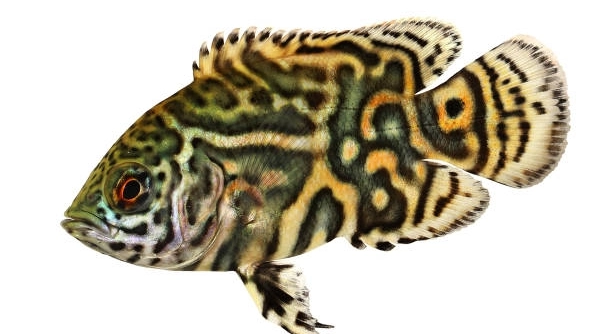
Feeding time for Oscars can be tricky, as their diet and feeding routine can easily be disrupted. Mistakes in how we feed them often lead to confusion and frustration. In this article, we will highlight common errors that confuse these fish.
Oscars are sensitive to feeding routines, and small changes can cause stress. Overfeeding, incorrect food types, and inconsistent schedules can lead to confusion and health problems. Understanding their needs is key to ensuring they remain healthy and happy.
By learning about the common feeding mistakes, you can ensure that your Oscars thrive and avoid making the same errors in their diet.
Overfeeding Oscars
One of the biggest mistakes in feeding Oscars is overfeeding them. Oscars have hearty appetites, but giving them too much food can lead to several problems. Overfeeding can cause uneaten food to rot, polluting the tank and affecting water quality. It can also lead to obesity, which harms the fish’s health. Oscars tend to eat quickly, so it’s important to monitor the amount they consume to prevent overfeeding. The general rule is to feed them only what they can eat in a few minutes. This helps maintain a balanced diet and keeps your Oscars healthy.
Feeding your Oscars too much not only affects their physical condition but also compromises the cleanliness of their habitat. Overfeeding results in waste buildup, which can lead to water quality problems.
A regular feeding routine is essential for Oscars. By offering them food at the same time each day, you can regulate their intake and prevent overeating. This also helps them maintain a healthy weight and stay active. Ensuring you don’t offer too much food at once is a simple yet effective way to keep your Oscars in good shape.
Incorrect Food Choices
Choosing the wrong food for your Oscars can cause confusion and health issues. Oscars are carnivores and need a diet that is rich in protein. Providing them with plant-based foods or incorrect types of pellets can lead to nutritional imbalances. While they might nibble on vegetables, they require primarily meaty foods, such as high-quality pellets, live foods, or frozen foods like shrimp and worms.
If you mistakenly feed your Oscars too much plant matter, it could result in a lack of essential nutrients, impacting their growth and overall health. Stick to foods that mimic their natural diet to ensure their well-being.
Offering varied foods is important, but consistency is key. Oscars do best when fed a diet rich in animal protein, with occasional treats. Mix live or frozen foods into their regular pellet diet to add variety. However, don’t change their diet too frequently, as this can lead to confusion or digestive problems.
Inconsistent Feeding Schedule
Oscars thrive on routine. If their feeding schedule changes frequently, they can become confused and stressed. Inconsistent feeding times can also lead to overfeeding or underfeeding. Oscars rely on a steady routine to feel secure, and unpredictable meals may cause them to lose their appetite or eat too much in one sitting.
Set a regular feeding schedule and stick to it. Try feeding them at the same time every day to help them adjust. A consistent routine helps them know when to expect food, keeping their digestive system on track and reducing stress levels.
Oscars also respond better to a controlled feeding environment. A steady schedule encourages good feeding habits and keeps your fish in better physical condition. Once your Oscars get used to the routine, they’ll become more predictable, and you’ll have an easier time managing their food intake. This is crucial for their long-term health and well-being.
Offering Too Many Treats
Treats can be tempting, but overindulging your Oscars with them can lead to problems. Treats should be given in moderation. Overfeeding treats that aren’t part of their regular diet can result in nutritional imbalances and even health complications. Too many treats can also encourage picky eating.
Oscar fish are more likely to refuse regular food if they’ve been given too many treats. This can lead to malnutrition if they refuse their standard meals. Offering treats occasionally as a supplement to their main diet is a better approach.
Providing treats sparingly ensures that Oscars get the nutrients they need from their regular food. Occasional live or frozen foods can serve as a healthy treat, offering variety without upsetting their dietary balance. It’s important to remember that treats should never replace their primary meals, but instead enhance their feeding routine.
Not Cleaning Food After Feeding
Leaving uneaten food in the tank after feeding can lead to several issues. Food that’s left behind rots quickly, which pollutes the water and can harm the health of your Oscars. It’s essential to remove any leftover food shortly after feeding.
Rotted food can cause ammonia spikes, stressing your Oscars and potentially causing long-term damage. Cleaning up after feeding ensures the tank stays clean, which in turn maintains a healthier environment for your fish. Make sure to check for uneaten food regularly to keep their habitat clean.
Feeding Inadequate Portions
Feeding your Oscars too little or too much is both harmful. If you give them too little, they won’t get the nutrients they need to thrive. If the portions are too large, they can overeat, leading to health problems.
A balanced portion is key to keeping your Oscars satisfied and healthy. Feed them what they can consume within a few minutes, avoiding leftovers to prevent contamination. Knowing the right amount is essential for your fish’s overall health and well-being.
Feeding During Stressful Situations
Feeding Oscars during stressful events, such as when you’re cleaning the tank, can cause confusion. Oscars may associate feeding time with stress if it’s done during such moments. This can make them less likely to eat or become stressed when it’s time for meals.
Ensure that feeding is a calm experience for your Oscars. Avoid feeding them during any maintenance activities that might cause them stress. Create a peaceful environment for their meals, so they associate feeding time with positive experiences. This will encourage healthy eating habits and reduce anxiety.
FAQ
How often should I feed my Oscars?
Oscars should typically be fed once or twice a day. This frequency depends on their age, size, and activity level. Juvenile Oscars require more frequent feedings, while adults can thrive on one feeding per day. It’s important to avoid feeding them too often, as this can lead to overfeeding and water quality issues. A consistent feeding schedule is ideal for their health.
What should I feed my Oscars?
Oscars are carnivores, so their diet should be primarily protein-based. High-quality pellets designed for carnivorous fish are a good choice. You can also offer them live or frozen foods like worms, shrimp, and small fish. Occasionally, you can include some vegetables, but they shouldn’t make up a significant part of their diet.
How do I know if I’m overfeeding my Oscars?
Signs of overfeeding include uneaten food in the tank, water quality issues, and weight gain in your Oscars. If they’re consistently left with food after feeding or if you notice they’re sluggish and not as active, these could be indicators of overfeeding. Stick to feeding them only as much as they can consume in a few minutes.
Can Oscars eat live food?
Yes, Oscars enjoy live food, and it can be an excellent addition to their diet. They naturally hunt smaller fish and invertebrates in the wild. Live foods like worms, shrimp, or feeder fish can provide variety and enrichment for your Oscars. However, be cautious with feeder fish to avoid introducing diseases into your aquarium.
What happens if I don’t clean up uneaten food?
Leaving uneaten food in the tank can lead to several problems. As food decays, it releases toxins like ammonia into the water, which can stress your Oscars and harm their health. Poor water quality can lead to diseases, reduced immune function, and discomfort for your fish. Always remove uneaten food after feeding to keep the tank clean.
Is it safe to feed Oscars feeder fish?
Feeder fish are a common food for Oscars, but there are risks. Feeder fish can carry diseases that can infect your Oscars. It’s important to quarantine feeder fish before offering them to your Oscars. Additionally, make sure the feeder fish are the right size; too large can cause choking or digestive issues.
Can I feed my Oscars vegetables?
Oscars can eat vegetables in moderation, but they’re not their main source of nutrition. You can occasionally offer blanched vegetables like zucchini or peas. This provides some variety in their diet and can help with digestion. However, avoid overfeeding vegetables as they can’t fully digest them like they can animal proteins.
How much food should I give my Oscars?
A good rule of thumb is to feed your Oscars as much as they can consume in 3 to 5 minutes. Overfeeding can cause waste buildup in the tank and lead to water quality issues. Start with small portions and monitor how much they actually eat. Adjust portions based on their needs.
Can Oscars be fed at night?
Feeding Oscars at night is fine, as long as it fits into their regular feeding routine. Oscars are crepuscular, meaning they are most active during dawn and dusk. If feeding at night works with your schedule, that’s perfectly acceptable. Just be consistent in timing to avoid confusing them.
Is it okay to feed Oscars only pellets?
While high-quality pellets can provide a balanced diet for your Oscars, it’s better to offer a variety of foods. Pellets alone may lack the full range of nutrients they would get in the wild. Supplementing with live or frozen foods like shrimp, worms, or small fish ensures your Oscars get the nutrition they need.
Should I feed my Oscars the same food every day?
It’s fine to feed your Oscars the same food daily as long as it’s balanced and nutritious. However, adding variety is beneficial. Offering different types of food, such as live or frozen treats, can provide extra nutrients and prevent boredom. It’s important to maintain consistency in their diet to avoid digestive problems.
How long can Oscars go without food?
Oscars can survive for a few days without food, especially if they are healthy adults. However, it’s not ideal to leave them without food for too long. Juvenile Oscars should not go more than a day or two without eating. If you’re going on vacation, consider having someone feed them, or use an automatic feeder.
Can Oscars eat frozen food?
Yes, Oscars can eat frozen food, and it’s often a good option. Frozen shrimp, worms, or fish are convenient and can offer additional nutrients. Be sure to thaw the food before feeding it to avoid causing digestive problems. Frozen food is a great supplement to their diet but shouldn’t be the sole food source.
What are the signs that my Oscar is not eating enough?
If your Oscar isn’t eating enough, you might notice weight loss, lethargy, and reduced activity. It can also result in a lack of interest in food, or they may start eating less over time. Ensure their food is suitable and accessible, and check the water quality, as poor conditions can also affect their appetite.
How can I get my Oscars to eat more?
To encourage your Oscars to eat more, try offering a variety of foods, such as different types of live or frozen foods. Also, make sure they are being fed in a quiet, calm environment to reduce stress. If they’re refusing food, check water parameters, as poor water quality can affect their appetite.
Can Oscars eat too much protein?
Oscars require a high-protein diet, but like anything, too much of a good thing can be harmful. Overfeeding protein-rich foods can lead to obesity and other health issues. A balanced diet, with a mix of protein, fat, and occasional vegetable intake, is the best approach to ensure their long-term health.
Final Thoughts
Feeding Oscars can seem straightforward, but there are a few important factors to keep in mind to ensure their health and happiness. Their diet needs to be rich in protein, with high-quality pellets and occasional live or frozen foods. It’s also crucial to stick to a regular feeding schedule, as Oscars feel more secure when they can predict when their meals will arrive. Feeding too much or too little can cause problems, so it’s important to monitor portion sizes and avoid leaving uneaten food in the tank. Doing so helps maintain good water quality, which is key to keeping your Oscars healthy.
Consistency is vital when it comes to feeding Oscars. Providing them with a steady routine and variety in their diet will help them grow and thrive. It’s easy to fall into the trap of overfeeding them, especially with their hearty appetites, but controlling the amount of food and how often you feed them will avoid unnecessary stress and prevent health issues like obesity or poor water quality. Remember that Oscars are carnivores, so their diet should primarily consist of protein, with occasional treats or vegetables. By sticking to these guidelines, you’ll be able to provide them with the nutrients they need.
Ultimately, understanding the feeding needs of your Oscars goes a long way in making sure they lead long and healthy lives. Paying attention to their feeding habits, food quality, and water conditions will make a noticeable difference in their well-being. It’s not just about feeding them, but also creating an environment where they feel secure and nourished. By keeping track of how much and what you feed them, as well as cleaning up uneaten food, you’ll ensure your Oscars are happy and healthy for years to come.

Hello,
If you enjoy the content that we create, please consider saying a "Thank You!" by leaving a tip.
Every little bit helps us continue crafting quality advice that supports the health, happiness, and well-being of pets around the world, for pets of all shapes, sizes, and species.
We really appreciate the kindness and support that you show us!