
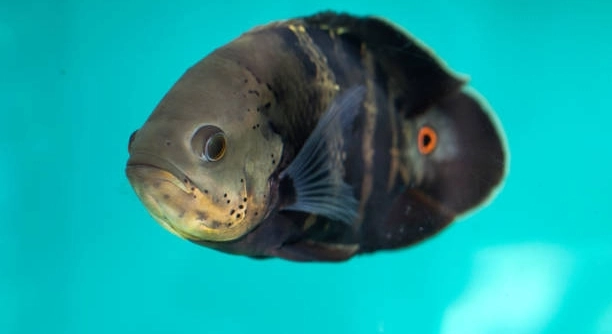
Feeding Oscars the right way is essential for their health and happiness. Establishing a consistent feeding schedule helps ensure that your fish get the nutrition they need to thrive. Understanding the best feeding practices is key.
There are several feeding schedules that work well for Oscars, depending on their age, size, and activity level. Typically, adult Oscars should be fed two to three times a day with portions that they can consume in 2 to 3 minutes.
With these feeding schedules in mind, your Oscar will have a better chance at a long, healthy life. It’s important to know how much and when to feed them, as it can prevent overfeeding or malnutrition.
Basic Feeding Schedule for Adult Oscars
Adult Oscars require a balanced and consistent feeding schedule to maintain optimal health. It’s important to feed them at least two times a day, with portions they can consume in 2 to 3 minutes. This feeding frequency ensures they get enough nutrition without overfeeding. If you overfeed them, it can lead to health problems like obesity and water quality issues. It’s crucial to monitor how much they eat and adjust portions if necessary. Oscars are known for their hearty appetites, so be cautious and don’t feed too much.
A simple schedule of morning and evening feedings works well. Offer a variety of high-quality pellets or frozen foods that are easy for them to eat.
By sticking to a set routine, you also reduce the chances of Oscars becoming stressed. Stress can affect their immune system and overall well-being. You’ll notice that regular feeding times can make your fish feel more secure and comfortable in their tank.
Feeding Juvenile Oscars
Juvenile Oscars need more frequent feedings compared to adults. They are growing quickly, so providing them with food 3 to 4 times a day is ideal. This helps them get the necessary nutrients to support their rapid growth.
As with adults, it’s important to provide high-quality food, but you should feed smaller portions more often. Too much food at once can lead to water pollution and digestive issues. Feeding your juvenile Oscar in small amounts throughout the day will give it the best chance to grow into a healthy adult.
It’s also a good idea to feed them a mix of different foods. Try offering a variety of pellets, frozen worms, and other nutritious snacks. Keep in mind that the food should be small enough for them to consume quickly, as uneaten food can quickly degrade water quality. You can adjust the quantity of food as they grow. Keep a close eye on them and ensure they’re getting enough nutrition without overwhelming their digestive system.
Feeding Oscars with Frozen Food
Frozen food is a convenient and nutritious option for feeding your Oscars. You can use a variety of frozen foods like shrimp, bloodworms, or fish fillets. It’s important to thaw the food before offering it to your fish to ensure they can digest it properly.
Offering frozen food once or twice a week is a good way to vary your Oscar’s diet. This keeps their meals interesting while still providing the essential nutrients. Be sure to remove any uneaten food from the tank after a few minutes to avoid water contamination.
Oscars enjoy a variety of food, so adding frozen treats helps keep them healthy and satisfied. While frozen food is excellent for diversity, it should not replace their regular pellets. The balance between pellets and frozen food should be maintained to provide them with a complete diet.
Feeding Oscars in Larger Tanks
In larger tanks, Oscars have more room to swim and explore, which means they may burn more calories. This extra activity can affect their feeding habits. You may need to increase the frequency of their meals, offering them food 2 to 3 times a day.
The bigger tank size also means more water volume, so you might need to adjust how much food you give. Overfeeding can quickly lead to water quality problems, especially when the fish have more space to swim. Use a proper filtration system to keep the water clean and free of excess food debris.
In larger tanks, feeding your Oscars can also become a bit more tricky because you need to ensure all the fish get their share. If there are other tankmates, consider using feeding rings or scattering the food evenly to avoid competition. The extra space is great for Oscars but requires a bit more care and attention when it comes to feeding them.
Overfeeding Oscars
Overfeeding is a common mistake many Oscar owners make. It’s easy to get carried away when your fish seems eager to eat, but this can lead to health issues. Too much food can result in obesity and deteriorate water quality.
It’s important to monitor how much food your Oscar consumes in each feeding. Remove any uneaten food from the tank to avoid it decomposing and affecting the water. Stick to portion sizes your Oscar can finish in 2 to 3 minutes. Overfeeding often leads to more problems than benefits.
Fast vs. Slow Feeders
Oscars are naturally fast eaters, so it’s important to control the speed at which they consume food. If they eat too quickly, they might gulp air, which can lead to bloating or stress.
To slow them down, try using a feeding ring or spreading their food across the tank. This encourages them to eat more gradually and helps with digestion. It also prevents them from getting too competitive if there are multiple Oscars or other fish in the tank.
Adjusting Feeding Frequency with Age
As Oscars age, their feeding needs change. Juveniles typically need more frequent feedings, but adults do best with fewer meals. Adjust the feeding schedule according to your Oscar’s size and growth rate.
For adult Oscars, 2 to 3 feedings a day are generally sufficient. Monitor their weight and activity level to ensure they are not being underfed or overfed. Adjust the portion size as they grow and change their feeding routine accordingly to match their changing metabolism.
FAQ
How much should I feed my Oscar fish?
The amount of food you should give your Oscar depends on its size and age. Adult Oscars should be fed portions they can consume within 2 to 3 minutes. For younger Oscars, offer smaller portions 3 to 4 times a day, ensuring they can finish all the food. Be mindful of their appetite and adjust the amount if needed. Oscars can be overfed easily, which can lead to health issues.
How often should I feed my Oscar?
Oscar fish should be fed 2 to 3 times a day if they are adults. Juvenile Oscars require more frequent feedings, about 3 to 4 times a day. Once your Oscar reaches adulthood, feeding twice a day is often sufficient, but it depends on their activity level and how much they eat. Overfeeding can lead to water quality issues and obesity, so be sure to monitor their consumption carefully.
What types of food can I feed my Oscar?
Oscars thrive on a varied diet. Their staple food should be high-quality pellets that are specifically designed for carnivorous fish. Additionally, you can offer frozen foods like shrimp, bloodworms, or fish fillets. Live food like earthworms and small fish can also be offered occasionally. Offering a range of foods keeps your Oscar’s diet balanced and interesting. Make sure the food is appropriate for the size of your Oscar and its age. Avoid feeding them only one type of food, as it can lead to nutritional imbalances.
Can I feed my Oscar live fish?
Yes, Oscars can eat live fish, but it should be done with caution. Live fish can be a great source of entertainment for Oscars and a source of protein. However, feeding live fish may expose your Oscar to potential parasites or disease. It’s better to raise feeder fish in a separate tank to reduce risks. Always choose healthy, disease-free live fish for feeding. If you choose to feed live fish, make sure to do it sparingly, as a varied diet is still crucial for your Oscar’s health.
How can I prevent my Oscar from overeating?
The best way to prevent overeating is by controlling portion sizes and feeding at regular intervals. Avoid offering too much food at once. Oscars tend to eat fast, so it’s easy for them to consume large amounts if given the chance. Feed them in small portions that they can finish within a few minutes. If you are feeding multiple Oscars, use a feeding ring or scatter the food evenly throughout the tank to ensure each fish gets its share and to slow down the eating process.
Should I feed my Oscar pellets or frozen food?
Both pellets and frozen food are excellent choices for Oscars, and a mix of both is recommended. Pellets provide a stable, balanced diet and can be easily portioned. Frozen foods like shrimp, bloodworms, and fish fillets offer variety and can stimulate your Oscar’s hunting instincts. Feeding your Oscar a combination of both will give them the best of both worlds. However, ensure you don’t overdo it with frozen food, as it’s more prone to contamination and water quality issues. Use frozen food as a treat or supplement to their main pellet diet.
Is it okay to feed my Oscar once a day?
Feeding your Oscar once a day is generally fine, especially for adult Oscars. They have larger appetites and can manage with one meal a day. However, it’s essential to offer the right portion size, so your Oscar gets enough nutrition without overeating. For younger Oscars or those still growing, feeding once a day might not be enough. Juvenile Oscars need more frequent feedings, typically 3 to 4 times a day, to support their growth and energy needs.
What happens if I overfeed my Oscar?
Overfeeding your Oscar can lead to obesity, which can cause long-term health problems, such as poor water quality and stress. Excess food left in the tank can rot, affecting the water quality and putting unnecessary strain on the filter. Overfeeding also increases the chances of digestive problems for your fish, such as constipation or bloating. Always monitor how much food your Oscar consumes, and remove any uneaten food promptly to maintain a clean tank and avoid health risks.
Can I feed my Oscar vegetables?
While Oscars are primarily carnivorous, they can occasionally be fed vegetables. You can try offering small pieces of leafy greens like spinach, lettuce, or zucchini. Some Oscars might nibble on these, but don’t rely on vegetables as their primary source of nutrition. Stick to a protein-rich diet, and offer veggies in moderation. You may also see them enjoy fruits like grapes or pieces of melon, but again, these should be occasional treats and not a staple in their diet.
How do I know if I’m feeding my Oscar the right amount?
You can tell if you’re feeding your Oscar the right amount by observing its weight and activity level. If your Oscar is swimming actively, has clear, bright eyes, and isn’t showing signs of being overweight or underweight, it’s likely getting the right amount of food. If your Oscar is lethargic or overweight, reduce the portion size. A healthy Oscar should have a slightly rounded belly but not be excessively bloated. Monitor how much food is consumed and adjust accordingly to ensure your fish stays healthy.
Can I feed my Oscar fish flakes instead of pellets?
While fish flakes are an option, they are not the best choice for Oscars. Flakes tend to disintegrate quickly in the water, which can cause waste and water quality issues. Pellets are a better option because they sink slowly, allowing Oscars to eat them without creating as much mess. Pellets also provide a more balanced diet that is specifically formulated for carnivorous fish. Flakes can be used in a pinch, but pellets are the preferred option for regular feeding.
What time should I feed my Oscar?
Feeding your Oscar at the same times every day is a good practice to help them feel more secure. You can feed them in the morning and evening, about 8 to 12 hours apart. Oscars are used to a routine, so feeding them consistently at these times will help them adjust and know when to expect food. This routine also promotes better digestion and reduces the chance of overfeeding, as you are less likely to forget to feed them or give them too much food at once.
Final Thoughts
Feeding your Oscar fish the right way is essential for their health and well-being. A well-balanced diet, along with a consistent feeding schedule, ensures that your fish get the nutrition they need without overfeeding or underfeeding. Oscars can be hearty eaters, so it’s important to provide the right portions and avoid excess food that could pollute the water. Always be mindful of the type of food you provide and try to vary their meals to keep them interested and healthy. Frozen food, pellets, and even occasional live food can all be part of a well-rounded diet, as long as they are given in moderation.
Overfeeding is a common issue, and it’s one of the main things to avoid when caring for Oscars. Feeding them more than they need can lead to health problems like obesity, digestive issues, and poor water quality. It’s important to monitor how much food your Oscar consumes and remove any leftover food after a few minutes. Keep a close eye on their body condition and adjust feeding amounts as necessary. Younger Oscars may require more food and more frequent feedings, while adults typically do well with two to three feedings per day. Make sure that the food is suitable for their size and age, so they get the best nutrition.
Understanding the specific needs of your Oscar, whether they are juvenile or adult, is key to creating a feeding routine that works for them. As they grow, their feeding needs will change, so be prepared to adjust the frequency and type of food you provide. The right care and feeding habits will help your Oscar thrive and enjoy a long, healthy life in your tank. Don’t forget to also maintain the cleanliness of the tank, as good water quality is just as important as good nutrition. By staying consistent with feeding and watching for signs of overfeeding or underfeeding, you can ensure your Oscar fish remain happy and healthy.

Hello,
If you enjoy the content that we create, please consider saying a "Thank You!" by leaving a tip.
Every little bit helps us continue crafting quality advice that supports the health, happiness, and well-being of pets around the world, for pets of all shapes, sizes, and species.
We really appreciate the kindness and support that you show us!