
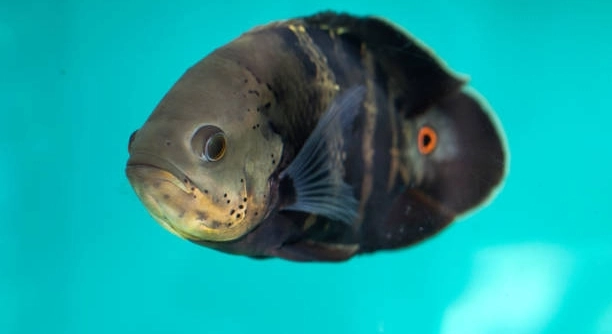
Feeding your pets the right way is essential, but understanding their preferences can be tricky. Oscars, known for their distinct eating habits, require particular attention to thrive. Understanding these feeding patterns will help you create the best routine for them.
Oscars prefer a varied diet that includes high-quality pellets, live food, and occasional treats. They are carnivorous and often feed on fish, worms, and insects, and their feeding behavior is highly influenced by their environment and routine.
Understanding the best feeding patterns for your Oscar fish will ensure they stay healthy and happy. By following specific routines, you can meet their dietary needs while avoiding common mistakes.
1. Oscars Love Consistency in Their Feeding Schedule
Oscars are creatures of habit. If you feed them at the same time every day, they’ll start to recognize the pattern and anticipate meals. This consistency not only helps regulate their digestion but also keeps them comfortable and secure in their environment. The right timing allows Oscars to be less stressed and more focused on eating. Without a set feeding routine, they may become anxious or reluctant to eat at all. It’s essential to maintain a regular schedule, as sudden changes can lead to a decrease in appetite or cause uneaten food to spoil in the tank.
Having a consistent feeding time is key to ensuring your Oscar is healthy and content. If you find that your Oscar isn’t eating, look to your feeding routine for improvements.
Oscars are also sensitive to water conditions, and feeding at the same time helps them adapt better. Regular feeding times also make it easier to track how much food they’re consuming. When they eat regularly, you’ll notice if they’re not eating enough, which could signal health problems. Keep an eye on their behavior to adjust feeding portions as needed.
2. Oscars Require a Varied Diet
Oscars thrive when given a varied diet, and they prefer fresh, protein-packed foods. A mix of high-quality pellets, live foods, and occasional frozen treats ensures they get the nutrients they need to grow. Oscars have strong appetites and need the right balance of protein, fat, and vitamins for optimal health. Live foods such as feeder fish, worms, and insects stimulate their natural hunting instincts, encouraging physical activity and mental stimulation. Mixing up their meals keeps things exciting and can even prevent them from becoming picky eaters.
A variety of food types is vital for keeping your Oscar happy and healthy. A balanced diet prevents boredom and nutritional deficiencies.
When feeding your Oscar, keep in mind that they’re more than just aquarium fish. They enjoy the challenge of hunting for their food, so adding live or frozen food options can enhance their feeding experience. The wide variety of foods you provide helps mimic their natural diet in the wild, where they would typically consume different kinds of prey. If you stick to just one type of food, your Oscar might get bored or fail to receive all the nutrients needed for long-term health. Offering different types of food also allows you to observe how much they’re eating, ensuring that they’re getting the right amount of calories.
3. Oscars Enjoy Regular Feeding Amounts
Feeding Oscars the right portion size is crucial. Overfeeding or underfeeding can lead to health issues, including obesity or malnutrition. It’s important to pay attention to their appetite and adjust accordingly. Oscars will usually eat until they are full, so offering the right amount each time helps maintain their overall well-being. The general rule is to feed them as much as they can consume in about 2 to 3 minutes. If you notice uneaten food in the tank, you may be offering too much.
By observing your Oscar’s eating habits, you’ll be able to fine-tune the portion sizes. Each Oscar may have slightly different needs based on size and activity level. You can easily adjust by offering slightly more or less at feeding times.
Be careful not to overfeed, as it can lead to bloating or excess waste in the tank. The extra food breaks down and can negatively affect water quality, so always monitor your Oscar’s food intake. If you feed them too much and they leave leftovers, you’ll have to remove it promptly to avoid contamination. Keeping track of the portion sizes also helps ensure your Oscar gets just the right nutrients without risk of overeating.
4. Oscars Benefit from Food Rotation
Rotating foods for Oscars is an effective way to keep them healthy and engaged. Offering different foods each week prevents monotony and allows your fish to benefit from various nutrients. A consistent rotation of live food, pellets, and frozen food mimics the natural variety they would encounter in the wild. This also helps avoid any deficiencies that might arise from eating only one type of food.
Oscars enjoy variety, and rotating foods gives them a more balanced, healthy diet. It also helps keep them interested in their meals, preventing them from rejecting food because they are tired of the same thing.
While food rotation is key, it’s important not to introduce too many new foods at once. Oscars can be sensitive to sudden changes in their diet. Introduce new foods gradually, mixing them with familiar options until your Oscar adjusts. Pay attention to how your Oscar responds to the changes and make sure they continue eating well.
5. Oscars Prefer Smaller, Frequent Meals
Oscars do best when fed smaller meals throughout the day. This feeding approach is easier on their digestion and helps maintain their energy levels. Rather than offering one large meal, dividing their food into two or more smaller servings can prevent overfeeding and reduce stress on their system.
Frequent feeding also keeps them engaged, as they look forward to regular meals. It mimics their natural feeding patterns, where they would eat multiple smaller meals instead of one large portion. This helps with digestion and keeps them active.
6. Oscars Are Sensitive to Overfeeding
Overfeeding can cause a range of issues for Oscars, from water pollution to health problems like obesity. It’s important to carefully measure their food and monitor their intake. Oscars often eat quickly and may appear hungry even after they’re full. Avoid the temptation to feed them too much.
If left unchecked, overfeeding can lead to uneaten food decaying in the tank, affecting water quality. Always remove any leftover food within 15 minutes to ensure your Oscar’s environment stays clean and healthy.
7. Oscars Need a Balanced Diet with Protein
A proper balance of protein is vital for Oscars to thrive. They are primarily carnivorous, so protein-rich food is essential for their growth and energy. Feeding them quality pellets, along with live or frozen foods like worms or fish, gives them the right nutrients.
FAQ
What should I feed my Oscar fish?
Oscars are carnivores, so they primarily eat protein-rich foods. The best options include high-quality pellets, live foods like feeder fish, worms, and insects, and frozen foods like bloodworms or shrimp. You can also offer occasional treats such as small pieces of cooked meat or fish. A balanced diet is important, so mix up the food choices to ensure they get the full range of nutrients needed for optimal health.
How often should I feed my Oscar fish?
Feed your Oscar once or twice a day, depending on its age and size. Juvenile Oscars may require more frequent feedings, while adult Oscars usually do well with one meal a day. You can also split the meals into two smaller portions to avoid overfeeding. Regular feeding at the same time each day helps establish a routine and promotes a healthy digestive system.
How much should I feed my Oscar fish?
The general rule is to offer as much food as your Oscar can consume in 2 to 3 minutes. Overfeeding is a common mistake, so monitor your Oscar’s eating habits closely. If there’s leftover food, reduce the portion size next time. If your Oscar is still hungry after a few minutes, you can try offering a little more food at the next meal.
Can I feed my Oscar live fish?
Yes, Oscars can eat live fish, and it’s actually a part of their natural diet. However, be careful about the type of live fish you offer. It’s important to avoid feeder fish that could be carrying diseases, as they can transmit harmful bacteria or parasites. Always ensure the live food is healthy and clean before introducing it to your Oscar’s tank.
What foods should I avoid feeding my Oscar?
Avoid feeding your Oscar processed or fatty foods, as these can lead to health problems like obesity or digestive issues. Stick to high-quality, protein-rich foods and avoid giving them human food, as it may be too rich or too salty. Also, steer clear of offering your Oscar any food that could lead to water contamination, such as uneaten food that isn’t cleaned up.
Can I feed my Oscar vegetables?
While Oscars are primarily carnivorous, they will occasionally nibble on plant matter. Some Oscars enjoy vegetables like peas or spinach, but they should not be the main component of their diet. If you want to introduce vegetables, make sure they are finely chopped and offer them in small amounts as a treat or supplement to their primary protein sources.
How can I tell if my Oscar is overfed?
Overfeeding your Oscar can lead to weight gain, bloating, or constipation. You might notice that your fish is more sluggish than usual, or that there’s uneaten food accumulating in the tank. Additionally, poor water quality is another sign of overfeeding, as leftover food decomposes and raises the ammonia levels in the tank. It’s important to maintain a regular feeding schedule and remove uneaten food promptly.
How long can an Oscar go without food?
Oscars can generally go without food for up to 2-3 days, especially if they’re healthy and have been fed well in the days leading up to a break in their feeding schedule. However, it’s best not to leave them unfed for too long, as extended periods without food can weaken their immune system and lead to health issues. Make sure they’re regularly fed to maintain their energy and strength.
What if my Oscar is refusing to eat?
If your Oscar isn’t eating, it could be a sign of stress, illness, or a change in its environment. First, check if the water quality is good, as poor water conditions can discourage eating. Also, consider whether you’ve been offering a varied diet. Try offering different types of food to see if they respond better. If the issue persists, it may be wise to check with an aquarium professional or veterinarian to rule out any health concerns.
Can I feed my Oscar only pellets?
While pellets are a convenient and nutritious option, it’s not ideal to feed your Oscar only pellets long-term. A variety of foods provides essential nutrients that pellets alone might lack. It’s best to rotate their diet, incorporating live, frozen, and high-protein foods to keep them healthy and engaged. If you only feed pellets, your Oscar may become bored with its food, and nutritional imbalances could develop over time.
Is it necessary to feed Oscars every day?
Yes, Oscars should be fed every day, as they require consistent nutrition to maintain their health. Skipping feeding days regularly can cause a drop in energy levels and make your Oscar more vulnerable to illness. However, the size of the meals can vary, and some owners feed their Oscars every other day if they are older or not as active. Just be sure that they receive the proper nutrition when they are fed.
Can Oscars eat frozen food?
Yes, Oscars can eat frozen food like bloodworms, shrimp, or even small fish. Frozen food is a convenient and healthy option, as long as it’s thawed properly before being offered. Avoid refreezing food once it has been thawed, and ensure that frozen food is sourced from a reputable supplier to reduce the risk of parasites or contaminants.
Final Thoughts
Feeding an Oscar fish requires understanding its dietary needs and habits to ensure it remains healthy. Oscars are carnivorous fish that thrive on a protein-rich diet, which should include a mix of high-quality pellets, live foods, and occasional frozen treats. Maintaining a balanced and varied diet is key to keeping them happy. Offering a variety of foods not only meets their nutritional needs but also keeps mealtime interesting for them, which is important for their overall well-being. The right combination of foods can help your Oscar grow strong and active.
It’s also important to feed Oscars regularly and in the right amounts. A consistent feeding schedule helps keep them on track, while portion control ensures they don’t overeat or go hungry. Oscars can easily overeat, and this can lead to issues such as water pollution from uneaten food or obesity. When feeding, remember the general rule: provide as much food as they can eat in 2 to 3 minutes, and adjust based on their appetite. Regularly cleaning up uneaten food is essential to maintaining water quality, which directly impacts your Oscar’s health.
Lastly, keep an eye on your Oscar’s behavior and adjust its feeding routine if needed. If your fish shows signs of stress, like refusing food, check the water quality, diet, and feeding schedule. Oscars are sensitive creatures and need a stable environment to feel comfortable and thrive. By offering a variety of foods, sticking to a regular feeding routine, and monitoring their health, you’ll help ensure that your Oscar enjoys a long, healthy life in your aquarium. A little care and attention go a long way in making sure your Oscar stays healthy and happy.

Hello,
If you enjoy the content that we create, please consider saying a "Thank You!" by leaving a tip.
Every little bit helps us continue crafting quality advice that supports the health, happiness, and well-being of pets around the world, for pets of all shapes, sizes, and species.
We really appreciate the kindness and support that you show us!