
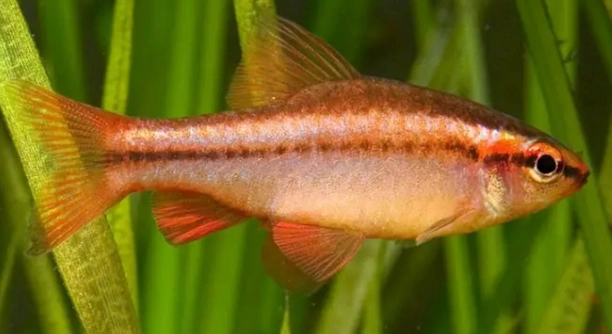
Do you ever find yourself struggling to feed your cherry barbs properly because of your busy schedule? Keeping up with their diet can be tricky when time is short and your days are packed.
There are seven effective feeding options that cater to the needs of cherry barbs while accommodating a hectic lifestyle. These methods range from automatic feeders to carefully selected prepared foods, ensuring nutritional balance without daily preparation.
Each option offers a practical way to keep your fish healthy and satisfied, even when your time is limited. Let’s explore what might work best for your routine.
Automatic Feeders for Daily Convenience
Automatic feeders are a great choice when you’re short on time. These devices let you schedule meals ahead so your cherry barbs are fed even when you’re not home. You can adjust the portion size and feeding frequency depending on your fish’s needs. Most feeders are easy to use and reliable, making them ideal for busy owners. They work well with flakes, pellets, and even some freeze-dried foods. Setting them up takes just a few minutes, and once they’re in place, you don’t need to worry about daily feeding. If you travel often or have unpredictable work hours, this option can give you peace of mind. Just make sure to test the feeder before relying on it fully, and check the batteries or power source regularly to avoid interruptions. Keeping the food compartment clean will also prevent clogging and mold growth, helping your cherry barbs stay healthy.
This method reduces stress and keeps your fish on a consistent feeding schedule.
Look for models that allow multiple daily feedings, especially if you have other species in the tank that may compete for food. An adjustable setting is key so you don’t overfeed or underfeed your cherry barbs. Pair the feeder with a simple timer and a backup power source if your area is prone to outages. Many newer feeders have moisture-resistant compartments that keep food dry and prevent it from sticking. Some can even be mounted on the aquarium hood for a neat setup. This type of feeding system may cost more upfront, but it can save time and worry over the long term. Make sure you test different types of food in the feeder to see what dispenses smoothly. Routine checks every few days are still important to confirm everything’s working properly.
High-Quality Pellets and Flakes
Pellets and flakes are a fast, simple way to provide nutrients without much prep. Look for options made for small tropical fish like cherry barbs.
Choose food with a good mix of protein and plant ingredients. Avoid anything with a lot of fillers like wheat or soy. Feeding your cherry barbs a variety of high-quality flakes and pellets ensures they receive balanced nutrition. Some pellets sink, while others float—this gives all your fish a chance to eat, no matter their swimming level. You can rotate between brands every few weeks to keep their diet interesting and well-rounded. It’s best to feed only what they can eat in two minutes to avoid waste and water issues. Store food in a cool, dry place to keep it fresh longer. If your fish lose interest, try crushing the flakes or soaking pellets briefly in water to soften them.
Freeze-Dried Foods for Occasional Feeding
Freeze-dried foods are easy to store and mess-free. They offer a way to give your cherry barbs some variety without much effort. These foods include brine shrimp, bloodworms, and daphnia, which are all packed with protein.
Freeze-dried options work well as treats or supplements a few times a week. They help mimic your cherry barbs’ natural diet and support their color and energy. To avoid digestion problems, soak the freeze-dried pieces in tank water for a few minutes before feeding. This softens the food and makes it easier to eat. You can break the pieces into smaller bits to prevent choking. Don’t rely on freeze-dried foods as a main diet—they lack moisture and some nutrients found in fresh or frozen varieties. When stored properly in a dry, airtight container, freeze-dried foods last for months and remain safe for feeding.
It’s important not to overdo it with freeze-dried options. While your cherry barbs may go crazy for them, too much protein-heavy food can lead to bloating or water quality issues. Stick to feeding small amounts and watch how your fish react. If they seem less active or stop eating their usual pellets or flakes, cut back on the freeze-dried treats. Some brands add vitamins or color enhancers, which can help, but read the label to avoid unnecessary additives. Once or twice a week is usually enough. This feeding method is quick, doesn’t require refrigeration, and helps add interest to your fish’s diet.
Frozen Foods for Better Nutrition
Frozen foods are a step up in nutrition and are closer to what cherry barbs eat in the wild. They include bloodworms, brine shrimp, and mosquito larvae. These foods help with color and health, and most fish eagerly eat them.
Keep a small supply of frozen foods in your freezer and only thaw the amount you plan to use. You can thaw it in a small cup of tank water before feeding. Using tweezers or a small spoon helps with portion control. Avoid dumping the frozen cube directly into the tank—it can shock your fish or cloud the water. Feed frozen foods about two to three times a week. They support variety and help prevent picky eating. If your cherry barbs are young or breeding, frozen foods give them a boost in protein and energy. Always discard any leftovers to maintain clean water and prevent bacteria growth.
Blanched Vegetables for Added Fiber
Blanched vegetables like zucchini, spinach, and peas are simple to prepare and help with digestion. Just boil them briefly, let them cool, and cut them into tiny pieces your cherry barbs can nibble on easily.
Feed vegetables once or twice a week in small amounts. Remove any uneaten pieces after a few hours to keep the water clean. This option works best when paired with their usual protein-rich foods.
Gel Food Mixes for Custom Meals
Gel food mixes let you control what goes into your fish’s diet. These products usually come as a powder you mix with boiling water and refrigerate until firm. You can add extra ingredients like ground peas, fish flakes, or vitamins before it sets. Once firm, cut into tiny cubes or crumble for easy feeding. Gel food stays fresh in the fridge for several days and gives your cherry barbs something soft and moist to enjoy. It’s a flexible option that works well for picky eaters or those needing a special diet. Store leftovers properly to avoid mold or spoilage.
Feeding Blocks for Extended Absence
Feeding blocks dissolve slowly in water, releasing food over several days. They’re useful for weekends away but should not replace daily feeding for long periods. Check the label to make sure they’re suitable for cherry barbs.
FAQ
How often should I feed my cherry barbs?
Feed adult cherry barbs once or twice a day. If feeding twice, make sure each portion is small. They should finish all the food in about two minutes. Overfeeding can lead to waste buildup and water quality issues. Young cherry barbs or those in breeding tanks may need more frequent feedings, but the amount should still be carefully measured to avoid overfeeding. Stick to a routine to help them stay active and healthy.
Can I feed them only one type of food?
It’s better to offer a mix of foods. Feeding only flakes or only pellets every day may cause boredom or lack of nutrients over time. Rotate between flakes, pellets, freeze-dried, and occasional frozen or fresh foods. This keeps your cherry barbs interested in their meals and gives them a better chance at getting all the nutrients they need for growth, immunity, and color.
Are feeding blocks safe to use regularly?
Feeding blocks are safe for occasional use, like during short trips, but not as a daily feeding method. They dissolve slowly and may not suit every tank setup. Some blocks may cloud the water or be hard for cherry barbs to eat. Use them only when you’re away for a few days, and remove any leftover pieces when you return.
Do cherry barbs eat vegetables?
Yes, they enjoy soft vegetables like zucchini, spinach, and shelled peas. These should be blanched first—boiled briefly and cooled—so they’re easy to chew. Vegetables can help with digestion and add fiber to their diet. Offer veggies once or twice a week in small portions and remove leftovers after a couple of hours to keep the tank clean.
What should I do if my cherry barbs stop eating?
If your cherry barbs lose interest in food, check your water quality first. Ammonia or nitrate spikes can cause stress and affect appetite. Also, look for signs of illness or bullying in the tank. Try offering a different type of food, like frozen brine shrimp or bloodworms, to encourage eating. If they’re still not eating after a couple of days, consider isolating the fish and consulting a vet or experienced aquarist.
Can I leave an automatic feeder on all the time?
Yes, but you should check it often to make sure it’s working properly. Clean the food compartment regularly and ensure the food isn’t clumping or getting stuck. Some feeders run on batteries, so test them now and then to avoid feeding issues. Don’t forget to refill it when needed, and keep it in a dry place to prevent moisture buildup.
Is it okay to skip a feeding day?
Skipping a feeding day now and then is fine. It can actually help reduce leftover waste in the tank and give their digestive system a break. Healthy adult cherry barbs can go a day without food with no problem. Just don’t make it a frequent habit, especially with younger fish.
Can cherry barbs overeat?
Yes, they will often keep eating if food is available. Overeating can lead to bloating and poor water quality due to uneaten food sinking to the bottom. That’s why it’s important to feed small amounts and observe their behavior while eating. If food starts falling uneaten, you’ve given too much.
What time of day is best for feeding cherry barbs?
Morning or early evening works best. Feed them when they’re active and lights are on. Avoid feeding them right after turning on the lights, as they may need a few minutes to become fully alert. A calm, quiet feeding time also helps them feel safe and encourages good eating habits.
Final Thoughts
Caring for cherry barbs doesn’t have to feel like a big task, even with a packed schedule. With the right feeding options, it becomes much easier to keep your fish healthy and well-fed. Automatic feeders, flakes, pellets, freeze-dried foods, and even blanched vegetables can all be part of a balanced plan. Each method serves a different purpose and fits different lifestyles. The key is to find what works best for you and your fish. Some options require a bit of setup, while others are quick and easy to use every day. Mixing and matching feeding styles can give your cherry barbs the nutrients they need while making your life a little simpler.
Routine matters a lot when feeding cherry barbs. Feeding them at the same time every day helps them feel secure and keeps their behavior consistent. While they’re not very picky, cherry barbs do benefit from variety. This keeps them active and supports their natural colors and energy levels. Try not to rely on just one food type. Use flakes and pellets as the base, and then add in other foods throughout the week like frozen or freeze-dried treats. Don’t forget to watch how your fish behave during and after feeding. If they’re ignoring food or showing signs of stress, it may be time to adjust what or how much you’re feeding.
Even with the best tools and planning, regular observation and care are still important. Make time each week to check your feeder (if you use one), clean any leftover food, and observe your fish. This helps catch any problems early, like changes in appetite or signs of illness. Feeding blocks, gel mixes, and vegetables can all be great additions when used in moderation. Just remember, clean water is just as important as proper food. Any uneaten food should be removed quickly to avoid affecting the water quality. When in doubt, feed a little less rather than too much. With a little attention and the right mix of feeding options, your cherry barbs can stay healthy and happy—even on your busiest days.

Hello,
If you enjoy the content that we create, please consider saying a "Thank You!" by leaving a tip.
Every little bit helps us continue crafting quality advice that supports the health, happiness, and well-being of pets around the world, for pets of all shapes, sizes, and species.
We really appreciate the kindness and support that you show us!