
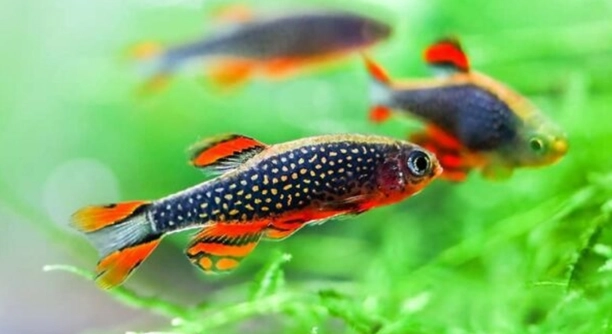
Have you ever wondered if you are feeding your baby Celestial Pearl Danios the right way? These tiny fish have delicate needs, and even small mistakes can affect their growth, health, and overall happiness in the tank.
The most common feeding mistakes with baby Celestial Pearl Danios include overfeeding, providing inappropriate food sizes, inconsistent feeding schedules, and neglecting water quality. These factors directly impact their digestion, growth rate, and long-term health in a controlled aquarium environment.
Understanding these mistakes will help you create a healthier environment for your fish. Small changes in feeding habits can make a noticeable difference in their development.
Overfeeding Your Baby Danios
Overfeeding is one of the most common mistakes when caring for baby Celestial Pearl Danios. It’s easy to think that giving them extra food will help them grow faster, but it often does more harm than good. Excess food can quickly pollute the water, leading to spikes in ammonia and nitrite levels. Poor water quality stresses the fish and can stunt their growth. Baby Danios have tiny stomachs, and their bodies cannot process large amounts of food at once. Feeding small portions multiple times a day is much more effective. Observing how much your fish consume in a few minutes helps you gauge the right amount. Using a pipette or small feeding spoon can make portion control easier. Overfeeding also increases the risk of digestive problems, including bloating and constipation, which are dangerous for delicate fry. Keeping a consistent, measured feeding routine ensures healthier, more active fish.
Providing only small, controlled portions reduces waste and prevents water contamination, supporting stronger growth and overall health for baby Celestial Pearl Danios.
Monitoring feeding habits carefully allows you to spot early issues before they become serious problems. Overfeeding is easy to fix with small, regular meals, making tank maintenance simpler.
Feeding the Wrong Food Size
Baby Celestial Pearl Danios need food that is appropriately sized for their tiny mouths. Large flakes or pellets can be difficult to eat, leading to frustration and malnutrition. Offering finely crushed flakes, micro-pellets, or specialized fry food ensures they can ingest and digest their meals properly. Some live foods, like baby brine shrimp, are excellent for promoting healthy growth. Nutritionally balanced options are essential, as deficiencies in protein or essential vitamins can slow development. Rotating food types also helps stimulate appetite and provides a wider range of nutrients. It’s important to remove uneaten food promptly to prevent it from decomposing in the tank. Clean water and proper nutrition work together to keep fry healthy. Watching the fry closely during feeding lets you adjust the size and type of food to match their growth stage, ensuring they get enough without risking digestive problems or water pollution. Consistency in both food size and schedule supports stronger, more resilient fry.
Small food that is easy to eat helps baby Danios grow efficiently while reducing the risk of digestive issues and tank contamination.
Providing properly sized food consistently ensures your fry can feed effectively without stress. By paying attention to their needs, you can support steady growth and healthier development. Adjusting food types as they grow keeps them active and thriving in the aquarium.
Inconsistent Feeding Schedule
Baby Celestial Pearl Danios thrive on routine. Skipping feedings or feeding at irregular times can stress them and slow their growth. Maintaining a predictable schedule helps regulate digestion and supports steady development. Small, frequent meals are ideal for their tiny bodies.
Feeding at consistent times each day ensures that fry know when to eat, reducing stress and improving appetite. Irregular feeding can lead to overeating when food is finally offered, which causes water pollution and digestive issues. A stable schedule also allows you to monitor growth and health more effectively. Using a timer or setting reminders can make this easier, especially if you have a busy routine. Regular feedings promote active behavior and help fry establish normal growth patterns, which is essential for strong, healthy fish.
Consistency also prevents dominance issues in the tank. Fry that eat at different times may not get enough nutrition, leading to uneven growth. By feeding small amounts multiple times daily, you can ensure all fry receive proper nutrition. This approach supports overall health, strengthens immune systems, and encourages more active swimming, which is important for developing strong, healthy fish that are less susceptible to disease.
Ignoring Water Quality During Feeding
Food left uneaten in the tank quickly decomposes, raising ammonia levels and harming fry. Removing excess food and monitoring water quality keeps baby Danios healthy.
Dirty water can stress fish and increase the risk of disease. Even minor water contamination affects digestion, growth, and survival rates of fry. Using a fine mesh net to remove leftover food or performing partial water changes regularly maintains optimal conditions. Tanks with live plants or a gentle filtration system can help manage waste, but attention is still necessary. Water testing for ammonia, nitrite, and nitrate levels ensures the environment remains safe. Clean water supports better feeding efficiency, stronger immune systems, and faster growth, making daily maintenance a vital part of fry care. Observing fish behavior after feeding can indicate if water conditions are affecting them, allowing for quick adjustments.
Regular cleaning and monitoring also prevent algae buildup, which can compete for oxygen and nutrients. Maintaining water quality during feeding supports long-term health, reduces stress, and creates a stable environment for baby Celestial Pearl Danios to thrive and develop normally.
Feeding Adult Food Too Early
Baby Celestial Pearl Danios cannot properly digest adult-sized pellets or flakes. Offering food that is too large can cause choking and slow growth. Stick to finely crushed flakes or specialized fry food until they are fully grown.
Introducing adult food too soon may also lead to nutrient deficiencies. Fry need higher protein content and smaller particle sizes. Feeding inappropriate food can stress their digestive system, making them less active and more prone to illness. Waiting until they are larger ensures they can process adult food safely and still get all the nutrients they need for healthy development.
Skipping Live or Frozen Foods
Live or frozen foods like baby brine shrimp or daphnia provide essential nutrients and stimulate growth. Relying solely on flakes limits dietary variety and can slow development.
Providing occasional live or frozen food improves digestion and encourages natural foraging behavior. Fry respond better to these foods, showing more energy and activity. Incorporating these options ensures a balanced diet that supports strong, healthy growth.
Overlooking Vitamin Supplements
Fry may not get all required vitamins from basic foods alone. Adding supplements promotes immune health and proper development.
Feeding in Large Groups
Crowded feeding sessions often leave weaker fry without enough food. Spacing feedings helps ensure all fry receive proper nutrition.
FAQ
How often should I feed baby Celestial Pearl Danios?
Baby Danios should be fed small amounts two to four times a day. Their tiny stomachs cannot handle large meals, so spreading feeding throughout the day helps maintain consistent energy and healthy growth. Observing how much they eat in a few minutes allows you to adjust portions accurately.
What type of food is best for fry?
Finely crushed flakes, micro-pellets, and specialized fry foods are ideal. Live or frozen foods, like baby brine shrimp or daphnia, provide extra protein and stimulate natural foraging behavior. Rotating food types ensures they receive a balanced diet for proper development. Avoid adult pellets until the fry are large enough to process them.
Can I overfeed if the fry seem hungry?
Overfeeding can easily damage water quality, leading to ammonia spikes that harm fry. Even if they appear hungry, small, controlled portions are safer. Uneaten food should be removed promptly to prevent decomposition and maintain a healthy tank environment.
Is it necessary to use live food every day?
Daily live food is not required but is highly beneficial. Incorporating live or frozen foods several times a week improves nutrition, encourages natural hunting behavior, and supports steady growth. Flakes or micro-pellets can fill in the rest of their diet effectively.
What are signs of underfeeding or malnutrition?
Slowed growth, lethargy, and uneven size among fry are common indicators. Fry that do not actively swim to feed or consistently leave uneaten food may be missing essential nutrients. Adjusting portion sizes and adding live foods can help correct deficiencies.
How do I prevent weaker fry from being outcompeted during feeding?
Feeding in multiple small sessions or spreading food across the tank ensures all fry access nutrition. Using a pipette to target food to smaller or weaker fry helps them grow more evenly and reduces stress caused by competition.
Should I supplement vitamins for fry?
Vitamin supplements can support immune health and overall development, especially if relying heavily on flakes. Choose supplements specifically designed for fry, and follow dosage instructions carefully to avoid over-supplementation, which can harm delicate fish.
Can overfeeding lead to disease?
Yes, overfeeding increases the risk of digestive issues, bloating, and water contamination, which in turn can promote bacterial and fungal infections. Maintaining portion control and clean water significantly reduces the risk of illness.
How important is water quality during feeding?
Water quality is crucial. Leftover food quickly decomposes, raising ammonia and nitrite levels, which stress fry and affect digestion. Regular partial water changes, testing, and removing uneaten food are essential steps to maintain a safe environment.
When can fry transition to adult food?
Fry should only move to adult flakes or pellets once they are large enough to handle the size and have developed a strong digestive system. Gradual introduction ensures they can process the food without nutritional gaps or digestive problems.
Can I feed fry frozen foods directly from the freezer?
Frozen foods should be thawed before feeding. Cold food can shock tiny fry and reduce appetite. Properly thawed live or frozen foods provide nutrition efficiently and encourage active feeding behavior.
How do I know if fry are getting enough protein?
Active swimming, bright coloration, and steady growth indicate sufficient protein intake. If fry appear sluggish or growth slows, increasing high-protein options like baby brine shrimp or micro-pellets can help meet their dietary needs.
What is the best way to clean up uneaten food?
Use a fine mesh net or a pipette to remove leftover food. Uneaten particles can decay quickly, raising toxins in the tank. Regularly cleaning feeding areas maintains water quality and prevents health issues for baby Danios.
Can I mix live and dry foods in a single feeding?
Yes, mixing can provide variety and ensure balanced nutrition. Offering a small portion of live food first, followed by finely crushed flakes or micro-pellets, supports both natural feeding behavior and nutritional needs.
How can I reduce stress during feeding?
Feed in calm conditions, avoid sudden movements near the tank, and use small, frequent meals. Ensuring all fry can access food without competition reduces stress and encourages consistent growth.
This FAQ covers common feeding concerns and practical solutions for baby Celestial Pearl Danios, supporting healthier development and stronger, more active fish in your tank.
Feeding baby Celestial Pearl Danios properly is one of the most important parts of caring for them. These tiny fish are delicate, and their growth and health depend largely on what and how they eat. Overfeeding, giving food that is too large, and inconsistent schedules are common mistakes that can have long-term effects on fry development. Small, controlled portions spread throughout the day help prevent digestive problems and water contamination. By paying close attention to how much your fry eat and adjusting accordingly, you can create a healthier environment that supports their growth and activity. Observing them closely during feeding times is also helpful, as it allows you to notice changes in appetite, behavior, or energy that may indicate a nutritional or environmental issue. This small effort can make a big difference in the overall health and longevity of your fish.
Choosing the right type of food is equally important. Baby Celestial Pearl Danios cannot handle large flakes or adult pellets, so offering finely crushed flakes, micro-pellets, or specialized fry foods is essential. Adding live or frozen foods like baby brine shrimp or daphnia several times a week gives them extra protein and stimulates natural foraging behaviors. Rotating food types ensures they receive balanced nutrition, helping them develop properly and maintain a healthy immune system. Fry benefit from consistent feeding with food that is appropriate in size and nutritional value. Introducing adult food too early can stress their digestive system and reduce growth rates, so it’s best to wait until they are fully developed. Proper nutrition and water quality go hand in hand, so removing uneaten food and performing partial water changes are important steps in keeping fry healthy.
Maintaining a regular feeding schedule and monitoring water quality are simple but crucial practices. Baby Danios thrive on routine, and predictable feeding times reduce stress while encouraging steady growth. Feeding small amounts frequently ensures all fry have access to food, preventing weaker fish from being outcompeted. Clean water supports digestion and overall health, while poor water quality can quickly cause illness or stunted growth. Paying attention to these details will make a noticeable difference in their development. With careful feeding, observation, and tank maintenance, you can provide the best start for your baby Celestial Pearl Danios, helping them grow into strong, healthy, and active fish.

Hello,
If you enjoy the content that we create, please consider saying a "Thank You!" by leaving a tip.
Every little bit helps us continue crafting quality advice that supports the health, happiness, and well-being of pets around the world, for pets of all shapes, sizes, and species.
We really appreciate the kindness and support that you show us!