
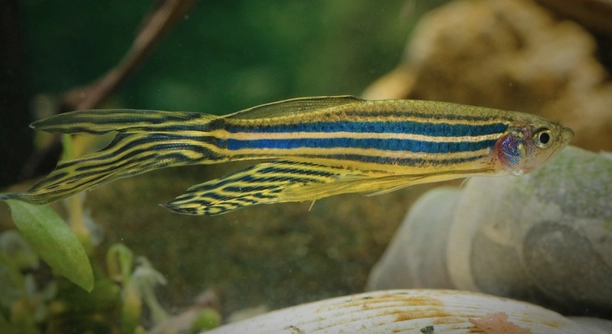
Do your zebra danios seem restless or suddenly more aggressive even though nothing in their tank has changed?
Feeding mistakes can significantly impact zebra danio behavior. Improper diet, overfeeding, and irregular feeding schedules may lead to stress, aggression, or lethargy, altering their social patterns and overall well-being.
Recognizing how feeding habits affect their behavior is the first step to creating a healthier, more peaceful environment for your fish.
Overfeeding Leads to Aggression and Poor Water Quality
Feeding zebra danios too often or giving them more food than they can eat in a couple of minutes causes problems. Leftover food decays quickly, raising ammonia levels and making the water unsafe. Poor water quality can irritate your fish and lead to stress. When stressed, zebra danios may chase or nip at other fish. This behavior isn’t just about dominance—it’s often a sign they’re uncomfortable. Overfeeding also causes bloating and digestion issues, which can make your fish less active. A proper feeding schedule of small amounts once or twice a day is ideal. Feed only what they can finish in two minutes to avoid buildup. Clean the tank regularly and check water parameters to ensure their environment stays safe. Consistency and moderation in feeding will keep their behavior calm and balanced.
Zebra danios are naturally active, but overfeeding can exaggerate that into constant, anxious movement or bursts of aggression.
Observing their behavior after feeding can help you adjust their portions. If food remains uneaten, it’s a clear sign you’re feeding too much. Try cutting back slightly and spacing meals more evenly throughout the day. Smaller, regular portions support good digestion and prevent aggression caused by discomfort or dirty water.
Inconsistent Feeding Times Stress Your Fish
Feeding at random times confuses zebra danios and makes them anxious. These fish thrive on routine and feel more secure when feeding happens at the same time each day.
When feeding is inconsistent, zebra danios don’t know when to expect their next meal. This uncertainty causes stress, leading to faster swimming, chasing behavior, and restlessness. Over time, this can reduce their overall health and weaken their immune systems. You might notice they become more territorial or aggressive, especially if there are other fish in the tank. A feeding schedule gives structure to their day and keeps them calm. Try feeding them in the morning and evening around the same time. Once they’re used to the rhythm, you’ll notice more relaxed behavior. Keeping a routine also helps you monitor how much they eat and how they respond to meals, making it easier to spot any health changes early.
Feeding the Wrong Type of Food Confuses Their Instincts
Zebra danios are omnivores, but not all foods support their energy and behavior. Offering only flakes or pellets can limit their nutritional balance, leading to sluggishness or hyperactivity. Variety is key to keeping their instincts and habits in check.
A mix of high-quality flakes, micro pellets, and occasional treats like live or frozen brine shrimp keeps zebra danios healthy and alert. When they get the right balance, their swimming patterns stay smooth, and social behavior is more predictable. Limited or repetitive diets don’t give them the stimulation they need. That can lead to boredom, which may show up as chasing or hovering in corners. Adding tiny bits of vegetables like blanched spinach once a week can also help. Just make sure anything offered is appropriately sized and safe. Feeding a range of suitable options supports both their physical and mental health.
Unbalanced diets can even affect how they interact with other fish. Zebra danios with poor nutrition may become more territorial or sluggish, which disrupts the harmony in a community tank. These shifts in behavior are often mistaken for personality changes, but they usually trace back to diet. Switching up their meals helps prevent this. Make small changes gradually, so their digestive system adjusts. Watch how they respond to new foods and adjust if needed. A balanced, varied diet makes a noticeable difference in behavior, activity level, and overall mood.
Feeding During Tank Maintenance Causes Anxiety
Feeding your zebra danios while cleaning the tank may seem harmless, but it actually increases stress. The noise, movement, and shifting water can make them feel unsafe. Eating in that state often leads to poor digestion and tension.
When fish associate feeding time with stressful activity, they begin to expect discomfort or danger when food is introduced. This can lead to a drop in appetite or frantic behavior during future meals. If feeding must happen on a cleaning day, wait until the tank is still and the environment has calmed. Give them a few hours to settle before offering food. Feeding in a calm, predictable space helps them eat at a relaxed pace and behave more naturally afterward. Avoiding distractions during feeding is just as important as offering the right food. Even small environmental shifts can upset their balance, especially if they happen during a routine moment like feeding.
Feeding Only Once a Day Leaves Them Restless
Zebra danios burn a lot of energy throughout the day. Feeding only once can leave them hungry and irritable by evening. This often shows up as frantic swimming or sudden chasing, especially in groups.
Splitting their meals into two small portions keeps them steady. It reduces food-related stress and creates a more peaceful tank.
Ignoring Sinking Food Can Cause Tank Disputes
Zebra danios mostly feed near the surface, but if food sinks too quickly, they may miss out. This can cause them to chase each other more aggressively during mealtime.
Use slow-sinking foods or smaller flakes to give all fish a fair chance. When everyone gets enough, tension eases.
Feeding During Lights-Off Triggers Panic
Feeding in the dark confuses zebra danios. They rely on light to guide their movements, and sudden food without visibility causes panic. Stick to daytime feeding to support calm, confident behavior.
FAQ
How often should I feed my zebra danios?
Feeding zebra danios once in the morning and once in the evening is ideal. They are active fish that benefit from smaller, more frequent meals rather than one large serving. Stick to portions they can eat in under two minutes. Overfeeding leads to water quality issues and behavior changes, while underfeeding can leave them restless and aggressive. Try observing their behavior after meals—if they seem overly active or continue searching for food, it might mean they need a slightly larger portion or more feeding variety.
What is the best type of food for zebra danios?
A varied diet works best. High-quality flakes and micro pellets should make up the core of their meals. Supplement with occasional treats like live or frozen brine shrimp, daphnia, or bloodworms. These protein-rich options mimic what they’d find in nature. You can also offer small amounts of blanched vegetables, like zucchini or spinach, once a week. Avoid feeding only one type of food, as it can cause nutritional imbalances and lead to unusual behaviors like lethargy or aggression.
Why do my zebra danios chase each other after feeding?
Chasing after feeding is often caused by overexcitement or unequal access to food. If some fish are eating more than others, it creates tension in the tank. This can lead to dominant behavior or territorial displays. Spread the food evenly and consider adding more feeding spots or floating pieces across the tank. When all fish get their share, competition decreases, and their behavior becomes more peaceful. Also, review the food type—if it sinks too fast, surface feeders like danios may miss out.
Can feeding too much cause health problems?
Yes, overfeeding can cause bloating, constipation, and fatty liver disease in zebra danios. It also leads to leftover food settling at the bottom of the tank, which breaks down and affects water quality. High ammonia levels stress the fish, making them more aggressive and prone to illness. Stick to small portions and observe how much they consume within two minutes. Anything left behind is excess. Feeding less, more often is usually healthier than feeding large amounts at once.
Should I change how I feed during tank maintenance?
Avoid feeding during or right after cleaning the tank. The disturbance makes zebra danios uneasy, and they won’t be in the right state to eat calmly. Wait a few hours after maintenance, once everything settles. Feeding them when the environment is calm helps prevent stress-related behavior. If you must clean during a scheduled feeding time, shift that meal slightly earlier or later in the day. Keeping a predictable feeding routine helps the fish feel secure.
Is it okay to feed my fish in the dark?
Feeding when the tank lights are off or the room is dark is not recommended. Zebra danios rely on light for orientation and feeding. When food suddenly appears in the dark, they may become confused or panicked. They might miss the food entirely or show frantic behavior. Always feed during their light cycle—ideally, within an hour after the lights turn on and at least an hour before lights go off. This keeps their routine stable and helps avoid unnecessary stress.
Can I skip a day of feeding?
Yes, skipping one day a week can be beneficial. It gives their digestive system a break and helps prevent overfeeding. Zebra danios are hardy and can handle short fasting periods without any negative effects. In fact, this habit can reduce waste and improve water quality. Just make sure the other feeding days are consistent and balanced. If your fish seem overly active or aggressive the day after fasting, you may want to slightly adjust portion sizes to make up for the skipped day.
Final Thoughts
Feeding zebra danios may seem simple, but small mistakes can lead to big changes in how they act. Overfeeding, poor timing, and the wrong food types can make them stressed, aggressive, or less active. These fish do best when they have a regular schedule, balanced diet, and calm feeding environment. When things are off, their behavior is often the first sign that something isn’t right. Watching how they react to feeding can help you spot these issues early and make changes before problems grow worse.
A good feeding routine includes giving small meals once or twice a day, sticking to a schedule, and offering a variety of food types. Using flakes, pellets, and the occasional live or frozen food keeps them healthy and interested. It also helps reduce tension in the tank. Zebra danios are social fish, and their feeding habits affect how they interact with others. When everyone gets enough to eat and feels safe during meals, the tank stays more peaceful. Feeding them when the lights are on, and after things have calmed down, makes a big difference in how they eat and behave.
If your zebra danios seem off—chasing, hiding, or looking too restless—it’s worth reviewing how, what, and when you’re feeding them. Even a small adjustment, like changing the time of day you feed or offering a new food type, can improve their behavior and mood. Feeding isn’t just about nutrition—it’s also part of their daily rhythm. Keeping that rhythm steady helps them feel secure. It may take a few tries to find the routine that works best for your tank, but once you do, your zebra danios will reward you with calmer, more natural behavior.

Hello,
If you enjoy the content that we create, please consider saying a "Thank You!" by leaving a tip.
Every little bit helps us continue crafting quality advice that supports the health, happiness, and well-being of pets around the world, for pets of all shapes, sizes, and species.
We really appreciate the kindness and support that you show us!