
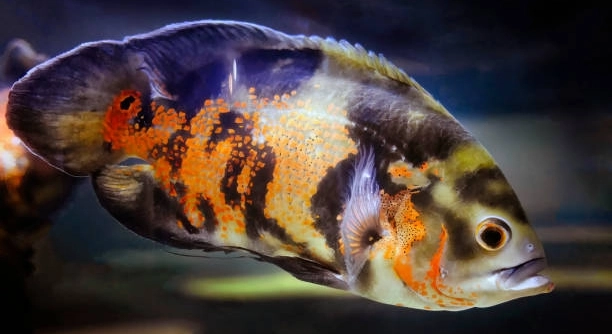
Oscar fish are sensitive creatures, and their diet plays a crucial role in their health and behavior. However, many common feeding mistakes can cause stress, impacting their well-being. Recognizing these mistakes is key to keeping them healthy.
Overfeeding is one of the primary causes of stress in Oscar fish. It can lead to poor water quality, digestive issues, and even obesity. Providing the right amount of food and avoiding excess feeding ensures that Oscars thrive in a balanced environment.
Understanding these feeding mistakes will help you maintain a healthy and stress-free environment for your Oscar fish.
Overfeeding and Water Quality
Feeding Oscar fish too much at once can be harmful to their health. They are not naturally inclined to stop eating when they are full, which can lead to overconsumption. Overfeeding results in excess food that decomposes in the tank, causing spikes in ammonia and other toxins. These high levels of waste can stress the fish, compromise water quality, and cause sickness. It’s important to feed them only as much as they can consume in a few minutes to avoid this problem. Regular water changes are essential to maintain a healthy environment and to prevent toxins from building up.
Feeding your fish the right amount is essential for their overall health. Overfeeding can have serious consequences, especially for water quality.
When you feed your Oscar fish, avoid providing too much food at once. If food is left uneaten, it will break down and contaminate the water. This can lead to poor water conditions that stress your fish and harm their health. It’s always better to feed small portions and watch your fish eat. If there is leftover food, remove it promptly to keep the tank clean and stable. This practice will keep both your fish and their environment in top condition.
Feeding the Wrong Type of Food
Oscar fish are carnivores and thrive on a protein-rich diet. Feeding them too much plant matter or the wrong kind of food can cause digestive issues. While they may nibble on plants, their diet should mainly consist of high-quality pellets, frozen food, or live food that mimics what they would naturally consume in the wild. A lack of protein can lead to malnutrition, stunted growth, and weakened immune systems. It’s important to choose the right type of food and avoid feeding them items that are too large, too small, or nutritionally unbalanced.
Choosing high-quality food is essential for Oscar fish health. Stick to protein-rich options and avoid overfeeding with non-protein foods.
Oscar fish need a high-protein diet to stay healthy. Opt for pellets specifically made for carnivorous fish, supplemented with frozen or live foods like shrimp, worms, and other small aquatic animals. Be cautious with treats such as feeder fish, as they can carry diseases. Additionally, Oscar fish have large mouths, so food size is important—pieces should be appropriately sized to avoid choking or difficulty digesting. Maintaining variety in their diet will help ensure they get all the nutrients they need. Rotate between different food types to keep them interested and satisfied while supporting their health.
Inconsistent Feeding Schedule
Oscar fish benefit from a regular feeding routine. If their feeding schedule is erratic, they may become stressed. Feeding at the same time each day helps them anticipate meals and creates a sense of security. This consistency supports a healthier, less anxious fish.
Feeding them at the same time every day helps establish a sense of routine. Fish thrive on consistency, and an unpredictable feeding schedule can cause stress. If they are fed at different times each day, they may overeat or become anxious, leading to digestive problems or other health concerns. Stick to a regular schedule to ensure your Oscar fish remain content.
Changing feeding times too often can cause your Oscar to eat too much or too little, disrupting their digestive cycle. A steady schedule is essential for healthy growth. Over time, this routine can also strengthen the bond between you and your fish, reducing anxiety during feeding time. It’s a simple habit with long-term benefits.
Offering Uneaten Food
Leaving uneaten food in the tank can create poor water conditions. Leftover food will decompose, leading to ammonia buildup and a toxic environment. This can stress your Oscar fish and harm their health. Always remove any uneaten food promptly after feeding.
It’s important to be mindful of how much food you offer. If your Oscar doesn’t finish its meal, you may be overfeeding or offering food that’s too large. Uneaten food not only contaminates the water but can also encourage unhealthy bacteria growth, putting your fish at risk. Always inspect the tank after feeding and remove any leftovers.
Your Oscar fish should be fed only what they can consume in a short amount of time. Overfeeding and leaving uneaten food in the tank can lead to the build-up of toxins and harmful bacteria. Maintaining a clean tank ensures your fish stay healthy and stress-free. By monitoring feeding habits closely, you help create an environment that promotes both physical and mental well-being for your Oscar.
Overfeeding Protein
While protein is essential, too much of it can lead to problems. Excess protein can cause obesity and other health issues, including organ strain. Balance is key. Offer protein-rich food, but in moderation, to prevent your Oscar from becoming unhealthy and stressed.
Feeding your Oscar fish too much protein can overwhelm their system. They need protein for growth and energy, but too much can result in waste buildup and stress on their organs. It’s crucial to balance protein intake with other nutrients. Avoid overfeeding and ensure a varied diet to maintain your fish’s health.
Incorrect Food Size
Food that is too large or small can affect your Oscar’s ability to eat properly. Large pieces may cause choking or difficulty swallowing, while too-small portions can lead to malnutrition. Size matters when feeding your fish, and should match their mouth and eating habits.
Choosing the right food size is crucial for Oscar fish. Their mouths are large, but food that’s too big can lead to choking or digestive problems. On the other hand, food that’s too small won’t provide enough nutrition. Opt for appropriately sized pellets, shrimp, or worms that suit their feeding style.
FAQ
How often should I feed my Oscar fish?
Oscar fish should typically be fed once or twice a day. They don’t need constant feeding, and overfeeding can lead to health problems. It’s important to stick to a consistent schedule. Feed them only what they can consume in a few minutes to avoid leftover food that can affect water quality.
What should I feed my Oscar fish?
Oscar fish are carnivores and require a diet rich in protein. High-quality pellets designed for carnivorous fish are a good base. You can also supplement their diet with live or frozen foods like shrimp, worms, and small fish. A variety of food ensures they get all necessary nutrients.
Can I feed my Oscar fish vegetables?
While Oscars are primarily carnivorous, they can occasionally eat vegetables. Small amounts of plant-based food like peas, spinach, or zucchini can provide some variety. However, vegetables should not make up a significant part of their diet, as they primarily need protein.
Is it okay to feed my Oscar fish live food?
Yes, Oscar fish can be fed live food like feeder fish or worms. However, you should be cautious with live food, as it can carry diseases. It’s best to ensure the food is sourced from a reliable place and monitor for any signs of illness in your fish after feeding live food.
How much food should I give my Oscar fish at once?
Only offer as much food as your Oscar can eat in 3-5 minutes. Overfeeding is one of the most common mistakes when caring for Oscar fish. Leftover food can decay and pollute the water, leading to health issues for your fish. If you notice uneaten food, reduce the amount in future feedings.
Why is my Oscar fish not eating?
If your Oscar isn’t eating, it could be due to stress, water quality issues, or illness. First, check the water parameters to ensure they are within the right range for Oscar fish. If the water quality is fine, consider any changes in their environment or diet that could be affecting their appetite.
Can I feed my Oscar fish only pellets?
While pellets are an important part of an Oscar’s diet, they should not be the only food. A varied diet that includes frozen, live, or occasional fresh food will ensure your fish get all the necessary nutrients for optimal health. Pellets should be part of a balanced feeding plan.
Is overfeeding my Oscar fish harmful?
Yes, overfeeding can be very harmful to your Oscar fish. It can lead to obesity, poor water quality, and stress. When fish are overfed, uneaten food decomposes in the tank, causing an increase in toxins that can harm both the fish and their environment. Stick to appropriate portion sizes.
What are signs of overfeeding in Oscar fish?
Signs of overfeeding in Oscar fish include uneaten food in the tank, weight gain, lethargy, and poor water quality. The fish may become sluggish and spend less time swimming or exploring their environment. If you notice these signs, reduce the amount of food and clean the tank thoroughly.
Can Oscar fish eat too much protein?
While protein is essential for Oscars, too much can lead to problems like organ strain, obesity, and poor water quality. Excessive protein leads to more waste, which decays and pollutes the water. Make sure to feed a balanced diet with the right amount of protein for optimal health.
How do I know if I’m feeding my Oscar fish the right amount?
A good rule of thumb is to feed your Oscar only as much food as they can consume in 3-5 minutes. If food is left uneaten, you’re feeding too much. Regularly monitor their weight and behavior. If your Oscar seems sluggish or overweight, reduce the portion size.
Can I feed my Oscar fish goldfish as food?
It’s generally not recommended to feed Oscar fish goldfish, as they are often not nutritionally balanced for Oscars and may carry diseases. Goldfish should only be used occasionally and with caution. Instead, stick to high-quality pellets and other protein-rich foods like shrimp or worms.
What are the risks of feeding Oscar fish too much?
Feeding Oscar fish too much can cause obesity, digestive issues, and poor water quality. When overfed, food that remains uneaten breaks down, increasing toxin levels in the tank. This can result in stress, illness, and even early death for your fish if not addressed.
Final Thoughts
Feeding your Oscar fish the right way is crucial to their overall health and well-being. A consistent feeding schedule, proper food sizes, and a balanced diet are the foundation of keeping your fish healthy. By focusing on their natural feeding habits and providing the appropriate variety of food, you ensure that they thrive in their environment. Oscar fish are large and active fish, which means their nutritional needs are slightly higher than smaller species. Meeting these needs is important for their long-term health.
Remember to avoid overfeeding, as this can lead to serious health issues for your Oscar. Feeding too much can cause obesity, digestive problems, and poor water quality, which can stress the fish and lead to disease. Always monitor their feeding habits and adjust portions based on their appetite and activity levels. Keep in mind that Oscars are carnivores and need a diet rich in protein. Pellets, live food, and frozen foods all serve as excellent options when providing for your fish’s needs.
By maintaining a healthy diet, keeping a consistent feeding routine, and monitoring the water quality, your Oscar will be more likely to live a long and happy life. Overfeeding, poor-quality food, or irregular feeding times can lead to stress and illness, so it’s important to avoid these common mistakes. Providing the right balance of food will help your Oscar stay active, healthy, and stress-free. Taking the time to meet your fish’s needs will result in a better quality of life for them and a more enjoyable experience for you as their caretaker.

Hello,
If you enjoy the content that we create, please consider saying a "Thank You!" by leaving a tip.
Every little bit helps us continue crafting quality advice that supports the health, happiness, and well-being of pets around the world, for pets of all shapes, sizes, and species.
We really appreciate the kindness and support that you show us!