
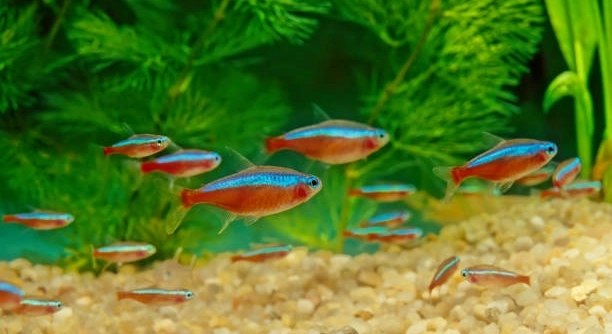
Feeding your tetra the right way is important for its healthy growth. Many aquarium owners make simple mistakes that can slow down development or cause health problems. Understanding these errors can improve your fish’s well-being.
Incorrect feeding routines, overfeeding, and unsuitable food types are common factors that negatively impact tetra growth. These mistakes disrupt nutritional balance, leading to stunted growth and health issues. Correct feeding practices are essential for maintaining optimal development in tetra fish.
Recognizing these feeding mistakes will help you create a better environment for your tetra’s growth and vitality. This article outlines key errors to avoid and how to feed your fish properly.
Overfeeding Your Tetra
Feeding your tetra too much is a common mistake that can harm its growth. Excess food not only pollutes the tank but also causes digestive problems for the fish. When you overfeed, uneaten food sinks to the bottom, decomposes, and releases harmful toxins. These toxins reduce water quality and stress your tetra. Stress slows growth and makes your fish more vulnerable to illness. It’s important to feed small amounts that your tetra can finish within a few minutes. Feeding twice a day with tiny portions is usually enough. Observing how much your fish eats helps you adjust the quantity and avoid waste. Keeping the tank clean and removing leftover food will protect your tetra’s health and encourage steady growth.
Controlling feeding amounts keeps your tank clean and your tetra healthy. Overfeeding reduces water quality, which can stunt growth and cause disease.
Being mindful of how much you feed helps create a balanced environment. Your tetra thrives when food is given in the right amounts and times, ensuring steady development without health risks.
Using the Wrong Food
Providing inappropriate food is another mistake that affects tetra growth. Many tetra owners feed flakes that lack the nutrients needed for development. While flakes can be convenient, they often miss essential proteins and vitamins. Tetras need a diet rich in small live or frozen foods, such as brine shrimp, daphnia, and bloodworms. These options closely match their natural diet and provide higher nutrition. Variety is important, too, to avoid nutritional gaps. Rotating between different food types helps your tetra get balanced nourishment. Avoid feeding large pellets or foods that are too big, as tetras may struggle to eat them properly. Feeding the right food promotes better growth, coloration, and energy.
Choosing nutrient-rich food is critical for your tetra’s health. Flakes alone may not meet all nutritional needs, so supplement with live or frozen foods.
Feeding a diverse diet that mimics their natural feeding habits supports healthy development. Ensuring proper nutrition prevents stunted growth and improves your tetra’s overall vitality.
Feeding Infrequently
Feeding your tetra too rarely can slow its growth. Tetras need consistent nutrition to stay healthy and develop properly.
When food is given only once every few days, your tetra may not get enough energy to grow. Irregular feeding disrupts their metabolism and weakens their immune system. A steady feeding schedule helps maintain their energy levels and supports growth. Feeding small amounts twice daily ensures your tetra receives nutrients consistently without overfeeding. Consistency is key to preventing stress and keeping your fish active.
Skipping regular feedings causes nutritional gaps that harm development. Your tetra relies on frequent, balanced meals to stay strong and grow steadily over time.
Poor Water Quality Impacting Growth
Poor water quality directly affects your tetra’s growth and health. Waste buildup, leftover food, and overfeeding increase ammonia and nitrite levels, which are harmful. Dirty water stresses your fish and makes it harder for them to absorb nutrients properly. This can stunt growth or cause illness. Keeping the tank clean and performing regular water changes keeps ammonia and nitrites low. Testing water parameters often ensures a safe environment. Healthy water supports your tetra’s metabolism and overall condition. Proper filtration and timely maintenance prevent toxic buildup and promote steady growth in your fish. Clean water is essential for their well-being.
Maintaining good water quality requires consistent care, including water changes and tank cleaning. Monitoring ammonia, nitrite, and nitrate levels helps avoid toxic conditions. A clean environment improves your tetra’s health, allowing it to thrive and grow as it should.
Feeding Only Flakes
Relying solely on flakes limits your tetra’s nutrient intake. Flakes can be convenient but often lack the full range of vitamins and proteins needed.
Tetras benefit from a varied diet that includes live or frozen foods. This variety supports their growth and vitality more effectively than flakes alone.
Ignoring Tank Size
A small tank restricts your tetra’s space to swim and grow. Crowded conditions can increase stress and stunt development.
Skipping Regular Observation
Failing to watch your tetra’s behavior and health can delay spotting feeding or water quality issues that affect growth.
How often should I feed my tetra?
Feeding your tetra twice a day in small portions works best. This keeps their metabolism steady and prevents overfeeding. Each feeding should provide only as much food as the fish can finish within a few minutes. Feeding too often or too much can pollute the tank and harm your fish.
What types of food are best for tetras?
Tetras thrive on a mix of high-quality flakes, frozen, or live foods like brine shrimp and bloodworms. This variety supplies essential nutrients for growth and vibrant colors. Avoid large pellets or foods too big for their small mouths.
Can overfeeding really harm my tetra?
Yes, overfeeding leads to leftover food sinking and decomposing in the tank. This creates harmful toxins like ammonia, which stress your fish and reduce water quality. Stress slows growth and can cause disease, so careful portion control is essential.
Why is water quality important for tetra growth?
Clean water is vital because poor quality stresses your tetra, weakening its immune system and slowing growth. Regular water changes and proper filtration remove toxins and keep the environment stable. Testing water parameters frequently helps maintain healthy conditions.
How can I tell if my tetra is not growing properly?
Look for signs like dull color, lethargy, or a smaller size compared to others of the same age. Poor appetite or unusual behavior may also indicate problems. These signs often point to feeding or water quality issues that need correction.
Is tank size important for tetra health?
Yes, tetras need enough space to swim freely. A cramped tank causes stress, which impacts growth and overall health. A minimum of 10 gallons is recommended for a small group of tetras to ensure they have room to move comfortably.
What should I do if my tetra is not eating?
If your tetra refuses food, check the water quality first. Poor conditions often reduce appetite. Try offering different foods, like live or frozen options, to stimulate feeding. Avoid sudden changes in diet or environment, as tetras can be sensitive.
Can I feed my tetra human food?
It’s best to avoid feeding human food to tetras. Many foods can upset their digestion or lack the proper nutrients. Stick to fish-specific diets designed to meet their nutritional needs for steady growth and health.
How much food is too much for a tetra?
Feed only what your tetra can eat within two to three minutes. Uneaten food left in the tank signals overfeeding. Smaller portions reduce waste and keep water quality high, helping your tetra grow better.
Why is variety important in a tetra’s diet?
A varied diet prevents nutrient deficiencies and keeps your tetra interested in food. Different food types provide a balance of proteins, fats, and vitamins necessary for development and vibrant color. Changing foods regularly supports overall health.
Final Thoughts
Feeding your tetra properly is key to helping it grow healthy and strong. Many common mistakes can slow down or harm their development, but they are easy to avoid once you know what to look for. Overfeeding, irregular feeding, and giving the wrong types of food are all issues that affect growth and water quality. By feeding small amounts regularly and offering a varied diet, you create the best conditions for your tetra to thrive. Keeping the tank clean and monitoring water parameters also plays a big role in supporting healthy growth.
It is important to remember that tetras are small fish with specific needs. They do best when their feeding schedule is consistent and when the food matches their natural diet as closely as possible. Live or frozen foods like brine shrimp and bloodworms provide essential nutrients that flakes alone often cannot supply. Avoiding overfeeding helps reduce waste and keeps the tank environment safe and stable. This lowers stress for the fish, which in turn promotes better growth and a stronger immune system. Observing your tetra’s behavior regularly helps you catch any feeding or health problems early.
Maintaining good water quality and proper tank size are also vital. Dirty water and crowded spaces create stress that stunts growth and can cause illness. Performing regular water changes, testing water parameters, and providing enough room for your tetra to swim freely will keep them healthy and active. With simple care and attention to feeding habits, your tetra can grow steadily and display its natural colors beautifully. Taking these steps ensures a happier, healthier fish in your aquarium.

Hello,
If you enjoy the content that we create, please consider saying a "Thank You!" by leaving a tip.
Every little bit helps us continue crafting quality advice that supports the health, happiness, and well-being of pets around the world, for pets of all shapes, sizes, and species.
We really appreciate the kindness and support that you show us!