
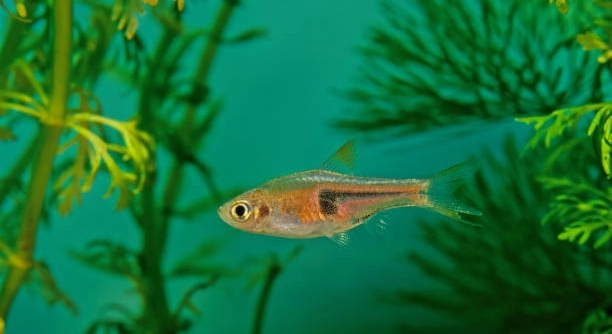
Rasboras are small, colorful fish often kept in home aquariums. Feeding them properly is important to keep them healthy and active. Many fish owners unknowingly make feeding mistakes that confuse these delicate creatures.
Feeding mistakes like overfeeding, inconsistent schedules, and offering the wrong food types can cause stress and poor health in rasboras. Understanding their dietary needs and habits is key to avoiding these common errors.
Learning about these feeding mistakes will help you care for your rasboras better and create a more balanced environment for them to thrive.
Overfeeding Rasboras
Overfeeding is a common mistake that many fish keepers make without realizing its impact. Rasboras are small fish with delicate digestive systems. When given too much food, they can’t properly digest it, which leads to waste buildup in the tank and water quality problems. Leftover food can also cause ammonia levels to rise, stressing the fish and making them vulnerable to disease. Feeding them more than they can eat in two to three minutes per feeding session increases this risk. It’s better to feed small amounts several times a day rather than one large meal. Monitoring how much your rasboras consume and removing uneaten food quickly helps maintain tank health. Remember, less is more when it comes to feeding these fish.
Feeding rasboras in controlled portions keeps them healthier and the tank cleaner. It supports their natural feeding behavior.
Overfeeding not only harms the water quality but can cause obesity and slow metabolism in rasboras. Excess food forces their bodies to work harder to digest, which can reduce their activity levels. Maintaining a feeding schedule with measured portions encourages consistent energy and growth. Observing their behavior during feeding times will help you adjust amounts accordingly. Avoiding overfeeding means better water conditions, happier fish, and fewer tank maintenance headaches.
Inconsistent Feeding Schedule
Rasboras thrive on routine, and irregular feeding times can cause stress and confusion. Fish adapt to predictable schedules, and when food doesn’t arrive as expected, they may become anxious or stop eating properly. A consistent feeding routine mimics natural conditions and supports their digestive health. Sudden changes in feeding times or skipping meals can disrupt their metabolism and weaken their immune systems. Try to feed your rasboras at the same times every day, keeping intervals regular. This habit builds trust and encourages a steady appetite.
Skipping or irregular feeding confuses rasboras and can lead to health problems.
A steady feeding schedule helps rasboras regulate their digestion and energy use efficiently. Feeding at consistent times reduces stress and prevents overeating during irregular meals. When fish know when to expect food, they develop a balanced routine that supports growth and immune response. Inconsistent feeding, on the other hand, may cause them to either eat too quickly or refuse food altogether. Planning feeding times that fit your daily routine makes care easier and improves the fish’s wellbeing. Even small fish benefit from predictable habits that keep them calm and healthy in captivity.
Feeding the Wrong Food
Feeding rasboras inappropriate food types can cause nutritional deficiencies and digestive issues. They need a balanced diet tailored to their size and natural habits.
Many fish owners give rasboras flakes meant for larger fish or foods that sink too quickly. These can be hard for rasboras to eat or digest. Rasboras prefer small, floating foods like micro-pellets or finely crushed flakes. They also enjoy occasional live or frozen foods such as daphnia or brine shrimp. These help mimic their natural diet and provide essential nutrients. Avoid feeding foods with high fillers or low protein content, as these won’t support their health.
Providing varied, high-quality food encourages natural feeding behavior and ensures rasboras receive proper nutrition. Neglecting their dietary needs can weaken their immune system and stunt growth. It’s important to research food options and watch how your fish respond to different types to find what works best.
Sudden Changes in Diet
Sudden diet changes can upset rasboras’ digestive systems and cause stress. Switching foods too quickly may lead to refusal or digestive problems.
Gradual introduction of new foods allows rasboras to adjust without shock. Mixing new food with their current diet over several days helps ease the transition. Abruptly changing the diet can result in poor appetite, bloating, or even illness. When changing brands or types of food, always monitor your fish for signs of distress or changes in behavior. Consistency with diet helps maintain healthy digestion and overall wellbeing.
A stable diet supports their immune function and energy levels. Rapid shifts make them vulnerable to stress-related health issues. Careful adjustments prevent feeding problems and promote long-term health.
Feeding Too Quickly
Feeding rasboras too quickly can cause them to swallow air, leading to bloating and discomfort. It also increases the chance of leftover food polluting the tank.
Rushing meals can make it hard for all fish to eat properly. Feeding slowly ensures better digestion and reduces waste in the aquarium.
Using Live Food Without Care
Live food can be a great addition, but it must be handled carefully. Poorly sourced live food may introduce parasites or diseases to your tank.
Always quarantine live food before feeding and avoid wild-caught specimens. Proper care protects rasboras from infections and supports their health.
Ignoring Food Quality
Low-quality food lacks essential nutrients and can harm rasboras’ growth and immune systems. Always choose reputable brands with balanced ingredients.
FAQ
Why do my rasboras refuse to eat sometimes?
Rasboras might refuse food if they feel stressed or if their environment is not ideal. Sudden changes in water conditions, temperature, or tankmates can cause them to lose appetite. Overfeeding or offering unfamiliar food can also make them hesitant. Ensuring a consistent feeding schedule with the right food helps prevent refusal. Additionally, observing their behavior and tank conditions can identify stress factors that affect their eating habits.
Can I feed my rasboras only flakes?
Flakes can be a part of their diet but should not be the only food offered. Rasboras need variety to get all necessary nutrients. Supplement flakes with frozen or live foods like daphnia, brine shrimp, or bloodworms. This variety mimics their natural diet and improves their overall health. Relying solely on flakes may lead to nutritional gaps and weaken their immune system over time.
How often should I feed my rasboras?
Feeding small amounts two to three times a day is ideal for rasboras. This frequency matches their natural feeding behavior and prevents overfeeding. Feeding less often or in large quantities can cause waste buildup and stress. Keep portions small enough that the fish finish eating within two to three minutes to avoid leftover food in the tank.
What foods are best for rasboras?
Rasboras do well on a mix of high-quality micro-pellets, flakes designed for small fish, and live or frozen foods. Live foods such as brine shrimp, daphnia, and mosquito larvae provide essential proteins and fats. Frozen options are safer from parasites but still nutritious. Avoid sinking pellets that may be hard for rasboras to reach, and avoid foods with excessive fillers or artificial ingredients.
Is it harmful to feed rasboras live food only?
Feeding only live food can be risky because it may introduce parasites or diseases if not properly sourced and quarantined. While live food is nutritious, it should be part of a varied diet including flakes or pellets. Overfeeding live food also risks digestive issues. Mixing different types of food ensures a balanced diet and reduces health risks.
How do I transition my rasboras to new food?
Introduce new food gradually by mixing it with their current diet over at least a week. Start with a small amount of the new food and slowly increase it while decreasing the old food. This approach reduces digestive upset and encourages acceptance. Watch for any signs of stress or refusal during the transition and adjust accordingly.
Can overfeeding cause diseases in rasboras?
Yes, overfeeding can cause water quality issues that lead to diseases. Excess food decomposes and raises ammonia and nitrate levels, which stress the fish and weaken their immune systems. Overfed rasboras may also develop obesity and digestive problems, making them more vulnerable to infections. Maintaining portion control is key to preventing these problems.
What are signs of feeding problems in rasboras?
Signs include bloating, sluggish behavior, faded colors, and refusal to eat. Uneaten food and cloudy water are also indicators of overfeeding. If you notice these signs, check your feeding routine, portion sizes, and food type. Adjusting feeding habits and improving water conditions usually helps rasboras recover quickly.
Can feeding mistakes affect tank mates?
Yes, feeding errors can impact other fish and overall tank health. Overfeeding leads to waste buildup that affects all inhabitants. Uneaten food may encourage algae growth or harmful bacteria. Feeding aggressive or larger fish inappropriate food may also cause competition and stress among tank mates. A balanced feeding routine benefits the entire aquarium community.
How important is food variety for rasboras?
Variety is essential to provide a complete range of nutrients. Different foods supply proteins, fats, vitamins, and minerals needed for growth and health. Offering a mix of flakes, pellets, live, and frozen foods prevents nutritional deficiencies and keeps rasboras interested in eating. A varied diet also supports their immune system and coloration.
What happens if I feed rasboras sinking pellets?
Sinking pellets can be difficult for rasboras to reach since they tend to feed near the surface or mid-water. These pellets often fall to the bottom, where they may go uneaten and rot, affecting water quality. Feeding foods that float or stay suspended in water better matches their natural feeding habits and reduces waste.
Is it okay to feed rasboras human food scraps?
No, feeding human food scraps is not recommended. Many foods contain oils, spices, salt, or preservatives that are harmful to fish. Human food lacks the proper balance of nutrients needed by rasboras and can cause digestive issues or toxicity. Always use food specifically formulated or safe for aquarium fish.
How do I know if my rasboras are getting enough food?
Healthy rasboras will actively swim to the feeding area and eat within a few minutes. They maintain bright colors, active behavior, and normal body shape. If they seem lethargic, thin, or disinterested in food, they might be underfed or stressed. Consistent feeding amounts and observation help ensure they get enough nutrition.
Can I feed my rasboras at night?
Rasboras are mostly active during the day, so feeding at night is not necessary and might cause leftover food to decay in the tank. Feeding during daylight hours aligns with their natural behavior and helps prevent water quality issues caused by uneaten food. If feeding at night, remove any uneaten food promptly.
How should I store fish food to keep it fresh?
Store fish food in a cool, dry place away from direct sunlight. Keep containers tightly sealed to prevent moisture and air exposure, which degrade nutrients and promote mold growth. Proper storage ensures food remains fresh and safe, preserving its nutritional value for your rasboras.
Is fasting my rasboras once a week helpful?
Occasional fasting can help clear their digestive systems and reduce waste buildup. Skipping feeding one day a week is generally safe and can improve overall health. However, fasting should not be done excessively or for long periods, as it may cause stress or nutrient deficiencies.
Can feeding mistakes affect breeding behavior?
Yes, poor feeding habits can reduce breeding success. Inadequate nutrition lowers energy levels and weakens fish, making spawning less likely. Overfeeding or poor water quality can also stress fish and disrupt breeding behavior. Providing a balanced diet and stable environment encourages healthy reproduction.
Proper feeding is one of the most important parts of keeping rasboras healthy and happy. These small fish have specific dietary needs and habits that should be respected. Overfeeding, inconsistent schedules, or offering the wrong food can cause stress, illness, and poor water quality. Paying close attention to how much, what, and when you feed your rasboras helps create a balanced environment where they can thrive. It also reduces tank maintenance and keeps your aquarium looking clean and clear. Taking the time to learn about their feeding habits is a simple way to improve their wellbeing.
Consistency is key when it comes to feeding rasboras. They respond well to regular feeding times and small portions. Feeding them more often in small amounts rather than large meals helps avoid leftover food and prevents digestive issues. Offering a variety of foods, including flakes, pellets, and live or frozen options, ensures they get the right nutrients. Introducing new foods slowly helps avoid digestive upset and stress. These small changes can make a big difference in the overall health and behavior of your fish.
Feeding rasboras correctly is also about watching and adapting. Observing their reactions to different foods and feeding routines will help you understand what works best for your fish. If you notice bloating, refusal to eat, or other signs of distress, it may be time to adjust your approach. Remember that rasboras are delicate and benefit from gentle care. With patience and attention, you can avoid common feeding mistakes and enjoy a lively, healthy aquarium with happy rasboras. This effort will pay off in the long run by supporting their health and longevity.

Hello,
If you enjoy the content that we create, please consider saying a "Thank You!" by leaving a tip.
Every little bit helps us continue crafting quality advice that supports the health, happiness, and well-being of pets around the world, for pets of all shapes, sizes, and species.
We really appreciate the kindness and support that you show us!