
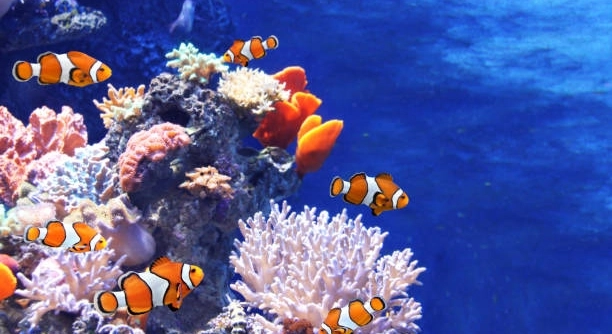
Clownfish are popular aquarium pets known for their bright colors and active behavior. Feeding them properly is essential to keep them healthy and vibrant. Many common feeding mistakes can lead to problems in clownfish care and well-being.
Feeding mistakes such as overfeeding, offering inappropriate food types, and irregular feeding schedules often cause clownfish health issues. These errors can result in poor water quality, digestive problems, and stress, which negatively impact their growth and survival.
Recognizing these common feeding problems helps maintain a thriving clownfish environment and supports their long-term health in captivity.
Overfeeding Clownfish
Overfeeding is one of the most frequent mistakes made by clownfish keepers. Giving too much food can quickly degrade water quality, causing ammonia and nitrate levels to rise. This creates a stressful environment for the fish and may lead to health problems like bloating and swim bladder issues. Clownfish have small stomachs, so a small amount of food twice a day is usually enough. It is important to remove any uneaten food promptly to avoid contamination. Feeding more than necessary does not benefit the fish and can make tank maintenance harder. Monitoring feeding amounts closely supports stable water conditions and keeps clownfish healthy. Adjust feeding based on their activity and appetite to prevent problems before they start. Avoid guessing portion sizes and observe the fish’s behavior to find the right balance.
Feeding smaller amounts regularly supports better digestion and reduces waste buildup in the tank.
Tracking feeding habits and water parameters together helps maintain an ideal environment for clownfish health and longevity.
Using Inappropriate Food Types
Feeding clownfish improper food can cause nutritional deficiencies or digestive problems. Many store-bought flakes or pellets are not designed specifically for marine fish and may lack essential nutrients. Clownfish benefit from a varied diet that includes marine-based proteins, such as brine shrimp, mysis shrimp, and finely chopped seafood. Including high-quality frozen or live foods provides vitamins and minerals necessary for growth and color vibrancy. Vegetables or algae supplements can also contribute to a balanced diet. Avoid feeding only one type of food, as this can lead to malnutrition. Freshness and quality of food items matter greatly. Spoiled or stale food may cause illness or reduce appetite. Providing a diverse diet mimics natural feeding habits and improves overall health. Keeping an eye on what the fish readily accept can help adjust feeding choices to their needs. Consistent quality food improves immune response and reduces disease risk.
Proper feeding supports the clownfish’s natural behaviors and physical well-being, making them more active and resilient in captivity.
Irregular Feeding Schedule
Consistency in feeding times is important for clownfish health. Feeding at irregular intervals can stress the fish and disrupt their digestion.
Clownfish thrive on routine, and feeding them at the same times daily helps regulate their metabolism. When feeding times vary too much, fish may become anxious or overeat. Establishing a steady schedule—typically twice a day—ensures they get the right nutrition without excess waste. It also helps maintain stable water quality by controlling uneaten food. Keeping a routine supports natural behavior and reduces aggression linked to hunger.
Consistent feeding times help you monitor appetite and notice early signs of illness. It also makes tank maintenance more predictable, contributing to a healthier environment.
Poor Water Quality from Feeding
Excess food leads to water pollution, which is harmful to clownfish. Waste and uneaten food increase toxins like ammonia and nitrates.
Maintaining good water quality is critical for clownfish survival. Overfeeding causes leftover food to decompose, promoting bacterial growth and releasing harmful chemicals. These toxins irritate fish gills, weaken their immune systems, and can lead to disease or death. Regular water testing and partial water changes help manage these risks. Removing excess food promptly prevents water contamination. Balancing feeding with filtration and cleaning routines keeps the tank environment stable. Poor water conditions stress clownfish, making them vulnerable to infections and reducing their lifespan.
Feeding responsibly minimizes waste and supports a clean, healthy aquarium where clownfish can thrive comfortably.
Feeding Only One Type of Food
Feeding clownfish just one type of food limits their nutrition. Variety is key to a balanced diet.
A diverse diet ensures clownfish receive all necessary vitamins and minerals. Relying on a single food source can cause deficiencies and weaken their immune system, making them more prone to illness.
Ignoring Clownfish Behavior During Feeding
Observing how clownfish eat can reveal health or tank issues. Sudden changes in appetite may indicate stress or disease.
Using Human Food as Fish Food
Human food is not suitable for clownfish and can harm their health. It often lacks essential nutrients and may introduce harmful substances into the tank.
How often should I feed my clownfish?
Feeding clownfish twice a day is generally sufficient. Each feeding should be small enough for them to eat within a few minutes. Overfeeding can harm water quality and fish health, so stick to controlled portions. Observing their appetite helps adjust feeding amounts if needed.
What types of food are best for clownfish?
Clownfish benefit from a varied diet including high-quality marine pellets, flakes, frozen mysis shrimp, and brine shrimp. Occasionally, finely chopped seafood like squid or fish can be added. Variety ensures they get essential nutrients and stay healthy. Avoid feeding only one food type.
Can I feed my clownfish human food?
Human food is not suitable for clownfish. It often lacks the proper nutrients and can introduce harmful substances into the tank. Feeding clownfish specifically formulated marine foods prevents nutritional deficiencies and health problems.
What happens if I overfeed my clownfish?
Overfeeding leads to leftover food that pollutes the tank, causing spikes in ammonia and nitrate levels. This deteriorates water quality, stresses the fish, and increases disease risk. It also encourages algae growth, making tank maintenance more difficult.
Why is my clownfish not eating?
Loss of appetite may be caused by stress, illness, poor water quality, or incorrect food type. Sudden changes in environment or tank conditions can affect feeding behavior. Check water parameters and offer varied, fresh foods to encourage eating.
Is it okay to feed my clownfish only pellets or flakes?
Feeding only pellets or flakes is not ideal. These foods may lack some nutrients needed for long-term health. Supplementing with frozen or live foods enhances diet quality and improves the fish’s immune system and coloration.
How do I know if I am feeding the right amount?
A good rule is to offer only what the clownfish can consume in 2–3 minutes. If food remains after feeding, reduce the portion size next time. Monitoring fish behavior and tank cleanliness helps guide feeding amounts.
Can feeding schedule affect clownfish health?
Yes, irregular feeding times can stress clownfish and disrupt their digestion. Maintaining a consistent feeding schedule helps regulate metabolism and reduces aggressive behavior caused by hunger.
What should I do with uneaten food?
Remove any uneaten food after feeding to prevent decay and water contamination. Leaving leftovers in the tank causes toxins to build up, which harms fish and promotes algae growth.
Are live foods better than frozen or prepared foods?
Live foods can stimulate natural hunting behaviors and are highly nutritious. However, frozen and prepared foods are safer and more convenient. Combining all three types offers balanced nutrition and variety. Always ensure live foods are from safe, disease-free sources.
How does feeding affect water quality?
Feeding directly impacts water quality. Excess food breaks down into waste, raising ammonia and nitrate levels. Proper feeding amounts and good filtration help maintain stable water conditions vital for clownfish health.
Can I feed my clownfish only once a day?
Feeding once daily may be enough for some clownfish but twice a day is preferred to mimic natural feeding patterns. Multiple small meals help digestion and reduce waste buildup in the tank.
What signs show my clownfish is getting the right nutrition?
Healthy clownfish have bright colors, active swimming, and a steady appetite. Their bodies look full but not bloated. Poor nutrition often shows as dull coloration, lethargy, or weight loss.
Can stress affect clownfish feeding habits?
Stress from poor water quality, aggressive tank mates, or sudden environment changes can reduce appetite. Keeping stable tank conditions and a calm environment supports regular feeding behavior.
Is it necessary to vary the diet even if the fish seem healthy?
Yes, even if clownfish appear healthy, a varied diet prevents long-term nutritional deficiencies and supports immune health. Consistent variety strengthens overall vitality and lifespan.
Proper feeding is one of the most important factors in keeping clownfish healthy and happy. Avoiding common feeding mistakes can prevent many problems that often arise in home aquariums. Overfeeding, irregular feeding schedules, and offering poor-quality or unsuitable foods all affect the fish’s health and the overall tank environment. Taking time to understand the needs of clownfish and carefully planning their diet will create a stable and supportive habitat. This also helps reduce maintenance and stress, both for the fish and for the keeper.
A balanced diet with a variety of appropriate foods ensures clownfish receive essential nutrients needed for growth, coloration, and immune function. Feeding small amounts twice a day, removing uneaten food, and sticking to a regular schedule help maintain water quality and prevent harmful buildups. Paying attention to the fish’s behavior during feeding provides clues about their health and can alert you to any issues early on. Proper feeding habits go hand in hand with good tank care practices, including regular water testing and cleaning. Together, these actions create a healthier, more natural environment for clownfish to thrive.
Overall, feeding clownfish correctly requires attention, consistency, and knowledge. Avoiding common mistakes is a key step toward keeping these colorful fish healthy in captivity. When feeding is done well, clownfish are more active, show brighter colors, and live longer. Following clear guidelines on portion sizes, food types, and feeding times will make a positive difference in their care. Proper feeding not only supports the fish’s well-being but also makes the aquarium experience more rewarding and enjoyable. Taking these steps can help ensure your clownfish remain strong and vibrant for years to come.

Hello,
If you enjoy the content that we create, please consider saying a "Thank You!" by leaving a tip.
Every little bit helps us continue crafting quality advice that supports the health, happiness, and well-being of pets around the world, for pets of all shapes, sizes, and species.
We really appreciate the kindness and support that you show us!