
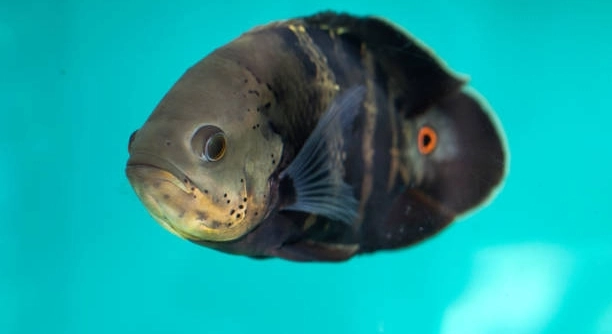
Oscar fish are popular in aquariums due to their vibrant colors and playful personalities. However, many owners unknowingly make feeding mistakes that can affect their health and well-being. Proper nutrition is essential for their growth and vitality.
One of the main feeding mistakes is overfeeding. This leads to obesity and water quality issues. Another mistake is providing a monotonous diet, lacking variety. A balanced diet ensures they receive all the necessary nutrients for optimal health.
By correcting these feeding habits, you’ll be taking the first steps toward improving your Oscar’s overall health. Let’s explore how to avoid these common feeding mistakes.
Overfeeding: A Common Pitfall
Overfeeding is one of the most common mistakes that Oscar fish owners make. Oscars are often given more food than they can consume, leading to excess waste in the tank. This not only affects their health but also deteriorates the water quality. Overfeeding can cause obesity, making the fish more susceptible to diseases and shortening their lifespan. It’s crucial to feed them only as much as they can eat within a few minutes. If leftover food is visible after feeding, it’s best to reduce the amount next time.
Overfeeding leads to more than just weight gain. It can result in high ammonia levels, which can harm both the fish and the environment in the tank.
Ensure you are providing a variety of foods in proper portions. Stick to a regular feeding schedule and monitor how much food your Oscar actually eats to avoid overfeeding. If they leave food behind, it’s a sign you’ve overfed them.
Feeding a Monotonous Diet
Feeding Oscars the same food every day might seem simple, but it can be harmful in the long run. A monotonous diet can lead to nutritional deficiencies. Oscars require a balanced mix of proteins, fats, and vitamins to stay healthy. Without variety, they may miss out on essential nutrients.
Incorporating different types of food, such as pellets, live foods, and frozen options, is key to ensuring their health. Live foods like worms or shrimp offer them a natural hunting experience and provide variety in their diet. Additionally, you can introduce vegetables or occasional treats like bloodworms to keep things interesting and provide extra nutrients.
By offering a varied diet, you’ll be supporting your Oscar’s health and happiness.
Feeding Too Frequently
Feeding your Oscar too often can lead to digestion problems and poor water quality. Oscars can easily become accustomed to multiple feedings each day, but this is not necessary for their health. Once or twice a day is enough for adult Oscars, depending on their size and activity levels.
Overfeeding can cause them to become sluggish and prone to weight gain, which can lead to other health issues. It’s better to offer controlled portions, ensuring they can eat all the food within a few minutes. If you see uneaten food, it’s a sign you should reduce their feeding frequency.
Proper feeding frequency ensures a balanced metabolism. It also prevents water from becoming contaminated too quickly, helping to maintain a cleaner environment for your Oscar. Stick to a regular feeding schedule, and make adjustments based on their size and activity level.
Improper Food Size
Food that is too large or too small can cause problems for your Oscar. Large chunks can lead to choking or digestion issues, while very small pieces may not provide sufficient nutrition. The size of the food should match the Oscar’s size and mouth.
If you’re feeding your Oscar pellets, make sure they are appropriate for the fish’s size. Similarly, if you offer live or frozen foods, ensure they are small enough for your Oscar to easily swallow. For larger Oscars, consider cutting larger pieces into manageable sizes. This will allow them to feed properly and safely.
The goal is to ensure your Oscar can consume the food easily without putting stress on their digestive system. By offering appropriately sized food, you will help them maintain a healthy and balanced diet.
Not Varying Food Texture
Providing your Oscar with the same food texture daily can make them bored and reduce their interest in eating. Oscars enjoy variety in their diet, including different textures like soft pellets, freeze-dried food, and crunchy options.
Varying food textures also ensures they get a broad range of nutrients. Some textures, such as live food, encourage natural hunting behaviors, which keeps your Oscar mentally stimulated and active. A mix of textures also helps with digestion, as different types of food can offer varied benefits for their health.
Offering both dry and moist foods, along with live or frozen options, ensures a well-rounded diet. This approach can prevent issues related to feeding boredom and nutritional gaps.
Poor Water Quality After Feeding
After feeding, the water in your tank can quickly become contaminated with leftover food. This can lead to increased ammonia levels and poor water quality, which affects your Oscar’s health. Make sure to clean up uneaten food promptly.
Changing the water regularly and maintaining good filtration will help keep the tank’s environment healthy. If you notice leftover food, use a net to remove it before it breaks down and pollutes the water. Poor water quality can lead to stress, infections, and even death if left unchecked.
A clean tank supports better digestion and overall health for your Oscar. Regular water maintenance is key to a thriving fish environment.
Overlooking Nutritional Supplements
While a balanced diet is essential, sometimes Oscars need extra nutrition in the form of supplements. Adding vitamins and minerals can help boost their immune system and support their growth, especially if they are young or recovering from illness.
Some Oscar fish may benefit from additional calcium or other trace minerals that may not be present in their regular food. However, it’s important not to overdo it. Supplements should only be given sparingly, following recommended dosages to avoid imbalances.
Supplements can be a great way to ensure your Oscar stays healthy and strong, but they should not replace a balanced, varied diet. Only use them when necessary and as a complement to their regular feeding routine.
FAQ
How often should I feed my Oscar fish?
Oscar fish should be fed once or twice a day, depending on their size and activity level. Overfeeding can lead to health issues and poor water quality, so stick to a feeding schedule and monitor the amount your Oscar consumes.
What is the best food for an Oscar fish?
A balanced diet is key for Oscars. High-quality pellets designed for large carnivores, along with occasional treats like live or frozen foods (such as shrimp, worms, or bloodworms), will provide them with necessary nutrients. Offering a variety of food types ensures a well-rounded diet.
Can I feed my Oscar live food?
Yes, live food like worms, crickets, or small fish is great for Oscars. It mimics their natural hunting behavior, providing mental stimulation. However, be cautious about the source to avoid introducing parasites or diseases into your tank.
Should I feed my Oscar vegetables?
Oscars are primarily carnivores, but they can benefit from occasional vegetables like peas or spinach. These provide extra fiber and vitamins. Offer small portions of vegetables once or twice a week, ensuring they’re finely chopped or blanched for easy digestion.
How much food should I give my Oscar at each feeding?
Feed your Oscar as much as it can eat within 3 to 5 minutes. Avoid overfeeding, as leftover food can pollute the water. As a general guide, provide enough food to fill its stomach, and adjust the amount if you notice uneaten food after each feeding.
Can I feed my Oscar goldfish or feeder fish?
While feeder fish are a natural part of an Oscar’s diet, they should be fed cautiously. Feeder fish can carry parasites and diseases. If you choose to feed feeder fish, make sure they are healthy and quarantined before introducing them to your Oscar’s tank.
Is overfeeding bad for my Oscar?
Yes, overfeeding can lead to obesity, digestive problems, and poor water quality. It’s essential to stick to proper portion sizes and remove any uneaten food to keep the tank clean. Overfeeding can also stress your fish and shorten its lifespan.
Can I feed my Oscar frozen food?
Frozen food is a great option for Oscars. Options like frozen shrimp, bloodworms, and brine shrimp are highly nutritious and easy to store. Just be sure to thaw the food before feeding and offer a variety of frozen options for a balanced diet.
How can I prevent my Oscar from getting too fat?
To prevent obesity, feed your Oscar in moderation and follow a regular feeding schedule. Limit treats and ensure that the food you provide is appropriately portioned for its size. Keep an eye on its weight and make adjustments as necessary.
Why does my Oscar refuse to eat sometimes?
There are a few reasons your Oscar may stop eating. Stress, water quality issues, temperature fluctuations, or health problems can affect their appetite. Ensure the tank is clean, the water parameters are correct, and the food is fresh. If the problem persists, a visit to the vet may be necessary.
Can I feed my Oscar fish pellets only?
While pellets provide essential nutrients, feeding only pellets can lead to nutritional deficiencies. Oscars benefit from a variety of foods, including live, frozen, and occasional vegetables. A diverse diet helps ensure they receive all the necessary vitamins and minerals for their health.
How do I know if my Oscar is eating enough?
If your Oscar is actively swimming and has a healthy appearance with no visible signs of malnutrition, it is likely eating enough. However, if you notice it becoming lethargic, losing color, or appearing underweight, it may not be getting enough food or the right balance.
Can I feed my Oscar food from my own kitchen?
Some human foods, like cooked shrimp, are safe for Oscars in moderation. However, avoid feeding them foods high in salt, fat, or sugar. Stick to options specifically designed for fish whenever possible to ensure your Oscar gets the proper nutrients.
Why is my Oscar always hungry?
Oscars are natural eaters, and it’s in their nature to be hungry, especially when they are young and growing. However, they don’t need to eat more frequently than once or twice a day. If it’s acting aggressively toward food, you may be overfeeding it.
What is the best way to feed my Oscar fish?
Place the food in the tank and let your Oscar hunt it down. This mimics its natural feeding behavior and keeps it active. You can also use feeding rings to prevent the food from floating all over the tank and ensure that it stays in one area.
Can I feed my Oscar different types of pellets?
Yes, varying the type of pellets you offer can provide a broader range of nutrients. Look for high-quality pellets designed for carnivorous fish, and choose options that include protein sources like fish meal or shrimp. Mixing different types will keep things interesting for your Oscar.
How do I adjust my Oscar’s diet as it grows?
As your Oscar grows, its dietary needs will change. Smaller Oscars may need smaller portions and more frequent feedings, while adults can go for longer periods between meals. Gradually increase the amount of food as they mature, but avoid overfeeding.
Is it okay to feed my Oscar the same food every day?
Feeding the same food every day can lead to nutritional imbalances. Mixing up the diet with a variety of foods, including different types of pellets, live food, and frozen options, ensures your Oscar gets all the nutrients it needs for optimal health.
How can I make sure my Oscar is getting the right nutrition?
To ensure your Oscar is getting the right nutrition, feed a balanced diet that includes protein, fats, and vitamins. A combination of high-quality pellets, live food, and occasional treats will cover all nutritional needs. Also, keep an eye on their behavior and appearance for signs of malnutrition.
Final Thoughts
Feeding your Oscar fish the right way is essential to keeping them healthy and happy. By providing a balanced diet with a variety of foods, including pellets, live foods, and occasional treats, you help ensure they receive the necessary nutrients for growth, energy, and overall well-being. Overfeeding or providing a single type of food can lead to health issues, so it’s important to avoid common mistakes and maintain a regular feeding routine.
Water quality is just as important as what your Oscar eats. Uneaten food that sits in the tank can lead to poor water conditions, which in turn can cause stress or illness in your fish. Removing any leftover food after feeding, along with regular water changes, will help keep your Oscar’s environment clean and safe. A healthy, clean tank supports better digestion and allows your Oscar to thrive.
By paying attention to your Oscar’s eating habits and maintaining a proper feeding schedule, you can ensure that they live a long, healthy life. Each fish is different, so it’s important to observe their preferences and adjust accordingly. Whether you are introducing new foods or improving your tank’s water quality, small changes can make a big difference in your Oscar’s happiness and health. With the right care, your Oscar can be a vibrant and active companion for years to come.

Hello,
If you enjoy the content that we create, please consider saying a "Thank You!" by leaving a tip.
Every little bit helps us continue crafting quality advice that supports the health, happiness, and well-being of pets around the world, for pets of all shapes, sizes, and species.
We really appreciate the kindness and support that you show us!