
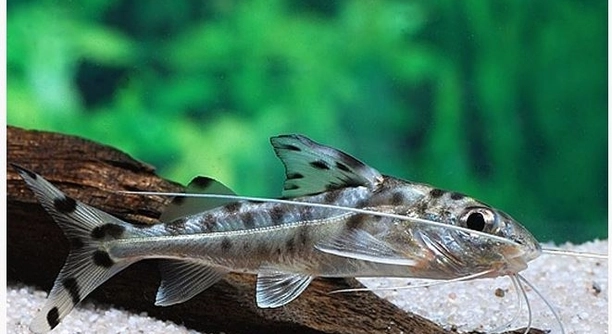
Feeding picky Pictus catfish can be a challenge for many aquarium owners. These fish have specific tastes and sometimes reject common foods. Finding the right approach helps ensure they stay healthy and active in their environment.
Providing varied and nutrient-rich food is key to encouraging Pictus catfish to eat regularly. Techniques like offering live or frozen foods, adjusting feeding times, and creating a calm feeding environment support their natural behavior and appetite.
These simple feeding hacks can improve your catfish’s diet and overall well-being, making tank care more rewarding for both you and your fish.
Understanding Pictus Catfish Feeding Habits
Pictus catfish are naturally nocturnal and tend to feed more actively during low light or nighttime hours. In the wild, they search for small insects, crustaceans, and other protein sources on the riverbed. Their whiskers help them detect food in murky water. This behavior means they may not respond well to daytime feeding or bright lights. Knowing this can help adjust your feeding schedule to better suit their natural habits. Additionally, they prefer moving food that mimics live prey, which explains why flakes or pellets are sometimes ignored. By providing foods that match their instinctual diet and offering them during quieter periods, you can encourage better eating habits. It is important to keep the tank environment stable and avoid sudden changes that might stress them and reduce their appetite. With patience and observation, feeding Pictus catfish can become easier and more successful.
Feeding them in the evening or at night helps increase their activity and willingness to eat.
Adapting your routine to match their natural feeding times can lead to improved nutrition and a healthier fish.
Offering a Variety of Foods
Variety in diet prevents boredom and ensures balanced nutrition for Pictus catfish. They enjoy live foods like bloodworms, brine shrimp, and daphnia, which activate their hunting instincts. Frozen options can also be effective substitutes, especially if live foods are unavailable. While pellets and sinking wafers can be used, it’s important to observe which types your catfish prefer and rotate their diet accordingly. Feeding only one type can lead to nutritional gaps or disinterest. Also, chopping or softening pellets may make them easier to eat. Offering food in small amounts several times a day rather than one large feeding reduces waste and keeps the tank cleaner. A well-rounded feeding plan mimics natural conditions and promotes better health, growth, and coloration in your Pictus catfish.
Regularly changing the food types keeps their interest and supports a well-balanced diet.
Using a mix of live, frozen, and prepared foods helps meet their dietary needs while maintaining their natural feeding behavior.
Feeding in a Calm Environment
Pictus catfish are easily startled, so a quiet, low-traffic feeding area helps them feel secure. Sudden movements or loud noises nearby can cause them to hide instead of eat.
Reducing stress during feeding time increases the chances your catfish will accept food. Try feeding when the room is calm and dimly lit. Avoid tapping on the tank or making loud noises. If other fish compete aggressively for food, consider feeding Pictus catfish separately or in a quieter section of the tank. Creating a peaceful atmosphere makes feeding a more natural experience for these sensitive fish. Over time, they’ll associate feeding with calmness and respond more consistently.
Using a small feeding dish or targeting food near the tank bottom can help, especially if other fish dominate the surface. This way, Pictus catfish get their share without feeling threatened or rushed.
Preparing Food Properly
Proper food preparation improves palatability and digestion for picky eaters like Pictus catfish. Soaking dry foods like pellets or wafers before feeding softens them, making them easier to consume. This also reduces the risk of the fish choking or rejecting hard foods. Thaw frozen foods slowly in tank water to avoid temperature shock. Cutting larger food pieces into smaller bites mimics their natural feeding style and encourages eating. Keeping food fresh and removing leftovers promptly prevents water contamination, which can affect your fish’s health. Preparing food with care helps maintain appetite and supports better nutrition, making feeding times smoother and more effective. This small effort often results in noticeable improvements in feeding behavior.
Rotating preparation methods and food textures keeps feeding interesting and adapts to your catfish’s preferences.
Feeding Small Portions
Feeding small amounts at a time prevents overfeeding and keeps the tank cleaner. Pictus catfish prefer frequent, smaller meals rather than large, infrequent feedings.
Smaller portions encourage them to eat more consistently and reduce leftover food, which can pollute the water. This approach also helps monitor their appetite and health more effectively.
Using Sinking Foods
Sinking foods are ideal because Pictus catfish are bottom feeders. They spend most of their time near the tank floor, so sinking pellets or wafers ensure food reaches them directly. Floating foods often get eaten by other fish, leaving Pictus catfish hungry. Using sinking foods mimics their natural diet and feeding behavior, improving their willingness to eat. This method reduces food waste and promotes better nutrition by targeting the right feeding zone in the tank. Sinking foods also help maintain water quality by reducing uneaten food on the surface.
Watching for Feeding Signs
Observing your catfish’s behavior during feeding helps adjust your approach to better meet their needs.
FAQ
Why won’t my Pictus catfish eat flakes or pellets?
Pictus catfish often reject flakes and pellets because these foods don’t match their natural diet or feeding habits. They prefer live or frozen foods that move or sink, simulating prey in their environment. Flakes may float on the surface, out of reach for bottom feeders like Pictus catfish. Pellets can be too hard or dry, making them unappealing. Soaking pellets before feeding can help soften them. Offering a variety of foods that include sinking pellets, frozen bloodworms, or brine shrimp usually improves acceptance.
How often should I feed my Pictus catfish?
Feeding small portions two to three times a day is ideal. These catfish are active during low light periods and benefit from frequent meals instead of one large feeding. Smaller, regular feedings help maintain water quality by reducing leftover food. Overfeeding can cause health issues and pollute the tank, so it’s best to observe how much your catfish eats and adjust accordingly.
Can Pictus catfish eat vegetables?
Pictus catfish are primarily carnivores and prefer protein-rich foods. However, they might nibble on soft vegetables occasionally. Blanched zucchini or cucumber can be offered in small amounts as a treat, but vegetables should not replace their main diet. Their digestive systems are better suited to animal proteins, so focus mainly on live, frozen, or prepared carnivore foods.
What signs show my Pictus catfish is hungry?
Hungry Pictus catfish become more active and swim near the bottom of the tank, searching for food. They may use their barbels (whiskers) to explore and seem more alert. If they approach the feeding area quickly when food is introduced, it’s a clear sign they are ready to eat. Reduced activity or hiding may indicate they are full or stressed.
Is it okay to feed live food only?
Feeding live food exclusively can provide excellent nutrition and stimulate natural hunting behaviors, but it is not always practical or balanced. Live food should be part of a varied diet to cover all nutritional needs. Relying only on live food can also increase the risk of introducing parasites or diseases unless the food is sourced carefully. Combining live, frozen, and prepared foods offers a safer, more balanced approach.
How can I encourage a picky Pictus catfish to eat?
Try feeding during evening hours when they are more active. Offering live or frozen foods that mimic natural prey often helps. Keep the tank environment calm and dimly lit during feeding times. Changing the type or texture of food regularly can spark interest. Soaking pellets or breaking food into smaller pieces makes eating easier. Patience is key; sometimes it takes several attempts before a picky catfish adapts.
Should I remove uneaten food after feeding?
Yes, removing uneaten food promptly helps maintain good water quality. Leftover food decomposes and releases harmful substances like ammonia, which stress fish and affect their health. Use a siphon or net to clear out excess food about 10-15 minutes after feeding. Keeping the tank clean supports your catfish’s well-being and encourages them to eat more regularly.
Can Pictus catfish eat with other fish in the tank?
Pictus catfish can share a tank with other peaceful species, but feeding can become competitive. Fast or aggressive feeders might eat most of the food before Pictus catfish get a chance. To avoid this, feed Pictus catfish separately or use sinking foods that reach the bottom quickly. Observing feeding behavior helps you adjust strategies and ensure all fish get proper nutrition.
Is it necessary to feed my Pictus catfish live food?
Live food isn’t necessary but highly beneficial. It provides stimulation and nutrients that are close to their natural diet. If live food is not an option, high-quality frozen or prepared foods can substitute well. The important part is offering a balanced diet that meets their protein needs.
What if my Pictus catfish stops eating suddenly?
Sudden loss of appetite can indicate stress, illness, or poor water conditions. Check water parameters for ammonia, nitrites, nitrates, and temperature to ensure they are within safe ranges. Look for signs of disease like spots, discoloration, or abnormal behavior. Improving tank conditions and offering favorite foods during calm periods may encourage eating. If the problem persists, consulting a vet or fish specialist is advisable.
Feeding picky Pictus catfish can sometimes feel like a challenge, but with patience and the right approach, it becomes manageable. These fish have natural habits and preferences that influence what and when they eat. Understanding their behavior is the first step toward meeting their needs effectively. By offering a variety of foods, especially those that sink and mimic their natural diet, you can encourage better feeding. Adjusting feeding times to suit their nocturnal activity helps as well. It is important to remember that they are sensitive to their environment, so keeping the tank calm during feeding times supports their comfort and appetite. Small changes in routine can make a big difference.
Providing proper food preparation is also important. Soaking pellets, thawing frozen foods correctly, and cutting larger pieces into smaller bites make it easier for Pictus catfish to eat. Feeding smaller portions multiple times a day avoids overfeeding and helps maintain water quality, which in turn supports fish health. Watching their feeding behavior closely allows you to notice signs of hunger or stress and adjust your care accordingly. Feeding should not only be about nutrition but also about creating a stable, stress-free environment where your catfish can thrive.
Overall, feeding Pictus catfish is about understanding their natural tendencies and adapting your care to match. While it might take some time to find what works best for your fish, the effort is worth it. Consistent, thoughtful feeding habits will improve their health, activity, and lifespan. Keeping your catfish well-fed and happy adds to the enjoyment of maintaining an aquarium. With these feeding hacks, you can build a routine that benefits both you and your Pictus catfish for the long term.

Hello,
If you enjoy the content that we create, please consider saying a "Thank You!" by leaving a tip.
Every little bit helps us continue crafting quality advice that supports the health, happiness, and well-being of pets around the world, for pets of all shapes, sizes, and species.
We really appreciate the kindness and support that you show us!