
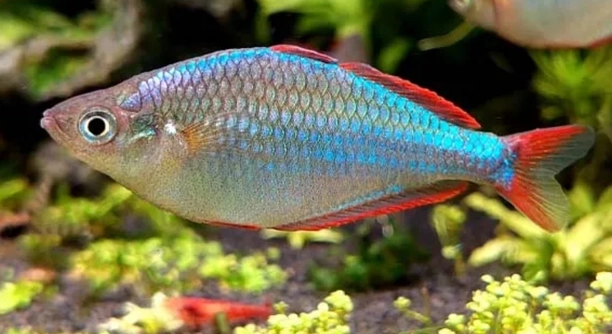
Rainbow fish are popular in aquariums for their vibrant colors and active nature. However, like any fish, they require specific care, especially when it comes to their feeding habits. Proper feeding is essential for their health and vitality.
Rainbow fish require a balanced diet consisting of high-quality flakes, pellets, and occasional live or frozen foods. They thrive on protein-rich foods like brine shrimp and daphnia, but overfeeding can lead to water quality issues and health problems.
By understanding their feeding habits, you can help maintain the right diet for your rainbow fish. Proper care ensures their bright colors and lively behavior will last for years to come.
Importance of a Balanced Diet for Rainbow Fish
Rainbow fish, like any other aquarium fish, need a balanced diet to stay healthy. Offering them a variety of foods ensures they get the necessary nutrients. A combination of high-quality fish flakes, pellets, and occasional live or frozen food like brine shrimp and bloodworms is ideal. These food options provide them with the right mix of proteins, vitamins, and minerals. However, it’s important not to overfeed them, as excess food can lead to water pollution and health problems.
Feeding your rainbow fish the right foods will also help maintain their vibrant colors and active behavior. Fish that are underfed or malnourished may become lethargic and lose their bright hues. Ensuring that they receive an appropriate diet is crucial for their overall well-being.
The key to keeping your rainbow fish in top condition is variety. Avoid sticking to just one type of food for too long. Offering them a mix of flakes, pellets, and frozen food will keep them healthy and happy in your tank.
The Right Amount of Food
Portion control is vital when feeding your rainbow fish. Too much food can degrade water quality and harm their health. Overfeeding also encourages the growth of harmful bacteria. It’s best to feed them what they can consume in a few minutes.
Feeding rainbow fish is a delicate balance. Offering them the right amount ensures their health, promotes good water conditions, and reduces waste. Start with small portions and adjust based on their eating habits. If food remains uneaten, cut back on the amount next time. This keeps your tank cleaner and helps prevent overfeeding.
Their appetite will vary depending on factors like water temperature and their activity level. Keeping an eye on these factors will help you find the right balance for your fish.
Feeding Frequency: How Often Should You Feed?
Feeding rainbow fish too often can create more problems than benefits. Typically, it’s recommended to feed them once or twice a day. Rainbow fish do not require constant food, and too much food in their system can cause issues like poor water quality and digestive problems. In some cases, feeding them a small portion in the morning and again in the evening is enough to meet their nutritional needs.
Offering them small meals, spread out over the day, also mimics their natural feeding habits. Rainbow fish in the wild forage for food in a variety of settings and are often not fed large amounts at one time. You want to create a similar environment in your tank for them to thrive.
Overfeeding leads to uneaten food, which decomposes in the tank and leads to higher levels of ammonia and nitrites, which can harm the fish. Therefore, controlling how often you feed them ensures both their health and the health of the aquarium.
Types of Food: Variety is Key
Rainbow fish thrive on a variety of foods. A good mix includes flakes, pellets, and frozen or live foods like daphnia and brine shrimp. This variety ensures they get all the nutrients they need. It’s important to rotate their food regularly for optimal health.
Flakes and pellets offer the convenience of being easy to store and feed. These should make up the bulk of their diet. However, live and frozen foods provide added protein that rainbow fish need, especially for growth and color development. Variety also keeps them interested in their meals and avoids feeding boredom.
Be mindful of the quality of the food you buy. Opt for high-quality brands that offer balanced nutrition. Low-quality foods may lack essential vitamins and minerals, which can lead to deficiencies. Fresh and varied foods promote a long, healthy life for your rainbow fish.
Water Temperature and Feeding
The temperature of your aquarium plays a significant role in how much and how often you should feed your rainbow fish. Rainbow fish are warm-water species and do best in temperatures between 75°F and 80°F (24°C to 27°C). At lower temperatures, their metabolism slows down, and they may eat less.
If your water temperature drops below their ideal range, rainbow fish become less active and won’t consume food as quickly. As a result, you may need to adjust their feeding schedule to avoid overfeeding. When the water is warmer, their metabolism speeds up, and they may be more active, eating more often.
Maintaining a stable water temperature is essential for their feeding habits. A heater can help regulate the tank’s temperature to prevent sudden drops. By keeping it within their ideal range, you support your fish’s natural eating behaviors and overall health.
Overfeeding: A Common Issue
Overfeeding rainbow fish can lead to poor water quality and health problems. It’s tempting to offer more food, especially when they seem hungry, but this can result in uneaten food decaying in the tank. This leads to higher ammonia levels, which can harm the fish.
The excess food in the tank also causes water pollution, which contributes to algae growth and increases the work needed to maintain clean water. It’s best to feed rainbow fish only as much as they can eat in a few minutes, reducing waste and maintaining a healthier tank environment.
The Importance of Clean Water
Rainbow fish require clean, well-filtered water to stay healthy. Uneaten food, waste, and chemicals can build up quickly, especially if overfed. Regular water changes and good filtration are necessary to remove toxins from the water.
Without proper filtration, waste can degrade water quality and cause stress, leading to illness. A good filter will help keep the water clean and ensure a healthy environment for your rainbow fish. Regular water checks for ammonia, nitrites, and nitrates are also important to avoid toxic build-up.
Signs of Underfeeding
Underfeeding is just as harmful as overfeeding. If your rainbow fish are not getting enough food, they may appear lethargic or show signs of weight loss. Their colors may also start to fade, and they could become more susceptible to disease.
It’s important to monitor their eating habits and adjust portions accordingly. If they seem less active or not interested in food, this might indicate underfeeding or poor food quality.
FAQ
How often should I feed my rainbow fish?
Rainbow fish should be fed once or twice a day. It’s important to avoid feeding them too frequently. Offering small portions in the morning and evening is ideal. This feeding schedule mimics their natural behavior of foraging for food throughout the day. Ensure that the amount is small enough that they can consume it within a few minutes to avoid overfeeding and water pollution.
If you notice that the fish are not finishing the food within this time frame, you may be feeding them too much. Reducing the portion size can help maintain better water quality. Keeping an eye on their eating habits will guide you to the right amount.
What is the best food for rainbow fish?
The best food for rainbow fish includes a variety of high-quality flakes, pellets, and occasional live or frozen foods. Their diet should be balanced, with a mix of protein, vitamins, and minerals. Flakes and pellets can serve as a daily staple. Live or frozen foods, such as brine shrimp, daphnia, or bloodworms, provide essential proteins that help with their growth and color.
To keep your rainbow fish healthy, make sure to offer a variety of foods to meet their nutritional needs. It’s a good idea to rotate between different food types to prevent them from getting bored and to ensure they get all the necessary nutrients.
Can I feed rainbow fish vegetables?
Yes, rainbow fish can eat vegetables. Adding small amounts of vegetables like blanched spinach, zucchini, or peas can provide some variety in their diet. Vegetables offer essential fiber that aids in digestion and helps prevent constipation, a common issue with fish that only eat protein-based foods.
It’s important to chop the vegetables into small pieces to make it easier for the fish to eat. Make sure to remove any uneaten vegetables after a few hours to avoid water contamination. Vegetables should be offered occasionally and should not replace their primary food source.
Should I feed rainbow fish live food?
Yes, rainbow fish benefit from live food, especially for providing them with protein and stimulating natural hunting behaviors. Live foods like brine shrimp, daphnia, and worms can improve their health and vibrant coloration. However, it’s important to offer live foods in moderation.
While live food is nutritious, it should not be the main part of their diet. Overfeeding live food can also introduce parasites or other health risks, so always ensure the food is clean and safe for your fish. Incorporating live food into their diet a few times a week will help maintain variety and support their overall health.
How do I know if my rainbow fish are eating enough?
Rainbow fish that are eating enough should be active, have bright colors, and show interest in food. If they are not eating enough, their colors may begin to fade, and they may seem lethargic or uninterested in food. You might also notice them becoming more reclusive or hiding in corners of the tank.
To ensure they are getting enough, observe their behavior during feeding times. If the fish are actively eating within the first few minutes, they are likely getting a sufficient amount. Adjust portions if you notice that food remains uneaten or if your fish start showing signs of underfeeding.
How can I prevent overfeeding rainbow fish?
Preventing overfeeding is simple once you find the right portion size for your rainbow fish. Always feed only what they can consume in a few minutes. Avoid leaving food in the tank for extended periods, as this leads to water contamination and can affect water quality.
A good practice is to remove any uneaten food after about 5 minutes. You can also use an automatic fish feeder to help regulate portions if you tend to overfeed. Monitoring their eating habits and adjusting portions regularly will keep both your fish and your tank healthy.
Is it okay to feed rainbow fish the same food every day?
While rainbow fish can eat the same food daily, it’s not ideal for their long-term health. A varied diet is better for them, as different foods provide a wider range of nutrients. Rotating between flakes, pellets, and live or frozen foods ensures they get all the necessary vitamins and minerals.
Variety also keeps feeding times more interesting for the fish. It helps prevent them from getting bored with the same food and encourages more natural feeding behaviors. Offering a mix of foods ensures they stay healthy and vibrant.
How can I avoid water pollution from feeding?
To avoid water pollution, it’s important to only feed your rainbow fish the right amount of food. Excess food decays and increases the levels of harmful substances like ammonia in the tank. Feed your fish only what they can eat in a few minutes, and remove any uneaten food promptly.
Regular water changes are also essential to maintaining good water quality. Cleaning the tank and checking the filter will help keep the water clean and reduce toxins. By controlling the feeding process and performing routine tank maintenance, you can prevent water pollution and maintain a healthy environment for your rainbow fish.
How do I know if I am overfeeding my rainbow fish?
Signs of overfeeding include uneaten food left in the tank, which decays and pollutes the water. Your rainbow fish may become lethargic, and their behavior may change, with them becoming less active or hiding. Overfeeding also leads to increased water maintenance due to higher ammonia levels.
If your rainbow fish aren’t finishing their food in a few minutes, it’s a sign you might be feeding too much. Adjusting the portion size and monitoring their behavior will help prevent overfeeding. A good rule of thumb is to offer small portions and observe their eating habits.
Can rainbow fish eat dried food?
Yes, rainbow fish can eat dried food such as dried bloodworms, daphnia, or brine shrimp. Dried foods are a convenient option and can be a good supplement to their diet. However, they should not make up the majority of their meals.
Dried foods should be used in moderation, as they may lack some nutrients that live or frozen foods offer. Mixing dried food with high-quality flakes, pellets, and occasional fresh or frozen foods ensures a more balanced diet for your rainbow fish.
Final Thoughts
Feeding rainbow fish properly is essential to keeping them healthy and vibrant. A balanced diet with a variety of foods, including flakes, pellets, and occasional live or frozen options, will help your fish thrive. By providing the right amount of food and maintaining a feeding schedule, you can avoid common issues like overfeeding or underfeeding, both of which can affect their health. Remember, it’s not just about what you feed them, but also how much you feed them. Overfeeding can cause water pollution, while underfeeding may lead to malnourishment and faded colors.
The health of your rainbow fish depends on more than just their diet. Water quality, temperature, and filtration play an important role in their well-being. Keep an eye on their eating habits, and adjust the amount of food accordingly to ensure they are getting enough without overfeeding. A consistent feeding routine that matches their activity levels and water conditions will help you maintain a healthy tank environment. Regular water changes and good filtration are crucial to prevent water pollution from uneaten food and waste.
In the end, the goal is to create a balanced, healthy environment for your rainbow fish. A variety of foods, proper portion sizes, and routine tank maintenance will keep your fish happy and healthy. Monitoring their behavior and adjusting their diet as needed will ensure they stay active and colorful. With the right care, rainbow fish can thrive in your aquarium for many years.

Hello,
If you enjoy the content that we create, please consider saying a "Thank You!" by leaving a tip.
Every little bit helps us continue crafting quality advice that supports the health, happiness, and well-being of pets around the world, for pets of all shapes, sizes, and species.
We really appreciate the kindness and support that you show us!