
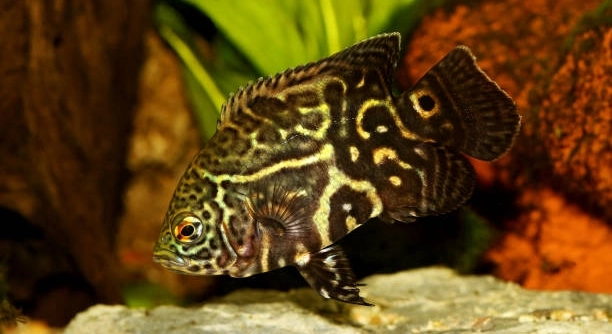
Oscar fish are fascinating creatures, known for their unique behaviors and personalities. However, understanding their feeding habits can make a significant difference in their health and well-being. Their diet plays a vital role in their overall care.
Oscar fish have specific feeding requirements that should be closely monitored. Their diet should consist of high-quality pellets, live food, and occasional vegetables. It is important to avoid overfeeding, as this can lead to health problems, including obesity and water contamination.
Proper feeding habits will not only improve the fish’s health but also enhance their behavior and interaction with their environment. Following these guidelines will help ensure a happy and healthy Oscar fish for years to come.
Proper Diet and Nutrition
Oscar fish require a balanced diet to thrive. High-quality pellets should make up most of their diet, as these contain essential nutrients. Live food, such as feeder fish or shrimp, can be offered occasionally to mimic their natural hunting behavior. It’s also helpful to occasionally offer vegetables like peas or spinach. Overfeeding can quickly lead to water quality issues and health problems, including bloating. Be mindful of how much food is given, as uneaten food can pollute the tank. A consistent feeding schedule is key to maintaining their well-being and ensuring that they receive the proper nutrition for growth.
Feeding them once or twice a day is ideal, depending on their size and age. Offer an amount they can finish in about five minutes to avoid leftovers.
When choosing food, always opt for premium options. These foods have been specifically designed to support the health and vitality of Oscar fish, providing the necessary proteins and vitamins. Poor-quality foods can lead to deficiencies and slower growth. Additionally, live food should only be offered sparingly to avoid the risk of introducing disease into the tank.
Feeding Frequency
Oscar fish thrive with regular feeding routines. They should be fed once or twice daily, depending on their age and size. Keeping this consistent will help ensure they stay healthy and active.
Maintaining a routine is crucial to Oscar fish health. Feeding at the same times each day helps establish a sense of security for the fish. They become accustomed to their feeding schedule and are more likely to eat well. If you’re ever unsure of the right feeding frequency, it’s best to stick with feeding them once per day. This provides ample opportunity for digestion and reduces the risk of overfeeding.
Overfeeding Risks
Overfeeding is one of the most common mistakes when caring for Oscar fish. It leads to uneaten food, which decays and negatively affects water quality. The excess food also causes obesity in the fish, which can reduce their lifespan. Watch for signs of overfeeding, such as excessive bloating or a dirty tank.
Oscar fish are prone to overeating if given too much food at once. Feeding too much, too frequently, stresses the fish and disrupts their natural feeding habits. It’s best to feed them a small amount they can consume within five minutes. Any leftover food should be removed immediately.
Keeping your Oscar fish on a strict feeding schedule is essential. This prevents overfeeding while helping the fish stay active and healthy. Regular water changes are necessary as well to maintain good tank conditions. The combination of proper feeding and water maintenance creates a healthier environment for the fish, preventing the issues associated with overfeeding.
Variety in Diet
Oscar fish are carnivores, but variety in their diet is crucial. Offering a mix of high-quality pellets, live foods, and occasional vegetables keeps them engaged and provides essential nutrients. It’s important to introduce variety to prevent them from becoming picky eaters.
Feeding your Oscar fish a variety of foods ensures they get the right mix of nutrients, such as proteins, fats, and vitamins. While they enjoy live food like worms and shrimp, don’t rely on it exclusively. Offering vegetables, like peas or spinach, balances their diet and improves digestion. Stick to fresh, safe options when introducing new foods.
Rotating food types gives your Oscar fish a chance to experience different tastes and textures. This also helps prevent dietary deficiencies that can arise from feeding the same thing too often. By diversifying their meals, you promote healthier growth, better immune function, and a more active, happier fish.
Feeding Tankmates
When feeding Oscar fish in a community tank, it’s important to consider the other fish. Oscars can be aggressive and territorial, especially during feeding time. Ensure that all tankmates get their share and that no one is bullied or overfed.
Watch the behavior of the other fish when feeding. If necessary, separate the Oscars from the other fish during feeding time to ensure fairness. The Oscars may dominate the feeding area, preventing smaller or less aggressive fish from getting food. You can feed Oscars in a separate area to prevent this.
This approach reduces stress for other tankmates, keeping the peace while ensuring that the Oscars receive the proper amount of food. It also helps create a balanced environment where each fish gets the right nutrition without any competition.
Live Food
Oscar fish love live food and it mimics their natural hunting behavior. Offering live food such as feeder fish, worms, or shrimp can be a fun and stimulating experience for them. However, live food should be given sparingly to avoid introducing diseases into the tank.
While live food provides excitement for Oscar fish, it also carries risks. Always quarantine live food before introducing it to the tank to reduce the chance of introducing parasites or infections. Additionally, too much live food can create imbalances in their diet, so it should not replace staple foods. Live food can also be expensive and difficult to find, making it a less practical option long-term.
Vegetable Options
Although Oscar fish are carnivorous, offering vegetables is beneficial for their digestion. Vegetables like peas, spinach, and zucchini are easy to introduce and provide necessary fiber. These can be fed occasionally, either cooked or raw.
FAQ
How often should I feed my Oscar fish?
Oscar fish should be fed once or twice a day, depending on their age and size. Juvenile Oscars may need more frequent feedings, while adults can typically be fed once a day. The key is consistency, so try to feed them at the same time every day. Overfeeding can cause health problems, so it’s important to give only as much as they can eat in about 5 minutes.
What kind of food should I feed my Oscar fish?
Oscar fish thrive on a diet that includes high-quality pellets designed for carnivores, along with occasional live foods like worms or feeder fish. Vegetables such as peas or spinach can be introduced occasionally for added nutrients. This variety will provide essential proteins and vitamins while keeping the fish healthy.
Can I feed my Oscar fish only pellets?
While pellets are an essential part of an Oscar’s diet, feeding them only pellets is not ideal. They should have a varied diet to meet all their nutritional needs. Adding live foods and vegetables ensures that they get a full spectrum of nutrients, which is key to their overall health.
Is it okay to feed my Oscar fish live food?
Live food can be offered occasionally, and Oscars love it. However, it should not be the main source of their diet. Feeder fish, worms, and shrimp can be exciting for them, but there are risks, including the possibility of introducing diseases into the tank. Always quarantine live food before feeding.
How do I avoid overfeeding my Oscar fish?
Overfeeding is one of the most common issues with Oscar fish. To avoid this, offer only the amount of food they can consume in about 5 minutes. If you notice uneaten food in the tank, remove it promptly to prevent it from polluting the water. It’s better to feed them smaller portions throughout the day rather than large amounts at once.
What is the best type of pellet for Oscar fish?
Choose high-quality pellets specifically formulated for carnivorous fish like Oscars. These pellets are typically rich in proteins and essential nutrients. Avoid low-quality pellets, as they may not provide all the nutrients your Oscar needs, and can even cause long-term health problems. Look for pellets that are nutrient-dense and suitable for larger fish.
Can I feed my Oscar fish vegetables?
Yes, Oscar fish can eat vegetables. Vegetables like peas, spinach, zucchini, or lettuce can be added occasionally. These foods provide fiber, which helps with digestion. Make sure to blanch or cook the vegetables before feeding, as this makes them easier for the fish to digest. It’s not necessary to feed vegetables every day, but they should be part of a balanced diet.
How do I know if I’m overfeeding my Oscar fish?
Signs of overfeeding include excessive bloating or sluggish behavior in your Oscar, as well as leftover food in the tank. Overfeeding also leads to water quality issues, as uneaten food decays and raises ammonia levels. If you notice these signs, reduce the amount of food you’re offering and stick to a consistent feeding schedule.
Can I feed my Oscar fish frozen food?
Frozen foods can be a great option for Oscar fish. Foods like frozen shrimp, bloodworms, or brine shrimp are excellent sources of protein. Just ensure that the food is thawed before feeding it to your fish. Frozen food should be used as a supplement to their regular diet of pellets, not as the main food source.
Should I feed my Oscar fish at night?
Oscar fish do not need to be fed at night. They are diurnal, meaning they are most active during the day. Feeding them during their active hours ensures they get the food they need when they are alert and ready to eat. Avoid feeding them right before lights out, as it can disrupt their sleep cycle.
What should I do if my Oscar fish isn’t eating?
If your Oscar isn’t eating, first check the water conditions. Poor water quality or incorrect water parameters (like temperature or pH levels) can cause your fish to lose its appetite. Also, ensure the food you are offering is fresh and appropriate for their diet. If your Oscar continues to refuse food, consult with a veterinarian to rule out any health problems.
How long can Oscar fish go without food?
Oscar fish can typically go for 2-3 days without food without any serious consequences. However, it’s important to avoid fasting them for longer periods unless absolutely necessary. Regular feeding is crucial for maintaining their health, so try to stick to a consistent schedule and only skip feedings if required due to tank maintenance or a health issue.
Can I feed my Oscar fish feeder fish from my local pet store?
Feeder fish from a pet store are okay to feed your Oscar occasionally, but they should be quarantined first. Pet store feeder fish can carry parasites and diseases that could spread to your Oscar. Also, feeder fish should not be a daily part of their diet. Oscars can become too reliant on feeder fish, which may not provide the full range of nutrients they need.
How can I improve the health of my Oscar fish through diet?
Improving your Oscar’s diet starts with feeding high-quality, nutrient-dense pellets that are specifically formulated for carnivores. Supplementing their diet with occasional live food and vegetables provides additional nutrition. Regularly offering a variety of foods will keep them healthy, active, and free from nutritional deficiencies. Consistent feeding with a variety of foods ensures their health and longevity.
Final Thoughts
Oscar fish are relatively easy to care for, but their feeding habits require attention. Providing a balanced diet is essential for their health and longevity. While Oscars can be fed a variety of foods, it’s important to focus on their natural carnivorous needs. Pellets formulated for large carnivores should be a staple in their diet. These provide the necessary proteins and nutrients they require to stay healthy. However, occasional live food like feeder fish, shrimp, or worms can add excitement and simulate their natural hunting instincts. Offering vegetables in moderation can also support their digestion, though it should not make up a large portion of their diet.
Feeding frequency is another important factor. Oscars should be fed once or twice a day, with care taken to ensure they don’t become overfed. Overfeeding can lead to serious health issues, including bloating, digestive problems, and poor water quality. It’s best to provide small portions of food that can be eaten within a few minutes. Removing uneaten food helps maintain water quality and prevent the growth of harmful bacteria. Monitoring your Oscar’s appetite and behavior can also give you clues about their feeding schedule and if adjustments are needed. It’s always better to feed less than too much, especially when starting out.
Overall, understanding the unique feeding needs of Oscar fish helps in providing the best care for them. While their diet may seem simple, consistency is key. Offering a variety of foods that mimic their natural diet, while avoiding overfeeding, can keep them healthy and happy. Additionally, regular water changes, tank cleaning, and monitoring of tankmates ensure that Oscars thrive in a well-maintained environment. With the right approach to feeding, your Oscar fish can enjoy a long, healthy life.

Hello,
If you enjoy the content that we create, please consider saying a "Thank You!" by leaving a tip.
Every little bit helps us continue crafting quality advice that supports the health, happiness, and well-being of pets around the world, for pets of all shapes, sizes, and species.
We really appreciate the kindness and support that you show us!