
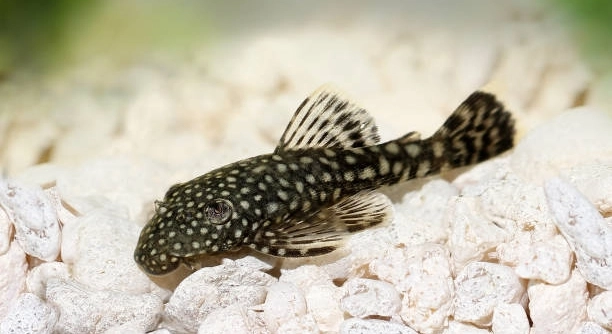
Plecos are popular aquarium fish known for their algae-eating habits, but when overfed, they can become overweight. Proper feeding habits are essential to keep your plecos healthy and prevent them from gaining unnecessary fat.
Overfeeding plecos can lead to excessive fat accumulation, often caused by providing too many high-fat foods or feeding them too frequently. Inappropriate portion sizes and not diversifying their diet may also contribute to unhealthy weight gain.
Understanding these feeding habits can help ensure your pleco stays healthy and active. Keeping their diet balanced and controlled is key to maintaining a healthy weight.
Overfeeding with High-Fat Foods
One of the main reasons plecos become overweight is due to feeding them foods high in fat. These fish naturally thrive on algae, but when offered foods like pellets or wafers rich in fats and proteins, they can easily gain weight. Many owners are unaware of the fat content in certain fish foods, assuming they are providing a balanced meal. However, too much fatty food can lead to fat buildup around their bodies, affecting their health. While occasional treats are fine, it’s essential to limit high-fat options in their diet to prevent this from happening.
Avoiding fatty foods altogether isn’t necessary, but balance is key. When feeding plecos, aim for foods with lower fat content and consider including more algae-based supplements. These types of foods are not only healthier but also more aligned with their natural diet. Moderation is crucial for preventing weight gain while still providing adequate nutrition.
Additionally, overfeeding in general can contribute to fat accumulation. Plecos will eat more than they need if food is constantly available. It’s best to feed them the right portion size once a day or every few days to control their intake and prevent unnecessary fat build-up. Consider offering varied food sources, such as fresh vegetables or algae discs, to maintain a well-rounded diet.
Feeding Frequency
Feeding plecos too often is another leading factor in excessive weight gain. These fish don’t require constant feeding.
Plecos are naturally slow eaters and can survive on minimal feeding if their diet is diverse. Offering them food once a day or every couple of days is sufficient. Overfeeding can lead to overeating, and the extra food quickly converts to fat.
Inadequate Variety in Diet
Feeding plecos the same food day after day can lead to poor health and weight issues. A lack of variety can result in nutritional imbalances, leading to unhealthy fat accumulation. Plecos require a mix of foods to thrive, including algae, vegetables, and occasional protein-rich treats.
Providing a more diverse diet helps balance their nutritional needs. It also prevents them from overeating one specific type of food. Including options like zucchini, cucumber, and spinach can keep their meals fresh while ensuring they get all the necessary nutrients. A varied diet mimics their natural foraging behavior and keeps them engaged and active.
Plecos also benefit from occasional protein sources, such as small amounts of shrimp or fish. However, these should be offered sparingly. While they enjoy these proteins, they shouldn’t form the base of their diet. Overfeeding protein-heavy foods can contribute to weight gain. By mixing in various foods, you’ll help ensure your pleco stays fit and healthy.
Improper Portion Sizes
Another common mistake is giving plecos too much food in one sitting. Overfeeding can lead to rapid weight gain and health issues.
It’s crucial to understand how much your pleco needs based on its size and age. You can start by offering small amounts and observing how much they consume. Any uneaten food should be removed after a few hours to prevent it from polluting the tank. This keeps their diet in check and maintains water quality.
For adult plecos, portions should be adjusted based on their size. If the food is disappearing quickly, it’s a sign to cut back. Plecos don’t need large portions to be satisfied, and their eating habits should be monitored closely.
Overreliance on Commercial Fish Food
Relying too much on pre-packaged fish food can lead to overeating and obesity in plecos. These foods often contain high levels of fillers and preservatives, which aren’t ideal for their diet. It’s important to supplement with fresh foods and natural sources to ensure a balanced intake.
When feeding plecos, it’s best to use commercial food sparingly. Offer a variety of fresh vegetables, algae, and other natural foods as a primary source of nutrition. This ensures they receive the nutrients they need while avoiding the unnecessary fats and additives found in some packaged foods.
Lack of Exercise
Plecos that don’t have enough space or stimulation can become sedentary, leading to weight gain. They need room to move and forage.
Proper tank size and decor are essential for keeping plecos active. Offering driftwood, plants, and rocks provides hiding spots and encourages movement, helping them burn off excess calories and stay healthy.
FAQ
What are the signs that my pleco is overweight?
An overweight pleco will often appear rounder or bulkier than usual. You may notice that its belly is noticeably larger, and it might have trouble swimming or moving around easily. Overweight plecos can also become less active, preferring to stay in one spot rather than exploring the tank. If you see these signs, it’s important to adjust their diet and feeding habits.
How often should I feed my pleco?
Plecos should generally be fed once a day or every other day, depending on their size and activity level. Overfeeding can quickly lead to weight gain, so it’s important to give them only as much food as they can consume in a few hours. Removing any uneaten food from the tank is also a good practice to prevent excess waste and maintain water quality.
Can I feed my pleco only algae?
Algae should make up a significant portion of your pleco’s diet, but they also need a variety of other foods. A strictly algae-based diet may lack the nutrients they need for optimal health. Adding vegetables like zucchini, cucumber, and spinach, as well as occasional protein like shrimp, will provide a more balanced diet.
Is it okay to feed my pleco pellets and wafers?
Pellets and wafers are convenient and can be part of a pleco’s diet, but they should not be the only food offered. Many commercially available pellets are high in fat, which can lead to obesity. Offer these foods in moderation and supplement them with fresh vegetables, algae, and protein to keep your pleco healthy.
How can I tell if I’m overfeeding my pleco?
If your pleco is consistently eating more than it needs or showing signs of weight gain, you might be overfeeding. Uneaten food left in the tank is another clear indicator that you’re giving too much. It’s best to start with small portions and adjust based on how much your pleco consumes.
What foods should I avoid feeding my pleco?
You should avoid feeding your pleco fatty foods or those that are too high in protein. Items like high-fat fish food, processed treats, or bread can lead to obesity. Additionally, sugary or starchy foods should be avoided as they don’t provide the necessary nutrients for plecos and can upset their digestive system.
Can I feed my pleco fruits or sweets?
Fruits and sweets are not suitable for plecos. While they may seem like a tasty treat, they are often too high in sugar, which is not good for their health. Fruits like bananas or apples can be fed occasionally in small amounts, but they should not replace the main components of their diet. Stick to vegetables and algae for the best results.
How long does a pleco live?
The average lifespan of a pleco is around 10 to 15 years, depending on the species and the quality of care it receives. A balanced diet, proper tank maintenance, and adequate space can help ensure that your pleco lives a long and healthy life.
Does tank size affect my pleco’s weight?
Yes, the size of the tank can impact your pleco’s health. A tank that is too small can limit their movement, leading to weight gain and a lack of exercise. Plecos need plenty of space to swim and explore, which helps them stay active and burn off calories. Providing adequate space will help prevent them from becoming sedentary.
How do I encourage my pleco to exercise?
Providing driftwood, plants, and rocks for your pleco to explore will encourage movement and exercise. These natural elements allow plecos to engage in their natural behavior, such as grazing on algae and finding hiding spots. A well-decorated tank with plenty of room for movement will help keep your pleco active and healthy.
Should I stop feeding my pleco entirely for a while to reduce its weight?
It’s not recommended to stop feeding your pleco completely. Fasting for long periods can lead to malnutrition and other health problems. Instead, focus on reducing portion sizes, increasing the variety of foods, and ensuring that your pleco gets the right nutrients without overeating. If you are concerned about their weight, consider adjusting their diet and feeding schedule gradually.
Is it safe to feed my pleco live food?
Live food, such as worms or brine shrimp, can be a good source of protein for plecos, but it should be offered sparingly. Overfeeding live food can lead to an imbalance in their diet. Always make sure the live food is safe and free from parasites to avoid any health issues.
Can plecos eat plants from my aquarium?
Plecos are known to nibble on plants, especially if they are hungry. However, it’s best to offer them specific plant-based foods like algae or vegetables. If you have live plants in the tank, be aware that plecos may eat certain types, which could damage or destroy your plants. Consider using hardy plants that can withstand some nibbling.
Are there any specific pleco species that are more prone to obesity?
Some species of plecos, particularly those that are kept in smaller tanks or overfed, can be more prone to obesity. However, with proper care, diet, and tank conditions, all plecos can maintain a healthy weight. Larger species may also require more space and exercise to stay fit.
Can I train my pleco to eat less?
You can gradually train your pleco to eat smaller portions by reducing the amount of food offered over time. Start by offering slightly less food each day and monitoring how much they eat. Eventually, your pleco will adjust to the new feeding routine.
Final Thoughts
Maintaining a healthy weight for your pleco requires understanding its natural diet and feeding habits. Overfeeding, feeding the wrong foods, or not offering enough variety can lead to fat plecos, which can negatively affect their health. It’s important to provide a balanced diet that mimics what plecos would find in the wild, such as algae, fresh vegetables, and occasional protein sources. By doing so, you’ll help your pleco stay active, healthy, and prevent unnecessary weight gain.
While feeding your pleco, always pay attention to portion sizes. Overfeeding is a common issue, as plecos can eat more than they need if given too much food. Offering the right portions and adjusting feeding frequency can go a long way in preventing fat plecos. It’s also a good idea to remove any uneaten food from the tank after a few hours, as leftover food can pollute the water and harm the overall tank environment. Keeping track of their eating habits and their response to feeding can help you maintain a balanced approach.
Lastly, remember that exercise plays a key role in keeping your pleco fit. A well-decorated tank with plenty of hiding spots, plants, and driftwood can encourage your pleco to move around and stay active. A stagnant environment can lead to a sedentary pleco, which may eventually contribute to weight gain. Ensuring that your pleco has enough space to swim and explore will help burn off calories and keep them healthy. Proper feeding combined with an active lifestyle is essential for a long and healthy life for your pleco.

Hello,
If you enjoy the content that we create, please consider saying a "Thank You!" by leaving a tip.
Every little bit helps us continue crafting quality advice that supports the health, happiness, and well-being of pets around the world, for pets of all shapes, sizes, and species.
We really appreciate the kindness and support that you show us!