
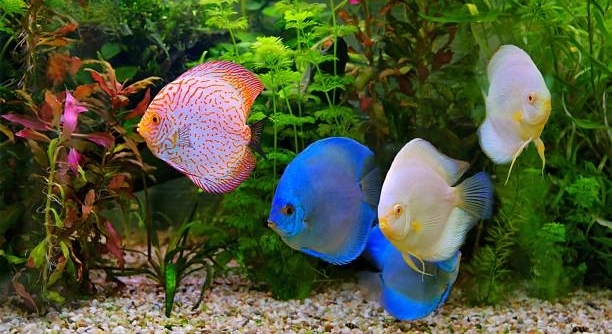
Discus fish require careful feeding to maintain their health and longevity. Their dietary needs must be met consistently to support their vibrant colors and active behavior. Proper feeding habits can make a significant difference in their lifespan.
Consistent feeding schedules and a varied diet rich in high-quality proteins and nutrients are essential for promoting discus longevity. Overfeeding or poor food quality can lead to health issues, while balanced nutrition supports growth, immunity, and overall vitality.
These feeding habits create a foundation for keeping discus fish healthy and thriving over time. Understanding them will help you provide the best care possible for your aquarium companions.
Feed Small Amounts More Often
Feeding discus small portions multiple times a day helps maintain water quality and prevents overfeeding. Large meals can overwhelm their digestive system and cause leftover food to decay, leading to poor water conditions. Offering smaller meals allows the fish to consume food fully, reducing waste and the risk of obesity. Frequent feeding also mimics their natural feeding behavior, keeping them active and healthy. Monitoring how much they eat each time helps adjust feeding amounts to avoid overfeeding or starvation. This approach ensures the fish receive steady nutrition throughout the day without stressing the tank environment. Keeping the water clean is essential because discus are sensitive to poor water quality, which can shorten their lifespan. Consistent, smaller feedings are a key practice in maintaining a healthy tank and a thriving discus population.
Small, frequent feedings help keep discus healthy and the tank clean. It prevents waste buildup and supports proper digestion.
This feeding method supports better growth and maintains water quality. It also helps in reducing diseases linked to poor water conditions, which can affect discus longevity. Careful observation during feeding times ensures that each fish gets enough food without excess. This routine is especially important for younger or weaker fish that need steady nutrition. Adjusting portion sizes over time is necessary as discus grow or change activity levels. Small meals given several times daily make it easier to manage their diet effectively, promoting longer life and vibrant health.
Use a Balanced Diet
A balanced diet is vital for discus fish to receive all necessary nutrients. They require a mix of protein, vitamins, and minerals to maintain their vibrant colors and strong immune systems. Relying on just one type of food can cause deficiencies and weaken the fish over time. A combination of frozen, live, and high-quality pellet foods works best. Include foods like bloodworms, brine shrimp, and specially formulated discus pellets. Vegetables like spinach or peas can provide extra vitamins. Varying the diet prevents boredom and encourages better feeding response. A balanced diet also supports reproduction and growth, especially in young or breeding discus.
Feeding a varied and balanced diet improves discus health and supports immune function.
Ensuring discus receive proper nutrition reduces disease risks and improves overall vitality. A steady supply of essential nutrients helps maintain their strength and coloration. Including a mix of natural and commercial foods allows for a comprehensive nutrient profile. Rotating different foods also lowers the chance of digestive issues from repetitive feeding. Watching how discus respond to different foods helps in fine-tuning their diet. Proper diet management is a fundamental part of discus care that directly influences their longevity and well-being.
Monitor Water Quality Closely
Maintaining clean water is crucial for discus health. Feeding habits directly impact water quality because uneaten food can pollute the tank quickly. Regular water testing helps catch problems early and keeps the environment stable for discus.
Uneaten food breaks down, increasing ammonia and nitrite levels, which are harmful to discus. Frequent small feedings reduce leftover food but monitoring water parameters is still necessary. Performing partial water changes and using efficient filtration supports a healthy tank. Keeping the water clean reduces stress on discus and lowers disease risk. Regular checks allow timely intervention if water quality declines, protecting discus longevity. A well-maintained tank supports feeding routines and overall fish health.
Proper feeding and water care work together to keep discus safe. Observing water conditions closely allows adjustments before issues develop. A stable environment encourages discus to feed normally and absorb nutrients efficiently. It also reduces harmful bacteria and parasites that can thrive in dirty water. Clean water promotes better immune response and growth, making feeding efforts more effective. Keeping water quality in check ensures the benefits of good feeding habits are fully realized, helping discus live longer.
Avoid Overfeeding
Overfeeding is a common mistake that harms discus fish. Excess food increases waste, polluting the water and causing health problems. Feeding only what discus can eat within a few minutes helps prevent this issue.
Overfeeding can lead to obesity and digestive issues in discus. It also encourages bacterial growth and reduces oxygen levels in the tank. These conditions weaken discus and shorten their lifespan. By offering controlled portions and observing how much they consume, overfeeding is avoided. Keeping feeding sessions short ensures all food is eaten, maintaining water quality and fish health.
Limiting food intake helps discus stay active and healthy. Monitoring feeding amounts regularly prevents the negative effects of excess food. This simple practice supports a stable tank environment and reduces the need for frequent water changes. Discus benefit from balanced nutrition without extra calories. Avoiding overfeeding reduces stress on their digestive system and lowers disease risk. Managing feeding carefully is an important step in promoting discus longevity and overall well-being.
Use High-Quality Food
Choosing high-quality food makes a big difference in discus health. Low-quality food often lacks essential nutrients and can contain fillers that harm water quality. Investing in good food supports their growth and immunity.
High-quality food is usually rich in protein and free from harmful additives. It helps discus maintain their vibrant colors and strong bodies. Feeding premium food regularly ensures discus get the nutrients they need without unnecessary waste.
Remove Uneaten Food Quickly
Removing leftover food after feeding prevents water pollution. Uneaten food decomposes and releases harmful chemicals that stress discus and damage water quality. Prompt cleanup keeps the tank environment healthy.
Rotate Protein Sources
Offering different protein types helps discus get a balanced diet. Rotating foods like bloodworms, brine shrimp, and pellets avoids nutritional gaps and supports digestion. Variety also keeps discus interested in their meals.
How often should I feed my discus?
Feeding discus two to three times a day works well for most owners. Smaller meals given more frequently help maintain water quality and reduce stress on their digestive systems. Avoid feeding once a day with large amounts, as this can cause leftover food and pollute the tank. Watch your fish to see how much they eat within five minutes and adjust portions accordingly. Younger or more active discus might require slightly more frequent feedings.
What types of food are best for discus longevity?
A varied diet including high-quality pellets, frozen bloodworms, brine shrimp, and occasional vegetables is best. High-protein foods support growth and immune function, while vegetables provide essential vitamins. Avoid cheap or low-quality flakes that contain fillers and little nutrition. Rotating between live, frozen, and prepared foods helps ensure discus get a balanced diet, which contributes to longer life and better health.
Can overfeeding cause diseases in discus?
Yes, overfeeding is a major factor in common discus health problems. Excess food breaks down, causing ammonia and nitrite spikes in the water. These toxins weaken the immune system and increase vulnerability to infections. Overfeeding can also lead to obesity and digestive problems, both of which shorten discus lifespan. Feeding controlled portions and removing uneaten food reduces these risks.
Is it necessary to fast discus occasionally?
Fasting discus once a week or every two weeks can help clear their digestive systems and reduce waste buildup in the tank. It is not harmful and may improve overall digestion. However, fasting should be done carefully and not for long periods, especially with young or breeding fish. Watch your discus closely for any signs of stress during fasting days.
How important is water quality in relation to feeding?
Water quality is directly impacted by feeding habits. Uneaten food and excess waste increase harmful compounds like ammonia and nitrites, which stress discus. Clean water supports nutrient absorption and immune health. Frequent water testing and regular changes, combined with proper feeding amounts, are critical for maintaining a healthy environment and promoting longevity.
Should I change feeding routines as discus grow?
Yes, discus have different nutritional needs as they mature. Young discus require more protein and frequent feeding for growth. Adult discus need balanced diets with adequate protein but less frequent feeding to avoid obesity. Adjusting portion sizes and food types over time ensures discus get the right nutrients at every life stage.
Are frozen foods better than live foods?
Both frozen and live foods have benefits. Frozen foods like bloodworms and brine shrimp are convenient, safe, and nutrient-rich. Live foods can stimulate natural hunting behavior and improve activity. However, live foods can carry parasites or bacteria if not sourced carefully. A combination of both types provides variety and supports discus health.
What role do vitamins and supplements play in discus feeding?
Supplements can help fill nutritional gaps, especially if the diet is limited. Vitamins A, C, and E are important for immune function and color vibrancy. Some discus owners add supplements to food or water, but overuse should be avoided. A varied and balanced diet reduces the need for extra vitamins, but supplements may be helpful in certain cases or during illness.
How do I know if my discus is getting enough food?
Healthy discus are active, show bright colors, and grow steadily. They will eagerly accept food but stop eating when full. Watch their behavior during feeding—if some fish consistently miss meals, adjust portions or feeding method. Uneaten food and poor water quality may indicate overfeeding, while skinny or inactive fish may need more nutrition.
Can poor feeding habits affect discus breeding?
Yes, feeding directly impacts discus reproduction. Proper nutrition supports egg development, spawning behavior, and fry survival. Inadequate or unbalanced diets can reduce breeding success and weaken parents. Feeding high-quality protein and vitamins during breeding seasons improves outcomes and helps ensure healthy offspring.
What is the best way to introduce new foods to discus?
Introduce new foods gradually to avoid digestive upset. Mix small amounts of the new food with familiar options over several days. Observe how discus react and adjust if any show signs of stress or refusal. Gradual change helps discus adapt and accept varied diets, supporting better nutrition and longevity.
Feeding discus fish correctly is essential to their health and longevity. Careful attention to what and how much you feed them can prevent many common problems that discus owners face. Small, frequent meals using high-quality food provide balanced nutrition while helping keep the tank clean. Overfeeding or poor food choices can quickly lead to water pollution, which stresses the fish and shortens their lifespan. Maintaining a consistent feeding schedule and adjusting portions based on their size and activity level helps discus grow strong and stay vibrant.
In addition to diet, maintaining good water quality plays a critical role in discus care. Uneaten food and waste can rapidly degrade water conditions, which negatively affects discus health. Regular water testing, partial water changes, and efficient filtration are necessary to keep the tank environment stable. Clean water supports proper digestion and immune function, allowing discus to better utilize the nutrients they receive. Feeding habits and water care work together closely, so attention to both is needed for the best results.
Feeding discus is a balancing act that involves monitoring their needs and the tank environment carefully. Offering a variety of foods, removing uneaten leftovers, and avoiding overfeeding contribute to longer, healthier lives for these fish. Paying attention to changes in behavior or appetite can help catch issues early. Taking the time to learn and follow proper feeding habits not only improves discus longevity but also enhances their appearance and activity. These efforts create a rewarding experience for anyone who keeps discus as pets.

Hello,
If you enjoy the content that we create, please consider saying a "Thank You!" by leaving a tip.
Every little bit helps us continue crafting quality advice that supports the health, happiness, and well-being of pets around the world, for pets of all shapes, sizes, and species.
We really appreciate the kindness and support that you show us!