
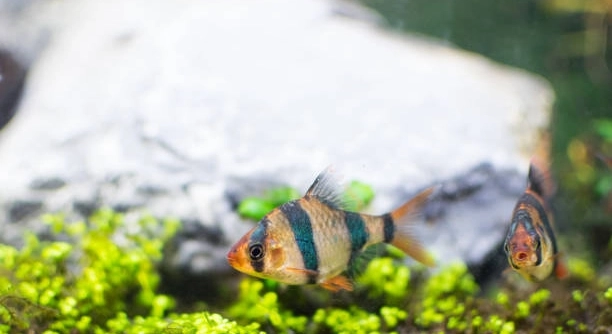
Feeding habits play an important role in the health and behavior of animals, especially when it comes to their grooming and self-care routines. Stronger barbs can indicate better well-being and comfort. Paying attention to diet can improve these natural behaviors.
Proper nutrition supports the development and maintenance of healthy barbs by providing essential nutrients that strengthen hair follicles and reduce breakage. Consistent feeding habits enhance overall skin condition, which directly impacts the quality and durability of the barbs.
Learning about these feeding habits can help improve care strategies. The following tips focus on building stronger barbs through dietary adjustments and understanding animal needs.
Consistent Feeding Schedule
Maintaining a consistent feeding schedule is essential for the health of animals with barbs. Regular feeding times help regulate their metabolism and reduce stress, which can impact the condition of their barbs. Animals tend to develop better grooming habits when their basic needs, like food, are predictable. Skipping meals or erratic feeding patterns may cause weakness or poor feather and hair growth. This can lead to barbs becoming brittle or uneven. A well-established routine also supports digestion and nutrient absorption, allowing the body to efficiently use the nutrients necessary for strong barbs. Additionally, consistency in feeding helps owners monitor changes in appetite or health issues early. Setting specific times for feeding and sticking to them creates stability for the animal, which reflects positively on their external appearance.
Regular meals improve the animal’s ability to maintain healthy barbs and overall well-being.
Balanced feeding times strengthen natural grooming and support hair and skin health.
Nutrient-Rich Diet
Providing a nutrient-rich diet is critical for building stronger barbs. Key nutrients like protein, vitamins A and E, and essential fatty acids contribute to the growth and resilience of hair structures. Proteins form the basic building blocks of keratin, which makes up barbs, while vitamins support skin repair and reduce inflammation. Including fresh vegetables, fruits, and quality protein sources helps cover these needs. Supplementing the diet with omega-3 and omega-6 fatty acids ensures moisture retention and shine. However, nutrient balance is important—too much or too little of certain vitamins can cause damage or deficiencies. Monitoring diet variety allows for better nutrient absorption and prevents repetitive feeding that could miss critical components. A diet tailored to the specific animal’s needs ensures strong, healthy barbs and improves resistance against damage from environmental factors. Adjustments may be necessary based on age, activity, and health status.
Hydration and Moisture
Keeping animals well-hydrated is key for maintaining strong barbs. Water supports healthy skin and prevents dryness that can lead to brittle barbs.
Proper hydration allows nutrients to circulate effectively and keeps skin cells healthy. Dehydration causes skin to become flaky and weak, which directly affects the barbs’ condition. Animals should always have access to fresh, clean water. In some cases, offering moisture-rich foods can also help maintain hydration levels. For species prone to dry skin, extra attention to water intake is especially important. Consistent hydration supports overall health and improves the resilience of barbs against wear and tear.
Moisturizing the skin through diet or environment reduces breakage. Hydration is a simple but vital factor in barb strength.
Avoiding Nutrient Deficiencies
Ensuring a balanced intake of essential vitamins and minerals prevents nutrient deficiencies that weaken barbs. Lack of these nutrients can cause slow growth and poor barb quality.
Nutrient deficiencies often show early signs in hair and skin health. Vitamins like A, D, and E are crucial, alongside minerals such as zinc and biotin. Regularly evaluating the diet and supplementing when necessary can prevent deficiencies. Animals with restricted diets or special needs might require additional support to meet all nutritional requirements. Paying attention to feeding habits and variety can identify gaps before serious problems arise. Deficiency prevention is a proactive step toward maintaining strong, healthy barbs.
Addressing nutrient gaps maintains the natural strength and appearance of barbs. It is essential for long-term health.
Avoid Overfeeding
Overfeeding can lead to obesity and poor nutrient absorption, which negatively affect barb strength. Moderation is key to maintaining a healthy balance.
Excess food intake may cause digestive issues and nutrient imbalances. Feeding the right portions supports overall health and the growth of strong barbs.
Quality Protein Sources
High-quality protein is essential for barb formation because it supplies amino acids needed for keratin production. Protein supports repair and growth, strengthening the barbs over time.
Including lean meats, eggs, or plant-based proteins appropriate for the animal ensures they receive necessary building blocks. Protein variety prevents deficiencies and promotes healthy barb development.
Minimize Stress
Stress can weaken the immune system and reduce nutrient absorption, leading to fragile barbs. A calm environment helps maintain their strength and appearance.
FAQ
What are the most important nutrients for strong barbs?
Protein is the foundation for strong barbs, as it provides amino acids that build keratin. Vitamins A and E support skin health and repair, while essential fatty acids like omega-3 and omega-6 help maintain moisture and flexibility. Minerals such as zinc and biotin also play key roles in keeping barbs resilient.
How often should I feed my animal to promote barb health?
A consistent feeding schedule is best. Feeding at the same times each day helps regulate metabolism and digestion, which supports nutrient absorption. Avoid skipping meals or erratic feeding times, as these can cause stress and weaken barb growth.
Can hydration really affect the strength of barbs?
Yes, hydration is critical. Water keeps the skin healthy and prevents dryness, which can cause barbs to become brittle and break easily. Animals should have constant access to fresh water, and moisture-rich foods can help improve hydration.
Is it possible to overfeed and harm barb health?
Overfeeding can cause obesity and digestive problems that interfere with nutrient absorption. Excess food may lead to nutrient imbalances, which affect the quality of barbs. Feeding moderate, balanced portions supports both overall health and barb strength.
What role does stress play in barb condition?
Stress weakens the immune system and reduces nutrient absorption, leading to fragile barbs. Creating a calm, stable environment helps the animal maintain healthy barbs and promotes natural grooming behaviors.
Should I use supplements to improve barb strength?
Supplements can be helpful if the diet lacks specific nutrients. However, it’s important to avoid excessive supplementation, as too much of certain vitamins or minerals can cause damage. Consult a vet or specialist before adding supplements to the diet.
How long does it take to see improvements in barb strength after changing feeding habits?
Changes in barb strength can take several weeks to months to become noticeable, depending on the animal’s health and age. Consistency in diet and hydration is important, as barb growth follows natural cycles that require time.
Can environmental factors affect barb health despite good feeding habits?
Yes, factors like humidity, temperature, and grooming routines impact barb condition. Even with proper nutrition, poor environmental conditions can lead to dryness or damage. A balanced approach combining diet and environment care is necessary.
What signs indicate poor barb health?
Signs include brittle, broken, or uneven barbs, as well as dry or flaky skin. Loss of shine and thinning barbs may also indicate nutrient deficiencies or health issues. Early detection allows for timely adjustments in care.
Are certain foods better for barb health than others?
Fresh vegetables, quality proteins, and foods rich in omega fatty acids are beneficial. Avoid processed or low-nutrient foods that offer little support for hair and skin health. Variety ensures all necessary nutrients are covered.
Maintaining strong barbs is an important part of caring for animals that rely on them for grooming and protection. Feeding habits play a major role in supporting the health of these barbs. A balanced diet with the right nutrients provides the foundation for strong, resilient barbs. Proteins, vitamins, and essential fatty acids are all necessary for growth and repair. Without proper nutrition, barbs can become weak, brittle, or uneven, which affects the animal’s overall well-being. It is important to keep feeding consistent and avoid overfeeding to help maintain a healthy balance. Hydration also supports the skin and barb condition, preventing dryness and breakage.
Creating a feeding routine that meets the animal’s specific nutritional needs helps support healthy barb development over time. Animals that receive a variety of quality foods tend to have stronger barbs and better skin condition. Monitoring the diet regularly and making adjustments when needed is important, especially if there are changes in the animal’s age, health, or activity level. Avoiding nutrient deficiencies by providing a balanced mix of vitamins and minerals helps maintain barb strength. In some cases, supplementation may be necessary, but it should be done carefully and under guidance. Overall, good feeding habits work alongside a calm environment and proper hydration to improve barb health.
It is also useful to watch for signs that indicate barb problems early. Brittle or broken barbs, dry skin, and uneven growth can all signal a need to review feeding and care routines. Small changes can often make a big difference when it comes to strengthening barbs. Maintaining a consistent, nutritious feeding schedule helps ensure that the animal’s barbs stay healthy and strong for the long term. Feeding habits are just one part of the care routine, but they are a foundation that affects many other aspects of the animal’s health. Careful attention to diet and hydration creates the best conditions for barbs to grow and stay resilient.

Hello,
If you enjoy the content that we create, please consider saying a "Thank You!" by leaving a tip.
Every little bit helps us continue crafting quality advice that supports the health, happiness, and well-being of pets around the world, for pets of all shapes, sizes, and species.
We really appreciate the kindness and support that you show us!