
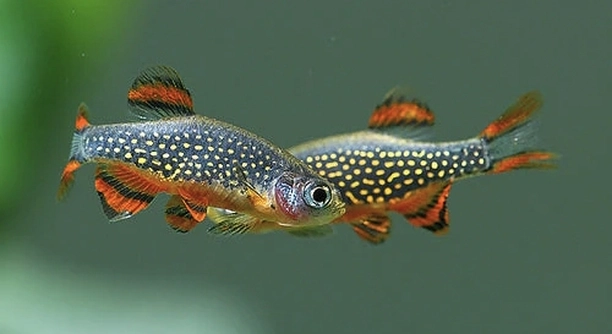
Do you ever notice your danios swimming energetically and wonder what keeps them so lively? Feeding habits play a key role in their health, growth, and overall behavior in your home aquarium. Small changes can make a big difference.
Proper feeding routines for danios involve offering varied, nutrient-rich foods in controlled portions. Consistent schedules, combined with balanced protein, vegetable, and occasional live food, support digestion, vibrant coloration, growth, and immunity, ensuring optimal long-term health for these small tropical fish.
Maintaining healthy feeding habits requires attention to detail, but it can transform your danios’ vitality and behavior in ways you will quickly notice.
Consistent Feeding Schedule
Keeping a consistent feeding schedule is crucial for danios’ health. Feeding at the same times each day helps regulate their metabolism and reduces stress. Overfeeding can lead to water quality issues, while underfeeding may cause malnutrition and lethargy. I usually feed my danios twice a day, providing small portions that they can finish in a few minutes. This prevents leftover food from decomposing and harming the tank environment. Watching them respond eagerly at feeding times is a clear sign that they are thriving.
A steady routine strengthens their immune system and encourages natural behavior, keeping them active and healthy.
Establishing a feeding schedule also makes it easier to monitor their health. If a danio suddenly refuses food, it can be an early sign of illness. Scheduling feedings consistently allows for better observation of their appetite and overall activity levels. This consistency reduces stress and promotes stable water parameters, which are essential for their delicate physiology. Small, frequent feedings prevent bloating and improve digestion. Pairing this with tank maintenance ensures your danios remain energetic, vibrant, and less prone to disease over time.
Balanced Diet Variety
A balanced diet provides essential nutrients needed for growth, coloration, and energy.
Including a variety of foods, such as flakes, pellets, and occasional live or frozen items, ensures they receive protein, vitamins, and minerals. Rotating food types prevents deficiencies and keeps the fish engaged during feeding. Vegetables like blanched spinach or peas can support digestion, while small live foods enhance natural hunting instincts. Paying attention to ingredient quality is also important, as low-quality options can cause bloating or digestive issues. Combining dry and live foods supports optimal health and prevents boredom.
Feeding a balanced diet means observing how your danios respond to different foods. Some may prefer flakes over pellets, while others may show more interest in live options. Paying attention to these preferences allows you to adjust portions accordingly. Overfeeding any single food type can cause health issues, so rotating foods weekly helps maintain nutrient balance. Supplementing occasional treats like brine shrimp or daphnia adds protein without overwhelming their system. Vegetables provide fiber, preventing constipation and supporting digestive health. With this approach, danios display improved coloration, vitality, and overall resilience against stress and disease. Consistency and careful selection are key to achieving these results.
Avoid Overfeeding
Overfeeding can quickly harm danios, leading to poor water quality and digestive issues. Small, controlled portions help maintain a clean tank and healthy fish.
Excess food decomposes, increasing ammonia and nitrite levels, which stress danios and make them more susceptible to disease. Feeding only what they can consume in a few minutes prevents waste buildup. Observing their eating habits allows adjustments, ensuring each fish gets enough without overfeeding. I usually measure portions to keep it consistent and avoid guesswork, which has helped my danios remain active and free from bloating or sluggish behavior.
Maintaining portion control also improves digestion. Overfed fish may develop swim bladder problems or become lethargic. By feeding smaller amounts more frequently, the food is digested efficiently, reducing strain on their digestive system. This approach promotes natural activity, allowing them to swim energetically without discomfort. Combined with regular water testing and tank cleaning, controlled feeding supports a stable environment. Over time, this method results in healthier, more vibrant fish that show their colors clearly and maintain proper weight.
Observe and Adapt to Fish Behavior
Danios’ behavior can indicate dietary needs and overall health. Paying attention helps adjust feeding and prevent issues before they escalate.
Watching how your danios eat and interact can reveal preferences or potential health problems. Some may compete aggressively for food, while others eat slowly. Adjusting portions and types of food helps maintain harmony and ensures each fish gets adequate nutrition. I sometimes separate more timid fish temporarily to guarantee they eat without stress.
Behavior observation also guides long-term feeding strategies. If a fish refuses food, it may indicate illness or stress. Recognizing patterns, like sudden lethargy after feeding, can help identify water quality issues or dietary imbalance. Modifying feeding methods, such as introducing live food for stimulation or adjusting portion size, can improve both nutrition and engagement. Regular observation ensures the entire group receives balanced care, prevents overfeeding, and reduces the risk of malnutrition. This proactive approach keeps the aquarium environment stable and the fish lively, contributing to their long-term health and coloration.
Include Occasional Live Food
Offering live food occasionally provides danios with protein and encourages natural hunting instincts. It adds variety to their diet and keeps them active.
I usually give live brine shrimp or daphnia once or twice a week. Watching them chase the food adds enrichment and supports muscle development.
Monitor Water Quality During Feeding
Food affects water chemistry directly. Uneaten portions decompose, raising ammonia and nitrite levels, which stress danios and can trigger illness.
Maintaining water quality involves removing excess food promptly and performing regular partial water changes. Observing how much your fish eat and adjusting portions reduces waste. A clean tank ensures healthy growth, better coloration, and active behavior. Even small adjustments in feeding practices can make a noticeable difference in water clarity and overall fish health. Consistent monitoring combined with careful feeding supports a stable environment for your danios to thrive.
Feed Small Portions Frequently
Smaller, frequent meals prevent overfeeding and improve digestion.
This approach reduces bloating, supports metabolism, and keeps danios active throughout the day.
How often should I feed my danios?
Feeding danios twice a day is generally sufficient. Providing small portions in the morning and evening ensures they receive consistent nutrition without overloading the tank. I usually measure the food so it only takes a few minutes for them to eat. This prevents leftovers from decomposing and keeps water parameters stable. Adjusting frequency slightly can help if your fish show high energy levels or if there are signs of slow growth. Observing how quickly they consume each portion is the best guide to maintaining a proper feeding schedule.
What types of food are best for danios?
A combination of high-quality flakes, pellets, and occasional live or frozen foods is ideal. Flakes and pellets provide essential vitamins and minerals, while live foods like brine shrimp or daphnia support protein intake and stimulate natural hunting behavior. I also include blanched vegetables such as peas or spinach to improve digestion. Rotating foods prevents dietary deficiencies and keeps the fish interested. Paying attention to ingredients and avoiding fillers helps maintain optimal health, proper growth, and vibrant coloration. Variety is key, but moderation ensures digestive balance and avoids water quality issues.
Can overfeeding harm my danios?
Yes, overfeeding is one of the most common mistakes in danio care. Excess food decomposes, increasing ammonia and nitrite levels in the tank, which can stress or even poison the fish. Overfed fish may also develop digestive problems, swim bladder issues, or lethargy. I have noticed that controlling portion size and feeding only what they can consume in a few minutes keeps them healthy and energetic. Feeding smaller amounts more frequently rather than large portions helps digestion and reduces waste, leading to a more stable aquarium environment.
How do I know if my danios are getting enough food?
Healthy, active behavior is the best indicator. Danios that are alert, swim actively, and display vibrant colors are usually well-fed. If some fish seem lethargic or fail to finish meals, they may need more food or adjusted portions. Observing eating habits daily allows quick adjustments, ensuring each fish receives adequate nutrition. Measuring portions and gradually changing amounts based on appetite helps maintain balance. I also monitor tank waste to avoid overfeeding. Proper observation ensures their growth, coloration, and overall health remain optimal.
Is it necessary to include live food in their diet?
Including live food is not mandatory but highly beneficial. Live food provides additional protein and stimulates natural hunting behaviors, which improves muscle tone and activity levels. I feed live brine shrimp or daphnia once or twice a week to supplement their regular flakes and pellets. Occasional live food also adds variety, preventing boredom and supporting overall well-being. Combining live, frozen, and dry foods ensures a balanced diet while avoiding overfeeding and digestive stress. Observing their interest in live food can help determine how often it should be offered.
Should I feed my danios vegetables?
Yes, vegetables like blanched peas or spinach aid digestion and prevent constipation. Fiber-rich foods improve gut health and reduce bloating. I prepare small pieces to make them easy to consume. Including vegetables a few times a week complements protein-based foods and supports a balanced diet. Regular incorporation of vegetables encourages natural feeding behaviors and promotes overall vitality. Observing their response helps determine frequency and portion size, ensuring the diet remains both nutritious and engaging.
What signs indicate overfeeding or underfeeding?
Overfed danios may appear bloated, sluggish, or disinterested in swimming. Uneaten food accumulating in the tank also signals excess feeding. Underfed fish may be thin, pale, or overly aggressive during mealtimes. Watching behavior, appetite, and body condition allows quick adjustments in portion size. I pay close attention to these signs daily, which helps maintain optimal feeding practices. Ensuring the right balance supports growth, energy, and long-term health, keeping the aquarium environment stable and clean.
How do feeding habits affect water quality?
Feeding directly impacts water chemistry. Uneaten food decomposes, increasing ammonia, nitrites, and nitrates, which can stress danios and lead to disease. Measuring portions, removing leftovers, and performing regular water changes keeps the tank stable. I find that careful feeding combined with observation of water parameters prevents spikes in harmful compounds and supports the overall health of the fish. Balanced feeding reduces the frequency of major water problems and keeps the aquarium clean, clear, and safe.
Can feeding routines improve danio coloration?
Yes, proper nutrition directly influences vibrant colors. Protein-rich foods and nutrients such as carotenoids enhance pigmentation. I rotate foods to include high-quality flakes, pellets, and occasional live items to maintain bright, consistent coloration. Malnutrition or monotone diets can dull their colors, while balanced feeding supports natural hues and overall vitality. Consistent feeding habits also encourage active behavior, which further contributes to a lively and visually appealing aquarium.
What adjustments are needed for young or growing danios?
Young danios require smaller, more frequent meals to support rapid growth. Protein-rich foods help muscle development, while controlled portions prevent digestive issues. I feed fry several times daily in small quantities. Observing their growth and activity allows for gradual adjustments in food type and amount. Ensuring proper nutrition during early stages supports healthy development, strengthens immunity, and sets the foundation for long-term health. Consistent monitoring is essential to meet their evolving dietary needs.
How important is observation during feeding?
Observation is critical for adjusting diet and detecting health issues early. Watching how your danios eat helps identify slow feeders, illness, or stress. I monitor behavior during every feeding to ensure each fish receives enough food without overfeeding. Quick responses to changes in appetite or activity prevent potential problems and maintain balanced nutrition. Regular observation ensures proper growth, coloration, and a stable aquarium environment, supporting the overall health and longevity of your danios.
What is the best way to combine different food types?
Combining flakes, pellets, live, and vegetables provides a balanced diet. I usually feed flakes or pellets daily, add vegetables a few times a week, and supplement with live or frozen food occasionally. Rotating types prevents deficiencies and keeps feeding interesting. Observing preferences and adjusting portions ensures all danios receive adequate nutrition. Proper combination also reduces digestive stress, promotes natural behavior, and supports immune function, leading to healthier and more active fish overall.
Can feeding routines prevent disease?
Yes, proper feeding reduces stress, supports immunity, and prevents digestive issues that often lead to illness. Balanced portions and nutrient-rich foods strengthen resistance to common infections. I combine controlled feeding with water maintenance to maintain optimal health. Avoiding overfeeding and monitoring fish behavior ensures that disease risks remain minimal. Consistency in both diet and feeding schedule is key to keeping danios healthy and active.
How long should I wait before changing food types?
Gradual introduction is best. Switching foods too quickly can cause digestive upset. I usually mix a new food type with the old one for several days, slowly increasing the new portion. This allows their digestive system to adjust while maintaining overall nutrition. Observing appetite and behavior during this period ensures the change is well-tolerated. Consistent, gradual transitions prevent stress and keep the feeding routine stable.
What role does portion size play in danio health?
Portion size directly affects digestion, growth, and water quality. Small, measured portions prevent overfeeding, reduce waste, and minimize digestive problems. I measure food carefully for each feeding, adjusting based on appetite and behavior. Balanced portions ensure adequate nutrition while maintaining a clean, healthy tank environment. Observing intake allows ongoing adjustments to support vitality, activity, and overall well-being. Proper portion control is essential for long-term health and consistent coloration.
How do seasonal changes affect feeding?
Danios may eat more actively during warmer months and slower during cooler periods. Adjusting portion sizes based on activity levels prevents overfeeding or underfeeding. I monitor their behavior and metabolism to adapt feeding amounts accordingly. Seasonal adjustments support consistent growth, energy, and digestion, maintaining overall health year-round.
Are there any foods to avoid for danios?
Avoid low-quality, heavily processed foods, as they may contain fillers that harm digestion and reduce nutrient intake. Foods with artificial coloring or preservatives can stress their system. I focus on high-quality flakes, pellets, and occasional natural supplements. Careful selection supports proper growth, immune function, and coloration while minimizing digestive issues and maintaining water quality.
How do I handle picky eaters?
Picky eaters may need varied foods or temporary separation to ensure proper intake. I observe which fish are slower or hesitant and offer smaller portions in a calm environment. Sometimes mixing live food with flakes encourages reluctant eaters. Regular monitoring and adjustment prevent malnutrition and keep all danios healthy, active, and engaged.
What is the ideal feeding routine for a community tank?
In community tanks, observe different species’ appetites and feeding speeds. Feed small portions multiple times daily, ensuring slower fish receive adequate nutrition without overfeeding the more aggressive ones. I sometimes separate timid danios during feeding or offer food in multiple locations. Proper routine maintains harmony, reduces competition, and ensures balanced nutrition for all inhabitants.
Can feeding habits influence behavior outside feeding times?
Yes, well-fed danios display natural swimming patterns, playful activity, and social interaction. Overfeeding can cause lethargy, while underfeeding may lead to aggression or stress. I notice that consistent, balanced feeding supports calm and active behavior throughout the day. Proper habits contribute to overall vitality and tank harmony.
How important is variety in a danio diet?
Variety prevents nutritional deficiencies and keeps feeding engaging. I rotate between flakes, pellets, live food, and vegetables regularly. Providing different textures and nutrients promotes digestion, supports coloration, and encourages natural behavior. Observing their response to each type ensures they benefit fully from a diverse, balanced diet.
How long can danios go without food safely?
Adult danios can survive a short period without food, usually one to two days, but this should be rare. Extended fasting can stress them and weaken immunity. I avoid skipping meals except during cleaning or emergencies, ensuring consistent nutrition to maintain growth, energy, and overall health.
What common mistakes should be avoided during feeding?
Overfeeding, irregular schedules, ignoring slow feeders, and using low-quality foods are common mistakes. I ensure measured portions, consistent routines, and a mix of food types. Removing uneaten food promptly protects water quality. Avoiding these errors maintains proper growth, digestion, coloration, and general vitality. Consistency and observation are key to success.
How do I transition danios to new food?
Gradually mix the new food with their current diet over several days, increasing the new portion while monitoring behavior. Sudden changes can cause digestive upset. I also observe appetite and swimming patterns to ensure adaptation. A slow transition maintains nutrition and minimizes stress, keeping danios healthy and active.
Can feeding schedules improve tank harmony?
Yes, structured schedules reduce competition and aggression during mealtime. I feed small, measured portions at consistent times and in multiple locations. This ensures all fish get adequate nutrition, maintains peace, and reduces stress. Predictable routines support natural behavior, activity, and long-term health for every danio in the aquarium.
What role does fiber play in a danio diet?
Fiber aids digestion and prevents constipation. I offer blanched vegetables like peas or spinach a few times a week. Adequate fiber supports gut health, reduces bloating, and promotes efficient nutrient absorption. Combined with protein and vitamins, fiber contributes to overall vitality, energy, and longevity.
How can I tell if my danios prefer certain foods?
Observation is key. Fish that eagerly chase and consume one type of food first indicate preference. I monitor feeding response and adjust portions to ensure all fish are well-fed. Preferences guide rotation of foods, ensuring both satisfaction and balanced nutrition. Observing behavior helps maintain vitality and engagement during feedings.
How does age affect feeding requirements?
Younger danios need more frequent, protein-rich meals to support growth, while adults require smaller, regular portions. I adjust feeding amounts based on size, activity, and growth rate. Age-appropriate feeding ensures proper development, energy, and overall health, preventing digestive stress or nutrient deficiencies.
What is the safest way to introduce treats?
Introduce treats slowly and in small amounts. Live foods or frozen items should supplement the regular diet, not replace it. I observe how each fish responds and adjust frequency. Treats support enrichment, natural behavior, and dietary variety without risking overfeeding or digestive issues.
How do feeding habits influence longevity?
Balanced, consistent feeding reduces stress, prevents disease, and supports growth, contributing to longer life spans. I focus on proper portions, varied foods, and careful observation. Well-fed danios remain active, resilient, and healthy throughout their lifespan, showing strong coloration and natural behavior.
How important is timing for feeding?
Timing affects metabolism and digestion. I feed my danios at consistent times daily, ensuring they anticipate meals and maintain routine activity. Consistent timing reduces stress, promotes stable growth, and improves overall health. Irregular schedules can cause overeating or missed nutrition, impacting vitality and tank stability.
Can feeding habits reduce aggression?
Yes, controlled portions and multiple feeding locations minimize competition. I ensure slow feeders get their share by observing behavior. Predictable schedules and balanced diets reduce stress, supporting peaceful interactions. Proper feeding habits maintain harmony in the aquarium, benefiting all inhabitants.
How do I prevent digestive issues through feeding?
Feed small portions, include fiber from vegetables, and rotate food types. Avoid low-quality or overprocessed foods. I watch for bloating or lethargy and adjust diet accordingly. Preventing digestive problems supports overall health, coloration, and energy, ensuring the fish thrive in a clean, stable tank environment.
What is the role of protein in danio diets?
Protein supports growth, muscle development, and immune function. I include high-quality flakes, pellets, and occasional live food. Adequate protein enhances coloration, energy levels, and activity. Balanced protein intake prevents malnutrition while supporting long-term health and vitality.
How can I encourage shy danios to eat?
Temporarily separate timid fish or feed in multiple locations. Mixing live food with flakes can stimulate interest. I monitor each fish to ensure they receive enough nutrition. Encouraging shy fish prevents malnutrition, promotes growth, and maintains overall tank balance.
Are there any seasonal feeding tips?
Warmer months increase activity and appetite; cooler periods may slow metabolism. I adjust portion sizes accordingly, monitoring behavior. Seasonal adjustments support consistent growth, energy, and digestive health, maintaining overall well-being year-round.
How do I maintain consistency during vacations?
Automatic feeders or careful planning with measured portions ensure continued feeding. I prepare the tank in advance to avoid overfeeding or missed meals. Maintaining consistency reduces stress, supports digestion, and keeps water quality stable, preventing health issues.
How does feeding impact stress levels?
Regular, balanced feeding reduces stress by providing predictable nutrition. Overfeeding, underfeeding, or irregular schedules can increase aggression, lethargy, or vulnerability to disease. I maintain measured portions and consistent routines to keep danios calm, active, and healthy.
What is the impact of poor-quality food?
Low-quality food can lead to digestive issues, nutrient deficiencies, and reduced coloration. I choose high-quality flakes, pellets, and occasional live foods. Proper selection supports growth, immunity, and vitality, reducing the risk of disease and maintaining overall health.
How do I balance feeding in a multi-species tank?
Feed small portions multiple times daily, observing species-specific eating habits. I ensure slower feeders receive adequate nutrition and use multiple feeding locations. Balanced feeding prevents competition, promotes growth, and maintains harmony among all fish.
How can I prevent picky eating habits?
Introduce a variety of foods gradually and observe preferences. I combine dry, live, and vegetable options to ensure balanced nutrition. Preventing picky habits supports overall health, proper growth, and active behavior. Consistent monitoring ensures no fish is left underfed.
What should I do if a danio refuses food?
Check water quality, observe behavior, and try alternative foods. I may offer live food or smaller portions to encourage eating. Refusal can indicate stress, illness, or dietary preference, and careful monitoring ensures the fish receives proper nutrition while maintaining tank health.
How important is portion measurement?
Precise measurement prevents overfeeding, digestive issues, and water pollution. I measure food carefully for each feeding and adjust based on appetite and growth. Proper portion control maintains health, coloration, and tank stability while reducing waste.
Can feeding influence reproduction?
Balanced, protein-rich diets improve breeding readiness and egg quality. I provide live or frozen foods to stimulate activity and fertility. Proper feeding supports mating behavior, healthy fry, and overall reproductive success in danios.
What is the safest way to introduce new tank mates in relation to feeding?
Feed separately or in multiple locations to prevent competition. I observe behavior to ensure all fish eat adequately. Gradual integration avoids stress, aggression, and malnutrition, maintaining harmony and health during transitions.
How do I prevent water contamination from feeding?
Remove uneaten food promptly, provide small portions, and maintain regular tank cleaning. I monitor feeding carefully to minimize debris. Proper practices protect water quality, prevent stress, and support digestion and overall health of the fish.
How often should live food be offered?
Once or twice a week is sufficient. I use live brine shrimp or daphnia to supplement daily dry foods. Occasional live food provides protein, encourages natural behavior, and prevents overfeeding while supporting balanced nutrition.
What signs indicate digestive problems from feeding?
Bloating, lethargy, or floating near the surface may indicate digestive issues. I adjust portion size, introduce fiber, and observe closely. Early detection prevents serious health problems and ensures the fish remain active and vibrant.
Can feeding routines help with coloration maintenance?
Yes, regular feeding with protein and nutrient-rich foods enhances pigmentation. I rotate flakes, pellets, live foods, and vegetables to maintain consistent coloration. Proper nutrition supports overall vitality, growth, and energy levels in danios.
What is the ideal portion size for adult danios?
Portions should be small enough to be consumed in 2–3 minutes. I measure food to prevent overfeeding and ensure digestion. Correct portioning reduces waste, supports health, and maintains water quality.
How do I manage feeding with aggressive eaters?
Feed smaller, separate portions in multiple locations. I sometimes isolate aggressive fish temporarily to allow timid ones to eat. This prevents malnutrition, reduces stress, and maintains tank harmony.
How can I tell if my danios are stressed from feeding practices?
Signs include aggression, hiding, lethargy, or refusal to eat. I adjust portion size, feeding frequency, or locations to reduce stress. Consistent observation ensures balanced nutrition and a calm, healthy tank environment.
How long should I monitor fish after changing diet?
Observe for 5–7 days to ensure adaptation, digestion, and appetite remain stable. I monitor behavior and body condition to confirm the change is successful. Gradual transitions prevent stress and digestive issues while maintaining overall health.
Can feeding frequency affect growth rates?
Yes, frequent, balanced meals support steady growth in young danios. I adjust portions and frequency based on age, size, and activity. Proper feeding ensures healthy development, optimal weight
Maintaining the health of your danios relies heavily on proper feeding habits. Consistent schedules, controlled portions, and a balanced diet are key elements that support their growth, immune system, and overall vitality. Overfeeding or irregular feeding can lead to digestive issues, poor water quality, and stress, all of which affect their behavior and appearance. Observing how your danios respond to food allows you to adjust portions and types to suit their needs. Small, frequent meals are preferable to large amounts at once, as they improve digestion and reduce the risk of bloating. Including a variety of foods such as high-quality flakes, pellets, occasional live foods, and blanched vegetables ensures they receive essential nutrients. Live foods like brine shrimp or daphnia not only provide protein but also stimulate natural hunting behaviors, which keeps them active and engaged. Fiber from vegetables supports digestion and helps prevent constipation, while a mixture of dry and live foods contributes to overall energy, coloration, and well-being. Monitoring their eating habits and body condition regularly is an effective way to detect potential health problems early.
The environment in which your danios live is just as important as the food you provide. Uneaten food can quickly decompose, leading to spikes in ammonia and nitrite levels, which can stress the fish and make them more susceptible to disease. Maintaining water quality through timely removal of leftovers and regular partial water changes is essential to a stable habitat. Feeding practices should be adjusted according to the size and age of the fish, as younger danios require more frequent, protein-rich meals, while adults benefit from smaller, measured portions. Observing behavior during feeding times provides valuable insight into each fish’s health. Picky or timid fish may need temporary separation to ensure they receive adequate nutrition. Structured feeding routines reduce competition and aggression in community tanks, ensuring all individuals get the food they need. Paying attention to appetite, swimming patterns, and overall activity allows you to make small adjustments to portions, frequency, or food type, which can have a significant impact on their long-term health.
Feeding is also closely linked to maintaining natural coloration and overall vitality. Nutrient-rich foods support pigment development, making danios appear more vibrant and active. Rotating foods and including live options prevents boredom and dietary deficiencies, promoting consistent energy levels throughout the day. Regular observation during feedings helps detect early signs of stress, illness, or digestive problems, allowing timely intervention. Gradual introduction of new foods prevents digestive upset and ensures all fish adjust properly. Balanced feeding routines, combined with careful monitoring of behavior and water quality, create an environment where danios can thrive, swim energetically, and display healthy coloration. By following these principles, feeding becomes more than just a routine—it becomes a central part of supporting the long-term health, behavior, and happiness of your fish in the aquarium. Proper attention to feeding ensures that your danios remain strong, resilient, and visually vibrant for years.

Hello,
If you enjoy the content that we create, please consider saying a "Thank You!" by leaving a tip.
Every little bit helps us continue crafting quality advice that supports the health, happiness, and well-being of pets around the world, for pets of all shapes, sizes, and species.
We really appreciate the kindness and support that you show us!