
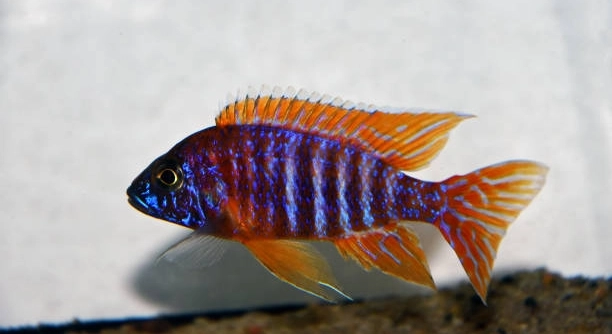
Newborn convict fry are small but active creatures that need proper care from the very start. Feeding them correctly is essential to help them grow healthy and strong during their first few critical weeks of life.
Newborn convict fry primarily feed on finely crushed flakes, powdered food, and infusoria during their early development. Providing small, frequent meals ensures optimal growth, reduces mortality, and promotes natural feeding behaviors that support healthy development in their initial stages.
Learning these feeding habits will help you create a stable environment for your fry. Proper nutrition during these first weeks can significantly impact their long-term health and growth.
Feeding Frequency of Newborn Convict Fry
Newborn convict fry need to be fed multiple times a day because their small bodies cannot store much energy. Initially, feeding them every two to three hours is ideal. At this stage, their digestive systems are still developing, and providing small, frequent meals ensures they absorb nutrients properly. Overfeeding can pollute the water, so careful portion control is necessary. Observing how much they eat in a few minutes will help adjust the amounts for each feeding. As they grow, the frequency can gradually be reduced, but regular meals remain important. Maintaining a consistent feeding schedule helps them establish strong eating patterns and supports healthy growth. Using a small pipette or a feeding spoon can make it easier to deliver the right portion. Fresh, high-quality food ensures fry develop immunity and vitality. Proper feeding frequency also minimizes stress, which is essential for their early development in a controlled tank environment.
Feeding fry every two to three hours with small amounts supports proper growth, minimizes water pollution, and helps fry establish strong eating habits.
Following this schedule consistently will help you track their growth and adjust feeding portions easily. Observing their behavior during meals also gives insight into their health.
Choosing the Right Food
Choosing food for newborn convict fry is critical for their survival and growth. Infusoria and finely powdered foods are ideal for the first week after hatching. Gradually, small crushed flakes and baby brine shrimp can be introduced. Avoid large food particles, as fry cannot consume them and may suffer from malnutrition. Variety is important to provide a balance of proteins, vitamins, and minerals. High-quality foods improve fry coloration, strength, and immune response. Using fresh or properly stored food reduces the risk of contamination and water pollution. Rotating food types prevents dietary deficiencies and encourages natural feeding behavior. Observing the fry as they eat helps identify preferences and ensures all are feeding adequately. Poor nutrition during early stages can slow growth and increase vulnerability to disease. By carefully selecting appropriate food, you create a strong foundation for their development. This approach ensures fry grow steadily, become more active, and transition successfully to juvenile stages without nutritional setbacks.
Selecting the right food improves survival rates, growth, and overall health of the fry. Proper nutrition sets the stage for long-term vitality.
Observing Fry Behavior During Feeding
Newborn convict fry show active movement when they are hungry. Watching how they respond to food helps determine their health and feeding needs. Any unusual lethargy or refusal to eat may indicate stress or water quality issues that require attention.
Monitoring fry during feeding provides insight into their growth patterns. Healthy fry quickly move toward food and compete lightly without aggressive behavior. Uneven feeding can signal weaker individuals or overcrowding. Observing how they interact helps adjust feeding amounts and intervals. Proper behavior tracking ensures that all fry receive adequate nutrition and helps prevent developmental problems.
Careful observation also allows early detection of potential health concerns. Fry that lag behind in feeding or show unusual movement may need separate attention or slight tank adjustments. Consistent monitoring strengthens your ability to provide optimal care.
Water Quality and Its Impact on Feeding
Poor water quality directly affects fry appetite and digestion. Maintaining clean, stable conditions is crucial for regular feeding and proper growth. Sudden changes in temperature, pH, or ammonia levels can reduce feeding activity and increase stress.
Regular water testing and partial water changes help sustain a healthy environment. Fry are extremely sensitive to toxins like ammonia or nitrites, which accumulate quickly in small tanks. Even minor water fluctuations can lead to reduced food intake and slower growth. Consistent filtration and careful feeding routines minimize waste buildup. Removing uneaten food promptly prevents contamination and keeps fry active. Observing water clarity and behavior together ensures conditions remain optimal. A stable environment supports proper digestion and allows fry to convert food efficiently into growth. Keeping water parameters steady is one of the most important steps in supporting healthy, active fry.
Portion Control for Fry
Overfeeding fry can quickly pollute the water, leading to stress or illness. Small, measured portions are essential to prevent uneaten food from decomposing. Feeding just enough ensures fry consume nutrients efficiently without harming the tank environment.
Using a pipette or tiny spoon helps deliver precise amounts. Adjust portions based on how much the fry eat in a few minutes. Consistent portion control supports healthy growth and reduces the risk of water contamination. Observing their eating patterns allows small adjustments to avoid waste while meeting their nutritional needs.
Gradual Introduction of Solid Foods
As fry grow, they can slowly start eating slightly larger particles. Small crushed flakes or baby pellets can be introduced alongside infusoria. This transition should be gradual to prevent digestive issues. Maintaining consistency and monitoring how they adapt ensures smooth development from early fry stages to juvenile growth.
Signs of Feeding Stress
Fry that float lethargically or ignore food may be stressed. Stress often results from overfeeding, poor water quality, or overcrowding. Early detection helps correct the cause and restore healthy feeding behavior.
FAQ
What is the best food for newborn convict fry?
The best food for newborn convict fry is tiny, easy-to-digest options. Infusoria and liquid fry foods are ideal during the first week. As they grow, finely crushed flakes, powdered foods, and baby brine shrimp can be introduced. The key is to provide small, frequent meals that all fry can access. Avoid large particles, which can be impossible for fry to eat. Offering a variety of foods ensures balanced nutrition, which supports healthy growth, stronger immune systems, and proper coloration as they develop into juveniles. Observing how each fry responds helps adjust feeding choices and prevents waste.
How often should I feed the fry?
Newborn fry need very frequent feeding because they cannot store much energy. Initially, feeding every two to three hours is optimal. As they grow, the interval can slowly increase to three or four times daily. Small, controlled portions prevent water pollution and support proper digestion. Watching their feeding behavior allows you to adjust the frequency and portion size based on appetite and tank conditions. Consistency in feeding times helps fry develop predictable eating patterns and reduces stress in their early days.
Can overfeeding harm fry?
Yes, overfeeding can seriously harm fry. Uneaten food decomposes quickly, releasing toxins like ammonia, which are dangerous to small fry. Overfeeding can also lead to poor water quality, reducing oxygen levels and causing stress. Stressed fry may eat less, become lethargic, or develop illnesses. Using tiny portions, observing how quickly the fry eat, and removing leftover food promptly helps prevent these problems. Proper portion control is essential for healthy development and keeps the tank safe for all fry.
When can fry start eating solid food?
Fry can begin eating solid food once they are large enough to handle slightly bigger particles. Typically, this happens after the first week, depending on their growth rate. Start with finely crushed flakes or specialized baby pellets. Introduce new food gradually, mixing it with familiar infusoria or powdered foods to prevent digestive upset. Monitor how they adapt, ensuring all fry can access the food and none are left behind. This gradual introduction helps fry transition smoothly to juvenile feeding stages.
How can I tell if my fry are healthy?
Healthy fry are active, swim steadily, and respond quickly to food. They should feed enthusiastically without showing signs of stress, like floating motionless, gasping at the surface, or hiding excessively. Uniform growth and consistent behavior during feeding indicate proper nutrition and stable water conditions. Any lethargy or irregular movements may signal illness, poor water quality, or inadequate nutrition. Observing their behavior daily ensures early intervention and promotes strong development.
What should I do if fry stop eating?
If fry stop eating, check water quality, temperature, and tank conditions immediately. Poor water parameters, sudden changes in temperature, or overcrowding often reduce appetite. Ensure food is appropriate for their size and finely prepared. Isolate weaker fry if necessary to prevent competition for food. Gradually reintroduce feeding once conditions are corrected. Continuous observation and consistent care usually restore normal feeding behavior within a short time.
How important is water quality for feeding?
Water quality is extremely important for feeding newborn fry. Contaminated water can stress fry, reducing their appetite and slowing growth. Ammonia, nitrite, and sudden pH changes are particularly harmful. Regular water testing, partial water changes, and removing uneaten food help maintain a safe environment. Stable, clean water allows fry to digest food efficiently and grow steadily, ensuring long-term survival and healthy development.
Is it okay to feed fry commercial foods?
Commercial fry foods can be effective if they are finely powdered or designed specifically for small fry. Quality matters—fresh, properly stored foods reduce contamination risk. Rotate between commercial foods and natural options like infusoria or baby brine shrimp to provide balanced nutrition. Observing how fry respond helps determine which foods are most suitable for their development and ensures consistent growth without harming water quality.
Can fry survive on a single type of food?
While fry may survive on one type of food temporarily, relying solely on it can lead to nutritional deficiencies. A varied diet ensures proper protein, vitamins, and minerals needed for healthy growth. Combining infusoria, powdered foods, crushed flakes, and occasional live food provides a well-rounded diet, strengthens immunity, and promotes coloration. Regularly adjusting food types as fry grow helps them develop robust feeding habits and supports long-term health.
How long does it take for fry to grow into juveniles?
Growth rate depends on feeding quality, water conditions, and tank care. With consistent feeding, clean water, and proper nutrition, fry generally transition to juveniles in three to four weeks. Larger fry can handle more solid food and require fewer feedings. Maintaining stable conditions during this period ensures steady growth and reduces stress. Careful monitoring helps track progress, making sure fry develop healthily into juvenile convict cichlids.
Newborn convict fry require careful attention and proper care during their first few weeks of life. Feeding them correctly is one of the most important aspects of raising healthy fry. Small, frequent meals of suitable foods like infusoria, powdered fry food, and finely crushed flakes help ensure they get the nutrients they need. Overfeeding or offering food that is too large can harm fry and pollute the water, which may cause stress or illness. Observing how the fry respond to food helps adjust portion sizes and feeding frequency to match their needs. Providing consistent, balanced nutrition during these early stages sets the foundation for strong growth, healthy development, and long-term survival.
Water quality plays a critical role in the health and feeding of newborn fry. Poor water conditions can reduce their appetite, slow growth, and even lead to mortality. Maintaining stable temperature, pH, and ammonia levels is essential, along with regular partial water changes and prompt removal of uneaten food. Healthy, clean water allows fry to digest food efficiently and remain active. Monitoring their behavior during feeding helps identify any early signs of stress or illness. Fry that swim actively, feed consistently, and show uniform growth indicate that the tank conditions and feeding practices are suitable. Consistency in both care and environmental conditions supports their natural development and minimizes risks.
Understanding and observing fry behavior during feeding is equally important. Fry that respond quickly to food, compete lightly, and show steady growth are generally healthy. Those that lag behind, refuse food, or appear lethargic may need closer attention, such as adjusting feeding times or isolating weaker fry to ensure they get adequate nutrition. Gradually introducing solid foods like crushed flakes or baby pellets as fry grow helps them transition to juvenile stages successfully. Keeping track of feeding habits, portions, and water quality allows you to make small adjustments as needed. With careful feeding practices, clean water, and consistent observation, fry can grow into strong, healthy juvenile convict cichlids, ready for the next stage of development. Proper care during these early weeks is the key to their long-term health and vitality.

Hello,
If you enjoy the content that we create, please consider saying a "Thank You!" by leaving a tip.
Every little bit helps us continue crafting quality advice that supports the health, happiness, and well-being of pets around the world, for pets of all shapes, sizes, and species.
We really appreciate the kindness and support that you show us!