
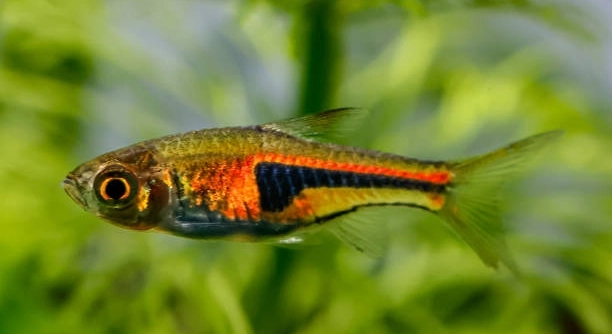
Do your rasboras seem more stressed than usual during feeding time? Many fish owners overlook simple mistakes that can negatively affect their fish. Small errors in diet and feeding habits often lead to unnecessary stress and health issues.
Seven feeding mistakes commonly cause stress in rasboras. These include overfeeding, underfeeding, inconsistent schedules, inappropriate food types, poor water quality, incorrect portion sizes, and feeding at irregular times. Avoiding these errors ensures healthier, calmer, and more active fish in your aquarium.
Understanding these feeding pitfalls is essential for maintaining a peaceful tank environment. Proper care during feeding promotes the well-being and longevity of your rasboras.
Overfeeding Rasboras
Overfeeding is one of the most common mistakes that leads to stress in rasboras. When fish are given too much food, they often cannot consume it all, causing leftovers to sink and decay in the tank. This decay releases harmful substances like ammonia, which quickly affect water quality. Rasboras are small fish with delicate digestive systems, and excessive food can overwhelm them. Their behavior may change, showing signs of lethargy, hiding, or rapid gill movement. Feeding should be measured, providing only what the fish can eat in a few minutes. It’s better to feed smaller amounts more frequently than one large portion. Monitoring their consumption helps establish a routine and reduces waste. A clean tank supports their health and minimizes stress, allowing the fish to display natural behaviors. Paying close attention to feeding amounts and observing reactions can prevent long-term health issues and maintain a calm tank environment.
Overfeeding increases waste and stresses rasboras. Small, measured portions maintain water quality and promote fish health consistently.
Tracking portion sizes is essential. Observe your rasboras during feeding. Remove uneaten food immediately. Adjust feeding habits based on fish activity, size, and the number of individuals in the tank. Even a small improvement can significantly reduce stress. Over time, rasboras will appear more energetic, their colors more vibrant, and they will interact more naturally. Establishing this feeding pattern creates a healthier tank, less prone to water issues and illness. Feeding should become predictable, consistent, and aligned with the fish’s natural habits. Avoiding excess food ensures a peaceful environment where rasboras can thrive without unnecessary strain on their systems or the tank ecosystem.
Inconsistent Feeding Schedules
Irregular feeding schedules can make rasboras anxious. Fish thrive on routine, and unexpected changes can disrupt their behavior.
Rasboras benefit from feeding at the same times each day. Inconsistent schedules create stress, as fish become unsure when food will arrive.
A steady feeding schedule supports digestion, reduces competition among tankmates, and keeps the environment calm. Rasboras rely on predictability to establish comfort within the tank. Skipping meals or varying feeding times can lead to overeating later, digestive problems, and aggressive behavior. By maintaining consistency, you encourage healthy appetite control and natural activity patterns. Use a simple timetable and stick to it, adjusting only when necessary. Consistent feeding also helps you monitor appetite and detect early signs of illness. Over time, fish will adapt to the schedule, showing less anxiety and improved overall health. Predictable feeding times support a more balanced tank ecosystem, as fish maintain normal routines, water quality is preserved, and stress is minimized. Proper timing fosters a thriving aquarium and happier rasboras.
Inappropriate Food Types
Feeding rasboras the wrong food can cause stress and digestive problems. Avoid oversized flakes or live foods that are too large. Stick to small, high-quality flakes, micro pellets, or finely chopped live or frozen foods.
Providing food that matches their size and nutritional needs is essential. Rasboras have small mouths and delicate digestive systems, so large or hard-to-digest items can cause choking, bloating, or constipation. Certain foods high in fillers or low-quality ingredients can also impact water quality, indirectly stressing your fish. Offering a variety of suitable foods ensures they receive essential nutrients without overloading their systems. Monitoring how they respond to new foods helps determine what works best, promoting healthy growth and vibrant colors. Rotate foods to keep their diet balanced and prevent boredom, while observing water clarity and tank hygiene.
Even with proper portions, the wrong food can create long-term health issues. Adjust diets gradually, remove uneaten portions promptly, and observe for digestive problems. Rasboras will remain calmer and more active when their diet matches their natural needs. A carefully planned feeding routine strengthens immune systems and enhances overall well-being. Small changes in food type can produce noticeable improvements in behavior and vitality, reducing stress and improving tank harmony.
Poor Water Quality
Dirty water quickly stresses rasboras and increases disease risk. Uneaten food, waste, and decaying plants raise ammonia and nitrite levels, impacting gill function and overall health.
Maintaining water quality requires regular monitoring and cleaning. Partial water changes, consistent filtration, and careful feeding reduce harmful substances. Even slight changes in pH, temperature, or hardness can affect rasboras. These fish are sensitive to pollutants, so keeping the tank clean directly reduces stress. Observing behavior, such as gasping at the surface or hiding, signals poor conditions. A well-maintained tank ensures healthy metabolism, coloration, and activity levels. Filtration should match tank size, and substrate should be cleaned without disturbing beneficial bacteria.
Proper water quality also supports beneficial bacteria that aid digestion and nutrient absorption. Avoid overcrowding to reduce waste buildup and maintain chemical balance. Using a reliable water test kit helps track ammonia, nitrites, nitrates, and pH. Adjustments should be gradual to prevent shock. Regular water changes, vacuuming the substrate, and cleaning decorations prevent toxins from accumulating. Healthy water conditions allow rasboras to feed actively and display natural schooling behavior. Stable water quality reduces stress, supports immune function, and minimizes illness, ensuring your fish remain vibrant and energetic in their environment.
Overcrowding
Too many fish in a tank increases competition for food and space. Overcrowding stresses rasboras, leading to aggression, hiding, and reduced feeding efficiency.
Limited space also worsens water quality issues. Each additional fish produces waste, raising ammonia and nitrite levels faster. A proper stocking density ensures calmer behavior, easier feeding, and a healthier environment for all tank inhabitants.
Irregular Portion Sizes
Feeding inconsistent amounts confuses rasboras and can trigger overeating or underfeeding. Consistency in portion size helps maintain stable digestion, healthy weight, and predictable behavior. Regularly measure food to match the number and size of fish, adjusting slowly as they grow or tank conditions change.
Feeding at Night
Rasboras are diurnal and feed best during daylight. Offering food at night disrupts natural rhythms, causing stress and reduced activity.
FAQ
How often should I feed my rasboras?
Rasboras do best with small, frequent meals. Feeding once or twice a day is usually sufficient. Overfeeding at each session can cause stress, water pollution, and digestive issues. A short feeding period, just long enough for all fish to eat, helps maintain a clean and healthy tank environment.
What types of food are best for rasboras?
High-quality micro pellets, small flakes, and finely chopped frozen or live foods are ideal. Avoid large flakes or foods that sink too fast, as rasboras have small mouths and may struggle to eat. Rotating foods provides balanced nutrition and keeps them active and healthy.
Can overfeeding harm rasboras?
Yes. Overfeeding causes leftover food to decay, raising ammonia levels and creating poor water conditions. It can also overwhelm their digestive system, leading to bloating, lethargy, and stress. Feeding only what they can consume in a few minutes is essential.
How do I know if my rasboras are stressed from feeding mistakes?
Signs include hiding, rapid gill movement, reduced appetite, or unusual swimming patterns. Stress may also appear as dull coloration or aggression toward tankmates. Observing these behaviors early allows adjustments to diet, portion size, or feeding schedule to reduce stress.
Is it okay to change their diet suddenly?
Sudden changes can upset their digestive system and cause stress. Introduce new foods gradually over several days, mixing them with familiar items. Monitor behavior and waste production during the transition to ensure they adjust without issues.
How important is water quality during feeding?
Water quality is critical. Uneaten food and fish waste release ammonia and nitrites, stressing rasboras. Regular water testing, partial water changes, and cleaning prevent toxins from building up. Clean, stable water supports proper digestion, immunity, and calmer behavior during feeding.
What is the ideal portion size for rasboras?
Portions should be small enough for all fish to finish in two to three minutes. Overfeeding leads to uneaten food and water quality issues. Adjust portions based on the number of fish, their size, and activity levels to maintain health and reduce stress.
Should I feed them at night or during the day?
Feeding during daylight aligns with their natural behavior. Night feeding can cause stress, disrupt sleep patterns, and reduce activity. A consistent daytime feeding schedule improves appetite, digestion, and overall comfort in the tank.
Can feeding mistakes affect their long-term health?
Yes. Chronic overfeeding, poor-quality food, or irregular schedules can lead to obesity, digestive problems, and weakened immunity. Maintaining proper feeding habits protects health, supports growth, and prevents stress-related illnesses, ensuring rasboras live longer and thrive in their environment.
How do I fix feeding errors if my rasboras are stressed?
First, identify the issue—overfeeding, poor food type, or irregular schedule. Adjust portions, switch to suitable food, and establish a consistent feeding routine. Maintain water quality and observe behavior closely. Small, steady improvements restore health, reduce stress, and encourage natural feeding patterns.
Are live foods necessary for rasboras?
Live foods are optional but beneficial. They stimulate natural hunting behavior and provide protein. They should complement, not replace, high-quality flakes or pellets. Always ensure live foods are safe, disease-free, and appropriately sized to prevent stress or choking.
How can I prevent feeding stress long-term?
Consistency, suitable portion sizes, and appropriate food types are key. Monitor water quality, observe fish behavior, and adjust as needed. Maintaining predictable routines reduces stress, encourages healthy growth, and keeps your rasboras active and vibrant.
This FAQ section provides clear guidance on feeding practices that minimize stress. Implementing these tips ensures your rasboras remain healthy, active, and visually vibrant in the aquarium. Regular observation and adjustments create a harmonious tank environment.
Final Thoughts
Feeding rasboras correctly is one of the simplest yet most important ways to ensure their health and well-being. Many fish owners do not realize how small mistakes during feeding can lead to stress, illness, or even shortened lifespans. Overfeeding, underfeeding, providing inappropriate foods, and inconsistent schedules are common problems that are often overlooked. Even when water quality and tank setup are ideal, feeding errors alone can cause noticeable changes in behavior. Rasboras may become lethargic, hide more often, or show changes in coloration when stressed. Taking the time to observe their behavior during feeding and adjusting portion sizes or food types as needed can make a significant difference in their overall health.
Maintaining a consistent routine is also critical. Rasboras are small, active fish that thrive on predictability. Feeding at the same times each day and providing the right amount of food ensures they receive proper nutrition without overwhelming their digestive system. Small, frequent meals are usually better than a single large feeding, as this helps prevent leftover food from polluting the water. Keeping track of the number of fish in the tank, their size, and activity levels allows for better portion control. It is also important to monitor water quality closely. Uneaten food and fish waste can quickly increase ammonia and nitrite levels, which are stressful and harmful to rasboras. Regular water testing, partial water changes, and cleaning the substrate help maintain a safe environment. A well-maintained tank combined with proper feeding creates a balanced ecosystem where fish remain active, healthy, and calm.
Feeding errors are easy to fix with careful observation and planning. Introducing a new food gradually, avoiding overfeeding, and establishing consistent feeding times can prevent most stress-related problems. It is also important to select food appropriate for rasboras’ small mouths and sensitive digestive systems, such as micro pellets, small flakes, or finely chopped frozen or live foods. Over time, these practices help rasboras display natural behaviors, maintain vibrant colors, and grow properly. The effort invested in careful feeding not only improves their health but also makes observing them more enjoyable, as healthy, calm fish are more engaging to watch. By paying attention to portion sizes, food quality, feeding schedules, and water quality, owners can prevent common feeding mistakes and create a harmonious tank environment. Consistency, patience, and attention to detail are the keys to keeping rasboras happy and stress-free over the long term.

Hello,
If you enjoy the content that we create, please consider saying a "Thank You!" by leaving a tip.
Every little bit helps us continue crafting quality advice that supports the health, happiness, and well-being of pets around the world, for pets of all shapes, sizes, and species.
We really appreciate the kindness and support that you show us!