
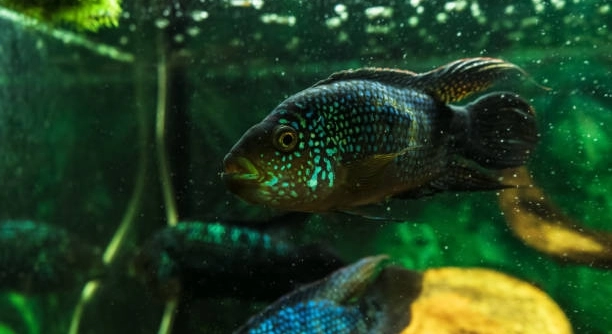
Have you ever noticed your pet acting tense during meals or guarding their food? Observing these small behaviors can reveal more than just hunger, showing how your pet feels and reacts in everyday situations around food.
Aggression during feeding is often shown through behaviors like growling, snapping, lunging, or hoarding food. These actions signal stress, fear, or territorial instincts, indicating that the animal may feel threatened and requires careful attention to prevent harm.
Understanding these signals can help you create a calmer feeding routine and strengthen the bond between you and your pet.
Guarding Food Bowls
Some pets will stand over their food bowl and growl if anyone comes near. This behavior is a sign that they are trying to protect what they consider theirs. Animals may feel insecure about the availability of food or may have learned that guarding it keeps them safe. Over time, this behavior can become more pronounced, especially if the animal has experienced competition for resources in the past. Owners might notice stiff body posture, raised fur, or snapping when approached. It is important to recognize that this is not just bad behavior; it is a natural response rooted in survival instincts. Consistent routines, separate feeding spaces, and avoiding sudden interruptions during meals can help reduce tension. Offering food at predictable times also gives animals a sense of security. Observing the pet carefully can provide insight into how strongly they feel about their food and what triggers their guarding behavior.
Guarding is a clear sign of territorial instincts and should be addressed calmly to prevent escalation.
Keeping food bowls in separate areas and maintaining predictable mealtimes helps pets feel safe and reduces the risk of aggressive incidents. Regularly monitoring their behavior ensures that interventions are effective and the pet remains comfortable during feeding.
Fast Eating and Snatching
Rapid eating can indicate anxiety or competitive behavior during meals. Pets that grab food quickly may be anticipating others trying to take it.
Eating too fast can cause health problems such as choking or digestive issues. When animals rush their meals, it often reflects stress or a need to assert control over their resources. Some pets may hoard food afterward, hiding pieces in corners or storing them for later. This behavior can escalate if left unchecked, especially in multi-pet households where competition for food exists. Owners can help by dividing meals into smaller portions and feeding pets in calm, separate spaces. Slow feeders or puzzle feeders can also encourage more measured eating and reduce tension. Over time, these strategies promote safer eating habits and decrease aggressive tendencies around food. Observing and adjusting the environment ensures that the pet feels secure and supported, preventing feeding behaviors from becoming problematic.
Snapping or Lunging
Snapping or lunging at anyone approaching the food bowl is a strong sign of aggression. This behavior shows the animal feels threatened or wants to assert dominance over the resource. Immediate intervention is necessary to prevent injury.
Animals may snap or lunge due to fear or learned habits. Some pets have experienced competition for food or have been startled in the past, which reinforces aggressive responses. The behavior can appear suddenly or gradually, depending on the animal’s temperament and environment. Consistent observation helps identify triggers, such as sudden movements near the bowl or other animals approaching. Owners should remain calm and avoid sudden reactions that may escalate aggression. Adjusting feeding locations, spacing pets apart, and maintaining a quiet, predictable routine can help reduce these behaviors. Over time, the animal learns that meals are safe and that no threat exists.
Preventing snapping or lunging requires patience and structured feeding routines. Feeding pets separately and using calm, steady actions reduces stress and encourages safer interactions. Monitoring closely ensures interventions work effectively.
Hoarding Food
Hoarding food in hidden spots is a common aggressive feeding behavior. Pets store leftovers to protect them from others, reflecting anxiety or competition.
This behavior often develops when animals feel insecure about food availability. Pets may carry pieces to corners, under furniture, or away from other animals. Hoarding can indicate underlying stress, and if ignored, it can escalate into more aggressive actions, including growling when someone tries to remove stored food. Owners can help by providing predictable meal times and ensuring that pets have enough food without fear of scarcity. Separating feeding areas and discouraging hoarding gently over time can reduce stress. Observing where and how food is stored offers insight into the animal’s comfort level and sense of security. Consistency and patience are key to addressing this behavior effectively.
Hoarding is both a sign of insecurity and a learned behavior. Structured feeding and monitoring storage spots help pets feel safe and minimize aggressive tendencies around food.
Staring While Eating
A fixed, intense stare during meals often signals unease or aggression. Pets may watch others closely, ready to defend their food if they feel threatened.
This behavior can be rooted in territorial instincts. Pets may stare to assess potential threats, especially if other animals or people are nearby. Maintaining calm around the pet during feeding and giving them space can help reduce tension and make meals safer for everyone involved.
Growling or Hissing
Growling or hissing while eating is a clear warning sign of aggression. Pets use vocalizations to communicate discomfort or to keep others away from their food.
Understanding the triggers behind growling or hissing is essential. This behavior can arise from fear, past negative experiences, or resource guarding instincts. Pets may react aggressively if approached too closely, especially in multi-animal households. Gradually desensitizing them to nearby activity and reinforcing calm behavior with rewards can help. Creating separate feeding areas or providing a quiet space reduces stress, encouraging pets to feel secure while eating. Consistent observation ensures interventions are effective, preventing escalation and injuries.
Pushing Others Away
Pets may physically push or nudge others during meals to maintain control over their food. This behavior signals dominance or insecurity.
How can I safely stop my pet from guarding food?
Separating feeding areas is one of the simplest ways to prevent food guarding. Pets need a space where they feel secure without being approached. Using barriers, crates, or separate rooms can reduce tension. Avoid reaching into the food bowl while your pet is eating, as sudden movements may trigger defensive reactions. Offering meals at consistent times also helps pets feel more confident about access to food, reducing anxiety-driven aggression. Slowly desensitizing pets by approaching during meals, paired with positive reinforcement like treats or calm praise, can teach them that your presence is not a threat. Patience and observation are key; each pet reacts differently, so progress may be gradual.
Why does my pet eat so fast and seem aggressive about food?
Fast eating is often a response to fear or competition. Pets may rush their meals if they feel resources are limited or if other animals are nearby. Rapid eating can also cause digestive issues or choking, so it is important to address it. Dividing meals into smaller portions or using slow feeders encourages more measured eating. Feeding pets in separate spaces or at staggered times can prevent competition and reduce stress. Over time, pets learn to relax while eating, which decreases aggressive tendencies. Monitoring their behavior during meals helps identify triggers and ensures interventions are effective.
What does it mean when my pet snaps or lunges during feeding?
Snapping or lunging is a direct signal that the pet feels threatened or is asserting control. These behaviors are rooted in instinct, especially if the pet has experienced competition or previous negative interactions around food. Calm, consistent handling is essential. Avoid approaching or punishing the pet abruptly, as this can escalate aggression. Feeding pets separately and creating predictable routines helps them feel safe. Using slow introductions to new people or animals around mealtime can reduce fear-based reactions. Observing body language, such as stiff posture, raised fur, or growling, allows owners to intervene before escalation. Over time, structured and calm feeding routines decrease snapping and lunging behavior.
How do I manage hoarding behavior in my pet?
Hoarding food is usually a sign of insecurity or past competition. Pets may hide or stash food to prevent others from taking it. To manage this, provide enough food at consistent intervals and discourage hoarding gently. Separate feeding areas prevent conflicts and create a secure environment. Monitor where pets store their food and gradually remove hidden pieces once the pet is calm. Puzzle feeders or slow-dispensing toys can redirect hoarding instincts into safe and productive behaviors. Consistency and patience are important, as the behavior may take time to adjust. Reducing stress and ensuring reliable access to food helps pets feel secure and lowers aggressive tendencies.
Why does my pet growl or hiss while eating?
Growling and hissing are warning signals that indicate discomfort or resource guarding. Pets use these vocalizations to communicate that they feel threatened. It is important not to approach or startle them during meals. Providing separate feeding spaces and maintaining a calm environment minimizes tension. Positive reinforcement, such as treats for calm behavior, can help the pet associate human presence with safety. Avoid punishing growling, as it is a natural communication tool. Observing when and why the behavior occurs allows for better management. Gradual desensitization and consistent routines help pets feel secure and reduce aggressive tendencies around food over time.
How can I help a multi-pet household eat peacefully?
Separate feeding areas are essential in multi-pet homes. Feeding pets in different rooms or using barriers prevents competition and reduces stress. Staggering mealtimes ensures each pet can eat without feeling rushed. Monitoring behavior during meals helps identify potential triggers for aggression. Using slow feeders or puzzle feeders keeps pets occupied and prevents fast eating or hoarding. Gradual training and positive reinforcement for calm behavior around others encourages peaceful mealtimes. Consistency in feeding routines helps pets feel secure and reduces the likelihood of aggressive interactions. Over time, structured feeding arrangements create a calmer environment for all animals.
Can changes in environment trigger feeding aggression?
Yes, sudden changes like moving the food bowl, adding new pets, or altering routines can increase stress and aggression. Pets thrive on consistency, and disruption can make them feel insecure about resources. Gradual introductions to new routines, spaces, or companions help them adjust safely. Maintaining calm and predictable feeding environments prevents escalation. Observing reactions during transitions allows owners to intervene early. Positive reinforcement for calm behavior helps pets associate changes with safety rather than threat. Structured routines, separate feeding areas, and patience are key to preventing environment-related aggression. Over time, pets adapt and feeding behavior becomes more stable.
Are there health concerns related to aggressive feeding behaviors?
Yes, aggressive feeding can lead to physical and emotional issues. Fast eating may cause choking, vomiting, or digestive discomfort. Hoarding can result in spoiled or hidden food being eaten later, causing illness. Stress from constant guarding or competition can impact overall wellbeing, including anxiety or tension-related behaviors. Addressing these behaviors is important for long-term health. Providing safe, structured feeding environments and monitoring interactions reduces physical risks and supports emotional stability. Gradual behavior modification helps pets feel secure during meals, lowering stress and preventing health complications caused by aggressive feeding patterns.
Can training reduce feeding aggression?
Training can be effective if done consistently and calmly. Using positive reinforcement, gradual desensitization, and structured feeding routines encourages pets to eat without fear or aggression. Avoid punishment, as it may increase stress. Over time, pets learn that meals are safe and interactions are predictable. Separation of feeding spaces and consistent routines support training efforts. Observation of body language helps tailor approaches to each pet’s temperament. Reinforcing calm behavior with treats, gentle praise, or slow introductions to others builds trust and security. Patience and steady practice lead to safer, more relaxed feeding behavior.
When should I seek professional help?
Professional intervention is recommended if aggressive feeding escalates or causes injury risks. Animal behaviorists or veterinarians can provide tailored strategies for managing aggression. Persistent guarding, snapping, or hoarding despite consistent efforts may indicate deeper behavioral or medical concerns. Experts can assess triggers, recommend structured training, and ensure the pet’s wellbeing. Early guidance prevents escalation and promotes safer interactions in multi-pet households or with children. Collaborating with professionals provides structured plans, behavioral modification techniques, and reassurance for owners managing challenging feeding behaviors. Regular monitoring and follow-up help maintain progress and ensure pets remain comfortable during meals.
How do I monitor progress in reducing aggression?
Keep a log of feeding behaviors, noting triggers, responses, and improvements. Track incidents like snapping, lunging, or hoarding. Record the pet’s reactions to changes in environment, routine, or introduction of other animals. Over time, patterns become clear, helping owners adjust strategies. Gradual improvements indicate that interventions are working, while repeated aggressive episodes may signal a need to modify techniques or seek expert guidance. Consistency in observation, structured feeding, and positive reinforcement helps pets feel safe and ensures progress is measurable. Monitoring allows proactive adjustments before behaviors escalate.
Can diet influence feeding aggression?
Yes, the type, amount, and schedule of food can impact behavior. Pets with insufficient portions may become more aggressive, while high-energy diets may increase excitability. Consistent portion sizes and balanced nutrition reduce stress and competition. Structured meal times prevent anxiety around scarcity. Observing behavior before and after dietary changes helps identify if food is contributing to aggression. Adjusting meal frequency, portion control, and feeding methods supports calmer eating. Puzzle feeders or slow-dispensing toys can encourage measured eating while satisfying hunger. Proper nutrition combined with structured feeding routines helps reduce aggressive tendencies and promotes healthy, safe mealtimes.
How long does it take to see improvements?
Progress varies based on the pet’s history, temperament, and consistency of interventions. Some animals respond in a few weeks, while others may take months to adjust. Patience and steady routines are essential. Monitoring and adjusting approaches ensures lasting results.
Feeding behaviors can reveal a lot about how pets feel and react in their environment. Aggression around food is not just about bad behavior—it is often a natural response to stress, insecurity, or competition. Observing your pet closely during meals can help you understand the signals they are giving. Actions like growling, lunging, snapping, guarding, or hoarding are ways pets communicate discomfort or fear. Recognizing these behaviors early is important for both the pet’s safety and the safety of everyone around them. By paying attention, you can prevent small issues from turning into more serious problems. Feeding aggression is common, and with the right approach, it can be managed effectively. It is important to remember that every pet is different, and what works for one may not work for another. Patience, consistency, and careful observation are key when addressing these behaviors.
Structured routines play a major role in reducing aggressive feeding behaviors. Pets feel more secure when meal times, feeding locations, and portions are predictable. Separate feeding areas for multi-pet households or slow feeders for fast eaters can prevent conflicts and reduce stress. Gradual desensitization to people or other pets approaching during meals helps pets learn that there is no threat. Positive reinforcement for calm behavior encourages safer interactions and builds confidence. Over time, these methods help pets relax during feeding and reduce tension. Even small changes, like providing enough space, offering consistent portions, or maintaining a quiet environment, can make a significant difference in behavior. Understanding the root cause of aggression, whether it is fear, past experiences, or resource guarding instincts, is essential to effectively managing it. Consistent application of these strategies ensures that improvements are lasting.
Addressing feeding aggression is not only about correcting behavior—it also strengthens the relationship between you and your pet. Calm, structured feeding allows pets to feel safe and reduces anxiety around meals. Observing body language, avoiding sudden movements, and respecting the pet’s space during feeding are all important steps in creating a secure environment. Some behaviors may take time to adjust, but steady effort and patience lead to safer, more comfortable meals. Feeding time can become a positive experience rather than a stressful one. By understanding aggression and implementing strategies to reduce it, you provide a better quality of life for your pet while ensuring safety for yourself and others. Maintaining consistency, reinforcing calm behavior, and adapting to your pet’s needs helps establish trust, improves behavior, and encourages long-term well-being. With attention, care, and structured routines, feeding aggression can be managed effectively, creating a calmer and happier mealtime for everyone involved.

Hello,
If you enjoy the content that we create, please consider saying a "Thank You!" by leaving a tip.
Every little bit helps us continue crafting quality advice that supports the health, happiness, and well-being of pets around the world, for pets of all shapes, sizes, and species.
We really appreciate the kindness and support that you show us!