
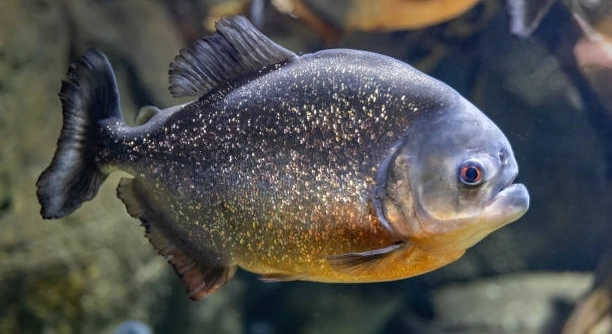
Piranhas are often known for their sharp teeth and fierce reputation. These fish live in rivers and lakes where they face many challenges. Their survival depends on several unique features that help them adapt to the wild environment around them.
Piranhas possess specialized teeth, strong jaws, keen senses, and social behaviors that contribute to their survival. These features enable effective hunting, defense, and adaptation to changing aquatic conditions, ensuring they thrive despite predators and environmental threats.
Learning about these traits reveals how piranhas maintain their place in nature. Understanding their survival helps appreciate their role beyond just their fearsome image.
Sharp, Interlocking Teeth
Piranhas have sharp, triangular teeth that interlock perfectly. These teeth are designed for slicing through flesh quickly and efficiently. Their teeth continuously grow, which means they stay sharp even after frequent use. This adaptation is crucial because it allows piranhas to tear apart prey and defend themselves against predators. Their powerful jaws work in tandem with their teeth, enabling a strong bite force. This combination of sharp teeth and jaw strength makes them effective hunters. Their teeth are also arranged in a way that prevents prey from escaping once caught. This feature helps piranhas consume food faster, which is important in their competitive aquatic environment. The sharp teeth not only help in hunting but also in breaking down tough plant material when needed. This versatility contributes to their survival in diverse conditions.
Piranhas’ teeth regenerate continuously, maintaining their sharpness and effectiveness over time.
These teeth allow piranhas to feed on a variety of prey, supporting their role as both predators and scavengers in freshwater ecosystems. Their dental design ensures efficient feeding, which is essential for sustaining energy and growth in the wild.
Keen Senses and Social Behavior
Piranhas rely heavily on their senses to survive. They have excellent eyesight that helps detect movement and shapes in murky waters. Their sense of smell is also well-developed, allowing them to find food from a distance. Piranhas communicate within their groups using sounds and body language. This social behavior provides safety in numbers and improves hunting success. They tend to form schools, which helps confuse predators and increases their chances of catching prey. This teamwork allows them to work together to overwhelm larger animals or scavenge more effectively. Additionally, group living helps piranhas detect threats early and react quickly. The combination of sharp senses and social structure creates a strong survival strategy that supports their persistence in competitive environments.
Piranhas’ sharp senses and social groups boost their ability to find food and avoid danger.
These adaptations allow them to thrive in their habitats by cooperating in groups and reacting swiftly to threats or opportunities. Their social nature is a key factor in their survival, providing protection and improving feeding efficiency. Understanding this behavior gives insight into how piranhas manage to maintain their populations in various aquatic systems. Their ability to sense and respond to their surroundings highlights their evolutionary success as a species.
Powerful Jaws
Piranhas have strong jaws that enable a quick and forceful bite. This strength helps them catch prey and defend against threats effectively.
Their jaws work with their sharp teeth to deliver a bite that can tear through flesh rapidly. This power is essential for survival, as it allows piranhas to capture prey that might otherwise escape. The strong bite force also aids in breaking down tough food items, making their diet more varied. Piranhas can exert pressure strong enough to crush bones or shells, which many other fish cannot do. This jaw strength ensures they can compete successfully for resources in their habitats.
This adaptation is a key reason why piranhas have thrived in diverse freshwater environments. It supports both hunting and protection, making their jaws vital to their survival.
Adaptation to Water Conditions
Piranhas survive in varied water conditions, from clear rivers to muddy, oxygen-poor waters. They tolerate low oxygen levels by gulping air at the surface when needed. This ability helps them endure changes in their environment that might harm other fish. Their bodies can adjust to temperature fluctuations and shifting currents. This adaptability gives them an advantage in unpredictable habitats. Piranhas also use the water’s cover to hide from predators and ambush prey, blending well with their surroundings. These traits allow piranhas to maintain stable populations despite environmental challenges.
Adapting to different water conditions helps piranhas survive in many habitats.
Their flexibility with oxygen levels and temperature changes supports their endurance. This adaptability ensures they remain resilient even when conditions become difficult. It also allows them to exploit a range of food sources and avoid threats. These survival skills highlight their evolutionary success in freshwater systems.
Schooling Behavior
Piranhas often swim in schools for protection. Grouping together confuses predators and increases their safety.
Schooling also improves hunting success. By working as a group, they can overwhelm prey more easily and share information about food sources.
Camouflage and Coloration
Piranhas have coloration that helps them blend into their environment. Their silvery bodies reflect light, making it harder for predators to spot them in water. This natural camouflage aids both in avoiding danger and sneaking up on prey. The subtle colors provide an important survival advantage in their often murky habitats.
Fast Reflexes
Piranhas react quickly to threats and prey. Their fast reflexes help them escape predators and catch food before it gets away. This agility is crucial in the competitive environments where they live.
What do piranhas eat?
Piranhas mainly feed on smaller fish, insects, and aquatic animals. They are opportunistic feeders and will also scavenge on dead animals. Their sharp teeth and powerful jaws allow them to tear flesh easily. Some species even eat plant material, giving them a flexible diet. This adaptability in feeding helps piranhas survive when food is scarce.
Are piranhas dangerous to humans?
Piranhas are generally not a serious threat to humans. They tend to avoid people and only attack if provoked or hungry. Most bites occur when water levels are low and food is limited. While their bite can be painful, attacks causing serious harm are rare. It is best to respect their space when swimming or fishing.
How do piranhas reproduce?
Piranhas reproduce by laying eggs in nests built on the riverbed. Males often guard the nests to protect eggs from predators. Once the eggs hatch, the young stay close to their parents for some time. Reproduction usually happens during the rainy season when food is abundant, improving the survival chances of the offspring.
Can piranhas live outside their natural habitat?
Piranhas can survive in captivity if their needs are met, such as water quality, temperature, and diet. However, they are best suited for freshwater environments like rivers and lakes. They need enough space and proper care to avoid stress and health problems. Releasing piranhas into non-native habitats can harm local ecosystems.
Why do piranhas bite in groups?
Piranhas often bite in groups as a hunting strategy to overwhelm prey quickly. This group attack increases their chances of capturing food and reduces the risk of injury from struggling prey. Schooling behavior also helps protect individual fish from predators during feeding.
How do piranhas communicate?
Piranhas communicate through body movements, sounds, and chemical signals. These signals help coordinate hunting and warn others of danger. Communication is important in their social structure, especially when living in schools. It helps maintain group cohesion and improves survival chances.
What predators threaten piranhas?
Despite their fierce reputation, piranhas have predators such as larger fish, birds, and caimans. These animals hunt piranhas, especially the young or weaker individuals. Schooling behavior and camouflage help piranhas avoid predators, but they remain a part of the food chain.
How long do piranhas live?
In the wild, piranhas typically live up to 10 years, depending on the species and environment. In captivity, with proper care, they can live longer. Their lifespan depends on food availability, water conditions, and protection from predators.
Do piranhas attack boats or humans often?
Piranha attacks on boats or humans are uncommon. Most incidents happen when water is low, and food is scarce. Piranhas are more likely to swim away from disturbances than confront them. Proper caution and respect for their habitat reduce the chance of negative encounters.
What role do piranhas play in their ecosystem?
Piranhas are important in controlling fish populations and cleaning up dead animals. They help maintain balance in freshwater systems by preventing overpopulation of certain species. Their presence supports biodiversity and healthy aquatic environments.
Piranhas are often misunderstood because of their fierce reputation, but they have many features that help them survive in the wild. Their sharp, interlocking teeth and powerful jaws allow them to catch and eat a variety of prey. These physical traits are essential for their role as both predators and scavengers. Their ability to regenerate teeth keeps them ready to feed and defend themselves. Beyond their teeth, piranhas rely on keen senses like sight and smell to detect food and threats. Their social behavior, especially schooling, provides safety and improves hunting efficiency. These combined adaptations make piranhas well-equipped to live in diverse freshwater environments.
Another important factor for their survival is their adaptability to different water conditions. Piranhas can tolerate changes in oxygen levels, temperature, and water clarity. They even gulp air from the surface when oxygen is low, which helps them endure difficult situations. Their natural camouflage further helps them blend into their surroundings, avoiding predators and sneaking up on prey. Fast reflexes and quick responses add to their chances of escaping danger or catching food. These survival skills make piranhas resilient, able to cope with environmental changes and challenges in their habitat.
Understanding these features gives a clearer picture of why piranhas continue to thrive in the wild. They are not just aggressive fish but animals with important roles in their ecosystems. Their adaptations allow them to hunt, avoid predators, and survive in varying conditions. Appreciating these traits helps reduce fear and promotes a better view of their place in nature. The study of piranhas shows how evolution shapes creatures to fit their environment and maintain balance in aquatic life.

Hello,
If you enjoy the content that we create, please consider saying a "Thank You!" by leaving a tip.
Every little bit helps us continue crafting quality advice that supports the health, happiness, and well-being of pets around the world, for pets of all shapes, sizes, and species.
We really appreciate the kindness and support that you show us!