
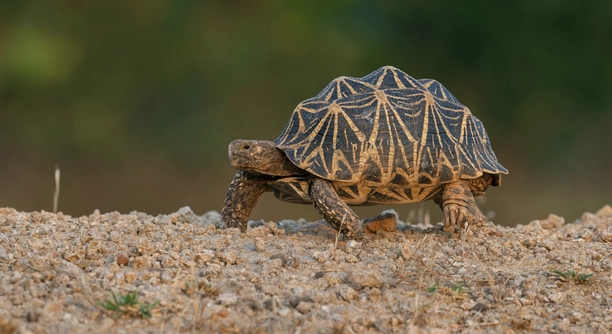
Creating an ideal outdoor habitat for your Indian Star Tortoise requires thoughtful planning. These gentle creatures need a space that mimics their natural environment for both safety and comfort. Let’s explore the essential features for their home.
A perfect outdoor habitat for an Indian Star Tortoise includes appropriate space, temperature, humidity, shelter, proper lighting, suitable vegetation, and safety from predators. These factors contribute to the tortoise’s health and overall well-being.
When you know what to focus on, it’s easier to build a habitat that supports their needs and promotes their happiness.
Adequate Space for Movement
Providing enough space is crucial for an Indian Star Tortoise. These tortoises naturally roam large areas in the wild, and their outdoor habitat should allow them to do the same. Ideally, a minimum of 8 to 10 feet of space is recommended for one tortoise. The more room they have, the better. It helps them stay active, explore, and even forage for food. Without proper space, your tortoise may become stressed or lethargic. Overcrowding can also lead to territorial disputes. A large, secure enclosure with boundaries will give your tortoise a safe area to move freely.
Space not only gives them room to move but also plays a role in their overall health. The more natural they feel, the more they will engage in behaviors like basking and exploring.
Tortoises are most comfortable when they can wander, and their habitat must reflect this need for movement. Consider adding rocks, logs, and plants to create an environment that encourages exploration.
Temperature Control
Maintaining the right temperature is one of the most important aspects of your tortoise’s habitat. Indian Star Tortoises thrive in warm environments. A temperature range between 80°F and 95°F during the day is ideal. At night, temperatures should drop slightly, but not below 70°F. A heat lamp or an outdoor basking area will help mimic the warmth they need. Without the correct temperature, your tortoise may become sluggish or even fall ill.
Proper heating will help your tortoise stay active and encourage proper digestion. Too much heat can cause stress, while too little can lead to hibernation-like behavior. A thermostat can help you monitor the temperature accurately, ensuring it stays within the recommended range.
Additionally, offering areas with different temperature zones in the enclosure gives your tortoise the option to self-regulate. Having a warm basking spot and cooler shaded areas will allow them to adjust according to their needs throughout the day.
Shelter and Shade
Indian Star Tortoises are highly sensitive to extreme weather. Having a shaded shelter area is essential for protecting them from excessive sun exposure. While they enjoy basking, they also need refuge from intense heat, especially during midday when temperatures can rise. A simple structure like a small hut or wooden shelter will provide a cool, shaded space for them to retreat. This shelter should be dry and well-ventilated to avoid humidity buildup.
Shelter isn’t just for sun protection; it also offers a sense of security, which helps reduce stress. Tortoises are naturally secretive creatures, and a shelter that gives them a sense of safety can make them feel more at ease in their habitat. It’s important to design a shelter that’s easy to access for you while remaining a peaceful retreat for the tortoise.
Having shade available allows your tortoise to decide when they need a break from the heat. Whether it’s a rainy day or a particularly hot afternoon, a shaded spot ensures they remain comfortable and protected.
Proper Lighting
Lighting is another key component to creating an ideal outdoor habitat for your tortoise. They require both UVA and UVB light to thrive. UVB light helps them process calcium properly, which is necessary for shell health and overall well-being. Providing access to natural sunlight for several hours a day can be enough. If your outdoor habitat doesn’t receive enough natural light, a UVB light source should be added.
Artificial UVB lights need to be changed every 6 to 12 months as their effectiveness diminishes over time. These lights should be placed over a basking area to simulate the sunlight your tortoise would naturally enjoy. Without the proper light exposure, your tortoise could face severe health issues like metabolic bone disease.
For the best results, try to provide a combination of natural and artificial light to ensure your tortoise receives the necessary exposure throughout the day. Regular exposure to both UVA and UVB is vital for their overall growth and energy levels.
Vegetation and Plants
Indian Star Tortoises need an environment with natural plants. Not only do they enjoy eating certain plants, but the plants also help recreate their natural habitat. Offering a mix of edible plants like dandelions and grasses is a great way to mimic their wild diet.
Plants also provide shelter and shade, which will encourage your tortoise to explore more. It’s important to use safe, non-toxic plants. Avoid any that could cause harm, such as lilies or ivy. Also, ensure the plants are kept clean of any pesticides or chemicals.
Additionally, plants help create a more natural atmosphere, giving the tortoise a better sense of security. Be sure to create spaces where the tortoise can hide or rest under the plants. This variety promotes both physical and mental well-being for your pet.
Safety from Predators
Predator protection is crucial for an outdoor tortoise habitat. Birds, dogs, and other animals may pose a threat to your tortoise if they can get inside the enclosure. A secure fence or mesh will prevent intruders from reaching the tortoise.
The enclosure should be high enough to deter climbing animals, and the base should be buried at least a foot underground to prevent digging predators. A sturdy roof or netting may also be required to prevent aerial attacks. Ensuring the entire enclosure is escape-proof will keep your tortoise safe and secure.
It’s not just about predators but also other dangers in the environment, like fast-moving vehicles or aggressive wildlife. Make sure the habitat is away from any potential hazards to create a safer space for your tortoise to thrive.
Humidity Levels
Maintaining proper humidity is essential for your Indian Star Tortoise’s health. They need a moderate level of humidity to help with shedding and digestion. A humidity range of 50-60% is ideal for most of the year.
A humidity gauge will help monitor the levels, ensuring they stay within the proper range. If the environment is too dry, you can mist the enclosure or provide a water dish that the tortoise can soak in.
Humidity should be carefully controlled to prevent issues like dehydration or respiratory problems. Too much humidity can also cause mold, so balance is key.
Clean Water Source
Providing fresh, clean water daily is vital. Tortoises drink water and also use it for soaking, which helps with digestion and hydration. Place a shallow water dish that they can easily access.
Change the water regularly to prevent bacterial growth and ensure your tortoise has a safe, hygienic drinking source. The water should be clean and free from chemicals or contaminants.
A constant, fresh water supply is necessary for their overall health. Be sure to check it daily and refill as needed to maintain a healthy environment for your tortoise.
FAQ
How much space does an Indian Star Tortoise need in its outdoor habitat?
An Indian Star Tortoise should have at least 8 to 10 feet of space for one tortoise. The more room you can provide, the better. A larger enclosure allows them to explore, move freely, and get enough exercise. It also reduces the stress of being confined in a smaller area. Overcrowding should be avoided as it can lead to behavioral issues and health problems. A spacious, secure habitat ensures your tortoise remains healthy and active.
What type of plants should be included in their habitat?
The plants in your tortoise’s habitat should be safe, non-toxic, and ideally edible. Plants like dandelions, clover, and grasses are suitable for an Indian Star Tortoise. These plants not only mimic their natural diet but also create a more natural, enriching environment. Avoid using ornamental plants that may be harmful or sprayed with pesticides. You can also plant shrubs or small bushes that provide shade or hiding spots for your tortoise. Make sure to regularly check for pests on the plants.
How do I ensure the right temperature for my tortoise?
Maintaining the correct temperature is crucial for your tortoise’s health. During the day, the temperature should range between 80°F to 95°F, with a basking spot that is even warmer. At night, the temperature should drop but not go below 70°F. A heat lamp or ceramic heat emitter can help regulate the warmth in the enclosure. Use a thermometer to monitor the temperature and adjust as needed. If the outdoor habitat doesn’t get enough sunlight, consider using UVB lights to ensure they get adequate exposure.
What kind of shelter does my tortoise need?
Your Indian Star Tortoise will need a sheltered area in the habitat to protect it from extreme weather, especially from the sun and rain. A simple wooden hut or roofed shelter with proper ventilation will suffice. It should be large enough for your tortoise to comfortably enter and exit. The shelter offers not only protection from the elements but also a safe space for your tortoise to retreat when it feels stressed or needs rest. Always ensure the shelter is dry and clean to avoid any potential health problems.
How much water does my tortoise need?
Indian Star Tortoises need access to fresh water every day. They drink water and soak in it, which aids in digestion and hydration. Provide a shallow dish of clean water that’s easy for the tortoise to access. The water should be changed daily to prevent the growth of bacteria or algae. Avoid using water with chemicals like chlorine, as this can harm your tortoise. Make sure the water dish is large enough for them to soak their legs and possibly their entire body if needed.
Can I use a sand substrate in my tortoise’s habitat?
Using sand in the habitat is not ideal for Indian Star Tortoises, especially if it is the primary substrate. Sand can cause impaction if your tortoise ingests it while foraging or digging. Instead, consider using a mix of soil and organic materials such as coconut fiber, which allows for easier digestion if eaten. The substrate should also be easy to clean and maintain. Providing a non-toxic, safe material that encourages natural behavior, such as burrowing, is crucial.
How can I protect my tortoise from predators?
To keep your Indian Star Tortoise safe from predators, ensure that the enclosure is fully secure. Use a high fence or mesh that predators cannot easily climb over or dig under. The fence should be at least 3 feet high and buried about a foot underground to prevent digging animals from entering. You may also need a roof or netting to protect against aerial predators like birds. Regularly check the enclosure for any weaknesses in the fencing to ensure no gaps or openings.
What humidity levels are ideal for my tortoise?
Indian Star Tortoises thrive in moderate humidity levels, generally between 50-60%. This range is sufficient to keep your tortoise hydrated and help with the shedding process. If the air is too dry, you can increase the humidity by lightly misting the enclosure or using a shallow water dish. On the other hand, too much humidity can cause mold and other health concerns. Use a hygrometer to monitor the humidity levels and make adjustments as needed. It’s important to keep the humidity balanced to support your tortoise’s health.
How do I ensure my tortoise has enough UVB light?
Indian Star Tortoises require UVB light to properly metabolize calcium, which is crucial for shell health and overall well-being. Ideally, they should get several hours of natural sunlight each day. If that’s not possible, you can use a UVB light in the enclosure. The light should be placed over the basking area, and it’s important to replace UVB bulbs every 6-12 months as their effectiveness decreases over time. Without UVB light, your tortoise may suffer from metabolic bone disease and other health issues.
Can I keep multiple tortoises in the same outdoor habitat?
Yes, you can keep multiple Indian Star Tortoises in the same enclosure, but you need to make sure the space is large enough for each tortoise to have its own territory. Overcrowding can lead to stress and territorial disputes. If you are keeping multiple tortoises, ensure there are plenty of hiding spots, food sources, and basking areas to reduce competition. Each tortoise should feel like they have enough space to move and relax without feeling threatened by others.
Creating the perfect outdoor habitat for an Indian Star Tortoise is essential for their well-being and long-term health. These tortoises require specific conditions to thrive, and by providing them with enough space, proper temperature, shelter, and vegetation, you can ensure they feel comfortable and secure in their environment. When setting up the habitat, it’s important to mimic their natural surroundings as closely as possible. This includes providing a variety of plants for food and shade, as well as offering the necessary sunlight and UVB exposure to support their growth.
In addition to space and the right conditions, safety is also a top priority. Protecting your tortoise from predators and ensuring that their environment is escape-proof will help reduce stress and prevent injury. A secure enclosure, with high enough walls and barriers that extend below the ground, is essential to keep out any unwanted animals. This also gives the tortoise the freedom to roam and explore, creating a more natural and enriching experience for them. By regularly checking the habitat for any weaknesses or areas that could allow predators to enter, you can keep your tortoise safe and secure.
Finally, maintaining proper humidity and providing fresh water every day are simple yet important tasks that can make a big difference in your tortoise’s health. A clean, fresh water source will keep them hydrated, and the right humidity level will support their natural behaviors like shedding. Keeping the habitat clean, ensuring that all plants are safe, and regularly monitoring the temperature and light levels will allow your tortoise to live a happy and healthy life. By paying attention to these essential factors and consistently maintaining the habitat, you’ll provide a safe and comfortable home for your Indian Star Tortoise to thrive.

Hello,
If you enjoy the content that we create, please consider saying a "Thank You!" by leaving a tip.
Every little bit helps us continue crafting quality advice that supports the health, happiness, and well-being of pets around the world, for pets of all shapes, sizes, and species.
We really appreciate the kindness and support that you show us!