
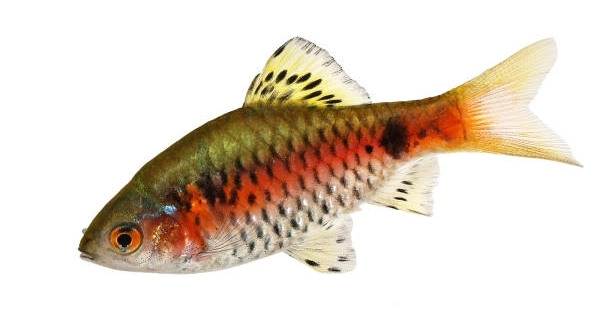
Is your new rosy barb darting around the tank or hiding more than usual, leaving you unsure how to help it settle?
The fastest ways to calm a new rosy barb include dimming the tank lights, limiting sudden movement, adding plants for cover, maintaining consistent water parameters, offering food gradually, minimizing handling, and introducing tank mates slowly.
These small adjustments can ease stress and help your rosy barb adjust comfortably to its new environment with minimal disruption.
Dim the Tank Lights
Lowering the brightness in your tank can help reduce stress for a new rosy barb. Bright lighting may feel overwhelming to a fish adjusting to a new space, especially if it came from a dimly lit environment. When you keep the lights low for the first few days, it creates a calm setting where the fish feels less exposed. This makes it easier for your rosy barb to relax and start exploring. You don’t need to keep the tank dark all day—just aim for a soft, diffused light for short periods. If possible, use floating plants or dimmable LEDs to control brightness. Avoid turning lights on suddenly or placing the tank in direct sunlight.
Soft lighting gives your fish a better chance to adapt without feeling overstimulated. It also makes your tank feel safer for a fish still learning its surroundings.
Once your rosy barb seems more active and alert, you can slowly return to normal lighting levels. Watch for signs of stress like hiding or erratic swimming. If these continue, keep the lights dimmed longer. Gradual adjustments help your fish feel secure. Be patient—letting your rosy barb adjust at its own pace is key. A calm fish will show better color and healthier behavior overall.
Add Hiding Spots
Rosy barbs often feel safer when they have places to hide. Without cover, they can become jumpy or withdrawn.
Decor like plants, driftwood, and caves gives your fish a sense of security. When they have spaces to retreat, rosy barbs are more likely to swim out calmly instead of darting around in fear. Real or artificial plants work well, especially taller ones that block light and motion. You don’t need to overcrowd the tank—just create several spots where your fish can hide if needed. Position hiding places near corners or along the back of the tank. This gives your rosy barb control over how much it interacts with the space and any tank mates.
Hiding spaces also reduce tension when adding more fish later on. It helps build a layout that feels safe, not stressful. Keep things stable for the first week—don’t rearrange decorations too soon. Once your rosy barb knows it can retreat when needed, it’s more likely to behave calmly. Over time, these hiding spots will become rest zones rather than escape routes. The goal is to create a peaceful layout that gives your fish choices, not just open swimming space.
Limit Sudden Movements
Fast hand gestures, tapping the glass, or walking too quickly past the tank can make your rosy barb feel unsafe. Keep your actions smooth and quiet around the aquarium, especially during its first week. Less motion helps your fish feel at ease more quickly.
Rosy barbs are alert and responsive, especially when placed in a new tank. If they sense quick motion or loud sounds nearby, they may dart around or hide. These sudden behaviors can lead to stress, making it harder for them to settle. Avoid standing too close or waving your hands near the glass. Feed slowly and move gently during water changes. If children are around, explain the need to stay calm near the tank. Give your fish time to adjust by keeping the environment peaceful. Once it feels secure, it will be less reactive and more comfortable in the space.
You’ll notice calmer behavior if the area around the tank stays quiet. Try placing the tank in a low-traffic room if possible. Use a background on the back of the aquarium to reduce reflections and distractions. If your fish still seems anxious, limit foot traffic during its most active hours. Once your rosy barb begins to feel safe, it will explore more openly and show its natural colors.
Maintain Consistent Water Conditions
Stable water conditions make a big difference when calming a new rosy barb. Fluctuations in temperature, pH, or ammonia levels can make the fish feel unsettled. Test the water daily during the first week to ensure everything stays steady.
Temperature should remain between 72–78°F. Sudden shifts, even by a few degrees, can make your fish feel stressed. Use a reliable heater and thermometer, and avoid placing the tank near windows or vents. The pH level should be around 6.5–7.5. If you’re using tap water, treat it with a conditioner to remove chlorine. Monitor ammonia and nitrite levels, keeping them at zero. Any spike in these readings should be corrected quickly with partial water changes. Use a sponge filter or gentle filtration system that doesn’t create strong currents. Fast-flowing water can add stress to a new fish trying to acclimate. Keep your hands out of the tank unless absolutely necessary.
Offer Food Gradually
Feeding too much at once can overwhelm a new rosy barb. Start with a small pinch of food and watch how it responds. If it eats calmly, continue with small portions twice a day until it adjusts.
Avoid switching food types right away. Stick to one trusted brand and offer flakes or micro pellets suitable for small tropical fish.
Minimize Handling
Handling should be avoided unless absolutely necessary. Nets and scooping can frighten your rosy barb, especially during its adjustment period. If you must move the fish, do it gently and with minimal disturbance to the tank layout.
Introduce Tank Mates Slowly
Wait at least one week before adding new fish. Rushing introductions can lead to stress and territorial behavior. Choose peaceful species that won’t nip at your rosy barb’s fins. Quarantine new fish beforehand to avoid spreading illness. Let your rosy barb settle first to ensure a smoother transition.
FAQ
How long does it take for a new rosy barb to calm down?
Most rosy barbs take about a week to start showing calm behavior in a new tank. However, this depends on how stable the environment is. If water conditions are steady, the tank has hiding spots, and there’s no sudden movement or stress, the fish may settle faster. Some barbs adjust in just a few days, while others might need up to two weeks. It’s normal for them to hide or swim quickly at first. With gentle care and consistency, your rosy barb should begin swimming more openly and eating without hesitation.
What are signs my rosy barb is stressed?
Stressed rosy barbs tend to hide, swim erratically, or breathe heavily near the surface. You may notice pale color or a lack of appetite. Some also display rapid fin movement or avoid other fish. If your rosy barb is constantly darting, refusing food, or staying in one corner, these are signs something is wrong. Check the water quality, temperature, and make sure there are enough hiding places. A calm tank with soft lighting and limited disturbance can help reduce stress quickly. Keep a close eye on behavior changes during the first week.
Can lighting really affect my rosy barb’s behavior?
Yes, lighting plays a big role in how your rosy barb feels. Bright light, especially in a bare tank, can make fish feel exposed. This often leads to hiding or fast swimming. Dimming the lights or using floating plants to filter brightness can help your fish calm down. Keep lights on for 8 to 10 hours a day, but avoid sudden on/off changes. A timer can help with consistency. When lighting is gentle and predictable, your rosy barb will begin to swim more naturally and rest when needed.
Should I feed my rosy barb immediately after bringing it home?
It’s best to wait a few hours before feeding your new rosy barb. Give it time to settle into the tank first. Once it’s swimming calmly and exploring a little, offer a small pinch of food. If it doesn’t eat right away, try again later that day or the next. Avoid feeding large amounts during the first few days. Small, consistent feedings are easier on their system and less likely to pollute the tank. Focus on watching how your fish responds rather than sticking to a set schedule at first.
Do rosy barbs need tank mates to feel calm?
Rosy barbs are social fish and generally do better in groups. Being alone can lead to stress and unusual behavior. A small group of 5–6 barbs usually feels more secure and active. If you’re introducing tank mates later, choose peaceful species and do it slowly. Avoid fish that nip or crowd the space. When kept in a proper group with enough room, rosy barbs display more natural, relaxed behavior. They interact gently and swim in unison, which is a good sign they feel safe.
Why is my rosy barb hiding all the time?
Hiding is a common behavior in new fish. It usually means your rosy barb isn’t fully comfortable yet. Look at the tank setup—are there hiding spots, soft lighting, and steady water conditions? If the fish is new, give it time. Avoid reaching into the tank or changing the layout during this period. Hiding should decrease as the fish feels safer. If it continues for more than a week, double-check water parameters and rule out illness or bullying from tank mates.
What water parameters are best for keeping rosy barbs calm?
Rosy barbs thrive in clean, well-filtered water with temperatures between 72–78°F. The pH should stay around 6.5–7.5, and ammonia and nitrite levels must be zero. Nitrate should be kept below 20 ppm. Test the water regularly, especially in the first two weeks after bringing your fish home. Stability is more important than hitting perfect numbers. Avoid sudden changes, and do partial water changes weekly to keep things consistent. When water quality is good, your rosy barb is more likely to eat, explore, and relax.
Can I turn the filter off at night to help my rosy barb rest?
No, filters should run 24/7. Turning off the filter disrupts oxygen flow and beneficial bacteria, which can cause more stress. If your filter creates a strong current that seems to bother your fish, try adjusting the flow or using a sponge to slow it down. Choose a filter that’s rated for your tank size and offers gentle circulation. A quiet, low-flow filter will keep the tank clean and your rosy barb calm without causing unnecessary agitation.
Final Thoughts
Helping a new rosy barb feel calm doesn’t take much, but it does require consistency. A peaceful environment, clean water, soft lighting, and a stable routine can make a big difference. Like many small fish, rosy barbs are sensitive to sudden changes. Moving to a new tank is stressful for them, so it’s important to give them time to adjust. The first few days matter the most. By limiting stress early on, you make it easier for the fish to feel secure and behave normally. Watch your rosy barb closely during this period and make small changes based on its behavior.
Each fish is a little different, so don’t worry if your rosy barb takes longer to settle than expected. Some may hide for days, while others start swimming freely within hours. The key is to remain patient and not rush the process. Keep the tank calm, don’t overfeed, and avoid unnecessary handling. Let the fish explore the tank on its own terms. If it has places to hide, steady water conditions, and limited outside disturbances, it will slowly gain confidence. In most cases, calm behavior, healthy appetite, and steady swimming are good signs that your rosy barb is feeling better.
It’s also helpful to plan ahead for the long term. Once your rosy barb is comfortable, it will need ongoing care to stay that way. Regular tank maintenance, gentle lighting, and the right tank mates all support its well-being. Consider keeping rosy barbs in small groups so they can interact naturally. Monitor water parameters weekly and watch for any signs of stress or illness. Taking a little time to set up a calm environment not only helps your fish adjust in the beginning but also supports its health over time. When your rosy barb feels safe and calm, it becomes more active, displays brighter colors, and is more enjoyable to watch. A little care goes a long way in building a peaceful space for your fish to thrive.

Hello,
If you enjoy the content that we create, please consider saying a "Thank You!" by leaving a tip.
Every little bit helps us continue crafting quality advice that supports the health, happiness, and well-being of pets around the world, for pets of all shapes, sizes, and species.
We really appreciate the kindness and support that you show us!