
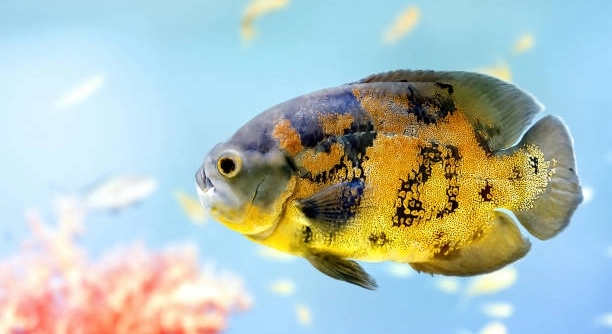
Bonding with a new Oscar fish can be a rewarding experience. Understanding their behavior and needs will help you form a connection with your new aquatic companion. Building trust is essential for a healthy relationship.
The key to bonding with your Oscar fish quickly is consistency. Spend time interacting with them daily, offer high-quality food, and maintain a stable environment. Regularly cleaning their tank also shows care, which encourages trust and familiarity.
Establishing a connection with your Oscar fish will create a bond that benefits both you and your pet.
Consistency in Feeding
Oscar fish are creatures of habit, and establishing a feeding routine will help them become more comfortable around you. Feed them at the same time each day to create a sense of predictability. This simple act shows them that you can be trusted for a steady source of food. Stick to high-quality fish pellets or frozen foods that mimic their natural diet, which promotes their health. Over time, your Oscar will start recognizing you as the provider of nourishment, building a bond through this regular interaction.
Fish may not be as expressive as pets like dogs or cats, but their responses to feeding routines can show trust. Keep the environment calm and consistent while feeding to avoid startling your Oscar.
Building a feeding routine is one of the most straightforward methods to bond with your Oscar fish. Pair this with a stable environment, and it will help to strengthen the connection between you and your new pet over time.
Create a Safe and Stable Environment
A comfortable environment is essential for your Oscar fish to feel safe. Begin by ensuring the tank is the right size—Oscar fish can grow large, so they need ample space. The water quality is crucial, as Oscars are sensitive to poor water conditions. Invest in a good filtration system to maintain clean water, and check the temperature regularly. A stable, peaceful tank with minimal disturbances creates the perfect setting for bonding.
Along with water quality, adding plants or hiding spots gives your Oscar the opportunity to retreat when needed. Oscars are naturally curious and may appreciate places to hide, but they will also feel more secure with proper space to explore.
By creating a stable and secure tank environment, your Oscar will feel more at ease, allowing you to establish a deeper connection. A healthy, safe tank is essential for any bonding process.
Regular Tank Maintenance
Keeping your Oscar fish’s tank clean will go a long way in forming trust. Regularly change the water and remove any debris. Oscars are sensitive to dirty conditions, so maintaining good water quality is essential for their well-being. This effort shows that you care for their environment.
Water changes should be done at least every two weeks, depending on the tank size. Remove uneaten food, waste, and any algae buildup. A clean tank not only promotes the health of your Oscar fish but also signals to them that they are in a safe and well-cared-for space.
Additionally, a clean tank helps prevent stress-related health issues, which can interfere with bonding. Keeping their environment pristine ensures that your Oscar stays comfortable and happy, making it easier for them to trust you and grow more accustomed to your presence.
Gradual Interaction
Spending time near the tank will help your Oscar become familiar with you. Start by sitting beside the tank for a few minutes each day. Over time, your Oscar will associate you with safety and food, which helps establish trust. This process should be gradual to avoid overwhelming your fish.
Avoid sudden movements that could startle your Oscar. Try talking softly while spending time by the tank, so your fish becomes accustomed to your voice. As your Oscar learns that you aren’t a threat, they will become more curious and responsive, which leads to deeper bonding.
Patience is key when interacting with your Oscar. Consistent exposure at a comfortable pace will help them feel secure. Avoid rushing this process, and allow your fish to come to you at their own pace for a stronger bond.
Observe and Respond to Their Behavior
Pay attention to your Oscar’s behavior to understand their needs and preferences. Watch how they react to feeding times, tank movements, or any changes in their surroundings. Observing these behaviors will help you know when they feel comfortable or stressed, allowing you to adjust accordingly.
If your Oscar becomes more active or comes closer during feeding times, it’s a good sign that they are becoming familiar with you. Keep track of any changes in their behavior so that you can provide an environment that caters to their comfort, ultimately strengthening your bond.
Establish a Feeding Routine
Feeding your Oscar fish at the same time each day will help them feel more secure. Oscars quickly learn when it’s time for food and will start to associate your presence with a reliable source of nourishment. Consistency is important to building a routine they can depend on.
By providing a steady feeding schedule, you will create a positive interaction with your Oscar fish. This simple but effective step is key in building trust and familiarity. Over time, they will look forward to your presence, making the bonding process smoother and more natural.
Handle with Care
While Oscar fish are known for their strong personalities, it’s important to handle them gently if you need to move them. Oscars are territorial and can be sensitive to sudden movements or stress, so it’s best to avoid touching them unnecessarily. If you must move them, do so slowly.
Handling them too roughly can cause stress and negatively affect your bond. Gently using a fishnet to move your Oscar when necessary will keep them calm and prevent injury. Your Oscar will grow more comfortable with you when they feel safe and treated with care.
FAQ
How long does it take for an Oscar fish to bond with its owner?
Bonding with an Oscar fish can take time, often several weeks to a few months. Oscars are intelligent, but they require patience to get comfortable with their new environment and owner. Regular interactions, such as feeding at consistent times and spending quiet time near the tank, will gradually help build trust. The key is consistency and patience, allowing your Oscar to adjust at its own pace.
Can I train my Oscar fish?
Yes, you can train your Oscar fish, though it takes time and effort. Start with simple tasks like getting your Oscar to associate you with feeding times or recognizing your hand movements. Using food as positive reinforcement can help. Over time, your Oscar may learn to follow your hand or perform simple tricks like swimming through hoops. While Oscars may not perform complex tasks like dogs, they can learn basic interactions.
How do I know if my Oscar fish is stressed?
Stressed Oscar fish may show several signs, including excessive hiding, swimming erratically, or rubbing against tank decorations. They may also refuse to eat, which is a significant indicator of stress. Poor water quality, overcrowding, or sudden changes in their environment can cause this. It’s essential to observe your Oscar regularly to ensure they are healthy and comfortable. If you notice signs of stress, check the water parameters and tank setup to identify potential causes.
What is the best tank size for an Oscar fish?
An Oscar fish needs a large tank to thrive. A 55-gallon tank is the minimum size for a single Oscar, but a 75-gallon tank or larger is recommended for long-term health. Oscars grow quickly and can reach lengths of up to 12-14 inches, so providing plenty of space is important. A larger tank also helps maintain stable water conditions, which are crucial for their well-being. Be sure to account for future growth when setting up your tank.
Can I keep more than one Oscar fish together?
Keeping multiple Oscars in the same tank is possible but not always advisable, especially in smaller tanks. Oscars are territorial and can become aggressive toward each other. If you decide to keep more than one, ensure your tank is large enough (at least 75 gallons for two Oscars) and provide plenty of hiding spots. Monitor their behavior closely, as conflicts may arise, especially if one fish feels threatened by the other.
How do I create a comfortable environment for my Oscar fish?
To create a comfortable environment, ensure the tank has clean water, proper filtration, and the right temperature (between 74-81°F). Include some plants, rocks, or hiding spots to help your Oscar feel secure. A stable environment with minimal disturbances will allow your Oscar to thrive. Regular maintenance of water quality is key to avoiding stress. Keep the tank well-maintained and free of debris to prevent potential health issues.
What should I feed my Oscar fish?
Oscars are omnivorous and enjoy a varied diet. You can feed them high-quality pellets or flakes designed for carnivorous fish. Supplement their diet with live or frozen foods such as worms, shrimp, or small fish. Offering variety is essential to ensure they get all the necessary nutrients. Avoid overfeeding, as this can lead to obesity or poor water quality. Feed them once or twice a day, and be sure to remove any uneaten food from the tank.
Why is my Oscar fish not eating?
If your Oscar fish is not eating, it could be due to several reasons, such as stress, poor water quality, illness, or a recent change in their environment. Check the water parameters, as poor water conditions are a common cause of appetite loss. Make sure they feel secure in their tank and are not being harassed by other fish. If the problem persists, a visit to a vet specializing in fish health may be necessary to rule out any illnesses.
How often should I change the water in my Oscar’s tank?
Water changes should be done regularly to maintain a healthy environment for your Oscar. A 25-30% water change every two weeks is generally recommended. However, if the tank is smaller or there are multiple fish, more frequent changes may be necessary. Always test the water parameters before and after changes to ensure the water quality remains optimal for your Oscar. Regular water changes help prevent the buildup of toxins, such as ammonia and nitrates.
Do Oscars need a heater in their tank?
Yes, Oscar fish are tropical fish and require a heater to maintain the appropriate water temperature, typically between 74-81°F. A consistent temperature is crucial for their health, as temperature fluctuations can cause stress and weaken their immune system. Make sure the heater is reliable and suitable for the size of the tank to avoid overheating or underheating the water.
How do I prevent aggression in my Oscar fish?
To prevent aggression, ensure your Oscar fish has enough space and is not overcrowded. Provide plenty of hiding spots and avoid keeping other territorial or aggressive fish with your Oscar. If aggression arises, separating the aggressive fish or rearranging the tank can sometimes help. Stress from poor water quality or insufficient food can also lead to aggression, so it’s essential to address those issues promptly.
Why is my Oscar fish changing colors?
Oscars may change colors due to stress, illness, or environmental changes. For example, if your Oscar is feeling threatened, they may display darker or more vibrant colors. Sometimes, changes in water quality or a shift in tank temperature can also cause color changes. If your Oscar’s color change is accompanied by other signs of illness or stress, it’s important to investigate the cause and make the necessary adjustments to their environment.
Can Oscars live with other types of fish?
Oscars can live with other fish, but they tend to be territorial and may bully smaller or less aggressive fish. It’s best to keep them with other large, robust fish that can tolerate their temperament. Avoid keeping Oscars with delicate fish, as they might be stressed or harmed. Research compatible tank mates to ensure a peaceful environment for all inhabitants.
What is the best filtration system for an Oscar tank?
Oscars produce a significant amount of waste, so it’s crucial to have a strong filtration system in place. A high-quality canister filter or power filter is recommended, as these can handle the large volume of water and waste produced by an Oscar. Ensure the filter is rated for the size of your tank and can maintain clean water conditions for your Oscar’s health. Clean and maintain the filter regularly to ensure it works efficiently.
Final Thoughts
Building a bond with your Oscar fish takes time, patience, and consistent care. While Oscars can be independent and territorial, they can also recognize their owner and form a connection over time. The key to this process is understanding their behavior, providing a stable environment, and meeting their physical and emotional needs. By paying attention to your Oscar’s reactions and establishing regular feeding routines, you help them feel more secure and comfortable in their tank. With effort and time, you’ll notice that your Oscar becomes more confident and responsive to your presence.
Proper care goes beyond just feeding and maintaining the tank’s water quality. Observing your Oscar’s behavior and making necessary adjustments to their environment plays a significant role in their well-being. Stress is one of the most common reasons for health issues or behavioral changes in Oscars, so reducing stress factors is essential. Whether it’s minimizing disruptions, ensuring the tank is appropriately sized, or creating hiding spots, these actions contribute to a more balanced and comfortable living space for your Oscar fish. A calm environment will naturally help strengthen your bond, allowing them to feel more relaxed around you.
Ultimately, forming a bond with an Oscar is about consistency and understanding. Every Oscar is unique, and it may take time for them to trust you fully. However, with steady efforts, you can build a lasting relationship that improves both their quality of life and your experience as an owner. Regular care, observation, and positive interactions will create a strong foundation for a fulfilling connection with your Oscar fish. They may not be as interactive as some other pets, but over time, they will recognize you as their trusted companion in their aquatic world.

Hello,
If you enjoy the content that we create, please consider saying a "Thank You!" by leaving a tip.
Every little bit helps us continue crafting quality advice that supports the health, happiness, and well-being of pets around the world, for pets of all shapes, sizes, and species.
We really appreciate the kindness and support that you show us!