
Are your fish constantly chasing each other, leaving fins torn and tank harmony disrupted? Fin nipping can quickly become a frustrating issue in community aquariums.
The most effective way to reduce fin nipping is by identifying the aggressive species and adjusting the tank setup. Adding plants, hiding spots, and removing overly territorial fish can significantly decrease aggressive behavior and promote a healthier environment.
Learning what triggers this behavior and how to balance your tank will help create a calmer space for all your fish.
Choose Compatible Tank Mates
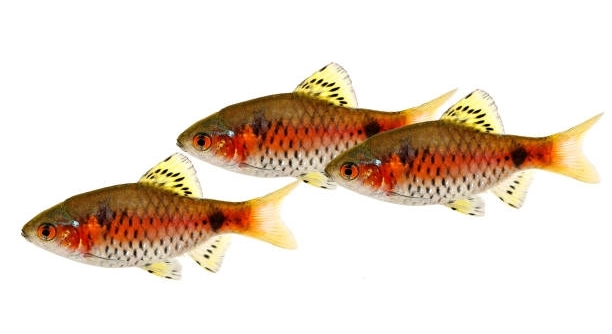
Fin nipping usually starts when incompatible fish are placed together. Some species are naturally more aggressive or territorial, especially in tight spaces or during feeding. Barbs, for example, are known to nip at slower, long-finned fish like guppies or bettas. Always research the behavior of each species before adding them to your aquarium. Avoid mixing fast-moving, aggressive types with delicate or slow swimmers. When creating a peaceful tank, aim for fish with similar activity levels, sizes, and temperaments. This greatly reduces tension and competition. Observe your tank closely after adding new fish and remove any that show signs of aggression early. It’s easier to prevent issues than fix them later.
Even peaceful fish may show signs of aggression when crowded or stressed. Make changes early to stop it from getting worse.
Stick to calm species with a good reputation for community tanks. This keeps things balanced and less stressful for everyone in the aquarium.
Rearrange the Tank Layout
Changing your tank layout helps reduce territorial behaviors. Fish often claim specific areas, so shifting decorations breaks up old patterns and creates neutral zones.
Adding plants, caves, and dividers can help each fish claim its own space without encroaching on others. Use tall plants to break up sightlines and create hiding spots that reduce stress. Rearranging tank elements like rocks and driftwood can confuse aggressive fish temporarily, making them less likely to chase others. Spread out food and reduce competition by feeding in multiple areas. It’s also helpful to add decor gradually to avoid overwhelming the tank. A visually rich layout gives shy or slow fish a chance to avoid bullies and encourages more natural behavior across the tank. When aggression is linked to territory, a refreshed setup makes a big difference. It supports better tank dynamics and can help your fish coexist more peacefully over time.
Increase Swimming Space
A cramped tank causes stress and encourages aggressive behavior like fin nipping. When fish don’t have room to move freely, they bump into each other more often, leading to tension and biting. More space means fewer encounters and better separation between active and shy species.
Upgrading to a larger tank or reducing the number of fish creates more room to swim and explore. This helps each fish find its own space, lowering the chance of conflict. Be sure to follow the proper stocking rules based on your fish’s adult size. For example, the common “one inch of fish per gallon” rule doesn’t work for larger or active species. Use horizontal space wisely, especially for fast swimmers. Wider tanks offer more lateral movement, which is ideal for active fish. Also, avoid overcrowding by planning for growth. A tank with enough swimming space supports calm behavior and gives your fish a better quality of life.
Keeping the right balance of open space and hiding areas helps your tank stay peaceful. Add plants and decor, but avoid cluttering the tank. Fish need clear paths to swim and explore. A cluttered tank can cause confusion and increase tension between territorial fish. Open areas allow for easier movement and less conflict.
Feed Fish Separately
Feeding can cause aggressive behavior, especially if food is limited or competition is high. Some fish may chase or nip others to get more food. Separating feeding areas can help avoid this issue by giving each fish equal access to food.
Use feeding rings or place food in different corners of the tank to prevent fights during mealtime. For aggressive feeders, feed them first and distract them while others eat. This reduces tension and ensures everyone gets enough to eat. You can also adjust the type of food used—sinking pellets for bottom dwellers, flakes for surface eaters. Watching how your fish behave during feeding time helps you make better choices. Regular feeding at the same time each day also helps reduce stress. Preventing food-related competition is a simple way to make your tank feel safer and calmer for all fish.
Reduce Bright Lighting
Bright lights can increase stress in some fish, making them more reactive or aggressive. Constant exposure to intense lighting can lead to more chasing and biting, especially in tanks with limited hiding spots.
Use dimmable lights or add floating plants to soften the lighting. This helps fish feel safer and less exposed.
Monitor for Injuries
Watch for signs like frayed fins, torn tails, or red marks. These injuries often mean fin nipping is happening when you’re not looking. Catching it early helps you act fast and prevent it from getting worse.
Separate injured fish if needed and treat the water to prevent infections. Injured fins heal faster in clean, calm water.
Use Tank Dividers
Dividers can stop aggressive fish from reaching others. They’re helpful if one fish constantly targets a specific tank mate. Clear or mesh dividers still allow visibility while keeping the fish physically apart.
FAQ
Why do fish nip each other’s fins?
Fish nip fins for several reasons, mainly due to stress, territorial behavior, or competition for food. Some species are naturally more aggressive or curious and may nip as a way to assert dominance or test their environment. Crowded tanks, poor water conditions, or incompatible tank mates increase this behavior. Fin nipping can also be a sign of boredom or lack of stimulation. Ensuring enough space, hiding spots, and compatible fish helps reduce this problem significantly.
How can I tell if fin nipping is serious?
Look for repeated injuries like torn or ragged fins, red or inflamed areas, and fish constantly hiding or avoiding others. Occasional chasing is normal, but persistent biting that causes visible damage means it’s serious. If untreated, these wounds can lead to infections and stress, which weakens the fish’s immune system. Prompt action is necessary to stop fin nipping from worsening and harming your fish.
Can fin nipping kill fish?
Yes, in severe cases, fin nipping can cause injuries that become infected or lead to stress-related illnesses. Constant aggression may weaken a fish and lower its chances of survival. Removing aggressive fish or treating injuries early helps prevent these dangerous outcomes. Proper tank management can keep fin nipping from becoming life-threatening.
What should I do if my fish’s fins are damaged?
Isolate injured fish in a separate tank or use a hospital tank if possible. Keep the water clean and stable to support healing. Adding aquarium salt in recommended doses can help prevent infections. Monitor water quality closely and avoid sudden changes in temperature or chemistry. Most fins regenerate well if fish are kept stress-free and infection-free.
Are certain fish more likely to nip fins?
Yes, some species are more prone to fin nipping, such as tiger barbs, serpae tetras, and some cichlids. These fish tend to be more aggressive or energetic, which can stress slower or long-finned species like bettas and guppies. Avoid mixing these types in the same tank to reduce fin nipping risk.
How can I stop fin nipping without removing fish?
Improving tank conditions often reduces fin nipping. Increasing swimming space, adding hiding spots, rearranging decorations, and adjusting feeding practices all help. Feeding fish separately and providing balanced nutrition lowers food competition. Sometimes rearranging the tank disrupts established territories, reducing aggression. Regular observation helps you spot and address issues early before they escalate.
Is fin nipping normal behavior?
Some level of chasing or nipping can be normal in community tanks, especially among active or territorial species. It becomes a problem only when it causes injury or stress. Understanding your fish’s behavior and habitat needs helps manage this natural but sometimes harmful action. A well-maintained tank minimizes aggressive interactions.
Can tank size affect fin nipping?
Yes, smaller tanks increase stress and competition because fish have less room to escape or establish territories. Overcrowding intensifies aggression and fin nipping. Providing a larger tank with enough space for all fish to swim and hide greatly reduces aggressive encounters. Planning for adult fish size and activity level is essential for peaceful tank dynamics.
Do tank decorations influence fin nipping?
Tank decorations like plants, rocks, and caves help break sightlines and create hiding places. This reduces territorial disputes and stress by giving fish places to retreat. Sparse or barren tanks encourage chasing and nipping due to lack of cover. Regularly rearranging decor can also prevent established aggressive patterns.
Should I separate fish if fin nipping continues?
If fin nipping persists despite changes, separating aggressive fish is often the best solution. Tank dividers or moving fish to another tank prevents ongoing injuries. Separation also gives injured fish a chance to heal without further stress. Long-term peace in your aquarium sometimes depends on making tough choices about tank mates.
Fin nipping is a common issue in many home aquariums, but it does not have to become a serious problem. Understanding why fin nipping happens is the first step to managing it effectively. Fish may nip for reasons like stress, overcrowding, or simply because they are aggressive by nature. By observing your fish regularly and noting their behavior, you can catch early signs of fin nipping before it leads to injuries. This awareness helps you take action in time to improve the environment and reduce conflicts.
Creating a healthy, balanced aquarium setup is essential for preventing fin nipping. This includes choosing compatible fish species, providing enough space for swimming, and offering plenty of hiding places. Rearranging the tank or adding plants and decorations can also break up territorial boundaries and lower aggression. Feeding fish in different spots and at regular times ensures that all fish get enough food without competition. Small changes like these can make a big difference in how peaceful your fish behave. A calm tank benefits not just the fish but also makes maintenance easier for you.
If fin nipping continues despite your efforts, it may be necessary to separate aggressive fish or remove them from the tank. Injured fish need clean, stress-free water to heal properly, and keeping them apart from bullies is important. Sometimes, finding the right balance of fish species or adjusting tank size will take some trial and error. Patience and care will pay off in the long run with a healthier, happier aquarium. Following simple steps to reduce fin nipping protects your fish’s health and helps create a more enjoyable tank for everyone.

Hello,
If you enjoy the content that we create, please consider saying a "Thank You!" by leaving a tip.
Every little bit helps us continue crafting quality advice that supports the health, happiness, and well-being of pets around the world, for pets of all shapes, sizes, and species.
We really appreciate the kindness and support that you show us!