
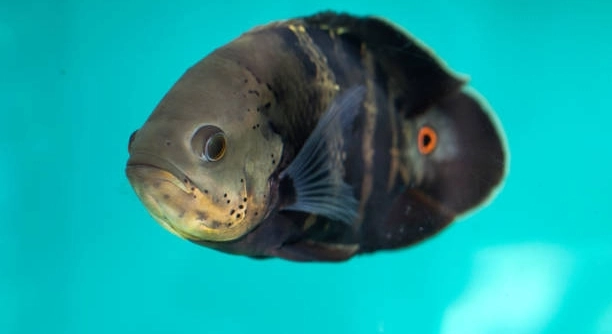
Oscar fish are fascinating creatures, and as they approach the time to lay eggs, there are distinct signs to watch for. Understanding these signals can help you prepare and provide the best environment for them.
Oscar fish display several key behaviors when they are ready to lay eggs, including increased territoriality, changes in coloration, and frequent cleaning of surfaces. These actions typically indicate that the fish are preparing to breed.
Recognizing these signs ensures a smooth breeding process and a better understanding of Oscar fish behavior.
Increased Territorial Behavior
Oscar fish become much more territorial as they approach egg-laying time. They often claim a specific area in their tank, which they will defend aggressively. This behavior includes chasing away other fish and aggressively guarding what they consider their breeding spot. During this period, they may even try to rearrange objects like rocks or plants to create a suitable environment for their eggs. This territoriality is a clear sign that the fish are preparing for reproduction. If you notice these behaviors, it’s essential to provide them with plenty of space and avoid disturbing their territory to reduce stress.
Oscar fish are very protective during breeding time. It’s crucial to observe their interactions closely.
As they display territorial aggression, it’s important to monitor their behavior to ensure they aren’t overly stressed or aggressive. This protection instinct ensures a safer environment for the eggs once they’re laid.
Color Changes
Oscar fish also exhibit noticeable color changes when they are ready to lay eggs. Females, in particular, may display darker or more intense colors as their bodies prepare for spawning. Males, on the other hand, can appear brighter or more vibrant to attract the female. These color changes are a natural part of their breeding behavior and serve as a visual cue to each other. It’s also common for both sexes to show different markings, such as spots or streaks, signaling their readiness.
This visible shift is one of the easiest signs to identify.
Color changes are a natural part of the breeding cycle and can be exciting to observe. They help distinguish between male and female Oscars during this period. In addition to coloration, their body shape may slightly change as they prepare for egg-laying. This, combined with their territorial behavior, makes it easier to recognize when Oscar fish are preparing to spawn.
Frequent Surface Cleaning
Oscar fish will frequently clean surfaces like rocks, glass, or decorations in their tank. They use their mouths to scrape off debris or algae in preparation for egg-laying. This cleaning behavior is aimed at creating a safe environment for the eggs to adhere to once they are laid. You’ll notice them spending more time near specific areas as they prepare for this process.
It’s essential to ensure the tank environment is clean, as dirty surfaces may discourage egg-laying.
If you observe this cleaning behavior, it’s a clear indication they’re setting up their breeding site. You can help by ensuring the water quality is optimal and by removing any unnecessary decorations that may hinder their efforts. This process can take a few days, but it’s a vital step in their preparation.
Increased Appetite
During the breeding season, Oscar fish often experience a heightened appetite. Both males and females tend to eat more in preparation for egg-laying. The female, especially, may increase her food intake to build up energy for egg production. This behavior may be a result of hormonal changes in the fish, signaling that they are gearing up for reproduction.
Ensuring their diet is balanced is crucial at this stage.
Providing high-quality food during this time is essential for the health of both the male and female Oscar fish. This includes offering a variety of food such as pellets, live food, or frozen options. Overfeeding should be avoided, as it could lead to water quality issues. Monitoring their food intake during this phase ensures they are well-nourished and ready for the breeding process.
Hiding or Retreating to Safe Spots
Oscar fish may spend more time hiding or retreating to specific areas of their tank as they approach the egg-laying phase. They tend to seek out quieter spots where they feel more secure. This behavior is part of their preparation for spawning, as they look for privacy.
This retreating behavior helps reduce their stress levels.
Providing hiding spots like caves or plants can help reduce their anxiety during this time. It allows them to feel safe and more likely to proceed with the egg-laying process. Avoid disturbing these areas to support their natural behavior.
Spawning Site Preparation
Oscar fish will start preparing a specific spot in the tank for spawning. They clear the area of debris and will often clean it multiple times before laying eggs. They may even dig or rearrange gravel, rocks, or other decorations. This behavior is a sign that they are getting ready to lay eggs.
The breeding site is carefully chosen and prepared by both fish.
It’s important to monitor the area and avoid disturbing them as they prepare. If possible, provide a flat surface such as a rock or slate where the eggs can be laid. This preparation process can take several days, so patience is key.
Increased Interaction Between Males and Females
Oscar fish will often engage in more frequent interactions with each other as they near egg-laying. The male may follow the female around the tank, and both fish may display courtship behaviors, such as rubbing against each other. This behavior signals that they are getting ready to spawn.
Observing their interactions is a clear sign they are ready to breed.
FAQ
How can I tell if my Oscar fish are ready to lay eggs?
You can tell your Oscar fish are ready to lay eggs by observing certain behaviors. They will clean surfaces, such as rocks or glass, in the tank, and both the male and female will display more territorial behavior. The female may show darker or more vibrant colors, while the male may become more colorful to attract her. They will also increase their activity, especially around a specific area in the tank where they intend to lay the eggs.
Do Oscar fish lay eggs in a community tank?
Oscar fish are territorial, especially when preparing to lay eggs. If kept in a community tank, they may become aggressive toward other fish. It’s recommended to provide them with a breeding tank to minimize stress and protect the eggs. In a community tank, their chances of successfully laying eggs and ensuring the eggs are safe may be low due to potential interference from other fish.
How long does it take for Oscar fish to lay eggs?
Once Oscar fish start showing signs of readiness, it can take anywhere from a few days to a week for them to lay eggs. They will spend time cleaning and preparing their chosen spot before laying. The entire process from initial signs to egg-laying is typically between 7-10 days, depending on the fish and environment.
Do Oscar fish take care of their eggs?
Yes, Oscar fish are excellent parents. Both the male and female will guard the eggs and protect them from threats. The female usually lays the eggs, and the male fertilizes them. After fertilization, both fish will watch over the eggs, keeping them safe until they hatch. It’s important to avoid disturbing the tank during this time, as it could cause stress.
How can I help my Oscar fish during the breeding process?
Providing a calm and secure environment is key. Ensure that the water quality is optimal, with clean, well-filtered water and a stable temperature. Offer plenty of hiding spots and provide a flat surface, like a rock or slate, for the eggs to be laid on. Avoid disturbing the fish during this time to reduce stress.
Should I remove other fish from the tank during breeding?
Yes, it’s best to remove other fish from the tank during the breeding process. Oscar fish can be very territorial and may become aggressive towards other tank mates. Removing other fish allows the Oscars to focus on their eggs without interference, ensuring a safer environment for both the parents and the eggs.
What should I do if the eggs don’t hatch?
If the eggs do not hatch, it’s possible that they were not fertilized, or water conditions were not optimal. You should check the water temperature, pH, and ammonia levels to ensure they are within the correct range for breeding. If necessary, remove the eggs after a few days to prevent mold growth and help maintain tank cleanliness.
How long does it take for Oscar fish eggs to hatch?
Oscar fish eggs typically hatch in 2-4 days, depending on the temperature of the water. Warmer water speeds up the process, while cooler water may slow it down. After hatching, the fry will remain attached to the surface for a few days before becoming free-swimming.
Can I raise the Oscar fry with the parents?
Yes, Oscar fry can be raised with their parents. The parents will continue to care for the fry, protecting them and guiding them to food. However, as they grow, the fry may need to be separated to prevent overcrowding and competition for food. It’s important to monitor their growth and behavior to decide when to separate them.
What do I feed Oscar fry after they hatch?
Once the fry become free-swimming, you can start feeding them infusoria or other tiny foods, like newly hatched brine shrimp or micro worms. As they grow, you can introduce larger foods like finely crushed pellets or live food. Be sure to provide food that matches their size to ensure proper nutrition.
Can I move the eggs to a separate tank?
It’s possible to move the eggs to a separate tank if the parents are not able to care for them properly or if you want to protect them from other tank mates. However, it’s important to do so carefully, as moving eggs can cause damage. A separate breeding tank should have similar water parameters to the original tank to avoid stress on the eggs.
Final Thoughts
Oscar fish are fascinating creatures that exhibit clear signs when they are preparing to lay eggs. Understanding these signs can help ensure that you create the best environment for them during this crucial time. From their increased activity and cleaning behaviors to their heightened interactions with each other, these behaviors are all signs of their readiness to breed. By observing these changes, you can act quickly to prepare the tank, avoid stressing them out, and support them throughout the breeding process.
Proper care during the breeding phase is essential. Maintaining optimal water conditions, providing the right environment for them to lay eggs, and keeping other tank mates out of the way are all important. Oscar fish, like most other species, prefer a calm and safe space to breed, and they can become territorial during this time. By ensuring that the tank is clean and free from disturbances, you give them the best chance to successfully lay and protect their eggs. Additionally, feeding them a nutritious and varied diet will help ensure that they are healthy and ready to breed.
Ultimately, breeding Oscar fish can be a rewarding experience, but it requires attention and patience. By recognizing the signs of breeding readiness and providing them with the right care, you can support their natural instincts and give them the space they need to thrive. Whether you’re new to breeding or experienced, the key is to monitor their behavior closely, ensure their environment is suitable, and remain patient as they go through the process of laying and caring for their eggs.

Hello,
If you enjoy the content that we create, please consider saying a "Thank You!" by leaving a tip.
Every little bit helps us continue crafting quality advice that supports the health, happiness, and well-being of pets around the world, for pets of all shapes, sizes, and species.
We really appreciate the kindness and support that you show us!