
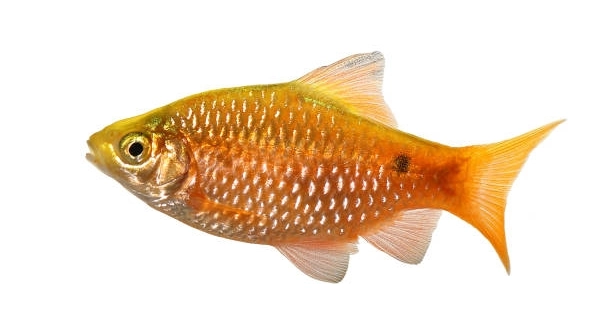
Rosy barbs are popular aquarium fish known for their vibrant colors and active behavior. However, they can sometimes show signs of unhappiness in their tanks. Recognizing and addressing these signs early is important to maintain a healthy environment for them.
Unhappy rosy barb tanks are usually caused by poor water quality, inadequate tank size, improper diet, or stress from tank mates. Ensuring stable conditions and suitable care quickly restores their well-being and promotes vibrant, healthy fish.
Identifying fast, effective solutions helps keep rosy barbs thriving and enhances the overall tank experience. This article will outline simple fixes to improve their environment promptly.
Improve Water Quality Quickly
Poor water quality is often the main cause of unhappy rosy barb tanks. Regular water changes help remove harmful toxins like ammonia and nitrates that build up over time. Test the water weekly to monitor key parameters such as pH, ammonia, nitrite, and nitrate levels. Using a reliable water conditioner also neutralizes chlorine and chloramine in tap water. Avoid overcrowding the tank, as too many fish increase waste and stress. Proper filtration is essential to maintain clear and clean water. Clean the filter media gently with tank water during maintenance to preserve beneficial bacteria. Consistent water quality keeps rosy barbs healthy and active.
Maintaining water quality involves frequent testing, partial water changes, and proper filtration. These steps are vital for stable and safe living conditions.
By focusing on water quality, you ensure your rosy barbs have a comfortable habitat. Clear, clean water reduces stress and disease risk, which helps them display their natural colors and behaviors more vividly.
Provide Adequate Tank Size
A tank that is too small restricts swimming space and causes stress in rosy barbs. They are active fish that need room to swim freely and form social groups. A minimum of 20 gallons is recommended for a small group. Larger tanks improve water stability and reduce aggressive behavior. Adding plants and hiding spots creates a more natural environment, helping reduce stress. Ensure the tank has enough surface area for proper oxygen exchange. A cramped tank leads to poor health and dull colors in rosy barbs, so investing in an appropriate tank size benefits their well-being significantly.
Feed a Balanced Diet
Feeding rosy barbs a balanced diet is essential for their health. Avoid overfeeding, which can pollute the water and cause health issues. Choose high-quality flakes or pellets designed for tropical fish.
A varied diet supports their vibrant colors and energy levels. Incorporate live or frozen foods like brine shrimp or bloodworms occasionally. These protein-rich treats stimulate natural hunting behaviors and improve overall vitality. Be mindful to feed small portions twice a day to prevent leftovers that decay and affect water quality. Proper nutrition reduces susceptibility to disease and encourages healthy growth.
Regularly adjusting feeding amounts based on the number of fish and their activity helps maintain water cleanliness. Consistency in diet ensures rosy barbs stay active and colorful. A healthy diet is a simple, effective way to support long-term well-being.
Minimize Stress from Tank Mates
Stress from aggressive or incompatible tank mates can harm rosy barbs. Choose peaceful fish that tolerate similar water conditions to avoid conflicts. Avoid overcrowding to reduce competition and aggression.
Aggressive species can cause injury and constant stress, leading to weakened immune systems in rosy barbs. Observe fish behavior closely after introducing new tank mates. Separate or rehome aggressive fish if problems persist. Create hiding spaces with plants and decorations to offer safe retreats. A calm, stable community reduces stress and encourages natural behavior. Ensuring compatible companions improves the overall health and happiness of your rosy barbs, promoting a more peaceful tank environment.
Maintain Proper Temperature
Rosy barbs thrive in water temperatures between 74°F and 79°F. Keeping the temperature stable avoids stress and illness.
Use a reliable aquarium heater with a thermostat to regulate temperature. Sudden changes can shock the fish and weaken their immune systems.
Keep the Tank Clean
Regular cleaning removes uneaten food, waste, and algae buildup. Use a siphon to clean the substrate during water changes.
Avoid harsh chemicals when cleaning decorations or glass. Gentle cleaning keeps the environment safe and supports healthy fish behavior.
Monitor Fish Behavior
Watch for signs of stress or illness such as lethargy, hiding, or loss of appetite. Early detection helps prevent serious problems.
Consistent observation allows timely intervention to keep rosy barbs healthy and comfortable in their tank.
FAQ
Why are my rosy barbs hiding all the time?
Rosy barbs hide when they feel stressed or unsafe. Common causes include poor water quality, aggressive tank mates, or lack of hiding places. Ensuring stable water conditions and adding plants or decorations can provide shelter and reduce stress. Overcrowding also makes fish feel insecure, so consider tank size and fish number.
What causes rosy barbs to lose their color?
Loss of color often results from stress, poor diet, or illness. Inadequate nutrition, especially lack of carotenoids, dulls their vibrant hues. Improving diet with high-quality flakes and occasional live food helps. Maintaining good water quality and reducing stress from tank mates are also important to restore color.
How often should I change the water in a rosy barb tank?
Weekly partial water changes of 20-30% are ideal to maintain water quality. Frequent water changes prevent toxin buildup and keep ammonia, nitrites, and nitrates at safe levels. Avoid changing too much water at once, as sudden shifts can stress the fish.
Can rosy barbs live with other fish?
Yes, but tank mates should be peaceful and similar in size and temperament. Avoid aggressive or very small fish that might be bullied or eaten. Good companions include danios, mollies, and other barbs. Always monitor interactions after introducing new fish.
What is the best tank size for rosy barbs?
A minimum of 20 gallons is recommended for a small group of rosy barbs. They are active swimmers and need space to move freely. Larger tanks improve water stability and reduce stress. Provide plenty of swimming space and hiding spots.
How do I prevent diseases in rosy barbs?
Maintaining clean water, a balanced diet, and stress-free environment reduces disease risk. Quarantine new fish before adding them to the tank. Watch for early signs of illness and act quickly. Proper filtration and regular tank maintenance support fish health.
Why are my rosy barbs fighting?
Fighting can happen due to overcrowding, incompatible tank mates, or lack of space. Ensure the tank is large enough and fish are compatible. Adding plants and decorations gives fish territory and hiding places, which can reduce aggression.
What temperature is best for rosy barbs?
Keep the tank temperature between 74°F and 79°F. Use a reliable heater with a thermostat for stable conditions. Sudden temperature changes can cause stress and illness.
How much should I feed my rosy barbs?
Feed small amounts twice daily, only what they can eat in a few minutes. Overfeeding pollutes the water and causes health problems. A balanced diet with high-quality flakes and occasional live or frozen food is best.
Can rosy barbs live alone?
Rosy barbs are schooling fish and do best in groups of at least six. Alone, they become stressed and shy, which can lead to health issues. Keeping them in groups encourages natural behavior and vibrant activity.
Final Thoughts
Keeping rosy barbs happy and healthy requires consistent care and attention. Their well-being depends largely on the environment you provide, including clean water, proper tank size, and compatible tank mates. Regular water testing and partial water changes are essential to prevent harmful buildup of toxins. Maintaining stable water parameters reduces stress and keeps the fish active and vibrant. Paying attention to these details creates a comfortable habitat where rosy barbs can thrive.
A balanced diet plays an important role in supporting the health and colors of rosy barbs. Feeding them high-quality flakes or pellets designed for tropical fish provides essential nutrients. Including live or frozen foods occasionally adds protein and variety, encouraging natural behavior. Avoid overfeeding to prevent water pollution and related health issues. Consistent, measured feeding helps maintain a stable environment and promotes strong immune systems.
Reducing stress is another key factor in keeping rosy barbs content. Choosing peaceful tank mates and avoiding overcrowding minimizes aggression and competition. Providing plants and decorations offers hiding spots, making the fish feel secure. Monitoring their behavior regularly helps identify potential problems early. Taking these simple steps improves the overall quality of life for rosy barbs and enhances the enjoyment of your aquarium. With proper care, these lively fish can remain colorful and active for years.

Hello,
If you enjoy the content that we create, please consider saying a "Thank You!" by leaving a tip.
Every little bit helps us continue crafting quality advice that supports the health, happiness, and well-being of pets around the world, for pets of all shapes, sizes, and species.
We really appreciate the kindness and support that you show us!