
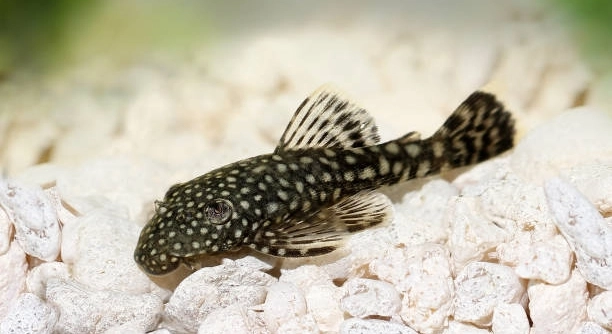
Is your pleco tank experiencing sudden changes in water temperature, leaving your fish stressed or sluggish throughout the day?
The main reason pleco tanks experience temperature swings is poor placement near windows or vents, faulty heaters, or lack of insulation. Fixing these problems quickly can prevent stress, illness, and long-term harm to your plecos.
Simple steps and small adjustments can make a big difference in keeping your plecos healthy and your tank temperature steady.
Move the Tank Away from Drafts and Heat Sources
If your pleco tank is near a window, door, or heater, this could be causing the temperature to rise or fall too quickly. Sunlight through windows, especially during certain times of the day, can warm the tank fast. At night, the same spot might cool down just as quickly. Heaters and air vents are also risky since they push warm or cold air directly into the tank area. This can create strong fluctuations that stress your plecos. Moving the tank to a more stable spot helps maintain a consistent environment. A location away from direct airflow or sunlight is best. Corners or inner walls of your home work well. Keeping the tank in a room with a steady climate can save you from sudden spikes or drops. Stability is important for fish health, and this small change can reduce daily stress for your plecos without much effort.
Avoid setting up tanks near windows that let in too much sun. It may not seem like much, but it heats the tank faster than expected.
I once had a pleco tank set up right next to my patio door. Every afternoon, the temperature would jump by two or three degrees. I didn’t think anything of it at first, but over time, I noticed my plecos hiding more and eating less. After moving the tank to a shaded corner in the same room, their behavior improved noticeably. The temperature remained steady throughout the day and night. This simple fix made a big difference. Many times, we overlook the effect our home layout has on a tank’s environment. It’s always worth checking.
Check and Replace Faulty Heaters
Heaters don’t always break completely. Sometimes, they just stop working properly.
A heater that’s only partially working may cause small temperature changes that can go unnoticed. Plecos are sensitive to those shifts. If your tank feels warmer some days and cooler on others, it could be your heater. Use a thermometer you trust—not the built-in one on the heater—and check the temperature at different times of the day. If there’s a swing of more than 1–2°F, it’s worth testing the heater. Sometimes, the thermostat inside fails or gets stuck. You can test the heater in a bucket of water to see if it holds a steady temperature. If it doesn’t, replace it right away. It’s better to get a reliable brand known for accuracy. Some fishkeepers use two smaller heaters instead of one big one, so if one fails, the other keeps the tank from dropping too far. Having a backup plan adds security.
Use a Thermometer You Can Trust
Some built-in thermometers aren’t reliable, and this can lead to guessing. If the reading is off by even a few degrees, your plecos could be feeling the effects before you notice. It’s worth getting a separate thermometer to double-check.
I like using a digital thermometer with an external probe. It gives fast, accurate readings and helps me catch small changes early. Stick-on strips aren’t very reliable, especially if your room temperature fluctuates. I once compared a strip to a digital reader and saw almost a 4-degree difference. That’s enough to stress your fish. It helps to check temperatures in the morning and again at night, especially during weather shifts. Having more than one thermometer in different areas of the tank also helps you spot uneven heating. Consistent readings make it easier to know when something’s wrong before your plecos start acting differently.
I keep one thermometer at the bottom corner of the tank and another near the surface. It’s not just about the number—it’s about knowing where the temperature stands across the whole tank. Sometimes warm water rises and stays at the top, leaving the bottom cooler. This can confuse your heater’s sensor if it’s only placed in one spot. It’s also helpful during water changes or if you open the lid for a while, since temps can shift quicker than expected. Using a reliable thermometer setup gives peace of mind and helps you adjust before problems start.
Insulate the Tank During Cold Months
Even if your heater works fine, cold room temperatures can still affect the tank. Insulating the tank helps hold in heat.
I started using simple foam boards behind and under my tank last winter. The difference was noticeable. The heater didn’t run as often, and the tank stayed at a steadier temperature, even when my room got chilly at night. You don’t need fancy supplies—sheets of Styrofoam or thick towels wrapped around the sides can make a big impact. Just make sure the top stays open for airflow. If your tank sits on a cold surface, use padding underneath to prevent heat loss through the bottom.
It might not seem like much, but heat escapes quickly through glass. During winter or in cooler homes, the glass pulls heat from the water faster than the heater can replace it, especially if the room gets colder at night. Insulating the back, sides, and bottom of the tank helps reduce that loss. Some people also use tank covers or lids with insulating materials, like acrylic or even bubble wrap, to keep the warmth in. Be sure not to block important air or filter areas. If you live somewhere with long winters or drafty rooms, insulating your tank gives your plecos a better chance at staying warm and stress-free.
Use a Backup Battery or Power Supply
If your power goes out, your tank’s heater stops working. A battery backup or small generator can keep it running. Even a few hours without heat can cause the water to drop and stress your plecos, especially during colder months.
I use an uninterruptible power supply (UPS) connected to my heater and air pump. It doesn’t last forever, but it gives me enough time to respond or move the tank if needed. There are also battery-powered air pumps for emergencies. Having a backup ready keeps things stable when the unexpected happens.
Perform Water Changes with Temperature in Mind
When changing tank water, make sure the new water matches the tank temperature as closely as possible. Adding water that’s too cold or too warm causes sudden changes your plecos can feel right away. I always check both with a thermometer and adjust before pouring.
Avoid Overexposing the Tank During Maintenance
Leaving the lid off for too long during cleaning or feeding can cool the water quickly, especially in colder rooms. Try to keep maintenance short and the lid closed as much as possible. It helps hold in heat and reduces unnecessary stress for your plecos.
FAQ
How often should I check the temperature in my pleco tank?
Check the temperature at least twice a day—once in the morning and once in the evening. This helps you catch any swings caused by room temperature or heater issues. If your area has big changes between day and night or if the seasons are shifting, it’s worth checking more often. You can also set up a digital thermometer with an alarm for added peace of mind. It only takes a few seconds, and it gives you a better idea of what’s going on in the tank over time.
Can plecos handle a few degrees of temperature change?
Plecos are hardy, but frequent or sudden changes, even just 2–3°F, can cause stress. That stress can weaken their immune system and make them more likely to get sick. A stable environment is more important than a perfect number. If your tank stays between 74–80°F and doesn’t swing up and down each day, your plecos should do fine. Try to avoid fluctuations that happen fast—those are more harmful than slow, gradual changes.
Is it okay to turn off the heater during the summer?
Only if your tank consistently stays within a safe range. In some homes, summer temperatures can keep the tank warm without help. But if the temperature drops at night, your plecos might get chilled. I usually lower the heater’s setting instead of turning it off, just in case there’s a cool spell or I need to run the AC. This way, the heater only kicks in when needed. It’s better to have it on standby than to risk a cold tank overnight.
How do I know if my heater is failing slowly?
You might notice small but regular changes in the water temperature, or your plecos may start acting differently—less active, hiding more, or skipping food. Sometimes, the heater light stays on constantly or never turns on at all. Use a separate thermometer to check the water, especially if something feels off. I once had a heater that kept flashing like it was working, but the tank was cooling off every night. Replacing it fixed everything. Trust your instincts if something seems unusual.
What should I do if my tank suddenly drops in temperature?
Act fast, but stay calm. Wrap the tank with towels or blankets to help hold in heat. You can also float sealed bags of warm water inside the tank to slowly raise the temperature. Don’t add hot water directly—it can shock your plecos. If you have a backup heater or battery supply, now’s the time to use it. Watch your plecos for signs of stress like sluggish movement or hanging near the bottom. Keeping things stable during recovery is key.
Are two heaters better than one?
In many cases, yes. Using two smaller heaters instead of one large one gives you a backup if one stops working. They also help distribute heat more evenly throughout the tank. I keep one on each side of my larger tanks. If one fails, the other keeps things from dropping too fast. It’s a little more setup, but it adds security. You can also set one slightly lower than the other, so it only turns on if the first can’t keep up.
Can lighting affect tank temperature?
Yes, especially if you use strong lights or keep them on for long periods. Some older lights give off a lot of heat, and that can raise your tank’s temperature more than you expect. I switched to LED lights, which stay cool and don’t impact the water temperature as much. If your tank gets warmer in the afternoon, check how long your lights are running and whether they’re contributing to the heat. You might need a timer or lower-intensity setup.
Final Thoughts
Keeping the temperature steady in your pleco tank does not have to be complicated. Small changes—like checking your heater, using a good thermometer, and placing your tank in a better location—can go a long way. These fixes do not cost much and don’t take a lot of time, but they can prevent serious problems for your plecos. A few minutes of attention each day can help keep the water stable and your fish comfortable. Whether you are new to keeping plecos or have had them for years, watching for temperature swings is something worth paying close attention to.
Stress caused by temperature changes is often silent. You may not see anything right away, but over time, it can affect how your plecos eat, grow, and move. That’s why it’s important to make sure the tank stays warm and stable, especially during cold nights, power outages, or big weather changes. Insulating the tank, preparing for emergencies, and monitoring your setup helps prevent sudden shifts. It’s better to catch these changes early than to try fixing things after your fish start to show signs of stress. Consistency keeps them healthier and more active in the long run.
Each tank is a little different. Your home’s layout, the kind of heater you use, and even the lighting can all play a part. That’s why it helps to keep a close eye on how your tank reacts over time. Try writing down your temperature readings each day for a while. It might help you notice a pattern or problem you didn’t see before. And if something doesn’t feel right—like your plecos acting differently—it’s always worth rechecking your equipment and setup. By taking a few simple steps and staying alert, you’ll be giving your plecos a much better chance to stay happy and healthy in their tank.

Hello,
If you enjoy the content that we create, please consider saying a "Thank You!" by leaving a tip.
Every little bit helps us continue crafting quality advice that supports the health, happiness, and well-being of pets around the world, for pets of all shapes, sizes, and species.
We really appreciate the kindness and support that you show us!